
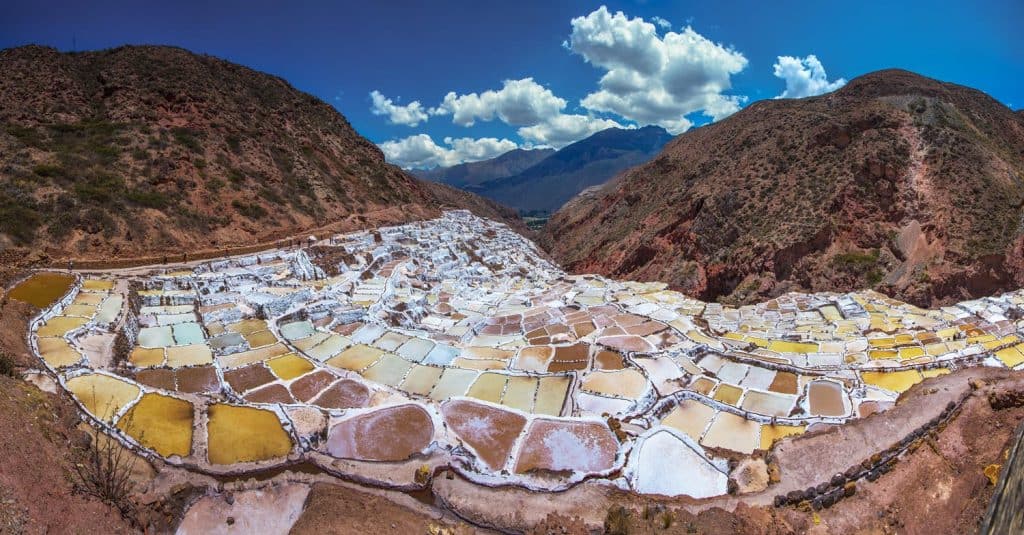
The best time to visit the Maras Salt Ponds is usually between May and October, during Cusco’s dry season. In those months there is less rain, more hours of sunshine, and better conditions for touring the area and observing the pools. Even so, this attraction can be visited year-round: the experience changes with rainfall, the salt production process, and the number of visitors present.
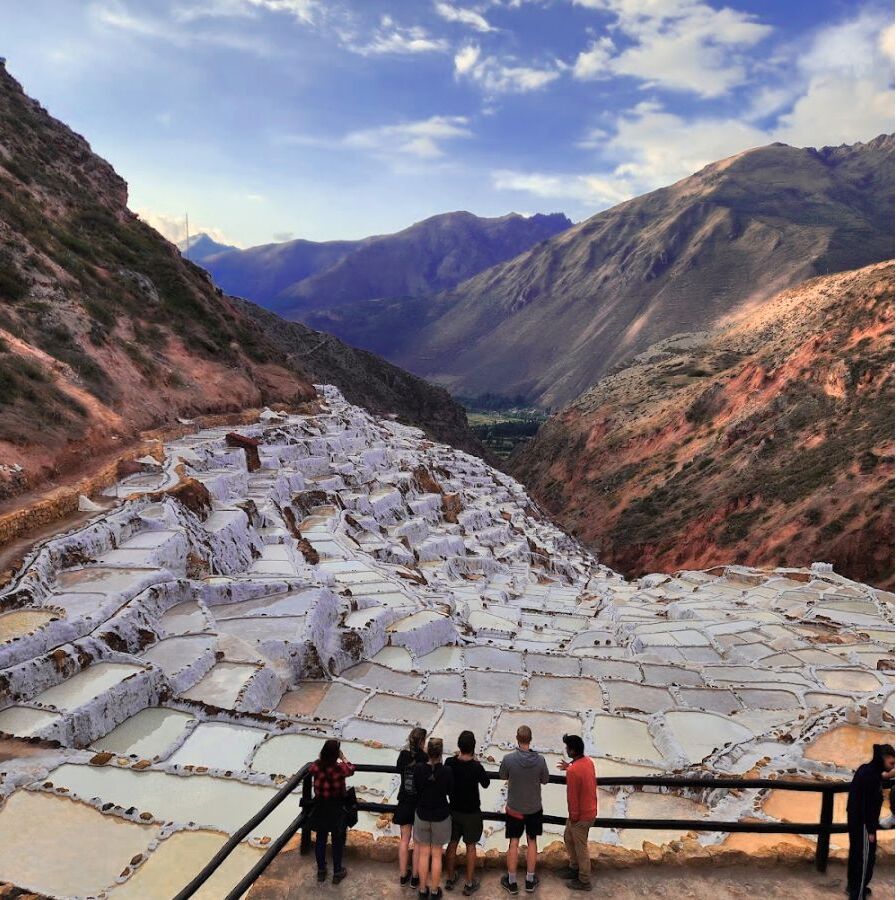
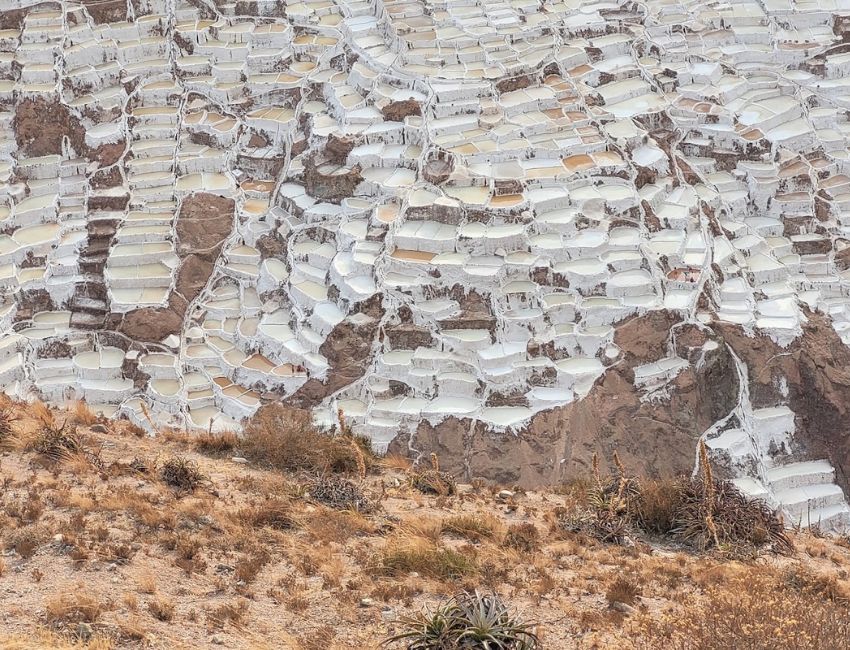
The Maras Salt Ponds are made up of thousands of pools fed by a saltwater spring. Their appearance is not identical every day or in every season. The light, the water level, the work in each pool, and the rains all influence the tones and textures the traveler will see.
What is the best season to visit the Maras Salt Ponds?
The dry season, from May to October, usually offers the most favorable weather conditions for visiting the Maras Salt Ponds. The days tend to be clearer and rain is less frequent, which makes the trip from Cusco or the Sacred Valley easier and lets you take in the landscape more fully.
The choice depends on each traveler’s priorities. Those looking for clearer skies and stable conditions for photography tend to prefer the dry season. Those who value green landscapes or want to avoid part of the tourist crowd may consider the rainy season, especially outside of holidays and high-demand dates.
Visiting the Maras Salt Ponds in the dry season
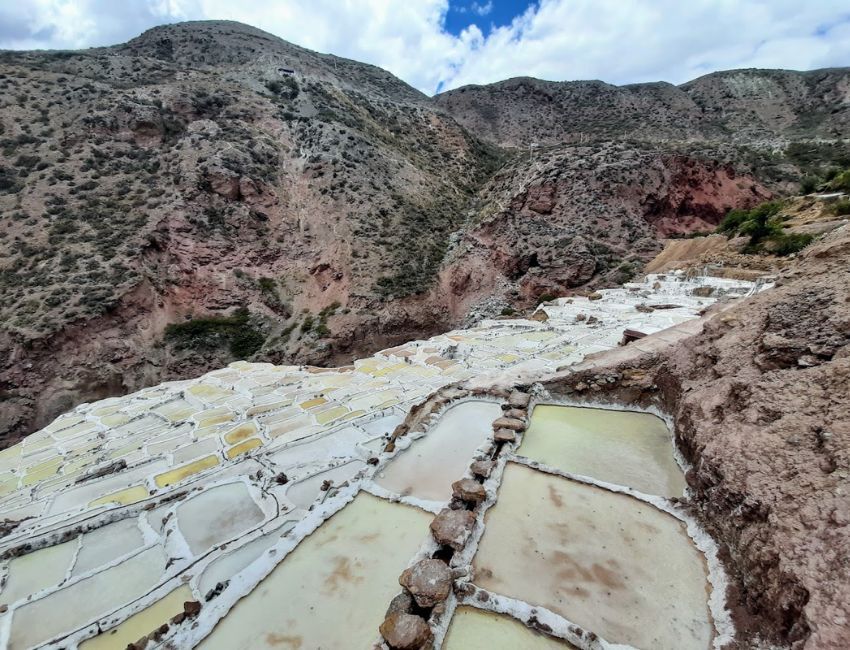
The dry season generally runs from May to October. It is marked by less frequent rainfall, sunny days, and temperatures that can drop quite a bit during the night and the early morning hours. The sun can feel intense even when the air is cool.
These conditions tend to make touring the viewpoints and designated trails more comfortable. They also favor the evaporation of the saltwater in the pools, a process related to the formation of the salt crystals. Even so, the specific state of each pool depends on the management carried out by the producing families.
Weather and the state of the pools
With less rain and more sun exposure, the water in the pools tends to evaporate more easily. This can make it possible to see the white surfaces or the salt deposits that form during the crystallization process more clearly.
The appearance varies from pool to pool because not all of them are in the same production stage. Some may have more water, others may show visible crystals, and others may be under maintenance. For that reason, it is best not to expect the whole set to have a single color or a uniform look.
Advantages of traveling between May and October
Between May and October there tend to be clearer days, good visibility of the surroundings, and less muddy paths. These conditions help those who want to combine Maras with Moray or other places in the Sacred Valley in a single day.
It is also a favorable time for taking photos with well-defined light and a lower chance of rain during the tour. The trade-off is that it coincides with the high tourist season in Cusco, so the crowds can grow, especially between June and August.
Disadvantages of the dry season
The main disadvantage is the larger presence of visitors. Organized groups, tour vehicles, and independent travelers tend to concentrate during the middle hours of the day, especially during school vacations, weekends, and holidays.
Mornings and nights can be cold, while at midday the solar radiation is strong. A common mistake is bringing only light clothing because the day looks clear. The most practical approach is to dress in layers to adapt to the temperature changes.
Visiting the Maras Salt Ponds in the rainy season
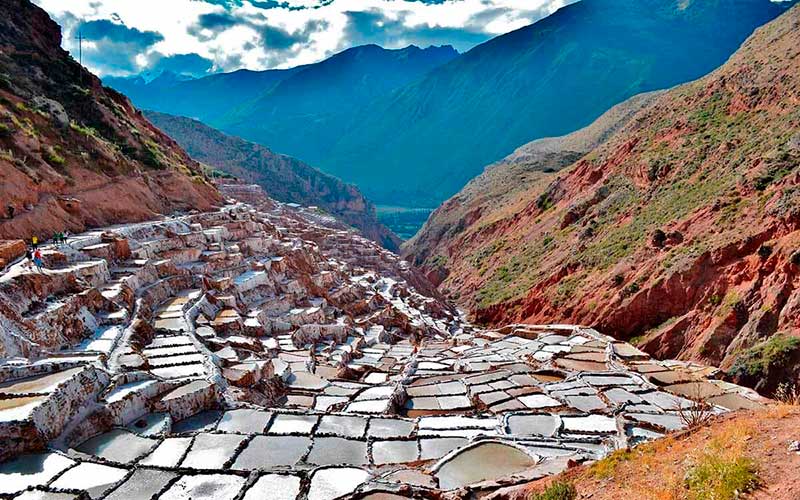
The rainy season usually runs from November to April, with the heaviest rain typically between January and March. During these months the Sacred Valley landscape takes on greener tones, but sudden rains, cloud cover, and quick changes in trail conditions can also occur.
Visiting the salt ponds at this time is possible, though it requires more flexibility. Rainfall can change the look of the pools and affect the comfort of the tour. It is a good idea to leave room in your itinerary, check the forecast, and avoid fully relying on a sunny morning.
Weather and trail conditions
In the rainy season, short or prolonged rainfall can occur, even if the day starts clear. Dirt and stone surfaces can become wet or slippery, so it is recommended to walk carefully and respect the marked areas.
Before setting out, check the local forecast and bring footwear with good traction. A light rain jacket is more useful than an umbrella in open areas, since it leaves your hands free to walk and steady yourself on trails with uneven ground.
Changes in the landscape and the pools
The rains make the nearby hills and fields look greener. In exchange, the cloud cover can reduce the direct light and change how the colors in the pools are perceived. For some travelers, this setting offers photos with contrasts different from those of the dry season.
Rainwater can change the level, the color, and the appearance of the pools. You should not assume that all of them will be active or that they will look the same during a visit. Production follows its own rhythms, and each pool may be in a different phase.
Advantages of traveling in the rainy season
One advantage is the greener landscape around Maras, especially after periods of rain. There may also be fewer visitors outside of Christmas, New Year, Holy Week, and other high-demand holidays.
Those traveling on flexible dates can take advantage of moments of good light between rain showers. To do so, it is advisable to plan the visit early and bring protection for cameras, phones, and documents. Fewer people does not mean the place will be empty, but it can allow for a more unhurried tour on certain days.
What is the best month to visit the Maras Salt Ponds?
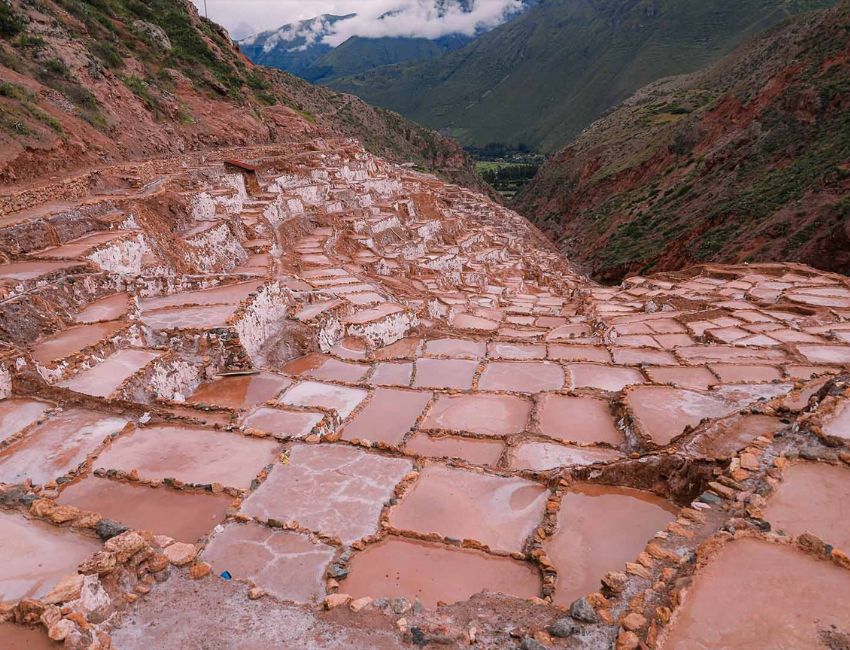
There is no single perfect month for all travelers. May, June, September, and October tend to offer a favorable balance of relatively dry weather, visible landscapes, and crowds that can be more manageable than in the peak months of international vacations.
June can have very clear days, though it also receives many visitors because of the high season in Cusco. May and October are transition months that can combine pleasant conditions with less saturation compared to July and August. September usually keeps a good chance of dry days, though changes in the weather may already appear toward the end of the month.
What is the best time of day to visit the Maras Salt Ponds?
The early morning hours tend to be a good option for finding fewer visitors, moderate temperatures, and enough time to tour without rushing. The afternoon can also offer good light, but you need to factor in the return trip and weather changes, especially between November and April.
The official opening hours can change based on local rulings, maintenance, or the season. It is a good idea to verify them before traveling and to arrange your return transport in advance, especially if you visit Maras on your own from Cusco or the Sacred Valley.
Visiting the salt ponds in the morning
During the early hours there are usually fewer groups at the viewpoints and visitor paths. The temperature can be cool, especially during the dry season, but walking is more comfortable before the solar radiation increases.
The morning light can be favorable for observing the contours of the pools and taking photos without as many people around. Bring a warm layer you can put away later, along with sunscreen, since the sun gains intensity quickly.
Visiting the salt ponds in the afternoon
The afternoon light can highlight the textures, the changes in elevation, and the color variations in the pools. It is an interesting option for photography, as long as you have enough time to complete the tour and return without rushing.
During the rainy season, conditions can change quickly in the afternoon. If dark clouds form or it starts to rain, it is better to prioritize safety while walking. Also check that the transport you hired waits for the agreed amount of time.
How does the weather affect salt production?
Salt production depends on the evaporation of the saltwater that flows toward the pools. When there are dry, sunny days, the water evaporates faster and crystal formation is favored. This process is one of the factors that explains why the dry season tends to be favorable for observing certain production stages.
Rain does not necessarily stop all activity, but it can alter the pace of work. The water level rises, the salt concentration can vary, and crystallization can progress more slowly. For that reason, the appearance of the salt ponds is tied both to the weather and to the work carried out in each pool.
Salt production during the dry season
The solar radiation and the low frequency of rain make it easier for the water in the pools to evaporate. As the water decreases, the salt concentrates and crystals can form that are later gathered according to the producers’ work schedule.
For the visitor, this can mean a greater chance of observing surfaces with salt deposits. However, not all the pools are harvested at the same time. Respecting the access limits and not walking on the structures is an essential part of a responsible visit.
Salt production during the rainy season
Rainfall can dilute the water in the pools, raise its level, and reduce the rate of evaporation. As a result, the crystallization process can be slower or show changes compared with the dry months.
This does not mean the salt ponds lose their visual appeal. The set can show reflections, different tones, and a greener setting. The difference is that the traveler should adjust their expectations and understand that salt production responds to variable natural conditions.

When are there fewer tourists at the Maras Salt Ponds?
The smaller crowds usually occur during the low season, between November and March, outside of holidays and festive dates. It is also more likely to find fewer visitors on weekdays and during the first opening hours.
Weekends, Holy Week, the Fiestas Patrias, Christmas, and New Year can increase the number of travelers, even in rainy months. If you are looking for a quieter tour, avoid arriving at midday and try not to schedule your visit on the dates of heaviest tourist activity in Cusco.
Tips for visiting the Maras Salt Ponds by season
Cusco’s weather can change quickly at any time of year. Dressing in layers, bringing water, and protecting yourself from the sun are useful measures in both the dry season and the rainy months. It is also a good idea to wear non-slip footwear, since some stretches can have uneven surfaces.
Do not enter the pools or leave the authorized routes to get photos. Beyond avoiding accidents, this practice helps protect a workspace that is still used for salt production. If you need to arrange transport, schedules, or a route that includes Maras and Moray, Incredible Peru Tours can guide you with that logistics before your trip.
What to bring during the dry season
During the dry season, bring sunscreen, a hat or cap, sunglasses, and enough water. Sun exposure can be intense, even on days with cold wind. A light long-sleeve layer can also help protect your skin.
Wear light clothing for the day, but add a jacket or warm layer for the morning and the late afternoon. If you leave Cusco early, you will feel lower temperatures before the sun warms the surroundings.
What to bring during the rainy season
In the rainy season, include a rain jacket, a waterproof case or bag for electronic devices and documents, and footwear with good traction. An umbrella can help during short stops, but it does not replace a waterproof garment during the tour.
If your itinerary continues to other places after Maras, bring a change of clothes or at least extra socks. Avoid smooth-soled footwear, since wet paths can be slippery. Keep your phone and camera protected even if the rain seems light.
Frequently asked questions about the best time to visit the Maras Salt Ponds
These answers help resolve common questions before choosing the date and time of your visit. Conditions can vary depending on the day’s weather and the activity in the pools.
Can the Maras Salt Ponds be visited year-round?
Yes, the Maras Salt Ponds can be visited year-round. The difference lies in the weather, the condition of the paths, and the appearance of the pools.
In the dry season there is less rain, while in the wet months the landscape tends to look greener and the pools can change in appearance.
When are there fewer tourists?
There are usually fewer visitors during the low season, mainly between November and March, outside of holidays. Weekdays also tend to be quieter.
To reduce the crowds, it is best to arrive in the early morning hours and avoid weekends or festive dates in Cusco.
In which season are the salt pools best observed?
During the dry season it is usually easier to observe the evaporation and the salt deposits, thanks to the greater sun exposure and the lower frequency of rain.
The exact appearance depends on the work done in each pool. Not all of them have the same water level or the same amount of crystals.
Is it advisable to visit the salt ponds during the rainy season?
Yes, it is possible to visit the salt ponds during the rainy season. The traveler should be prepared for rainfall, temperature changes, and wet paths.
A rain jacket, non-slip footwear, and a flexible itinerary make the visit more comfortable during those months.
What clothing should you bring by season?
Year-round, it is recommended to dress in layers, because temperatures can vary between the morning, midday, and afternoon.
In the dry season, add sun protection and a light jacket. In rainy months, prioritize waterproof garments and footwear with good traction.
What is the best time of day to take photos?
The morning and the late afternoon hours usually offer softer light for photographing the pools and their contours. In the morning there may also be fewer people.
The final lighting depends on the cloud cover and the day’s weather conditions. In the rainy season, it is a good idea to anticipate possible changes in light and rainfall.


