
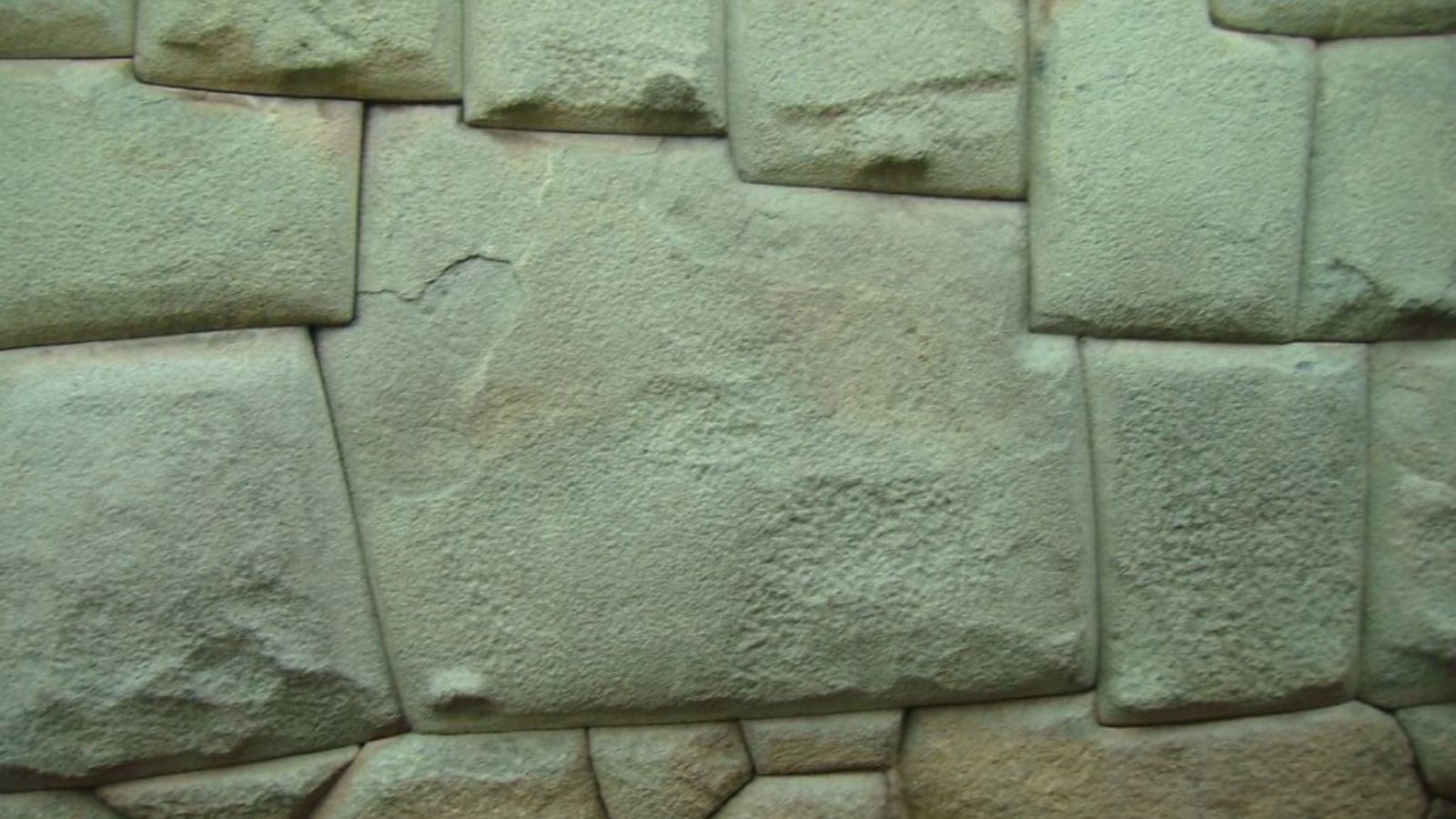
Just a few steps from Cusco’s Plaza de Armas, there’s a narrow street where almost every traveler stops, pulls out their phone, and starts counting corners. This is Hatun Rumiyoc, and one of its walls features the 12-Angled Stone, the most famous example of the precision of Inca stonework.
In this guide, we’ll explain who originally owned the wall, what makes the stone so special, how to get there on foot from the city center, and what else you can see nearby before continuing to San Blas.
History of Hatun Rumiyoc and Inca Roca’s Palace
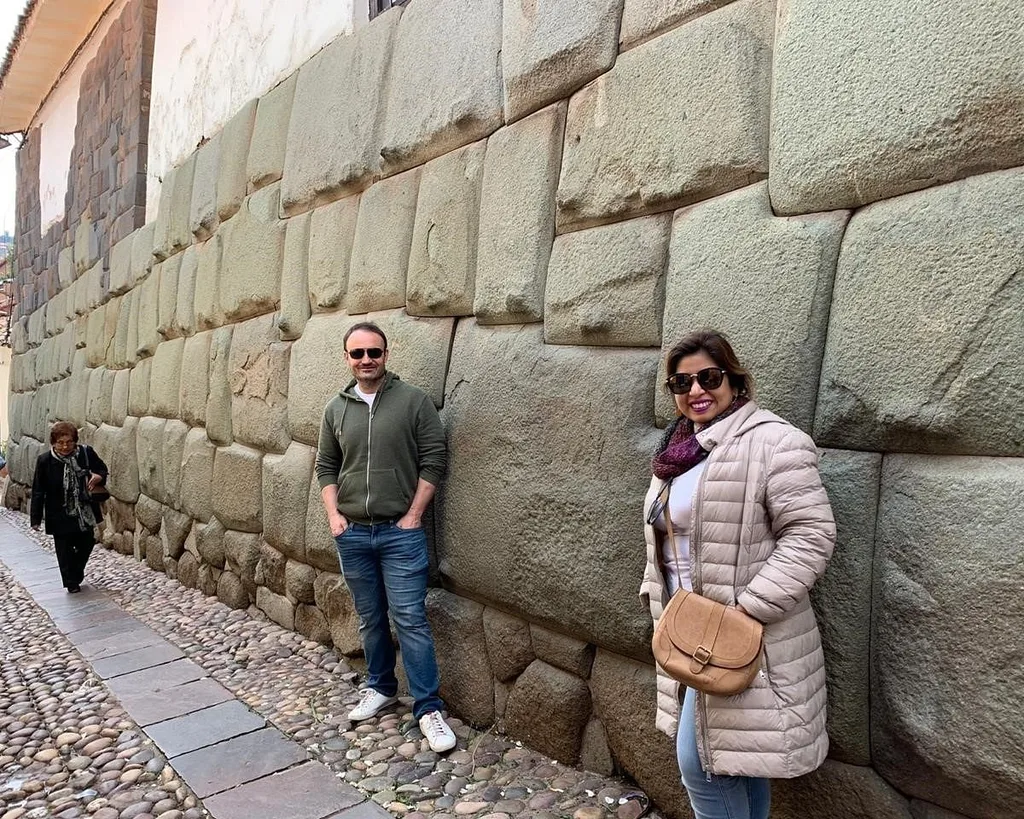
The wall along Hatun Rumiyoc was part of a palace attributed to Inca Roca, the sixth ruler of Cusco. Its Quechua name is commonly translated as “the one with the large stone,” referring to the massive blocks that make up the wall.
From an Inca Palace to a Colonial Mansion
After the Spanish arrived, a colonial mansion was built on the Inca foundations. It belonged to the Marquises of San Juan de Buenavista and Rocafuerte. Over time, the building passed into the hands of the Church and became the Archbishop’s Palace.
What’s Inside the Building Today
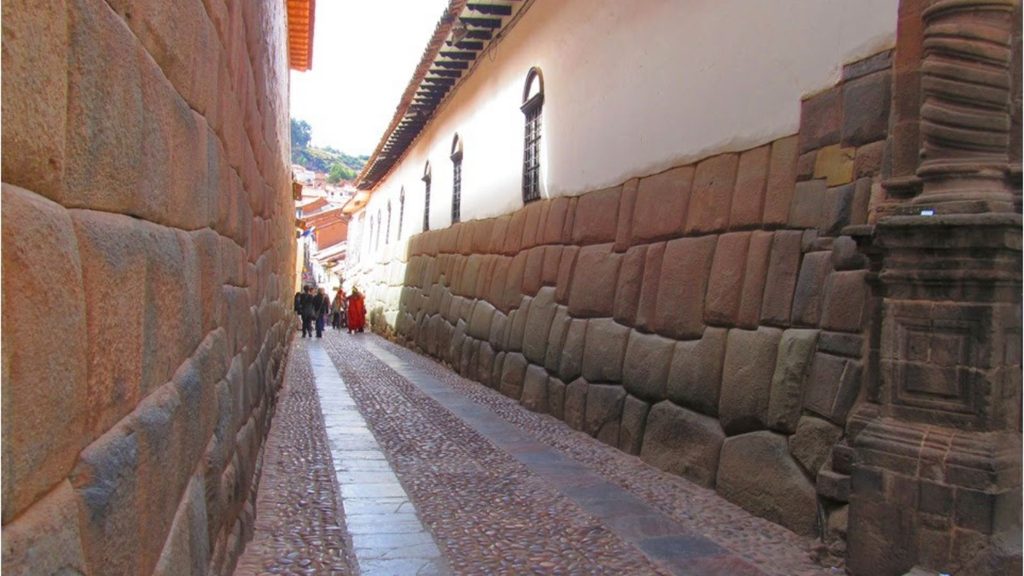
Today, the building houses the Religious Art Museum, featuring paintings from the Cusco School, sculptures, colonial furniture, and liturgical objects. From the street, you can see how the two eras come together: the Inca wall below and the colonial balconies above.
| Period | What Stood Here |
|---|---|
| Inca | Palace attributed to Inca Roca |
| Colonial | Mansion belonging to the Marquises of San Juan de Buenavista and Rocafuerte |
| Today | Archbishop’s Palace and Religious Art Museum |
The 12-Angled Stone: Why Is It So Famous?
It’s a block of green diorite with twelve corners that fit perfectly against the surrounding stones, with no gaps. It has been designated part of Peru’s National Cultural Heritage and is the most photographed stone in the entire wall.
An Extremely Difficult Stone to Work With
Diorite is a very hard igneous rock, which is why the Incas reserved it for important buildings. Shaping it with stone and bronze tools and achieving such precise joints required technical expertise that still amazes architects and engineers today.
It’s Not the Only Stone With So Many Corners
Other Inca stones in Cusco have the same number of angles or even more. This one became the most famous because of its size, craftsmanship, and location on a busy street in the historic center.
What the Interpretations Suggest
| Question | Common Explanation |
|---|---|
| Why twelve angles? | One popular interpretation connects them to the organization of Cusco’s noble families, although there is no proven explanation. |
| How do the stones fit together so well? | Stonemasons adjusted each block by repeatedly testing and polishing its surfaces until they matched the neighboring stones. |
| Why does the wall withstand earthquakes? | The polygonal shapes and slight inward slope of the wall help distribute the forces generated by seismic movement. |
Look for Shapes in the Wall
Guides often point out that the outline of a puma can be seen in the arrangement of some stones along the same wall. Ask a guide about it or join a guided group to have someone show you.
Location and How to Get There From Plaza de Armas
Hatun Rumiyoc is about a five-minute walk from Plaza de Armas, on the way to the San Blas neighborhood. Because it’s a public street, you can visit at any time for free.
Step-by-Step Walking Directions
- From Plaza de Armas, head to the side of the Cathedral near the Church of El Triunfo.
- Take Triunfo Street uphill toward San Blas.
- Keep going straight. On the next block, the street becomes Hatun Rumiyoc.
- Walk along the Inca wall until you see visitors gathered in front of the stone.
Visitor Information
| Information | Details |
|---|---|
| Location | Hatun Rumiyoc Street, Cusco Historic Center |
| Distance from Plaza de Armas | About a five-minute walk |
| Hours | Accessible at any time, as it is a public street |
| Admission to the street | Free |
| Religious Art Museum | Monday through Saturday; paid admission at the museum |
| City elevation | 11,152 feet (3,399 meters) above sea level |
Visit During the Day and at Night
During the day, you can appreciate the greenish color of the diorite. At night, the street lighting highlights the edges of the stones, and there are fewer people around when you want to take photos.
What Else to See Nearby and Tips for Your Visit
Hatun Rumiyoc is a natural stop on a walking route between Plaza de Armas and San Blas. You can visit several other attractions within just a few minutes’ walk.
Nearby Attractions
| Place | Why Visit |
|---|---|
| Religious Art Museum | Colonial paintings and an interior courtyard with arches, inside the same building as the wall |
| San Blas Neighborhood | Steep streets, artisan workshops, and viewpoints overlooking the city |
| Inca Roca Alley | A side passage next to the palace, with more Inca walls and fewer crowds |
| Cathedral and Plaza de Armas | The starting point for the walk, just one block away |
Tips for Your Visit
- Don’t touch the stone. It’s protected as cultural heritage, and repeated contact from thousands of hands wears down its surface.
- Be aware of costumed performers. You may see someone dressed as an Inca posing for photos in exchange for a tip.
- Keep an eye on your belongings. The street is narrow and often crowded with tour groups, especially in the late morning.
- Walk slowly uphill toward San Blas. You’ll feel the incline more at this elevation.
Include It in Your Cusco Itinerary
A Cusco city tour often includes Hatun Rumiyoc along with Qorikancha, the Cathedral, and nearby archaeological parks. If you’re spending several days in Peru, a Cusco and Machu Picchu tour package gives you time to explore the historic center at a relaxed pace before continuing to the ancient citadel.
Frequently Asked Questions
How Much Does It Cost to See the 12-Angled Stone?
Nothing. It’s on a public street, so you can see it for free at any time.
What Does Hatun Rumiyoc Mean?
In Quechua, it’s commonly translated as “the one with the large stone,” referring to the massive blocks in the wall.
What Is the Stone Made Of?
Green diorite, a very hard igneous rock that the Incas used in their most important buildings.
Who Did the Wall Belong To?
It belonged to a palace attributed to Inca Roca, the sixth ruler of Cusco. Today, it’s part of the Archbishop’s Palace.
Is the Religious Art Museum Included in the Cusco Tourist Ticket?
No. Admission must be purchased separately at the museum.


