
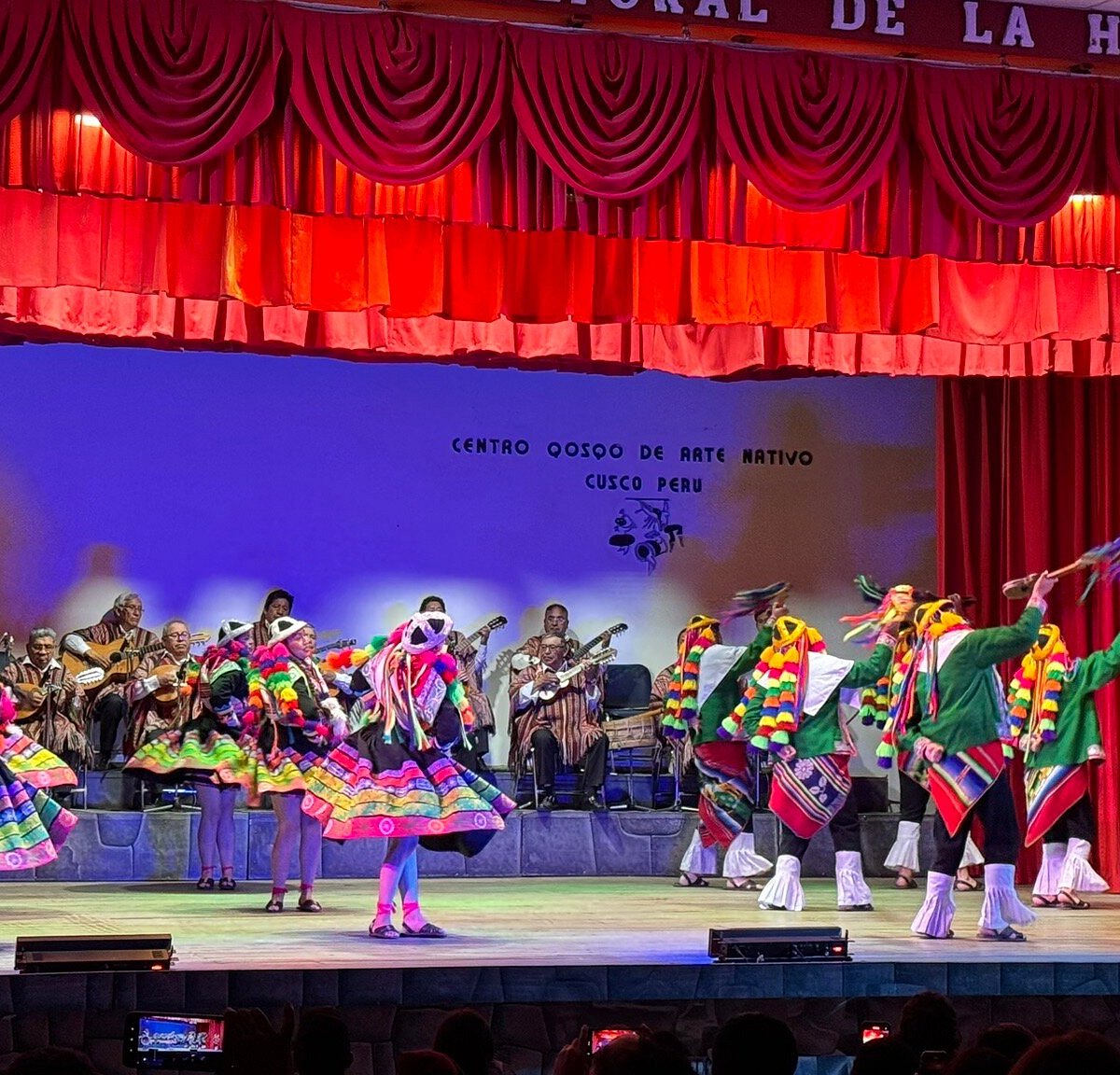
As evening falls in Cusco, after a day exploring temples, museums, and cobblestone streets, there is still another way to experience the city: through its music and dance. Every night at the Qosqo Center of Native Art, musicians and dancers bring community celebrations to the stage, sharing traditions that many travelers never encounter on typical tours.
In this guide, you will learn about this cultural center, what to expect during the performance, when the show starts, how to enter with the Cusco Tourist Ticket, and how to fit this experience into your itinerary to make the most of your evenings in the city.
What Is the Qosqo Center of Native Art?
It is the first institution in Peru dedicated to collecting and preserving the traditional music and dances of Cusco. Founded on November 6, 1924, it now maintains a repertoire of more than 50 dances and over 100 melodies from the region.
A Century of History on Stage
The center was founded by Luis Alberto Pardo Durand. During its early years, the group was known as Centro Musical Cusco. In 1933, it adopted the name it uses today.
Over time, its performers toured Lima and other countries. In 1966, they recorded their first full length album, Qosqo Taquiyninchis, a Quechua title referring to the songs of Cusco.
More Than a Show for Tourists
You will not see dances invented just for tourists. Each performance has roots in a religious festival, agricultural work, or social commentary that local communities have kept alive for generations. The center serves as a living archive, researching traditions, preserving costumes and instruments, and passing that knowledge on to new dancers and musicians.
What to Expect During the Performance
The show lasts about an hour and combines traditional dance, live music, and colorful costumes. The program changes from night to night, so visitors attending on different days may see different dances.
Dances You May See During the Show
| Dance | What It Represents | What to Look For |
|---|---|---|
| Tarpuy | Working the land and planting crops | Movements that imitate plowing and sowing seeds |
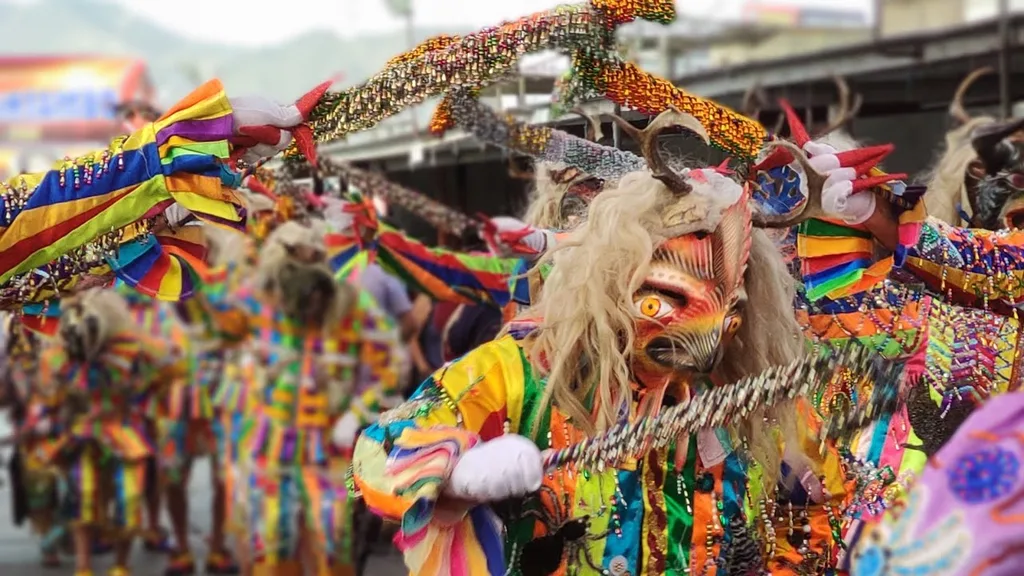
| Saqra | Mischievous little devils | Elaborate masks and quick spins across the stage |
| Siqlla | A satire of judges and lawyers during the colonial period | Exaggerated gestures and playful social commentary |
Live Music
An orchestra accompanies each dance on stage. You will hear wind instruments such as quenas and panpipes alongside string and percussion instruments, playing melodies that have often been passed down through oral tradition.
Traditional Costumes and Masks
Each outfit represents a province, community, or character. The colors, embroidery, and hats are more than decoration. They reveal where a dance comes from and the role each performer plays in the story.
A Chance to Join In
During some dances, performers invite audience members onto the stage. If you feel like joining, it is a fun way to end the evening. If you would rather watch, there is no pressure to participate.
Practical Information for Your Visit
The show starts every evening at 7:00 p.m., and the doors open at 6:30 p.m. Here are the key details to help you plan your evening.
| Information | Details |
|---|---|
| Location | El Sol Avenue, about a 10 minute walk from Plaza de Armas |
| Showtime | Daily at 7:00 p.m. |
| Doors open | 6:30 p.m. |
| Duration | Approximately 1 hour |
| Admission | Included with the Full Cusco Tourist Ticket or Circuit II Ticket, or available separately at the venue |
| Children | Children ages 6 and older pay admission because they occupy a seat |
| City elevation | 11,152 feet (3,399 meters) above sea level |
Before the Show Begins
If you arrive half an hour early, you can explore the center’s small exhibit of traditional costumes and musical instruments. It is a great opportunity to see the outfits up close before recognizing them on stage.
How to Visit With the Cusco Tourist Ticket
The Qosqo Center of Native Art is included in the Cusco Tourist Ticket. If you already have a valid ticket, admission to the show is covered. You can use either the Full Tourist Ticket or the Circuit II Partial Ticket.
Which Tourist Ticket Should You Choose?
| Ticket | Price for Foreign Adults | Validity | Includes the Show |
|---|---|---|---|
| Full Tourist Ticket | S/ 130 | 10 days | Yes |
| Circuit II Partial Ticket | S/ 70 | 2 days | Yes |
| Circuit I or III Partial Ticket | S/ 70 | 1 or 2 days | No |
Peruvian visitors and students qualify for reduced rates. Prices may change, so it is best to confirm current rates with COSITUC, the organization that manages the tourist ticket, before your trip.
What Else Is Included in Circuit II?
In addition to the show, Circuit II provides admission to the Qorikancha Site Museum, Regional History Museum, Contemporary Art Museum, Popular Art Museum, Pachacutec Monument, and the archaeological parks of Tipon and Pikillaqta. If you enjoy museums, you can easily fill two days of sightseeing with this ticket.
Where to Buy Your Ticket
The main COSITUC office is located on El Sol Avenue in downtown Cusco. Bring your passport or another form of identification and cash in Peruvian soles.
Tips for Enjoying Your Evening
Arrive before 6:45 p.m. to find a good seat and avoid entering after the performance has begun. A few other simple tips can make your visit even more comfortable.
- Dress warmly. Cusco evenings are chilly for much of the year, especially from May through August, and the theater can feel cool.
- Keep your ticket handy. Staff will check it at the entrance and mark the corresponding section. Lost tickets are not replaced.
- Ask about photos. Photography and video rules may vary. Check with staff when you arrive and avoid using flash during the dances.
- Plan your dinner. When the show ends around 8:00 p.m., you will find several restaurants along El Sol Avenue and near Plaza de Armas.
- If you are traveling with children, the one hour format and live music will often keep them engaged throughout the performance.
How to Fit the Show Into Your Cusco Itinerary
Because the show takes place in the evening, it will not interfere with your daytime excursions. The best option is to attend on a day when you expect to return to Cusco before 6:00 p.m.
After Exploring Cusco
A great option is to take an afternoon Cusco city tour, visit Qorikancha and nearby archaeological sites, and end your day at the dance show. It is a wonderful way to connect the city’s ancient stone structures with the music and traditions that remain alive today.
After Returning From the Sacred Valley
If you take a Sacred Valley of the Incas tour, you will usually return to Cusco in the late afternoon. If you get back early enough, you can still make the show. Otherwise, plan to attend the following evening.
During Your First Days of Acclimatization
The show is a relaxed activity that does not require walking or physical exertion. That makes it a great choice for your first evenings in Cusco while your body adjusts to the altitude.
Frequently Asked Questions
Is There a Show Every Day?
Yes. The Qosqo Center of Native Art presents its dance show every evening at 7:00 p.m.
Can I Attend Without a Tourist Ticket?
Yes. If you do not have a tourist ticket, you can purchase admission directly at the venue before the show.
How Long Does the Show Last?
Approximately one hour, with live music throughout the performance.
Is the Program Always the Same?
No. The dances vary from day to day, which is why some travelers attend more than once during their stay.
Is the Show Suitable for Children?
Yes. It is a short, colorful experience that requires no physical effort. Children ages 6 and older pay admission because they occupy a seat.
Do I Need to Make a Reservation in Advance?
Usually not, but during peak travel season, arriving early is recommended so you can get a good seat.


