
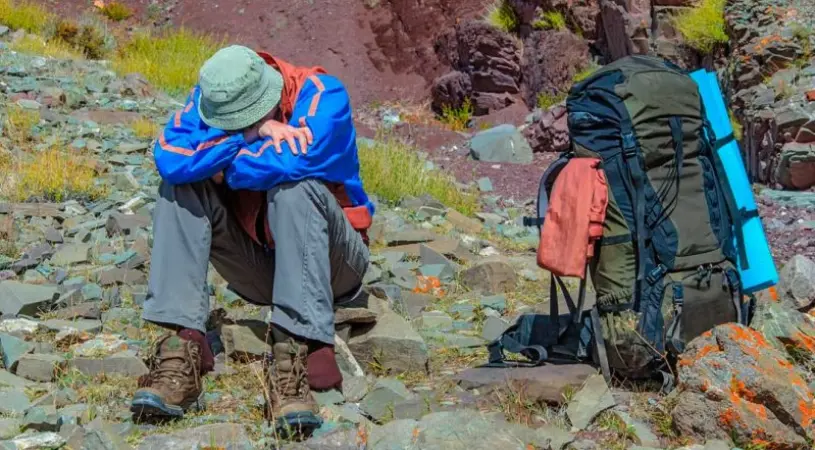
The Inca Trail to Machu Picchu crosses elevations above 4,200 meters above sea level, where the oxygen available is approximately 40 percent lower than at sea level. This reduction in oxygen can cause altitude sickness, known in Peru as soroche, a condition that can affect travelers regardless of age, gender, or physical fitness. Understanding how this physiological adaptation works and what steps to take can make the difference between a memorable experience and days of discomfort that ruin your adventure to the Inca citadel.
What Altitude Sickness Is and Why It Happens
Altitude sickness, known in Peru as soroche, is your body’s response to the lower availability of oxygen at high elevations. As you climb higher, atmospheric pressure decreases, and with it the number of oxygen molecules entering your lungs with each breath. Your body needs oxygen to produce energy in the cells, and when oxygen becomes scarce, different systems begin to show signs of stress.
The brain is especially sensitive to a lack of oxygen. In response to lower oxygen saturation, the blood vessels in the brain dilate in an attempt to increase blood flow, creating pressure inside the skull and causing the characteristic headache of altitude sickness. At the same time, your heart beats faster to compensate by pumping more blood, and your lungs increase your breathing rate in an attempt to capture more oxygen from the thin air.
What many travelers do not understand is that the speed of ascent matters more than the final altitude. Climbing too quickly does not give your body enough time to activate the acclimatization mechanisms it needs. Your body requires time to increase the production of red blood cells that carry oxygen, adjust the blood pH altered by hyperventilation, and modify the permeability of cell membranes. These complex physiological processes take days, not hours.
Symptoms You Need to Recognize
Recognizing the symptoms of altitude sickness early allows you to take action before the condition gets worse. Initial symptoms typically appear between 6 and 12 hours after reaching a new altitude, although they can show up faster during very abrupt ascents.
Mild symptoms include headache that can range from moderate to intense, especially in the forehead and temples, nausea without vomiting, loss of appetite that makes food seem unappealing, fatigue that feels out of proportion to the effort made, mild dizziness when standing up quickly, and difficulty sleeping with frequent awakenings during the night. Many people also experience a general feeling of discomfort that is hard to describe, as if they were coming down with the flu.
Moderate symptoms represent a worsening that requires immediate attention: severe headache that does not respond to common pain relievers, repeated vomiting that prevents you from keeping down fluids or food, marked weakness that makes walking difficult, obvious loss of coordination when doing simple movements, and mild mental confusion with trouble concentrating or making decisions.
Severe symptoms are medical emergencies that require immediate descent and professional care: severe shortness of breath even at rest, cough with pink or frothy sputum indicating pulmonary edema, significant disorientation where the person does not recognize where they are or what day it is, inability to walk in a straight line, and extreme drowsiness progressing toward loss of consciousness. These symptoms indicate high-altitude cerebral edema or pulmonary edema, both potentially life-threatening conditions.
Elevations on the Classic Inca Trail
Understanding the elevation profile of the Inca Trail helps you anticipate where your body will face the greatest challenge. The route is not a gradual ascent, but a series of climbs and descents through different ecological zones.
Day 1 – Km 82 to Wayllabamba: you start at Kilometer 82 at 2,720 meters (8,923 feet) and hike with a gentle ascent to Wayllabamba at 3,000 meters (9,842 feet). This first day is deceptive because you usually feel fine, the effort is moderate, and altitude symptoms generally do not appear yet. However, you are already beginning the acclimatization process.
Day 2 – Wayllabamba to Pacaymayo: this is the most physically and altitudinally demanding day. You climb from 3,000 meters to Warmiwañusqa Pass (Dead Woman’s Pass) at 4,215 meters (13,828 feet), the highest point of the entire trek. During this climb of approximately 1,200 meters of elevation gain, many hikers experience their first significant symptoms of soroche. Afterward, you descend sharply 600 meters to the Pacaymayo camp at 3,600 meters (11,811 feet). This descent usually provides immediate relief from symptoms.
Day 3 – Pacaymayo to Wiñay Wayna: the day begins with a moderate ascent to the second pass at 3,950 meters (12,959 feet), followed by gradual descents into lower zones. You reach Wiñay Wayna at 2,650 meters (8,694 feet), where most people already feel considerably better thanks to the lower elevation.
Day 4 – Wiñay Wayna to Machu Picchu: the last stretch descends to Machu Picchu at 2,430 meters (7,972 feet), an elevation where almost all symptoms of altitude sickness have disappeared and you feel renewed energy.
Acclimatizing in Cusco Before the Trek
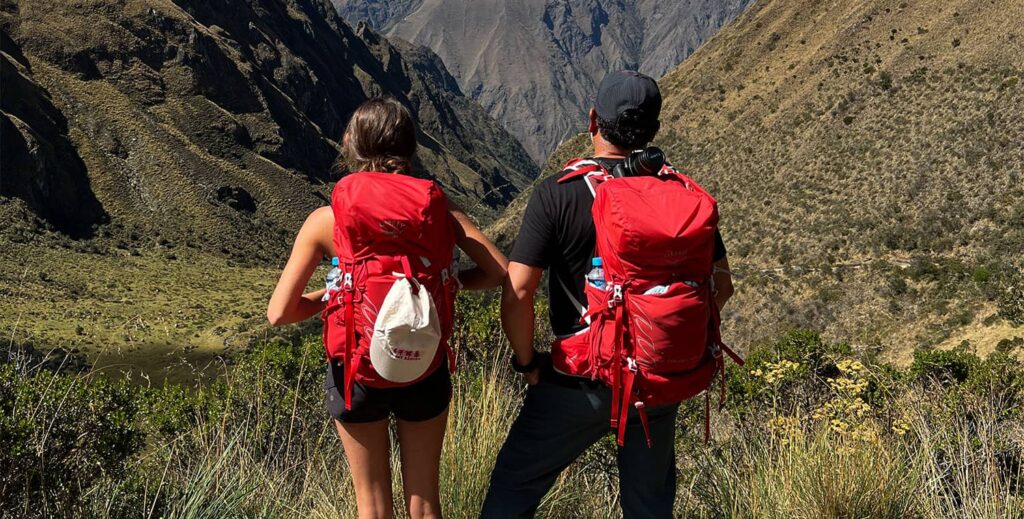
Arriving in Cusco and immediately heading onto the Inca Trail is the most common mistake impatient travelers make. Cusco sits at 3,400 meters (11,152 feet), already a significant elevation that requires adaptation. Taking time to acclimatize there before the trek dramatically reduces the risk of severe altitude sickness during the hike.
First day in Cusco: take it extremely easy. After arrival, rest at your hotel, walk slowly around the historic center without rushing, and avoid intense physical effort such as running up stairs or carrying heavy backpacks. Your body is beginning complex physiological adaptations that require energy. Eat lightly, stay constantly hydrated with water or herbal infusions, and consider going to bed early. Many visitors feel a mild headache that first night, which is completely normal.
Second day: if you feel well, take short walks around the city and visit nearby places such as San Blas or the Cristo Blanco viewpoint. Walk at a relaxed pace, stopping frequently to rest and breathe deeply. Drink coca tea several times during the day. If you have a persistent headache, rest more and consider taking acetaminophen.
Third day: this is ideal for a Sacred Valley excursion to places such as Pisac, Ollantaytambo, or Moray. These sites sit at elevations between 2,800 and 3,000 meters (9,186 to 9,842 feet), lower than Cusco, which allows your body to “practice” functioning at altitude with less stress. Returning to sleep in Cusco at the higher elevation speeds up acclimatization by following the principle of “climb high, sleep low.”
Fourth day or more: if you have the luxury of extra time, consider visiting Ausangate or taking a day hike to Humantay Lake. These excursions briefly expose you to higher elevations, above 4,000 meters, and then you descend again, which is perfect preparation for the second day of the Inca Trail.
Strategic Hydration
Water is your most important ally against soroche, but effective hydration goes beyond drinking only when you feel thirsty. At altitude, your body loses fluids more quickly in several ways: faster and deeper breathing that expels moisture with every exhalation, increased urine production as your body eliminates bicarbonate to adjust blood pH, and sweating during hikes.
Before the trek: start hyper-hydrating two days before beginning the Inca Trail. Drink between 3 and 4 liters of water daily. A reliable indicator of proper hydration is the color of your urine, which should be almost clear or very pale yellow. Dark yellow or concentrated urine indicates dehydration.
During the hikes: carry at least 2 liters of water in your daypack and refill whenever possible. Porters carry additional water to the camps. Drink small sips constantly every 15 to 20 minutes instead of large amounts spaced far apart. On the hardest day, climbing to Warmiwañusqa, plan to consume between 3 and 4 liters total.
At camp: keep drinking water even after arriving at camp and up until bedtime. Hot herbal teas such as coca tea, chamomile, or muña count toward your total hydration and also provide comforting warmth after a cold day in the mountains.
Electrolytes: water alone is not enough if you sweat heavily. Bring oral rehydration salts or effervescent electrolyte tablets. Alternating plain water with electrolyte water helps prevent hyponatremia, an excessive dilution of sodium in the blood that can occur when you drink huge amounts of water without replacing salts.
Proper Nutrition at Altitude
What you eat during the Inca Trail significantly affects how you feel. At altitude, your digestive system works more slowly, and some foods you normally tolerate well can cause problems.
Carbohydrates as your main fuel: your body metabolizes carbohydrates more efficiently under low-oxygen conditions compared to fats or proteins. Potatoes, rice, quinoa, pasta, and bread should make up the base of your meals. Complex carbohydrates provide steady energy without overloading digestion.
Moderate protein: include lean proteins such as chicken, fish, or eggs, but in moderate portions. Protein is important for muscle recovery after long hiking days, but too much protein requires more oxygen to metabolize and produces more waste that your kidneys must process.
Limit heavy fats: avoid fried foods, very fatty meats, or rich creamy sauces. Fats require prolonged digestion, which diverts blood flow to the stomach instead of the muscles and brain. Slow digestion can also worsen nausea.
Eat frequently in small portions: instead of three large meals, aim for five or six smaller ones. This keeps energy levels stable without overloading your already stressed digestive system. During the hike, snacks every two hours such as dried fruit, energy bars, chocolate, or nuts help keep your blood sugar stable.
Foods that are especially useful: coca, consumed as tea or by chewing the leaves, has been used by Andean peoples for centuries to combat soroche. Raw garlic or garlic capsules have properties that some studies suggest may improve oxygenation. Ginger helps with nausea. Fruits such as oranges and mandarins, rich in vitamin C, support your immune system, which is stressed by altitude.
Medications and Supplements
Acetazolamide (Diamox): this medication is the medical standard for preventing altitude sickness. It works by acidifying the blood, which stimulates deeper breathing and improves oxygenation. The typical preventive dose is 125 to 250 mg twice a day, starting one or two days before ascent and continuing through the first two or three days at altitude.
Side effects include increased urination, which contributes to dehydration if you do not compensate by drinking more, tingling in the fingers and toes, and a metallic taste in carbonated beverages. Acetazolamide is a sulfonamide, so people allergic to sulfa drugs should not use it.
Ibuprofen or acetaminophen: useful for headaches associated with mild altitude sickness. Ibuprofen also has anti-inflammatory properties. Typical doses are 400 to 600 mg of ibuprofen or 500 to 1,000 mg of acetaminophen every 6 to 8 hours as needed.
Dexamethasone: a corticosteroid reserved for more severe cases of altitude sickness. It should not be used preventively, only when moderate to severe symptoms are present. It works by reducing brain inflammation. It must be prescribed by a doctor and used only under supervision.
Ginkgo biloba: an herbal supplement that some studies suggest may help with acclimatization, although the scientific evidence is mixed. A typical dose is 120 mg twice a day starting five days before ascent.
Coca: not a pharmaceutical medication, but an integral part of traditional Andean medicine. The leaves contain alkaloids that have a mild stimulating effect and may help with nausea and fatigue. It is consumed as tea or by chewing the leaves with a small amount of lime or baking soda, which activates the alkaloids.
Supplemental oxygen: in emergency situations with severe symptoms, supplemental oxygen provides immediate relief. Responsible Inca Trail operators carry portable oxygen cylinders in their first-aid equipment.
The Right Hiking Pace
Many hikers arrive on the Inca Trail with a competitive mindset, wanting to prove their physical endurance by walking fast. This approach is counterproductive at altitude, where the proper pace is much slower than your ego suggests.
Basic principle: walk at a pace where you can maintain a conversation without gasping. If you cannot finish a sentence without stopping to breathe, you are going too fast. This conversational pace ensures that your oxygen consumption does not exceed your ability to take in oxygen from the thin air.
Rhythmic breathing technique: synchronize your steps with your breathing by establishing a steady pattern. One effective technique is to inhale deeply for three steps, exhale fully for three steps, and keep this rhythm continuously. On especially steep sections or at higher elevations, shorten the pattern to two steps per inhale and two per exhale.
Frequent breaks: stop completely every 30 to 45 minutes for 5 to 10 minutes. These breaks allow your heart rate to come down, give you time to drink water, eat a snack, and allow your muscles to clear accumulated lactic acid. Do not see breaks as weakness, but as a smart strategy.
Pressure pace: a traditional Andean technique in which you walk extremely slowly and deliberately, especially useful on steep sections or at maximum elevations. Each step is deliberate, you place your foot fully before transferring your weight, and you breathe consciously. It may seem ridiculously slow, but it allows you to keep moving continuously without exhausting yourself.
Do not compete: every person has a different ability to acclimatize, determined partly by genetics. Just because someone in your group walks faster does not mean you are less capable. Walk at your own pace without social pressure.
What to Do If Symptoms Appear
Recognizing symptoms early and acting appropriately can prevent a manageable situation from becoming a medical emergency.
For mild symptoms: stop immediately and rest. Do not keep walking hoping it will “go away.” Drink plenty of water, eat something even if you do not feel hungry, and take a pain reliever for the headache. Breathe deeply and consciously. If you are still moving toward camp, continue very slowly. Once at camp, rest completely and avoid additional exertion. Most mild symptoms improve after several hours of rest at the same elevation.
For moderate symptoms: do not go any higher. If symptoms appear while heading toward a higher pass, stop or turn back if possible. If you are already at camp, remain there an extra day to acclimatize before continuing upward. Inform your guide immediately about your symptoms without downplaying them. Consider taking acetazolamide if you were not already using it, or increasing the dose if you were already taking it. If symptoms do not improve or worsen after 4 to 6 hours of rest, prepare to descend.
For severe symptoms: descent is the only effective solution. Even descending 300 to 500 meters provides significant relief. Do not wait until the next morning if symptoms are severe. Descend immediately, even at night if necessary. Use supplemental oxygen if available. The affected person should not walk alone and needs continuous support. In extreme cases, an emergency helicopter evacuation may be necessary, which is why travel insurance with evacuation coverage is essential.
Personal Risk Factors
Some people are naturally more susceptible to altitude sickness regardless of their preparation.
Previous history: if you have experienced severe altitude sickness before, your risk is significantly higher. Do not assume that “this time will be different” without taking extra precautions.
Speed of ascent: flying directly from sea level to Cusco without intermediate stops dramatically increases the risk. If possible, spend time first in intermediate-altitude cities before Cusco.
Pre-existing medical conditions: heart or lung diseases reduce your ability to compensate for lower oxygen availability. Talk to your doctor and consider exercise testing before committing to the trek.
Age: both young children and older adults may have more difficulty acclimatizing, although there is great individual variation.
Gender: some studies suggest that women in the premenstrual phase may have a slightly increased risk, although the evidence is not conclusive.
Alcohol or sedative use: both depress breathing during sleep, which is a critical time when your body should be hyperventilating to compensate for altitude. Avoid alcohol completely during your first days at altitude.
Final Recommendations from Incredible Peru Tours
After years of guiding thousands of travelers along the Inca Trail, we have developed specific protocols that maximize acclimatization success. Our groups keep a controlled pace led by experienced guides trained in the early recognition of soroche symptoms. We do not allow hikers to walk alone either far ahead of the group or far behind without supervision.
We provide detailed acclimatization information before your trip, including suggested itineraries for your days in Cusco beforehand. Our guides carry complete first-aid kits with supplemental oxygen, emergency medications, and satellite communication equipment to coordinate evacuations if necessary.
We understand that some travelers feel pressured to keep going even with symptoms because they “paid a lot of money” or “do not want to disappoint the group.” We want to emphasize that your health and safety are absolutely more important than completing the trek. There is no shame in descending or withdrawing if your body is not responding well to the altitude. We have seen cases where continuing despite severe symptoms resulted in emergency evacuations that could have been avoided with the right decisions made early.
The Inca Trail is a transformative experience that combines physical challenge, incomparable natural beauty, and an ending at one of the wonders of the world. Preparing properly for altitude ensures that you can enjoy every moment of this unique adventure instead of struggling against your body. With proper acclimatization, disciplined hydration, and a sensible pace, the vast majority of people successfully complete the trek feeling that they have accomplished something truly special.


