
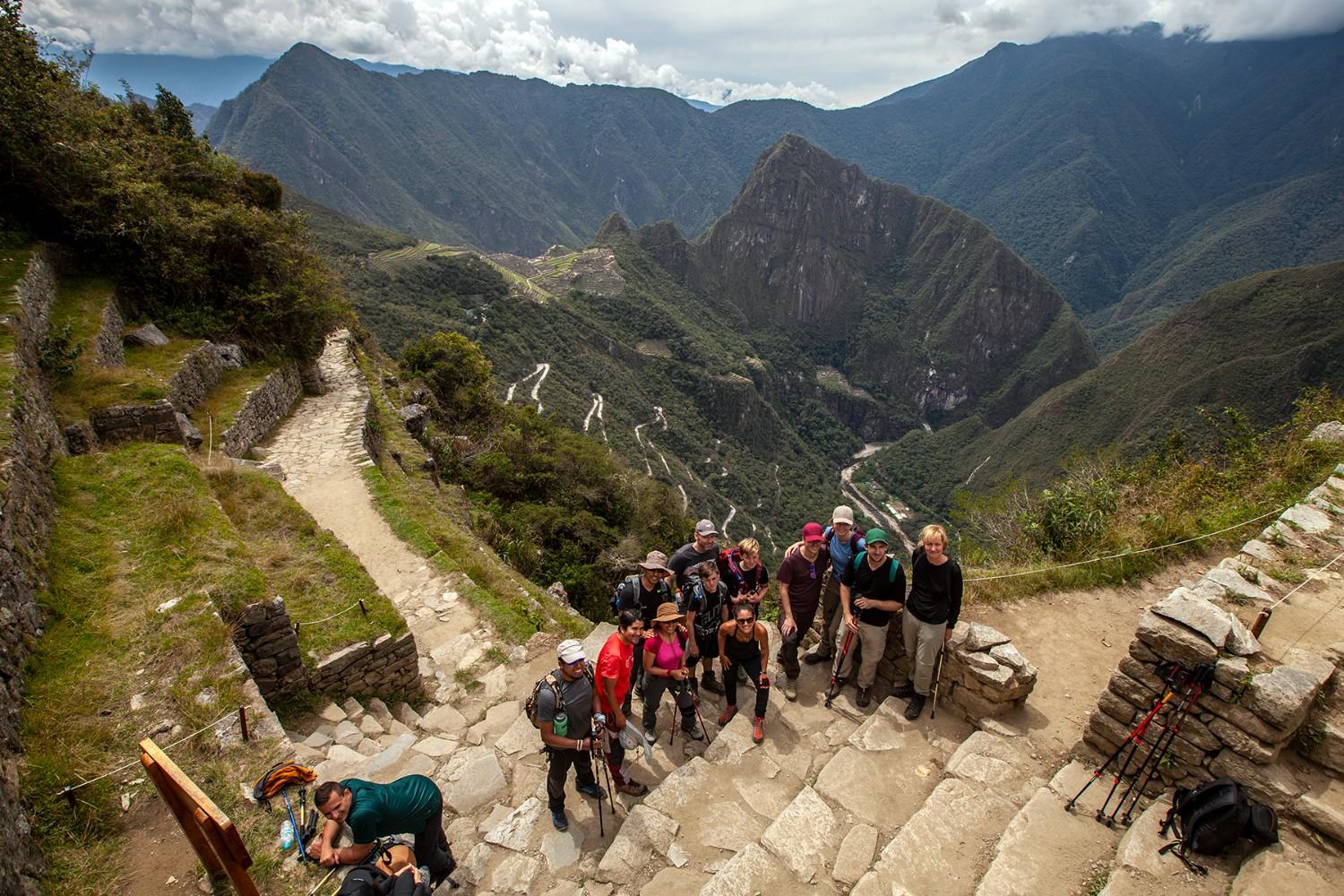
The Inca Trail is one of the most sought-after trekking experiences in the world, but it is also one of the ones that raises the most questions about price before booking. Is there a student discount? Do children pay the same as adults? Can a large group negotiate a special rate? These are completely reasonable questions, and the answers are not always easy to find because they combine two different pricing systems: the one set by the Peruvian government through the Ministry of Culture and the one each tour operator sets freely.
This guide clearly separates those two levels, tells you exactly which discounts are real and under what conditions they apply, and explains where there is room for negotiation and where there is not. No inflated information or promises that later go unfulfilled at the ticket office.
How the Inca Trail price is structured: two parts you need to understand
To clearly understand where discounts exist and where they do not, you first need to understand that the total price of doing the Inca Trail has two components of a completely different nature.
The first is the official Inca Trail entry permit, which is set and charged directly by Peru’s Ministry of Culture. This permit has a government-established rate that also includes entry to the Machu Picchu archaeological site. It is a regulated price that agencies cannot modify: they pass it on to the client exactly as they are charged when processing it, with no room to maneuver.
The second component is the operating service price: guide, porters, cook, tents, meals, train, transfers, and everything the agency organizes around the official permit. This is a price that each operator sets freely and where there is room to negotiate special rates depending on group size, season, or package conditions.
Discounts for students, children, and groups mainly affect the first component the official permit and in some cases also the second. Understanding which is which prevents disappointment when you get to confirm the booking.
Student discount: what the official rules say
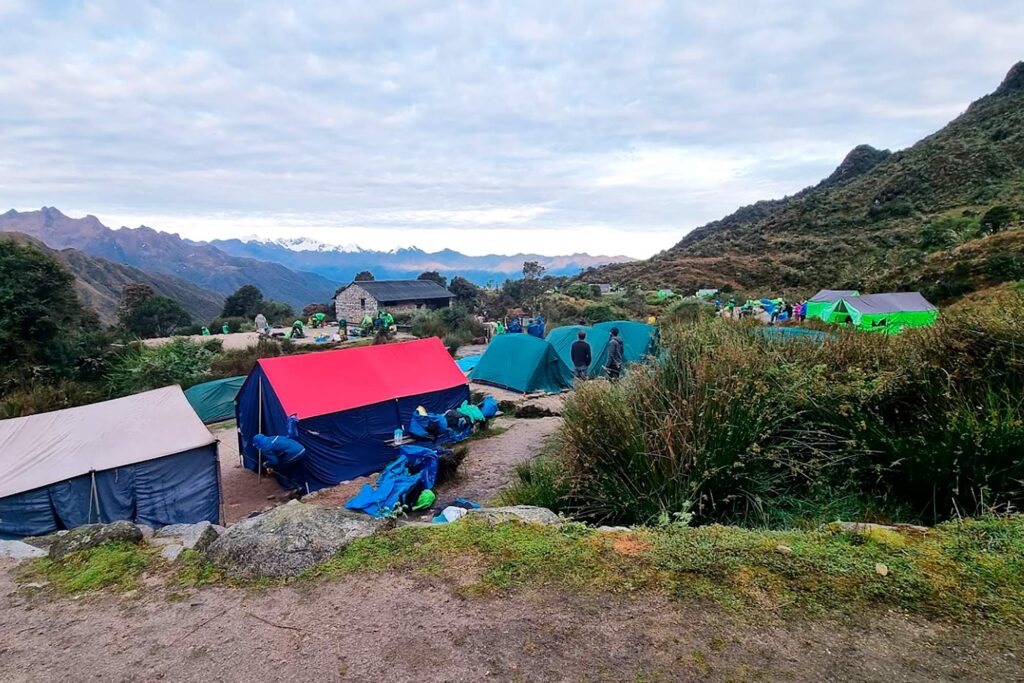
Peru’s Ministry of Culture applies a reduced rate to the Machu Picchu entry ticket for students of any nationality who present a valid university or higher education institution ID at the time of entry. This same reduction also extends to the Inca Trail access permit when the trekker proves student status at the time the permit is processed through the agency.
The document that must be presented is a valid student ID either the ISIC International Student Identity Card or the ID of the corresponding educational institution as long as it is current and clearly shows the expiration date. An expired card, a photocopy without a stamp, or a document that does not specify active student status is not accepted. Site authorities verify the documentation at the time of entry, not only at the agency, so carrying the original is essential.
The reduced student rate for Machu Picchu entry is significant and can represent real savings compared to the standard price. The agency must process the permit under the student category from the beginning, linking it to the passport number and the document proving that status. It is not possible to apply the discount at the ticket office on the day of entry if the permit was processed without that category.
Rates for children and minors: what the reduced price covers
Minors have different access conditions in the Inca Trail permit system and in the Machu Picchu entry ticket, although with nuances that are worth understanding before planning a family trip.
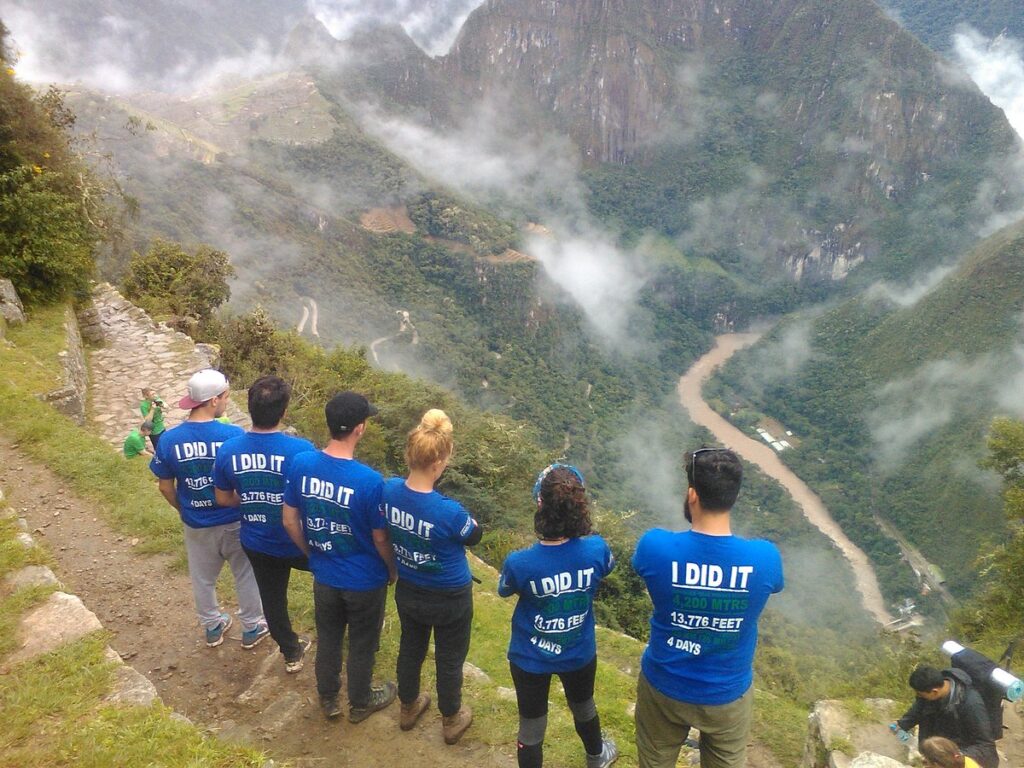
Children under 8 years old do not pay the entrance ticket to the Machu Picchu archaeological site. This exemption applies to foreign citizens of any nationality and does not require any special procedure beyond presenting the child’s passport at entry. It is one of the few real free admissions that exists in the site access system.
For minors between 8 and 17 years old, the Ministry of Culture applies a reduced rate compared to the adult price. This reduction also extends to the Inca Trail access permit when the participant falls within that age range and the permit is properly processed under the minor category. The required document is the child’s passport or official ID showing the date of birth.
An important practical point: children under a certain age may find the Classic 4-day Inca Trail physically very demanding. The permit has no minimum age restriction, but the reality of the trail does impose natural limits. For families with young children, the 2-day Short Inca Trail is a more reasonable alternative that still reaches Machu Picchu through the Sun Gate with a more manageable physical effort.
Group discounts: where the real room for negotiation is
The official Ministry of Culture permit does not include a volume-based group rate: each participant pays the same individual price whether traveling alone or as part of a group of twenty people. In that component of the price, there is no possible group discount.
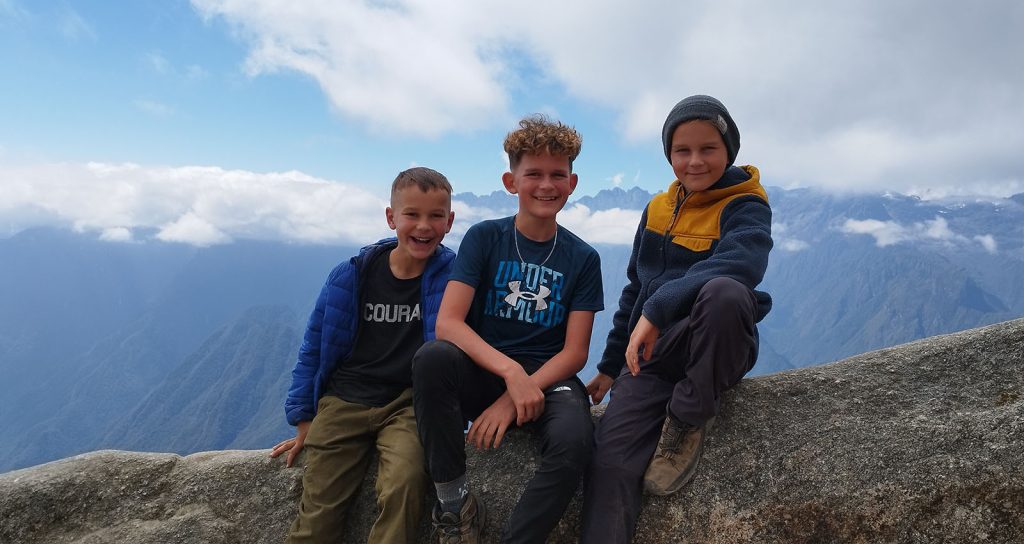
Where there is real room for negotiation is in the service component set by each agency. A large group represents more efficient logistics for the operator: one guide, one porter team, and one campsite operation for many clients. That operational savings can be partially passed on to the per-person price when the group is large enough.
The threshold at which an agency starts considering special group conditions varies by operator, but generally speaking, once you reach eight participants it is reasonable to ask about group rates. From twelve or fifteen people onward, the negotiation has more basis and the chances of obtaining a lower-than-standard per-person price are real, especially if the booking is made well in advance and outside the highest-demand months.
What does not vary in any case is the cost of each participant’s individual permit, the Machu Picchu ticket, and the train tickets, which have fixed prices regardless of group size.
Peruvian residents and citizens of Andean countries: special rates
This is a discount that most blogs aimed at international tourism do not mention because it does not affect their main audience, but it is relevant for Peruvian travelers or travelers from neighboring countries.
The Ministry of Culture applies different rates for Peruvian citizens for Machu Picchu entry and for the Inca Trail permit. The difference compared with the foreign visitor price is significant. To access this rate, a valid Peruvian DNI must be presented, and the permit must be processed under that category from the beginning through the agency.
Citizens of other Andean Community countries Bolivia, Ecuador, and Colombia may also access different conditions in some cases, although the specific rates and required documents may vary. If your group includes participants from these countries, it is worth asking the agency before processing the permits under the standard foreign visitor rate.
Low-season discounts: savings that come from the market, not the government
The Ministry of Culture does not apply different seasonal rates: the permit price and Machu Picchu ticket price are the same in July as in November. But the agency market does behave seasonally, and that difference may be as relevant or more relevant to the total budget than official discounts by traveler category.
Between November and April, except for the February closure, many agencies offer package prices that are considerably lower than in high season. Not because the service is lower quality, but because demand drops and fixed operating costs need to be spread across fewer clients. For a group that can choose its dates freely, adjusting the trip to low-season months can mean savings in the service component that more than make up for the lack of additional official discounts.
These savings become even greater if the group also qualifies for one of the Ministry of Culture’s reduced-price categories: the combination of an official student or minor rate with a low-season package price can significantly reduce the total per-person cost compared to the high-season, standard-price scenario.
What documents you need to prepare for each discount category
- Student discount: Valid ISIC card or university or higher education institution ID with visible validity date. Original, not a photocopy. Linked to the passport number used to process the permit.
- Rate for children under 8: Child’s passport with date of birth confirming age. The payment exemption applies automatically when it is presented at the entry checkpoint.
- Rate for ages 8 to 17: Passport or official ID with date of birth. The permit must be processed under the minor category from the beginning through the agency.
- Peruvian resident rate: Valid DNI. A Peruvian passport is not accepted to apply the national rate: only the DNI issued by RENIEC.
- Andean countries rate: Official ID from the corresponding country. Check with the agency what specific documentation the Ministry of Culture accepts for each nationality.
Common mistakes that make you lose the discount
The most common one is informing the agency about the discount status after the permit has already been processed. Once the Ministry of Culture issues the permit under the standard adult category, there is no way to modify it to apply a reduced rate retroactively. The permit is linked to the passport and the category declared at the time of processing. If you do not inform the agency before it processes the permit, the discount does not exist.
The second common mistake is assuming that the discount applies to the entire package when in reality it only applies to the official component. A traveler with a student ID who expects to pay half the total trekking price is surprised when the agency explains that the reduction affects the permit and the Machu Picchu ticket, not the cost of the guide, porters, train, or camping equipment.
The third is bringing documentation that is damaged, expired, or in photocopy form. Site authorities have tightened verification in recent years and reject documents that are not in perfect condition and currently valid. Always carry the originals, without exception.
Do you want to know exactly how much your group would pay under the rates that apply to each participant? At Incredible Peru Tours, we calculate the real price of your trek by applying every discount category that applies to your group before issuing any quote. Write to us with the participant details ages, nationalities, and whether anyone has a valid student ID The Inca Trail is one of the most sought-after trekking experiences in the world, but it is also one of the ones that raises the most questions about price before booking. Is there a student discount? Do children pay the same as adults? Can a large group negotiate a special rate? These are completely reasonable questions, and the answers are not always easy to find because they combine two different pricing systems: the one set by the Peruvian government through the Ministry of Culture and the one each tour operator sets freely.
This guide clearly separates those two levels, tells you exactly which discounts are real and under what conditions they apply, and explains where there is room for negotiation and where there is not. No inflated information or promises that later go unfulfilled at the ticket office.
How the Inca Trail price is structured: two parts you need to understand
To clearly understand where discounts exist and where they do not, you first need to understand that the total price of doing the Inca Trail has two components of a completely different nature.
The first is the official Inca Trail entry permit, which is set and charged directly by Peru’s Ministry of Culture. This permit has a government-established rate that also includes entry to the Machu Picchu archaeological site. It is a regulated price that agencies cannot modify: they pass it on to the client exactly as they are charged when processing it, with no room to maneuver.
The second component is the operating service price: guide, porters, cook, tents, meals, train, transfers, and everything the agency organizes around the official permit. This is a price that each operator sets freely and where there is room to negotiate special rates depending on group size, season, or package conditions.
Discounts for students, children, and groups mainly affect the first component the official permit and in some cases also the second. Understanding which is which prevents disappointment when you get to confirm the booking.
Student discount: what the official rules say
Peru’s Ministry of Culture applies a reduced rate to the Machu Picchu entry ticket for students of any nationality who present a valid university or higher education institution ID at the time of entry. This same reduction also extends to the Inca Trail access permit when the trekker proves student status at the time the permit is processed through the agency.
The document that must be presented is a valid student ID either the ISIC International Student Identity Card or the ID of the corresponding educational institution as long as it is current and clearly shows the expiration date. An expired card, a photocopy without a stamp, or a document that does not specify active student status is not accepted. Site authorities verify the documentation at the time of entry, not only at the agency, so carrying the original is essential.
The reduced student rate for Machu Picchu entry is significant and can represent real savings compared to the standard price. The agency must process the permit under the student category from the beginning, linking it to the passport number and the document proving that status. It is not possible to apply the discount at the ticket office on the day of entry if the permit was processed without that category.
Rates for children and minors: what the reduced price covers
Minors have different access conditions in the Inca Trail permit system and in the Machu Picchu entry ticket, although with nuances that are worth understanding before planning a family trip.
Children under 8 years old do not pay the entrance ticket to the Machu Picchu archaeological site. This exemption applies to foreign citizens of any nationality and does not require any special procedure beyond presenting the child’s passport at entry. It is one of the few real free admissions that exists in the site access system.
For minors between 8 and 17 years old, the Ministry of Culture applies a reduced rate compared to the adult price. This reduction also extends to the Inca Trail access permit when the participant falls within that age range and the permit is properly processed under the minor category. The required document is the child’s passport or official ID showing the date of birth.
An important practical point: children under a certain age may find the Classic 4-day Inca Trail physically very demanding. The permit has no minimum age restriction, but the reality of the trail does impose natural limits. For families with young children, the 2-day Short Inca Trail is a more reasonable alternative that still reaches Machu Picchu through the Sun Gate with a more manageable physical effort.
Group discounts: where the real room for negotiation is
The official Ministry of Culture permit does not include a volume-based group rate: each participant pays the same individual price whether traveling alone or as part of a group of twenty people. In that component of the price, there is no possible group discount.
Where there is real room for negotiation is in the service component set by each agency. A large group represents more efficient logistics for the operator: one guide, one porter team, and one campsite operation for many clients. That operational savings can be partially passed on to the per-person price when the group is large enough.
The threshold at which an agency starts considering special group conditions varies by operator, but generally speaking, once you reach eight participants it is reasonable to ask about group rates. From twelve or fifteen people onward, the negotiation has more basis and the chances of obtaining a lower-than-standard per-person price are real, especially if the booking is made well in advance and outside the highest-demand months.
What does not vary in any case is the cost of each participant’s individual permit, the Machu Picchu ticket, and the train tickets, which have fixed prices regardless of group size.
Peruvian residents and citizens of Andean countries: special rates
This is a discount that most blogs aimed at international tourism do not mention because it does not affect their main audience, but it is relevant for Peruvian travelers or travelers from neighboring countries.
The Ministry of Culture applies different rates for Peruvian citizens for Machu Picchu entry and for the Inca Trail permit. The difference compared with the foreign visitor price is significant. To access this rate, a valid Peruvian DNI must be presented, and the permit must be processed under that category from the beginning through the agency.
Citizens of other Andean Community countries Bolivia, Ecuador, and Colombia may also access different conditions in some cases, although the specific rates and required documents may vary. If your group includes participants from these countries, it is worth asking the agency before processing the permits under the standard foreign visitor rate.
Low-season discounts: savings that come from the market, not the government
The Ministry of Culture does not apply different seasonal rates: the permit price and Machu Picchu ticket price are the same in July as in November. But the agency market does behave seasonally, and that difference may be as relevant or more relevant to the total budget than official discounts by traveler category.
Between November and April, except for the February closure, many agencies offer package prices that are considerably lower than in high season. Not because the service is lower quality, but because demand drops and fixed operating costs need to be spread across fewer clients. For a group that can choose its dates freely, adjusting the trip to low-season months can mean savings in the service component that more than make up for the lack of additional official discounts.
These savings become even greater if the group also qualifies for one of the Ministry of Culture’s reduced-price categories: the combination of an official student or minor rate with a low-season package price can significantly reduce the total per-person cost compared to the high-season, standard-price scenario.
What documents you need to prepare for each discount category
- Student discount: Valid ISIC card or university or higher education institution ID with visible validity date. Original, not a photocopy. Linked to the passport number used to process the permit.
- Rate for children under 8: Child’s passport with date of birth confirming age. The payment exemption applies automatically when it is presented at the entry checkpoint.
- Rate for ages 8 to 17: Passport or official ID with date of birth. The permit must be processed under the minor category from the beginning through the agency.
- Peruvian resident rate: Valid DNI. A Peruvian passport is not accepted to apply the national rate: only the DNI issued by RENIEC.
- Andean countries rate: Official ID from the corresponding country. Check with the agency what specific documentation the Ministry of Culture accepts for each nationality.
Common mistakes that make you lose the discount
The most common one is informing the agency about the discount status after the permit has already been processed. Once the Ministry of Culture issues the permit under the standard adult category, there is no way to modify it to apply a reduced rate retroactively. The permit is linked to the passport and the category declared at the time of processing. If you do not inform the agency before it processes the permit, the discount does not exist.
The second common mistake is assuming that the discount applies to the entire package when in reality it only applies to the official component. A traveler with a student ID who expects to pay half the total trekking price is surprised when the agency explains that the reduction affects the permit and the Machu Picchu ticket, not the cost of the guide, porters, train, or camping equipment.
The third is bringing documentation that is damaged, expired, or in photocopy form. Site authorities have tightened verification in recent years and reject documents that are not in perfect condition and currently valid. Always carry the originals, without exception.
Do you want to know exactly how much your group would pay under the rates that apply to each participant? At Incredible Peru Tours, we calculate the real price of your trek by applying every discount category that applies to your group before issuing any quote. Write to us with the participant details ages, nationalities, and whether anyone has a valid student ID and we will prepare a clear breakdown with no surprises.and we will prepare a clear breakdown with no surprises.


