
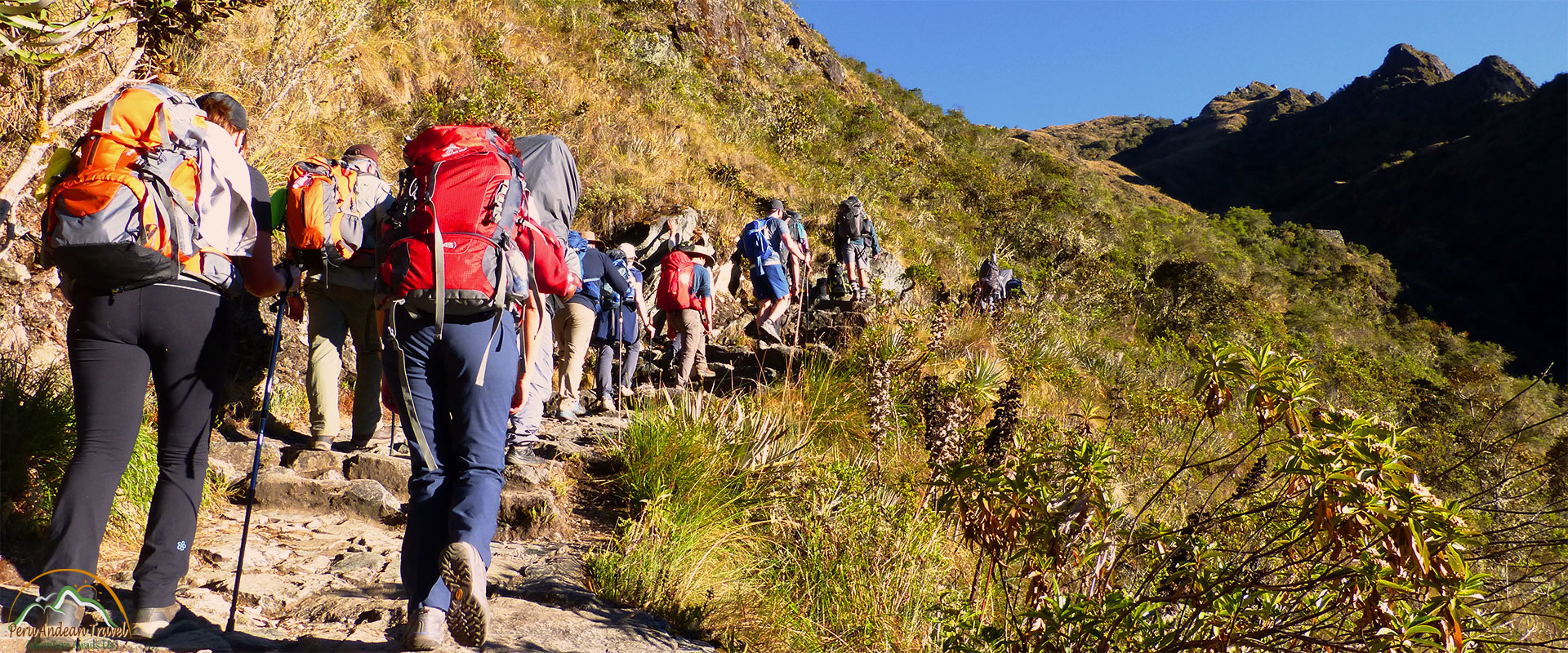
Packing for the Inca Trail is not something that should be left until the last few days before the trip. The route crosses three different climate zones in four days, with temperatures that can drop below 0 °C at night at Warmiwañusca Pass and rise above 20 °C on the lower sections of the third day. Bringing the right gear largely determines whether the trek is enjoyable or turns into an unnecessary endurance test.
This guide explains exactly what to bring, why each item matters, and what mistakes to avoid when packing your backpack.
The weight limit: the rule that organizes everything
Before looking at any packing list, there is one fact that shapes every luggage decision: the official weight limit for your personal backpack on the Inca Trail is 7 kilograms. Porters carry the camping gear, kitchen equipment, and the group’s food, but the daypack each traveler carries during the hike is their own responsibility and cannot exceed that limit.
In practice, a well-packed backpack for four days on the Inca Trail weighs between 5 and 6.5 kilograms. Going over 7 kg without being in very good physical condition directly affects performance, especially on the ascent to Warmiwañusca on the second day.
The rule for packing your backpack is simple: if you are unsure whether to bring something or not, do not bring it.
Footwear
Trekking boots
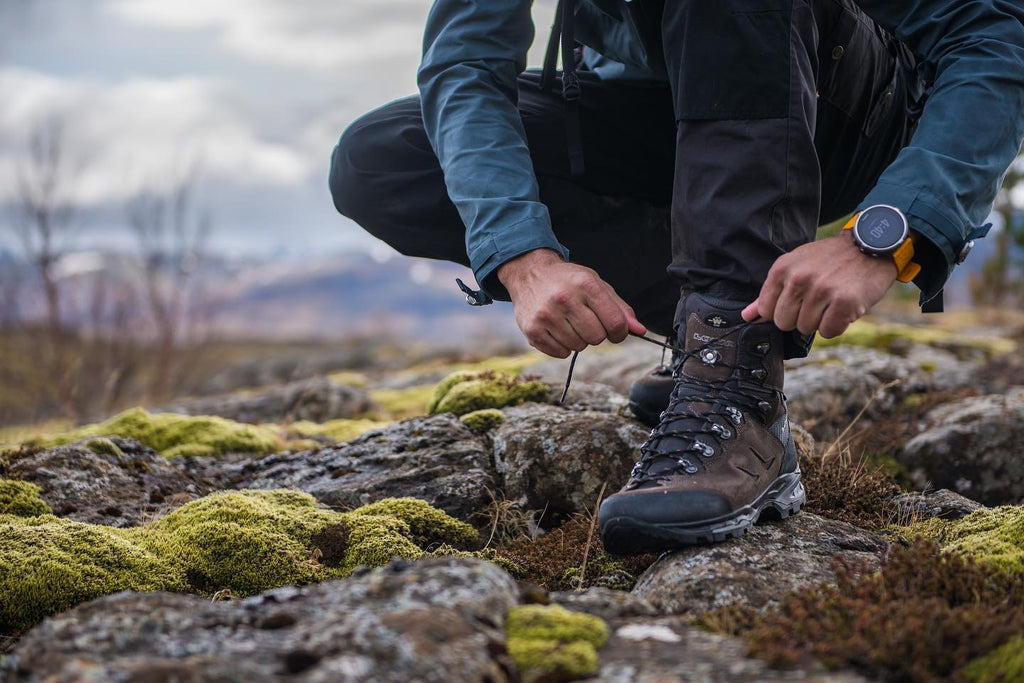
Footwear is the most important item in your gear and the one with the greatest consequences if chosen poorly. The boots must be waterproof, with a good-grip sole such as Vibram or similar, and with high ankle support. The Inca Trail has uneven stone sections, narrow Inca steps, and dirt paths that become muddy at any time of year.
The most common mistake is wearing brand-new boots on the trail. The boots should be broken in with at least two weeks of use before starting the trek. Bringing new boots on the Inca Trail guarantees blisters from the first day.
Sandals or lightweight camp shoes
When you reach camp each night, your feet will appreciate getting out of the boots. A pair of Crocs-style sandals or lightweight shoes weighing between 200 and 300 grams is enough. It is not a luxury: it is a basic recovery measure that improves performance the next day.
Technical trekking socks
Cotton socks create friction and retain moisture. Technical socks made of merino wool or synthetic blends regulate temperature, absorb sweat, and reduce the risk of blisters. Two or three pairs are recommended for the full trek.
Clothing
Layering system: the principle that organizes your clothing
The Inca Trail does not have a uniform climate. The right strategy is the three-layer system: a base layer of technical fabric against the skin, a mid layer for insulation, and an outer layer that is waterproof and windproof. This system allows you to adapt your clothing to temperature changes during the hike without carrying extra clothes.
Base layer
Two quick-dry technical shirts are enough for four days. Cotton shirts are not recommended: they absorb sweat, take a long time to dry, and can cause hypothermia during long stops at high altitude. Merino wool options have the added advantage of not retaining odor after several uses.
Mid layer
A fleece or mid-weight fleece jacket (between 200 and 300 g/m²) is enough for the nights at camp and the cold mornings of the second and third day. It is not necessary to bring a down jacket for the classic Inca Trail except in June and July, when nighttime temperatures at Warmiwañusca Pass can drop between -5 °C and -8 °C.
Outer layer
A waterproof and windproof jacket with a hood is essential. Rain on the Inca Trail can appear without warning in any month of the year, even in the dry season. A jacket with a waterproof membrane of at least 10,000 mm of water column and sealed seams is the minimum reference point. Options with Gore-Tex technology or equivalent are the most efficient but also the heaviest; there are lighter alternatives that work just as well.
Pants
Two valid options: convertible trekking pants (with a zipper to turn them into shorts) or lightweight technical pants plus a separate pair of shorts. Jeans are not recommended because of their weight, lack of flexibility, and drying time. The first two days are colder; on the third day, during the descent toward the Urubamba River, the heat can be noticeable.
Technical underwear
Two or three pieces of technical fabric or merino wool underwear. Cotton underwear holds moisture and causes friction on long hikes, especially on the long ascent sections.
Wool or fleece hat
Nights at the high-altitude camps, especially in Pacaymayo (3,600 m) and Phuyupatamarca (3,580 m), are cold in any month of the year. A hat that covers the ears is basic. In June and July, it is best if it also covers part of the neck.
Brimmed hat or visor
For sun protection during the hike. UV radiation at 4,000 meters is significantly more intense than at sea level. A lightweight wide-brim cap or an Arab-style scarf are equally valid options.
Light gloves
For the ascent on the second day and the cold mornings on the third day. They do not need to be technical mountaineering gloves; a pair of lightweight fleece gloves is enough.
Rain protection for the legs
Waterproof pants or waterproof gaiters for stretches of heavy rain. In the rainy season (November to April), this item goes from optional to essential.
Backpack
Daypack (20 to 30 liters)
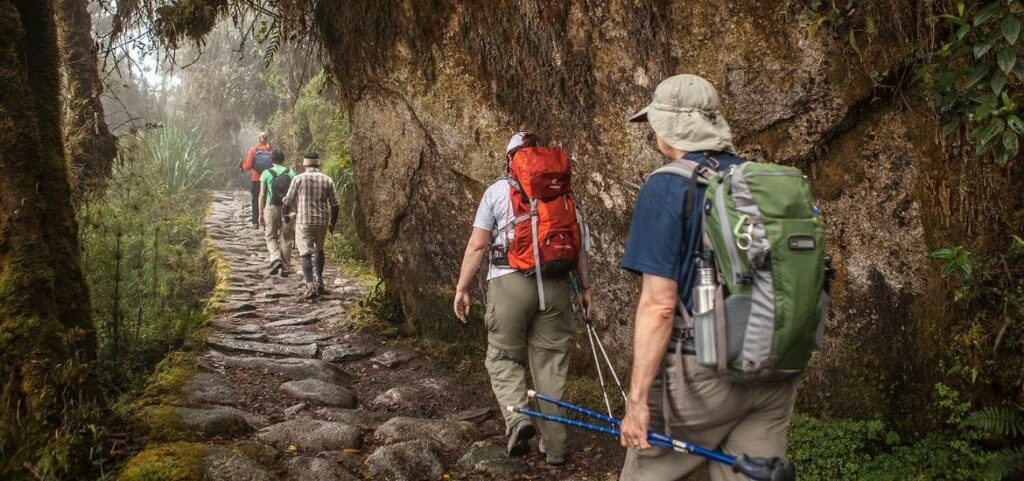
The personal backpack the traveler carries throughout the hike should have a capacity of between 20 and 30 liters. More than 30 liters tends to encourage overpacking; less than 20 may be insufficient for the day’s essentials. It should have padded straps, a functional hip belt, and an adjustable back support system.
A waterproof rain cover for the backpack is essential. Many trekking backpacks include one built in; if not, it can be bought separately at low cost and weighs less than 100 grams.
Internal organization
Compression bags or packing cubes allow you to divide the contents by category and quickly access what you need without emptying the whole backpack. They are especially useful for separating dry clothes from wet ones during the hike.
Personal camping gear
The group gear (tent, sleeping pad, kitchen equipment) is carried by the porters. However, there are camping items that are each traveler’s individual responsibility:
Sleeping bag
This is the heaviest and most important item in your personal gear. The comfort temperature of the sleeping bag must be appropriate for the trail conditions:
| Month | Approximate nighttime temperature at altitude | Recommended sleeping bag |
|---|---|---|
| June – August | -5 °C to -10 °C | Comfort rated to -10 °C |
| May, September | 0 °C to -3 °C | Comfort rated to -5 °C |
| October – April | 2 °C to 8 °C | Comfort rated to 0 °C |
Many operators include the sleeping bag in the package. It is a good idea to check the comfort temperature of the gear provided before leaving Cusco and to add a silk liner or fleece liner if the bag is a basic model.
Headlamp
Essential for the very early starts on the third and fourth day. The departure from Wiñaywayna camp toward the Sun Gate on the last day begins before sunrise, around 3:30 a.m., in order to reach Inti Punku with the first light. Without a headlamp, that section is not safe to walk. Spare batteries or a rechargeable option fully charged from Cusco are recommended.
Hydration and food on the trail
Hydration system
Water intake during the hike is one of the factors that most affects performance and the prevention of altitude sickness. Between two and three liters of daily intake are recommended during the most demanding days.
Options for carrying and purifying water:
- Rigid bottle of at least one liter: the simplest and most affordable option
- Camelback-style hydration reservoir: allows you to drink without stopping, which improves a steady hydration rhythm
- Purification tablets or portable filter: to treat water from natural sources on the trail if necessary
Energy snacks for the hike
Operators include breakfast, lunch, and dinner in the standard package. However, snacks between meals are the traveler’s responsibility. The most useful in terms of energy density and weight are:
- Nuts and mixed nuts
- Energy or cereal bars
- Dark chocolate
- Dried fruit
- Rice or oat crackers
Avoid snacks high in simple sugars that create fast spikes and drops in energy. Complex carbohydrates and healthy fats are more efficient for sustained effort at altitude.
Sun and personal protection
Sunscreen
UV radiation above 4,000 meters is between 25 and 30% more intense than at sea level. Sunscreen should be SPF 50 or higher, water- and sweat-resistant, and should be reapplied every two hours during the hike. It is one of the most underestimated items and one of the most important for comfort during and after the trek.
Lip balm with UV protection
The lips are the most exposed area and the most often forgotten. A lip balm with SPF 30 or higher weighs less than 10 grams and prevents one of the most common discomforts of high-altitude trekking.
Insect repellent
On the lower sections of the third day, while descending toward the Wiñaywayna sector and the Urubamba River, the humidity and dense vegetation favor the presence of mosquitoes. A repellent with 20% DEET or one based on picaridin is enough for that zone.
Sunglasses
With UV 400 protection (category 3 or higher). The highest exposure hours are during the ascent on the second day, when the sun over the shade-free puna grasslands can be very intense. Polarized lenses reduce glare on wet rocks.
Personal first-aid kit
A basic first-aid kit weighing between 200 and 300 grams covers most of the situations that may come up on the trek:
For altitude:
- Acetazolamide (Diamox) under medical prescription: the most effective medication for the prevention of altitude sickness. It is started 24 hours before the ascent and maintained during the first days at altitude
- Ibuprofen or acetaminophen for altitude headaches
For the digestive system:
- Anti-diarrheal medicine (loperamide)
- Antacids
- Oral rehydration salts
For muscle and joint injuries:
- 7 cm self-adhesive elastic bandages
- Heat patches for muscles to use at night in camp
- Topical anti-inflammatory gel
For skin and feet:
- Hydrocolloid blister bandages (more effective than conventional bandages)
- Kinesiology tape or athletic tape to protect friction areas before a blister appears
- Antiseptic cream for small wounds
Other:
- Motion sickness tablets if ground transportation causes nausea
- Antihistamine for mild allergic reactions
Documentation
Original passport
This is the document checked at every control point on the Inca Trail. The permit is linked to the holder’s passport number and must match exactly with the physical document presented. A photocopy or national ID card is not accepted for foreign tourists.
Inca Trail permit
The agency provides a printed copy of the permit before the trek begins. It is a good idea to carry it in a waterproof sleeve or a zip bag inside the backpack. Losing the permit on the trail complicates passage through the checkpoints.
Machu Picchu entry ticket
This is a separate document from the Inca Trail permit. It should also be carried printed or available in digital format with offline access, since data service in Aguas Calientes can be intermittent.
Travel insurance
It is not required by regulation, but in practice it is essential. Insurance that covers emergency evacuation at altitude, medical care, and trip cancellation is the minimum recommended coverage for a trek of this level. Helicopter evacuations from the Inca Trail, when necessary, can cost between $3,000 and $8,000 USD without insurance coverage.
Hiking accessories
Trekking poles
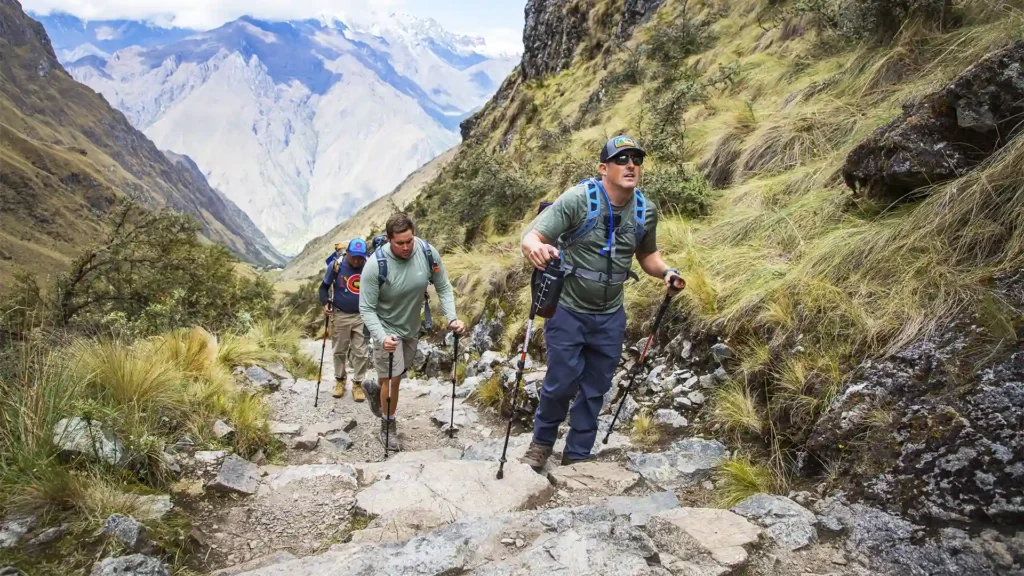
They are the accessory that makes the biggest difference on the second and third day. On the descent from Warmiwañusca, they reduce the impact on the knees by approximately 25% according to mountain walking biomechanics studies. They are equally valuable on the Inca steps of the third day. Foldable aluminum or carbon models weigh between 250 and 400 grams per pair and fit in any backpack.
Low gaiters
For rainy days or muddy trails. They cover the space between the boot and the pants and prevent water and mud from getting in through the top of the footwear. They are especially useful on the stretch between Wiñaywayna and the Sun Gate, where wet vegetation borders the trail on both sides.
Hygiene and personal care
Microfiber towel
Conventional cotton towels are too heavy and take hours to dry. A medium-sized microfiber towel (40 x 80 cm) weighs between 80 and 120 grams, dries in minutes, and does the same job.
Hand sanitizer
The Inca Trail campsites have basic bathroom facilities. Hand sanitizer helps maintain hand hygiene between meals without depending on running water.
Toilet paper in a sealed bag
The bathrooms at the camps are basic. Bringing your own toilet paper in a zip bag is a practical precaution that most travelers appreciate starting on the second day.
Wet wipes
For personal cleaning at campsites when the cold water makes bathing unappealing. Two or three wipes per day are enough to maintain basic hygiene during the trek.
Toothpaste, toothbrush, and biodegradable soap
Conventional soap is not allowed on the Inca Trail due to Historic Sanctuary protection rules. Only biodegradable products are allowed within the protected corridor. Solid biodegradable soap is the most practical option because of its format and weight.
Electronics and communication
Camera or phone with free storage space
The Inca Trail offers some of the most photographed landscapes in South America. It is a good idea to arrive with free storage space and your camera apps set not to compress images too much.
Portable battery (power bank)
There are no power outlets at the campsites. A portable battery between 10,000 and 20,000 mAh allows you to keep your phone charged during the four days. Cold reduces the capacity of lithium batteries, so it is a good idea to keep it in an inside pocket close to your body during the nights.
Universal power adapter
To recharge at the hotel in Cusco before leaving and in Aguas Calientes at the end of the trek. Peruvian outlets accept type A and type C plugs, but in some older hotels in Cusco the outlets are type L with three round prongs.
Earphones
Optional but useful for the vehicle rides out and back, and for nights at camp.
What not to bring on the Inca Trail
Just as important as knowing what to bring is knowing what to leave at the hotel:
- Suitcase or large backpack: everything that does not fit in the daypack should be left at the hotel in Cusco. Most accommodations offer luggage storage at no extra cost during the trek
- Cotton clothing: jeans, cotton shirts, and cotton underwear have no place on the Inca Trail
- Perfumes or colognes: they attract insects and are not recommended in protected areas
- Conventional soap or shampoo without a biodegradable formula: prohibited within the corridor by environmental regulations
- Drones: the use of drones is prohibited in the Historic Sanctuary of Machu Picchu and along the Inca Trail corridor without express authorization from the Ministry of Culture
- Large photography tripod: control points may retain professional-size tripods. Flexible mini tripods such as Gorilla type models are a valid alternative
- Canned food or glass containers: because of the weight and waste restrictions within the sanctuary
Quick checklist before leaving
Footwear and clothing:
- Broken-in trekking boots
- Camp sandals
- Technical socks (2 to 3 pairs)
- Technical shirts (2)
- Fleece or insulated jacket
- Waterproof jacket with hood
- Trekking pants (1 to 2)
- Technical underwear (2 to 3 pieces)
- Wool hat
- Cap or brimmed hat
- Light gloves
Gear:
- 20 to 30 liter backpack with rain cover
- Sleeping bag appropriate for the season
- Headlamp with spare batteries
- Trekking poles
- Water bottle or hydration system
Protection:
- SPF 50 sunscreen
- Lip balm with SPF
- Insect repellent
- UV 400 sunglasses
First-aid kit:
- Acetazolamide (with medical prescription)
- Ibuprofen or acetaminophen
- Elastic bandages
- Blister bandages
- Anti-diarrheal medicine
- Rehydration salts
Documentation:
- Original passport
- Printed Inca Trail permit
- Machu Picchu ticket
- Travel insurance
Hygiene:
- Microfiber towel
- Hand sanitizer
- Toilet paper in a sealed bag
- Biodegradable soap and shampoo
- Wet wipes
Electronics:
- Phone with free storage space
- Chargers and cables
- Charged portable battery
Frequently asked questions about packing for the Inca Trail
Do porters carry all the heavy gear? Porters carry the group gear: tents, sleeping pads, kitchen equipment, and food. Each traveler carries their own personal backpack, with a limit of 7 kg, throughout the hike. Some operators offer the option of hiring an additional porter for the personal backpack at an extra cost.
Can I rent gear in Cusco instead of bringing it? Yes. In Cusco there are many trekking gear rental shops where you can get a sleeping bag, trekking poles, a backpack, and technical clothing. Quality varies by provider. If you rent a sleeping bag, it is a good idea to check its comfort temperature and the condition of the zipper before taking it.
Are there stores at the campsites where I can buy what I forgot? No. The Inca Trail campsites do not have stores or commercial services. At Wiñaywayna there is a small stand with drinks and snacks at high prices, but it is not a reliable supply point. Everything you need must come from Cusco.
Can I bring alcohol or drinks to the campsite? It is not explicitly prohibited in small amounts, but alcohol worsens the effects of altitude sickness and causes dehydration. Most guides advise against drinking during the trek, especially on the first two days at higher altitude.
Is it necessary to carry cash during the trek? There are no places on the route that accept cards. A small amount in Peruvian soles is useful for the drink stand at Wiñaywayna and for tips for the porters and cooks at the end of the trek. Tipping is a common and appreciated practice for the support team.


