
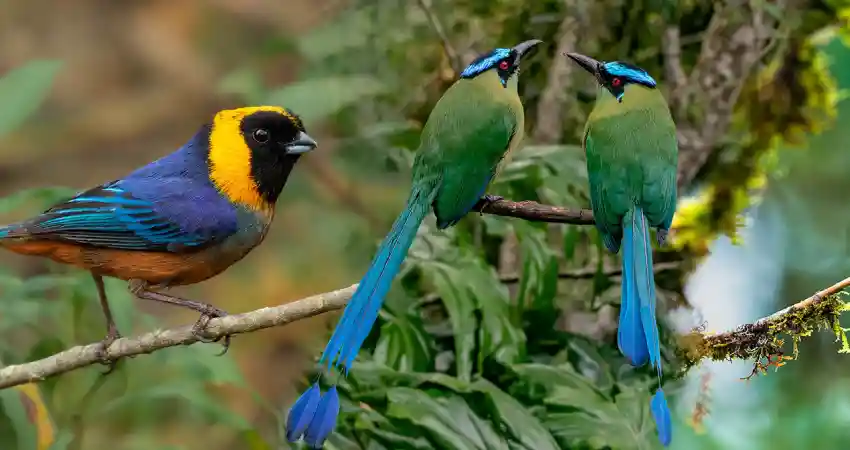
While most visitors admire the stone walls, another spectacle unfolds in the trees surrounding Machu Picchu: hummingbirds darting from flower to flower, brightly colored tanagers, and, with a little luck, the Andean cock of the rock, Peru’s national bird.
Whether you love birdwatching or simply want to add something different to your trip, this guide will help you discover which species to look for, where you are most likely to see them, and how to prepare for the best birdwatching hours of the day.
Why Machu Picchu Is a Paradise for Birds
According to Peru’s National Service of Natural Protected Areas (SERNANP), 444 bird species have been recorded in the Historic Sanctuary of Machu Picchu. That is an impressive number for an area of its size, thanks to the variety of habitats found throughout the sanctuary.
Many Ecosystems in a Small Area
The sanctuary contains 24 different ecosystems, ranging from humid forests above 6,234 feet (1,900 meters) to snowcapped peaks rising above 19,685 feet (6,000 meters). Each elevation zone supports different species, so within just a few miles you can go from cloud forest birds to high mountain birds.
The Cloud Forest, the Main Attraction
The citadel is surrounded by cloud forest, a humid environment with frequent mist, mosses, bromeliads, and orchids. This is where you will find the greatest diversity of birds, especially hummingbirds and tanagers, which often travel in mixed flocks while searching for food.
Birds You Can See in Machu Picchu
You do not need to be an expert to recognize some of the sanctuary’s most striking birds. This table highlights the species visitors most often hope to see.
| Species | Scientific Name | How to Identify It | Where to Look |
|---|---|---|---|
| Andean cock of the rock | Rupicola peruvianus | The male is bright orange, with a large crest that covers its bill | Humid forests and ravines near rivers |
| Inca wren | Pheugopedius eisenmanni | A small brown bird with a loud, melodious song | Shrubs and forest edges within the sanctuary |
| Torrent duck | Merganetta armata | Swims against the current and perches on river rocks | Urubamba River and its tributaries |
| Andean guan | Penelope montagnii | A large, dark bird that moves among tree branches | Cloud forest canopy |
| Andean condor | Vultur gryphus | A large soaring bird with a white neck ruff | Skies above higher elevations; sightings are uncommon |
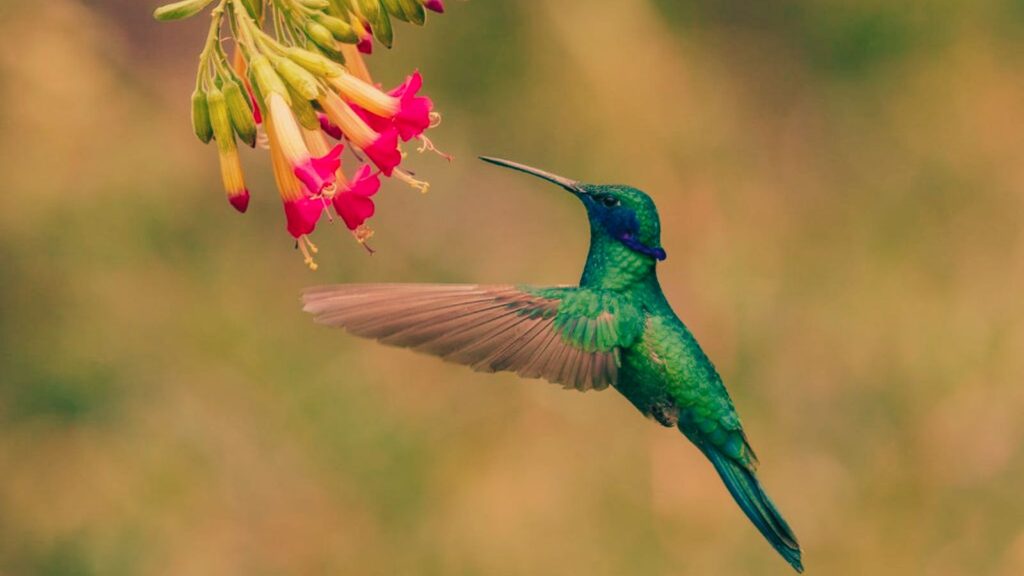
Hummingbirds
Around 33 hummingbird species have been recorded in the sanctuary. Look for them near flowers, in gardens, and along trail edges, almost always on the move.
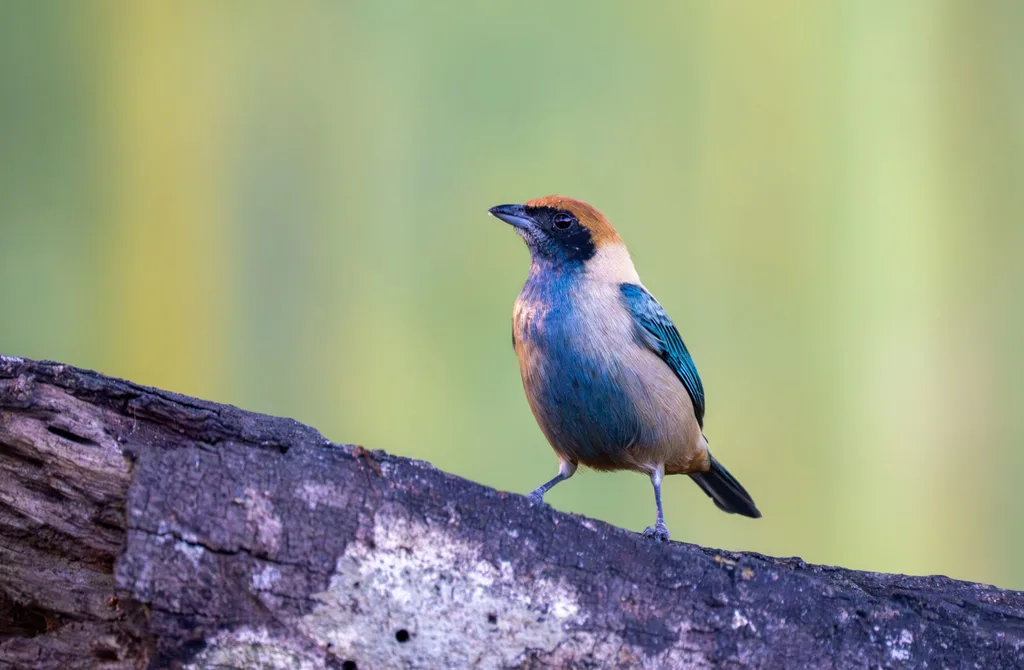
Tanagers
Around 48 species of tanagers and related fruit eating birds are found here, many with brilliantly colored plumage. They often join flocks with other species, so when you spot one, there may be several more nearby.
A Bird Found Almost Exclusively in This Region
The Inca wren has a very limited range and was first described scientifically in the 1980s. Hearing its song around the citadel is a special reward for any birdwatcher.
Where to Go Birdwatching in Machu Picchu
You do not have to travel far from Aguas Calientes to find excellent birdwatching spots. These are some of the most recommended places.
| Location | Distance From Aguas Calientes | Birds You May See |
|---|---|---|
| Mandor | About 3.7 miles (6 km), walking alongside the railroad tracks | Andean cock of the rock, toucans, and tanagers |
| Banks of the Urubamba River | Within town and the surrounding area | Torrent ducks and birds that catch insects above the water |
| Site Museum Garden | About 1.1 miles (1.7 km), near Puente Ruinas | Hummingbirds and garden birds among orchids |
| Machu Picchu Citadel | About 25 to 30 minutes by bus | Hummingbirds, swallows, and forest edge birds near the terraces |
| Inca Trail | A trek lasting several days | Mixed bird flocks in the cloud forest along the final sections |
Mandor, a Favorite Among Birdwatchers
Mandor is a forested area with gardens and a waterfall, reached by a mostly flat walk of about two hours from town. It is one of the best places to look for the Andean cock of the rock, especially early in the morning.
The Citadel in the Early Morning
If you enter Machu Picchu during one of the earliest time slots, pay attention to the forest edges surrounding the terraces. Before the larger groups arrive, birds are more active and often easier to spot.
Listen Before You Look
In the cloud forest, you will often hear birds before you see them. Stop quietly for a few minutes, figure out where the song is coming from, and then watch for movement among the leaves.
The Best Time of Year and Time of Day
You can go birdwatching in Machu Picchu year round, but the early morning hours are usually the most productive. From sunrise until midmorning, birds are more active and sing more frequently.
| Season | Months | What to Expect |
|---|---|---|
| Dry Season | May through September | Firmer trails, clearer skies, and better visibility for photography |
| Rainy Season | November through March | Greener, more flowering forest, but frequent rain and slippery trails |
| Transition Season | April and October | A balance of relatively stable weather and lush vegetation |
What Time Should You Go?
If birdwatching is your main goal, plan to reach your observation spot before 7:00 a.m. Activity tends to decrease around midday and picks up slightly again in the late afternoon.
Tips and Gear for Your Birdwatching Trip
A successful birdwatching outing depends on both what you bring and how you move through the forest. With a little gear and some patience, you can spot many species.
What to Bring
| Gear | Why You Need It |
|---|---|
| Binoculars | See feather details without getting too close |
| Field guide or bird identification app | Identify the species you encounter |
| Camera with a zoom lens | Photograph birds moving among the branches |
| Rain poncho and insect repellent | Protect yourself from rain and insects in the humid forest |
| Neutral colored clothing | Blend into the surroundings and avoid startling birds |
How to Behave in the Forest
- Walk quietly. Loud noises can scare birds away before you see them.
- Do not play recorded bird calls. Using recordings to attract birds can stress them and disrupt their behavior.
- Stay on designated trails. You are visiting a protected natural area.
Plan Your Trip With Time for Birdwatching
If you want to combine archaeology and nature, the Classic Inca Trail to Machu Picchu passes through several ecological zones and ends in the cloud forest, where bird diversity is especially high. If you prefer a shorter trip, a Machu Picchu tour package with an overnight stay in Aguas Calientes gives you a free morning or afternoon to walk toward Mandor or Puente Ruinas.
Consider Hiring a Specialized Guide
An experienced birdwatching guide knows bird calls, the places where different species perch, and the best times to find them. If this is your first birdwatching outing, a guide can make a big difference in what you get to see.
Frequently Asked Questions
How Many Bird Species Are Found in Machu Picchu?
SERNANP has recorded 444 bird species in the Historic Sanctuary of Machu Picchu.
Where Is the Best Place to See the Andean Cock of the Rock?
Mandor and the humid ravines near the river, especially early in the morning.
Do I Need a Special Permit for Birdwatching?
No. To watch birds inside the citadel, you need an admission ticket, and places such as Mandor charge a separate entrance fee.
Can I Go Birdwatching Without Binoculars?
Yes, especially if you are looking for hummingbirds and larger birds. However, binoculars make it much easier to appreciate their colors and details.
Can You See Andean Condors at Machu Picchu?
The Andean condor has been recorded in the sanctuary, but sightings are uncommon. You have a better chance of seeing one in higher, more open areas.


