
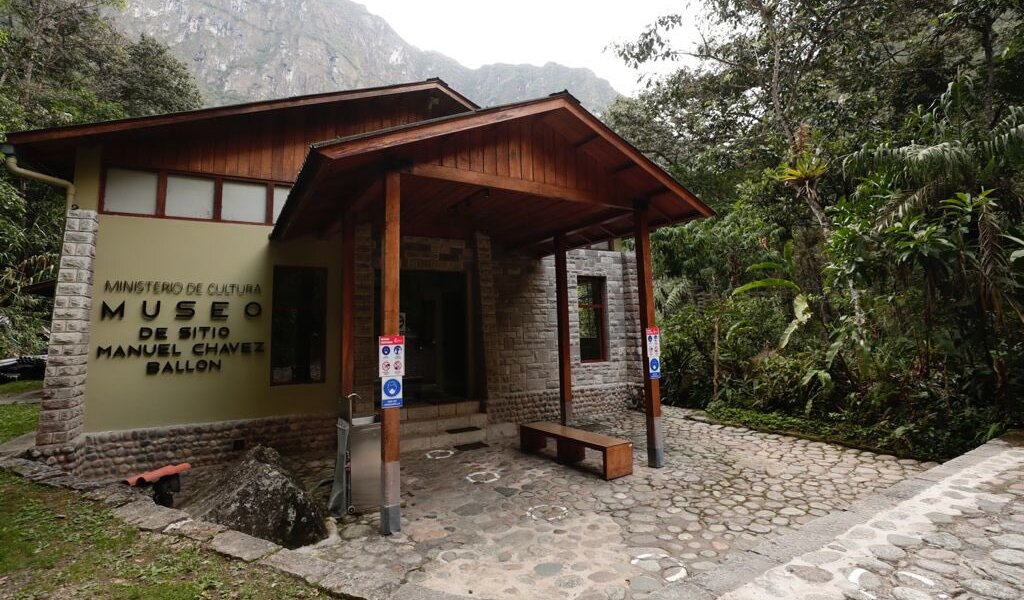
Most travelers visit Machu Picchu, explore the citadel, and return to Aguas Calientes without realizing there is a museum at the foot of the mountain dedicated to explaining what they have just seen. The Manuel Chávez Ballón Site Museum displays artifacts discovered during excavations throughout the sanctuary and helps you understand how the people who lived in the Inca city worked, built their structures, and went about their daily lives.
In this guide, you will learn about the museum’s history, what you can see in its galleries and botanical garden, its opening hours, and how to get there on foot from town.
What Is the Manuel Chávez Ballón Site Museum?
It is the official museum of the Historic Sanctuary of Machu Picchu, managed by Peru’s Ministry of Culture. It is located at kilometer 112 of the railway, near the old Ruinas Bridge, beside the Urubamba River and at the foot of Machu Picchu Mountain.
A Museum Named After an Archaeologist
The museum is named after Manuel Chávez Ballón, an archaeologist from Cusco who promoted its creation during the 1960s and 1970s. Since opening, the museum has introduced visitors to the discoveries made through archaeological research at the sanctuary.
A Renewed Exhibition
After several years of renovations, the museum reopened on July 25, 2005, with a new approach. Since then, its exhibition has explained the sanctuary’s history through eight themed sections featuring original artifacts, models, photographs, and maps.
Why It Is Worth Visiting
There are very few informational signs inside the citadel. The museum fills that gap by explaining the purpose of different areas, why this location was chosen, and what archaeological remains reveal about daily life at Machu Picchu.
What to See at the Museum and Its Botanical Garden
The museum is small, and you can explore it at a relaxed pace in about an hour or a little longer. It combines archaeological artifacts, visual displays, and an outdoor area dedicated to the region’s native plants.
The Exhibition Galleries
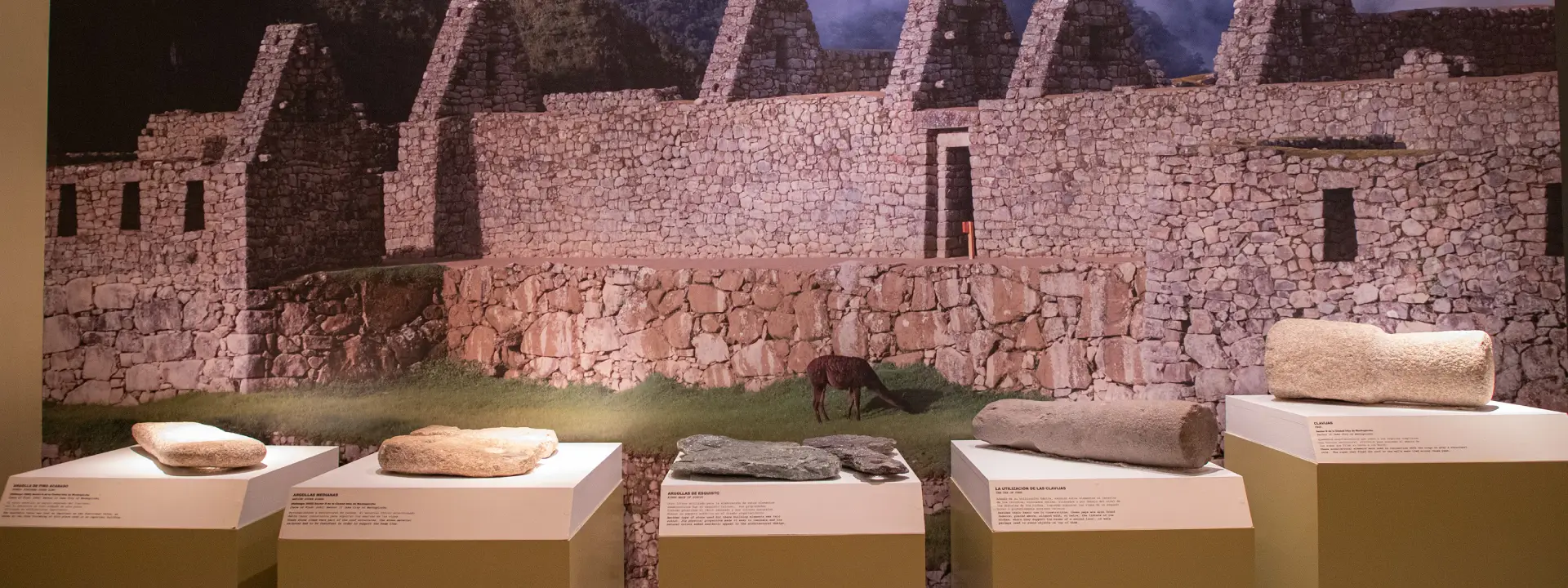
Inside the galleries, you will see objects found during excavations at the sanctuary, dating from pre Inca times through the Inca period. Infographics, maps, and photographs accompany the artifacts and explain the context of each discovery.
| Exhibition Topic | What You Will Learn |
|---|---|
| The landscape | Why this mountain, between the river and snowcapped peaks, was chosen |
| Construction | How stones were shaped and agricultural terraces were organized |
| Daily life | What objects residents used and how they obtained supplies |
| Archaeological research | How the sanctuary was rediscovered and studied during the 20th century |
The Botanical Garden
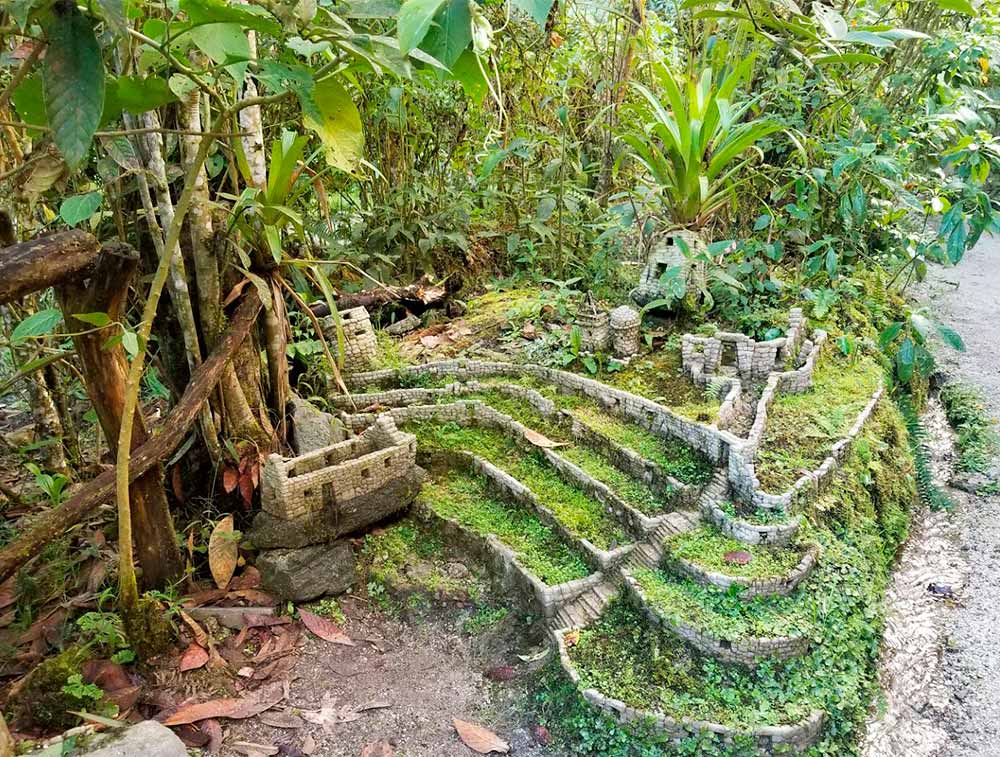
After exploring the galleries, you can stroll through a garden filled with plants native to the sanctuary, including a wide variety of orchids. It is a wonderful reminder that Machu Picchu is not just an archaeological site but also a protected natural area.
An Interesting Detail About the Site
The museum stands on ancient Inca terraces that descend toward the banks of the Urubamba River. As you walk around, look for the stone walls that emerge from the surrounding vegetation.
Opening Hours, Admission, and Visitor Information
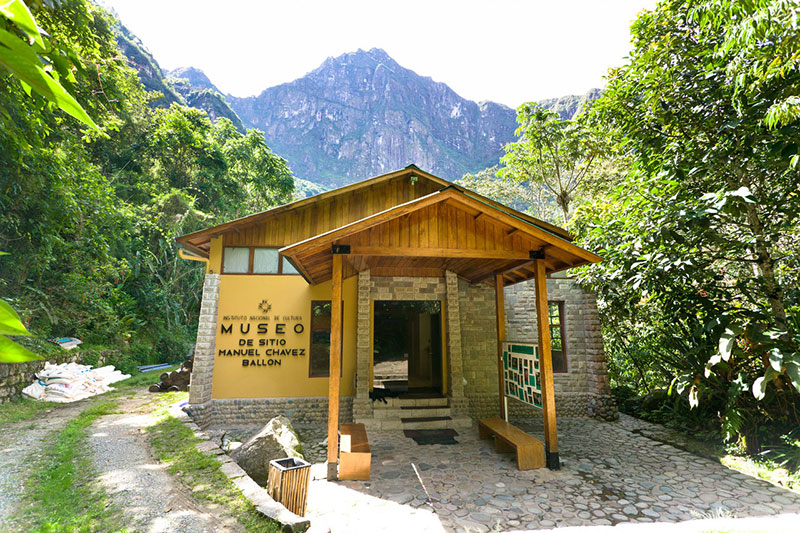
The museum is open daily from 9:00 a.m. to 4:00 p.m., and general adult admission costs S/ 22. Tickets are sold at the museum, so you do not need to book in advance.
| Information | Details |
|---|---|
| Location | Kilometer 112 of the railway, near the old Ruinas Bridge |
| Opening hours | Daily, 9:00 a.m. to 4:00 p.m. |
| Recommended visit duration | 1 to 1.5 hours, including the botanical garden |
| Approximate elevation | 6,562 feet (2,000 meters) above sea level |
| Climate | Warm and humid, with frequent rain from November through March |
Admission Fees
| Visitor Category | Price |
|---|---|
| Adult | S/ 22 |
| College or university student | S/ 11 |
| School student | Free |
Since October 2025, children and students ages 3 through 17, older adults, and people with disabilities have been eligible for free admission if they are Peruvian citizens or foreign residents of Peru.
Do Not Arrive at the Last Minute
Admission closes before the museum’s official closing time. If you arrive at the last minute, you might not be allowed inside, so leave yourself plenty of time for the walk.
How to Get to the Museum From Aguas Calientes
The museum is approximately 1.7 kilometers (1.1 miles) from Aguas Calientes, and walking is the most common way to get there. The journey takes about 20 to 30 minutes along a mostly flat route beside the Urubamba River.
Transportation Options
| Option | Approximate Time | How It Works |
|---|---|---|
| Walking | 20 to 30 minutes | Follow Hiram Bingham Road from town toward the citadel until you reach Ruinas Bridge |
| Bus to the citadel | About 5 minutes to the bridge area | The bus follows the same road. Ask whether you can get off near the bridge because the service normally goes directly to Machu Picchu |
Walking Directions
- Leave Aguas Calientes on the road leading toward the citadel, the same road used by the buses.
- Walk alongside the river until you reach the Ruinas Bridge checkpoint, where the climb to Machu Picchu begins.
- Cross the bridge and turn onto the marked path leading to the museum, just a short distance away.
Watch Out for Buses
The road is narrow, and buses travel along it frequently. Stay close to the edge, walk in a single file if you are with a group, and be especially careful around curves.
How to Combine the Museum With Your Machu Picchu Visit
The museum fits best into the day you arrive in Aguas Calientes or after your tour of the citadel. Ideally, you should have at least half a day free in town.
Should You Visit Before or After the Citadel?
| When to Visit | Advantage |
|---|---|
| Before | You arrive at Machu Picchu with a better understanding of what you will see and can get more out of your guide’s explanations |
| After | You can connect the museum’s artifacts with places you have already explored and find answers to questions from your visit |
Travel Plans That Leave Time for the Museum
If you take a 2 day Short Inca Trail tour, you spend the night in Aguas Calientes and have free time in the afternoon to walk to the museum. You can also choose a Machu Picchu train tour that includes an overnight stay in town, so you do not have to plan your museum visit around the return trip to Cusco.
Tips for Your Visit
- Bring insect repellent. This humid area has insects, especially near the river and garden.
- Keep a rain poncho handy. Rain can arrive unexpectedly, even during the dry season.
- Carry cash in Peruvian soles. You can use it to pay the admission fee at the ticket counter.
- Wear comfortable walking shoes. The route is mostly flat, but the round trip covers more than 3 kilometers (1.9 miles).
Frequently Asked Questions
Where Is the Machu Picchu Site Museum Located?
It is located at kilometer 112 of the railway, near the old Ruinas Bridge, approximately 1.7 kilometers (1.1 miles) from Aguas Calientes.
Does the Machu Picchu Ticket Include the Museum?
Not generally. The museum has a separate admission ticket, which you can purchase at its ticket counter.
How Much Time Do I Need to Explore the Museum?
Allow 1 to 1.5 hours, including the botanical garden. Add approximately 50 minutes for the round trip walk.
Can I Visit on the Same Day as the Citadel?
Yes. If you enter Machu Picchu early in the morning, you can return around midday and visit the museum in the afternoon before it closes at 4:00 p.m.
Is the Museum Suitable for Children?
Yes. The walk is mostly flat, and the museum visit is relatively short. Models and visual displays help keep children interested.


