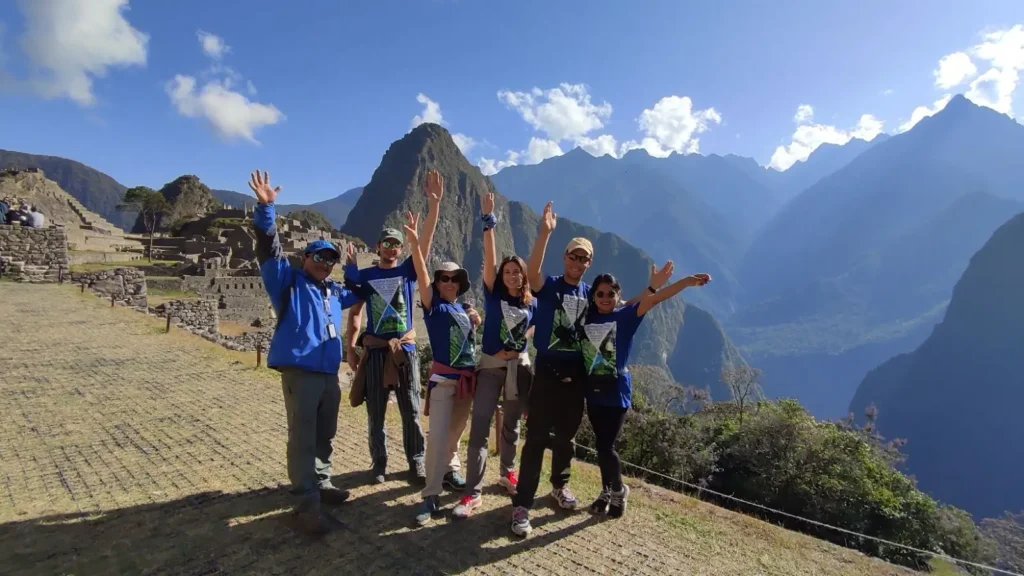
Few travelers know that there is a way to reach the Machu Picchu area without taking the train. The road route is a real, more affordable, and lesser-known alternative that connects Cusco with the Machu Picchu Hydroelectric Plant through a land journey across the valleys of Santa María and Santa Teresa. It’s not the fastest or most comfortable option, but for those traveling on a budget or wanting to explore a different route from the conventional one, it’s an experience worth considering in detail before deciding.
Can You Reach Machu Picchu by Car?
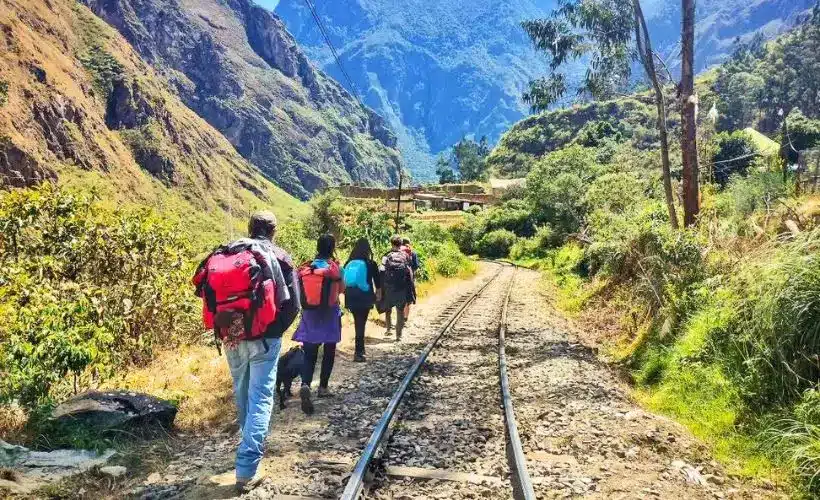
The short answer is: up to a point, yes. There is no road that directly reaches Aguas Calientes or the Machu Picchu citadel, as both destinations are surrounded by mountains and jungle with no direct vehicle access. However, it is possible to reach the Machu Picchu Hydroelectric Plant, simply known as the Hydroelectric, which is the closest point you can access by road. From there, the entry to Aguas Calientes is done on foot, following the train tracks for approximately 2 hours along the Urubamba River.
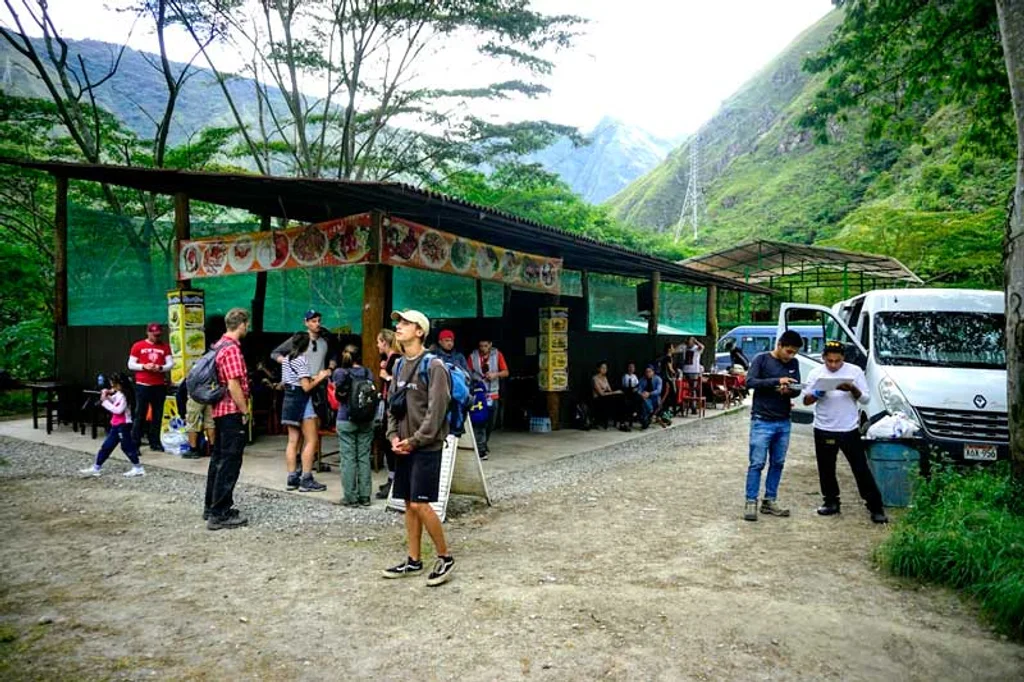
The Road Route from Cusco: Step by Step
The land journey from Cusco to the Hydroelectric Plant takes between 7 to 9 hours, depending on road conditions, weather, and the type of transport used. The route passes through three key points before reaching the final destination.
Cusco – Santa María
The first stretch leaves Cusco on the road to Quillabamba, crossing the Málaga Pass at over 4,300 meters above sea level before beginning the descent into the subtropical valleys. Santa María is a small town located about 148 kilometers from Cusco, where most vehicles stop for fuel or refreshments. This stretch takes approximately 4 hours under normal conditions.
Santa María – Santa Teresa
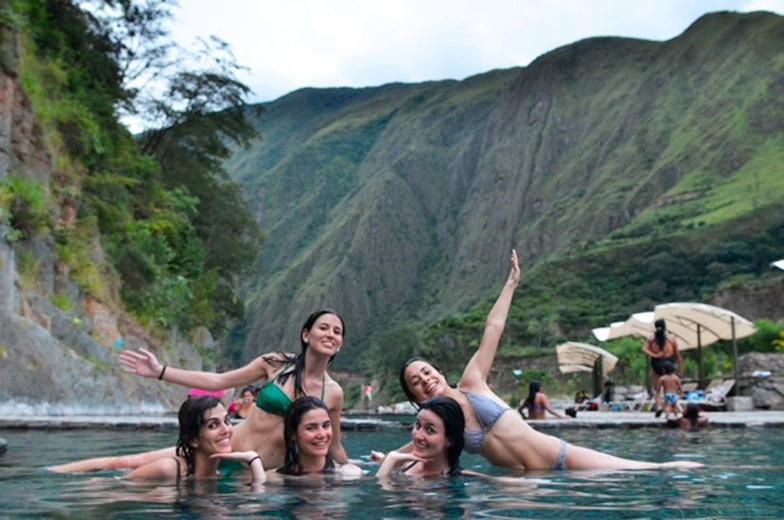
From Santa María, the road continues toward Santa Teresa, a town known for its hot springs and high jungle environment. This second stretch takes between 1 and 1.5 hours, and the road is narrower and winding, with unpaved sections that can become difficult during the rainy season. Santa Teresa is also a lodging option for those who prefer to rest overnight before continuing toward the Hydroelectric the next day.
Santa Teresa – Hydroelectric
The last stretch by road connects Santa Teresa with the Machu Picchu Hydroelectric Plant and takes about 30 to 45 minutes. From the Hydroelectric Plant, the 2-hour walk begins along the train tracks to Aguas Calientes, a flat route that follows the Urubamba River amidst jungle vegetation. It is an accessible walk for most travelers with no special physical condition required, though it’s recommended to bring water, sunscreen, and comfortable footwear.
What Type of Transport is Used on This Route?
The road route is mainly done in two ways. The first is by collective bus or minivan, which departs daily from the Cusco bus terminal to Santa María and Santa Teresa, with prices ranging from 25 to 40 soles per stretch depending on the operator. The second option is to hire private transport from Cusco, which covers the entire journey to the Hydroelectric Plant without intermediate transfers, offering greater comfort and more predictable travel times, but at a higher cost.
It is not recommended to do this route in a rented car unless you have experience with Peruvian mountain roads, as several sections have sharp curves, cliffs without guardrails, and irregular surfaces that require experienced driving, especially during the rainy season between November and March.
Advantages and Disadvantages of the Road Route
The main advantage of this route is the cost. Compared to the train, which can exceed $50 per stretch in its most affordable category, the road route to the Hydroelectric Plant can cost between 25 and 40 soles in collective transport, making it the most affordable option available. Additionally, the journey through the valleys of Santa María and Santa Teresa offers mountain and jungle landscapes that most tourists never see when taking the train directly.
The main disadvantage is the time. It takes between 7 to 9 hours by road, plus 2 hours of walking from the Hydroelectric, meaning if you leave Cusco in the morning, you will reach Aguas Calientes in the afternoon or evening, and your visit to Machu Picchu will necessarily be the next day. This requires at least one night’s accommodation in Aguas Calientes, adding to the total trip cost. The route can also be severely affected by mudslides, landslides, or heavy rains, especially between December and March.
The Road Route During the Rainy Season: Essential Precautions
Between November and March, the road to the Hydroelectric Plant may have sections blocked by landslides or mudslides (known as *huaicos*), which are common during intense rain on the Andean slopes. In such cases, travel may be interrupted for hours or even days, leaving travelers stranded with no alternative land route. If you plan to take this route during the rainy season, it’s crucial to check the road status before departure, travel with an agency that has real-time updated information, and always have an alternative plan, considering the train as a contingency option.
Is It Worth Combining Car and Train in the Same Trip?
A popular strategy among moderately budgeted travelers is to take the road route to the Hydroelectric and walk to Aguas Calientes, and then take the train back to Ollantaytambo and Cusco. This allows you to save on one leg of the trip, experience the alternative route, and enjoy the train ride back without the fatigue of the first day. It’s a smart combination that many agencies in Cusco offer as part of their affordable packages to Machu Picchu.
Travel the Alternative Route with Incredible Peru Tours
At Incredible Peru Tours, we know this route in detail and operate it with safe private transport, experienced drivers for mountain roads, and up-to-date information on the road conditions before each departure. We design packages that combine the road route with the walk from the Hydroelectric and the visit to Machu Picchu the following day, all coordinated with the entry to the archaeological site and accommodation in Aguas Calientes. If you’re looking to reach Machu Picchu in a different and more affordable way, contact us and let’s find the best option for your trip.