
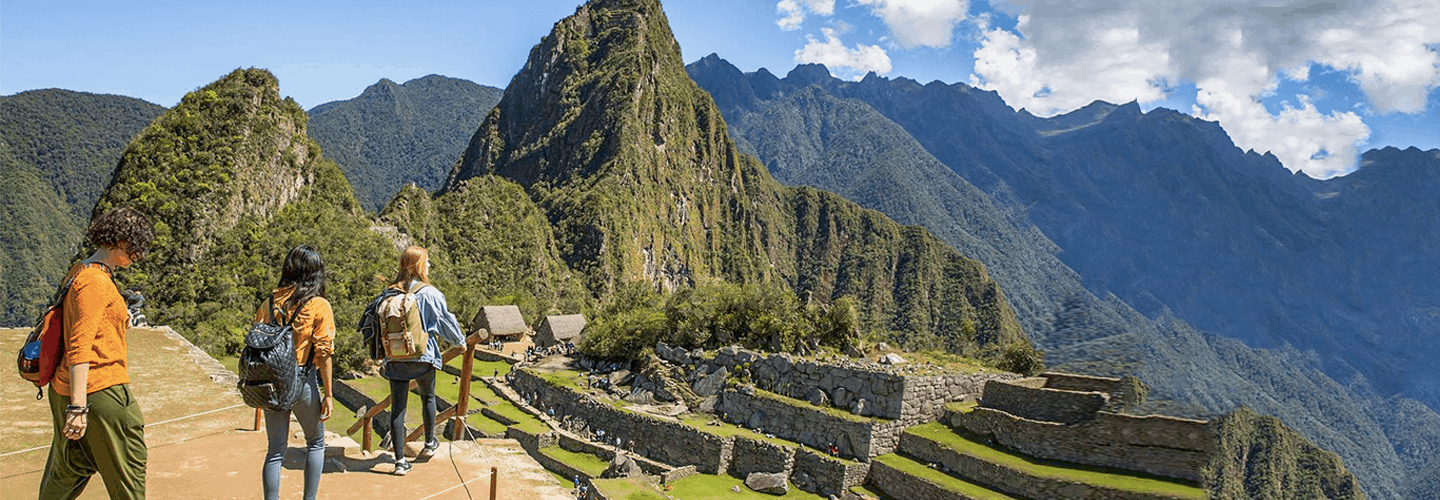
Getting to Machu Picchu is in itself part of the experience. Before booking any service, the first decision you need to make is how you want to take that journey: by train, with the comfort and speed that comes with it, or by hiking, with the depth and physical effort required to traverse pre-Columbian Andean paths. Neither option is better than the other in absolute terms. It all depends on your available time, physical condition, budget, and the type of trip you’re looking for.
The Train to Machu Picchu: Comfort, Speed, and Guaranteed Scenery
The train is the most comfortable and reliable way to reach Machu Picchu, and the journey itself is worth as much as the destination. PeruRail and Inca Rail run daily services from Ollantaytambo station, in the Sacred Valley, to Aguas Calientes, the town where you board the final bus up to the citadel. The trip takes between 1 hour 30 minutes and 2 hours: the train descends through the Urubamba River canyon, crosses the point where the mountains give way to jungle, and pulls into Aguas Calientes between walls of rock and dense vegetation you simply cannot see from any other mode of transport.
For travelers with limited time, families with children, older visitors, or anyone who wants to arrive with energy to make the most of the citadel, the train is the right call. It does not depend on weather or road conditions, it runs on schedule, and the scenery along the way is reason enough to choose it.
Hiking to Machu Picchu: The Most Important Treks
Reaching Machu Picchu on foot is a completely different experience that combines nature, history, and physical effort into one journey. There are two main routes to do this, each with its own level of difficulty and duration.
The Inca Trail: The Ultimate Historical Route
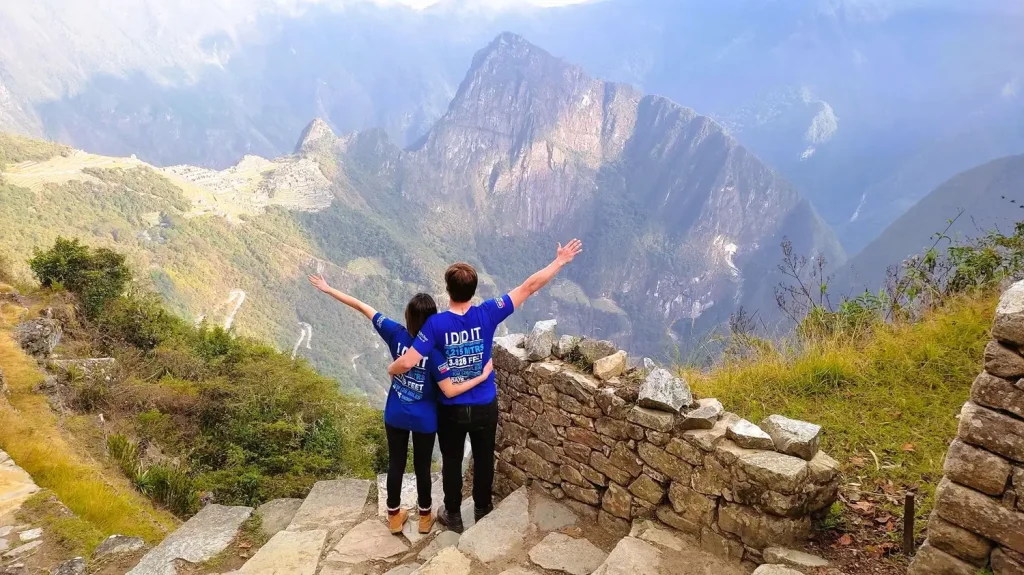
The classic Inca Trail is the most iconic trek in South America. It covers 43 kilometers of paths built by the Incas over 500 years ago, crosses several ecological zones, passes through intermediate archaeological sites like Wiñay Wayna, and culminates in reaching Machu Picchu through the Sun Gate at dawn on the fourth day. The maximum altitude of the trek exceeds 4,200 meters above sea level at the Warmiwañusqa pass, also known as the Dead Woman’s Pass, which requires reasonable physical condition and at least two days of acclimatization in Cusco.
Inca Trail permits are limited to 500 people per day, including tourists and support staff, and sell out months in advance, especially between April and August. The price includes the permit, official guide, cook, camping equipment, and meals for the four days, with prices ranging from $600 to $900 depending on the operator.
The Salkantay Trek: Extreme Nature and Fewer Restrictions
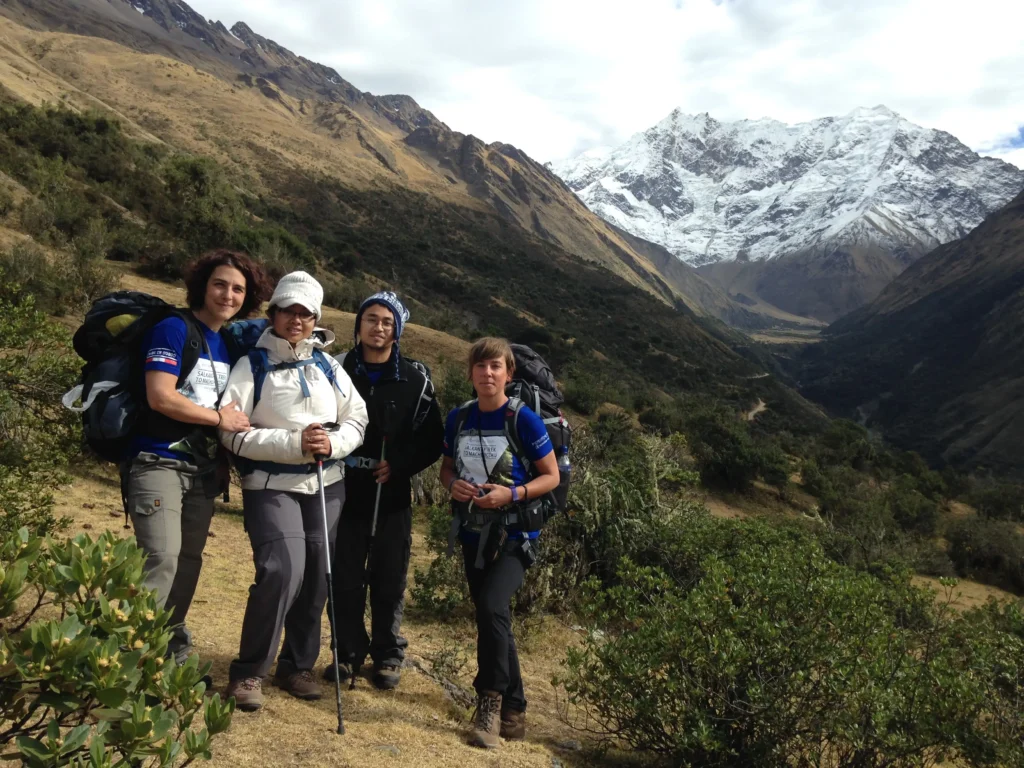
The Salkantay Trek is the most popular alternative for those who didn’t get permits for the Inca Trail or want a more nature-focused experience. It lasts between 4 and 5 days, crosses the Salkantay pass at 4,600 meters above sea level, one of the highest and most demanding points on any trek in the region, and descends from the Andean puna to the jungle before reaching Aguas Calientes. Unlike the Inca Trail, the Salkantay Trek doesn’t require special limited permits, and its prices are generally more affordable, with packages starting at $350 per person, including guide, meals, and accommodations along the route.
Train vs. Hiking: Direct Comparison
The main difference between both options is not just comfort or price but the total experience. The train takes you to Machu Picchu in less than two hours with spectacular landscapes from the window, without physical effort, and with your energy intact to explore the citadel. The treks take you to the same destination in four or five days, but the journey itself becomes the heart of the trip, with campsites in the mountains, archaeological sites only accessible on foot, and the satisfaction of reaching the destination after earning every kilometer.
In terms of cost, the train is more affordable if you only consider the transfer, but the treks include accommodation, meals, and a guide for several days, which makes them competitive compared to what they offer. In terms of time, the train requires only one day, while the treks take between four and five days, which must be added to the overall itinerary.
Which Option to Choose Based on Your Traveler Profile?
If you’re traveling with limited time, with children or older adults, or if it’s your first time in Peru and you want to explore several destinations on the same trip, the train is the most practical and efficient option. If you have between four and six days available, are in good physical condition, and want the journey to Machu Picchu to be as memorable as the citadel itself, either of the two treks will offer you something that the train simply cannot: the feeling of having earned it step by step.
Plan Your Arrival to Machu Picchu with Incredible Peru Tours
At Incredible Peru Tours, we design the itinerary based on what each traveler really needs. If you prefer the train, we manage PeruRail or Inca Rail tickets in the category that best suits your budget and coordinate them with your entry to the citadel and transfer from Cusco. If you prefer to hike, we organize the Inca Trail or the Salkantay Trek with certified official guides, full equipment, and all permits managed in advance. Contact us, and we’ll put together the best way for you to reach Machu Picchu based on your trip.


