
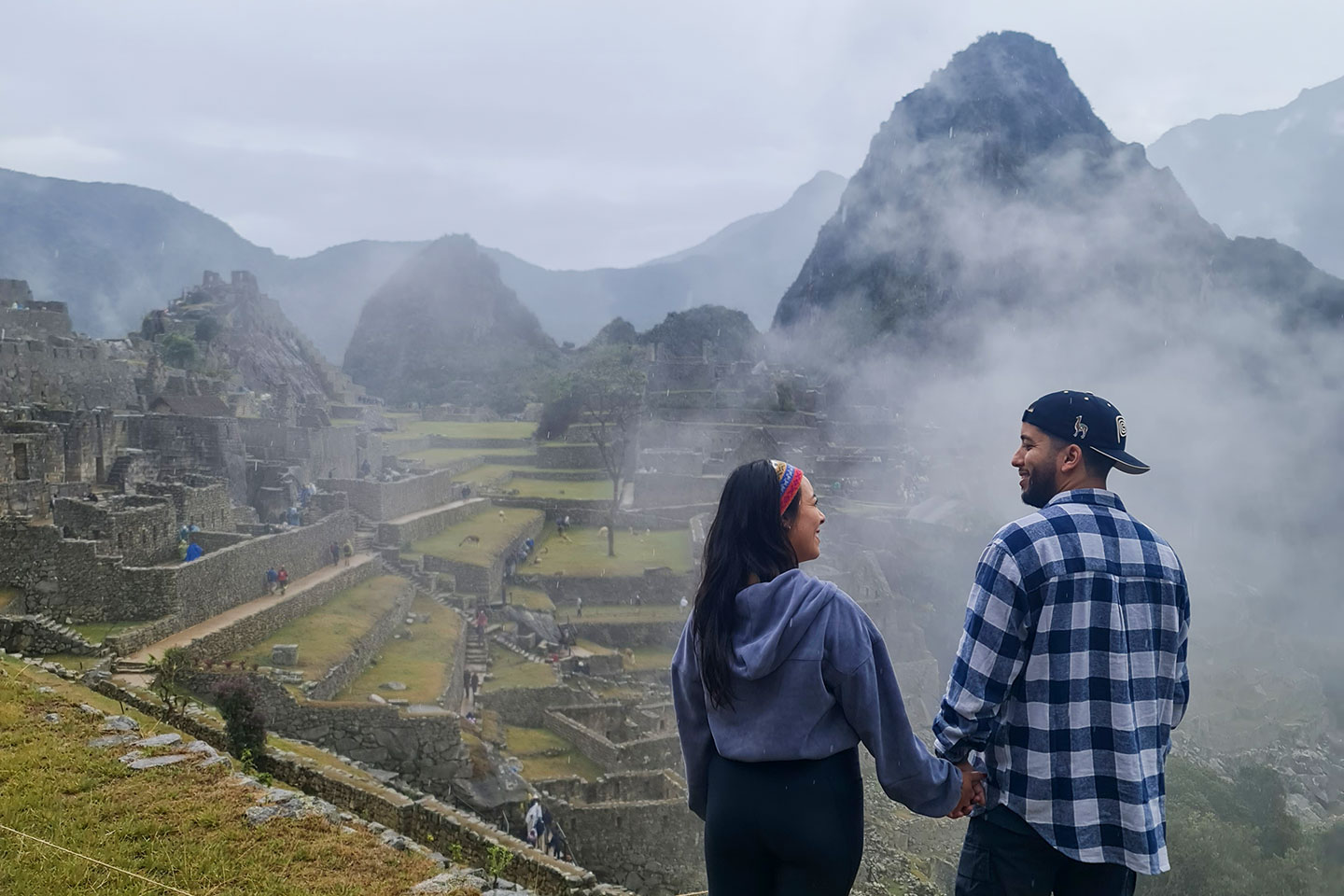
The rainy season in Machu Picchu has a bad reputation. Many travelers avoid it for fear of bad weather, slippery trails, or arriving only to see nothing because of the fog. However, those who dare to go during this time of year are often pleasantly surprised: the Inca citadel in the wet season has a kind of magic that is completely different from the summer months, and in many ways, it is more authentic, more peaceful, and visually more impressive than anyone imagines.
In this guide, we explain everything you need to know to decide whether the rainy season is the right time for your visit, what to expect from the weather, what real advantages it offers, and how to prepare to enjoy it to the fullest.
When Is the Rainy Season in Machu Picchu?
The wet season in the Cusco and Machu Picchu region runs from November to March, with December, January, and February being the months with the heaviest rainfall. During this period, the rains are intense but usually concentrated: they tend to fall heavily in the afternoons and at night, while mornings can be clear or partly cloudy.
This is key to understanding the weather patterns in Machu Picchu during the wet season. It does not rain all day, all the time. The most common pattern is open skies or low clouds early in the morning, moderate to heavy rain starting around midday, and clear or starry skies at night. If you plan your visit to take advantage of the early hours of the day, your chances of having good visibility are quite high.
April and October are transition months: technically outside the wet season, but with frequent rain still possible. For many experienced travelers, these two months represent the sweet spot of the year: fewer people than in the dry season, green and lush scenery, and more stable weather than in the heart of the austral winter.
What Are the Advantages of Visiting Machu Picchu During the Rainy Season?
Fewer tourists, more space. Machu Picchu’s high season runs from May to August, when the site receives its highest number of visitors. During the rainy season, those numbers drop considerably. This means shorter lines at the entrance, more freedom to move through the circuits without crowds, and an overall calmer, more intimate experience with the site. For many travelers who have visited during the dry season, the difference is noticeable and very welcome.
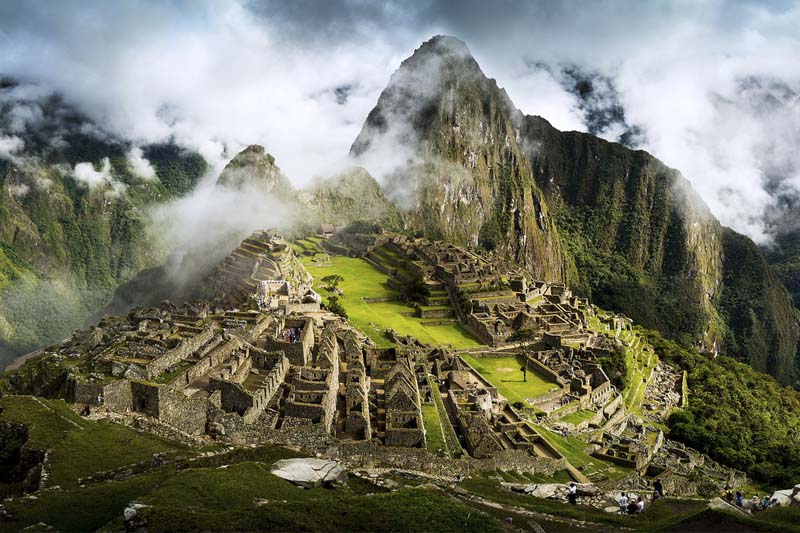
The vegetation is at its best. Machu Picchu is located in a high jungle region, and during the wet season the vegetation comes alive. The green terraces, the moss on the stones, the wildflowers among the ruins, and the overall lushness of the flora turn the site into an extraordinarily beautiful setting. Photos taken at this time of year have a richness of color that those from the austral summer simply do not have.
Clouds and fog create unique atmospheres. The low fog that wraps around the citadel on wet-season mornings is one of the most photographed sights in Machu Picchu. Those iconic images in which the ruins emerge from the clouds do not happen during the dry season: they are the direct result of the humidity of the wet months. If that kind of scenery feels magical to you, the rainy season is exactly when you are most likely to experience it.
Prices are lower. Flights to Cusco, hotels in Aguas Calientes, and tour packages in general are more affordable outside the high season. For travelers on a tighter budget or those who want to maximize the quality of their accommodations without paying peak-season prices, the wet months are a real opportunity.
Tickets are easier to get. During the high season, Machu Picchu entry slots sell out weeks or even months in advance. During the wet season, availability is much better, and you can plan your visit with less lead time. This gives more flexibility to travelers who are spontaneous or have changing itineraries.
What Drawbacks Should You Consider Before Going?
The Inca Trail may be closed. This is the most important point if your plan was to reach Machu Picchu by hiking the classic Inca Trail. During the month of February, the trail closes completely for maintenance and because of the safety conditions caused by the rainy season. If you are traveling in February and the Inca Trail is an essential part of your plan, you will need to rethink your route.
Some internal trails may be restricted. Within the archaeological site, heavy rain can lead to the temporary closure of certain trails for safety reasons. This mainly affects the higher circuits, such as access to the Sun Gate or Machu Picchu Mountain. These restrictions are temporary and depend on the conditions of the day, but it is something you should keep in mind if you are planning one of these hikes.
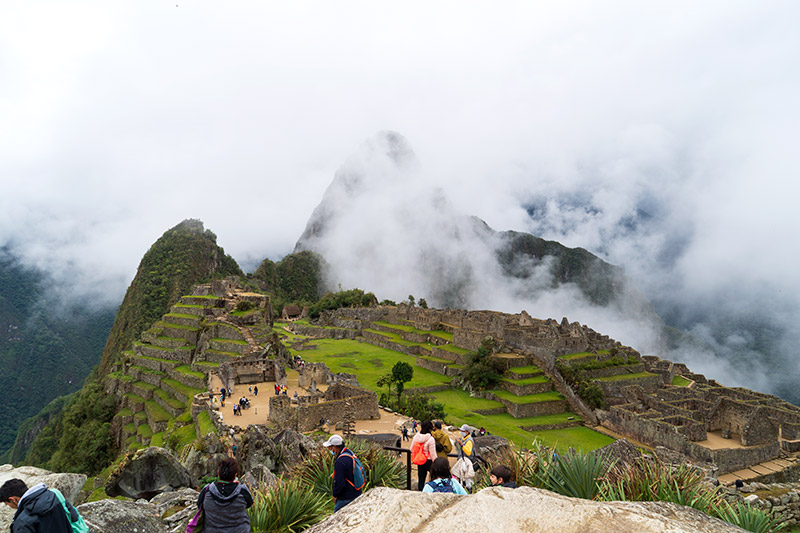
Visibility may be limited at certain times. If you arrive at the citadel during heavy rain or dense fog, visibility of the panoramic views may be nonexistent. This does happen, and you need to be prepared for it. However, as we explained earlier, early mornings are usually the clearest time of day even in the middle of the wet season.
The paths are more slippery. Wet stone on the site’s trails can be treacherous. Footwear with good non-slip soles is essential, not optional, at this time of year.
How to Prepare for Visiting Machu Picchu During the Wet Season
With the right preparation, the rainy season is not only manageable: it can be the best decision you make for your trip. These are the essentials you should not go without:
- Waterproof jacket or rain poncho: This is the most important item. A good lightweight rain jacket or a poncho that also covers your backpack is essential. The disposable ponchos sold in Aguas Calientes work for one day, but if you plan to spend several days in the area, invest in something of better quality.
- Waterproof footwear with non-slip soles: Waterproof hiking boots are the best option. Running shoes with good traction can also work, but smooth-soled shoes are a real risk on wet stone.
- Backpack with a rain cover: Your camera, documents, and change of clothes should be protected. A rain cover for your backpack or zip bags inside it will do the job.
- Quick-dry clothing: Avoid cotton, which absorbs moisture and takes hours to dry. Go for technical clothing or merino wool layers that dry quickly and keep you warm even when damp.
- Book the earliest entry time available: During the wet season, this matters more than ever. Early mornings are the window of best visibility during the day. Entering at 6:00 or 7:00 a.m. maximizes your chances of seeing the site under clear skies or with that photogenic low fog.
The Month of February: The Exception That Proves the Rule
February deserves special mention. It is the rainiest month of the year in the region, the Inca Trail is closed, and many tourism services operate less frequently. For most travelers, February is the least recommended month to visit Machu Picchu.
However, there is one notable exception: not the pre-Hispanic Inti Raymi festival, but rather Cusco Carnival, which is celebrated in February with a great deal of energy and color throughout the city. If you combine your visit to Cusco with the carnival celebrations, February can have a different kind of appeal. Just keep in mind that Machu Picchu in this month requires more patience with the weather and more flexibility in your itinerary.
Which Month of the Wet Season Is Best for Visiting?
If you have to choose within the wet season, these are the most favorable months depending on different types of travelers:
- November: The beginning of the wet season. The rains start to become noticeable, but there are still many very clear days. The landscape begins to turn green and there are few tourists. A very good month for anyone looking for a balance between weather and tranquility.
- December: The rains become heavier, but the mornings are still very workable. The vegetation is in full splendor. Be mindful of the Christmas holiday period, which attracts more travelers and can drive up prices.
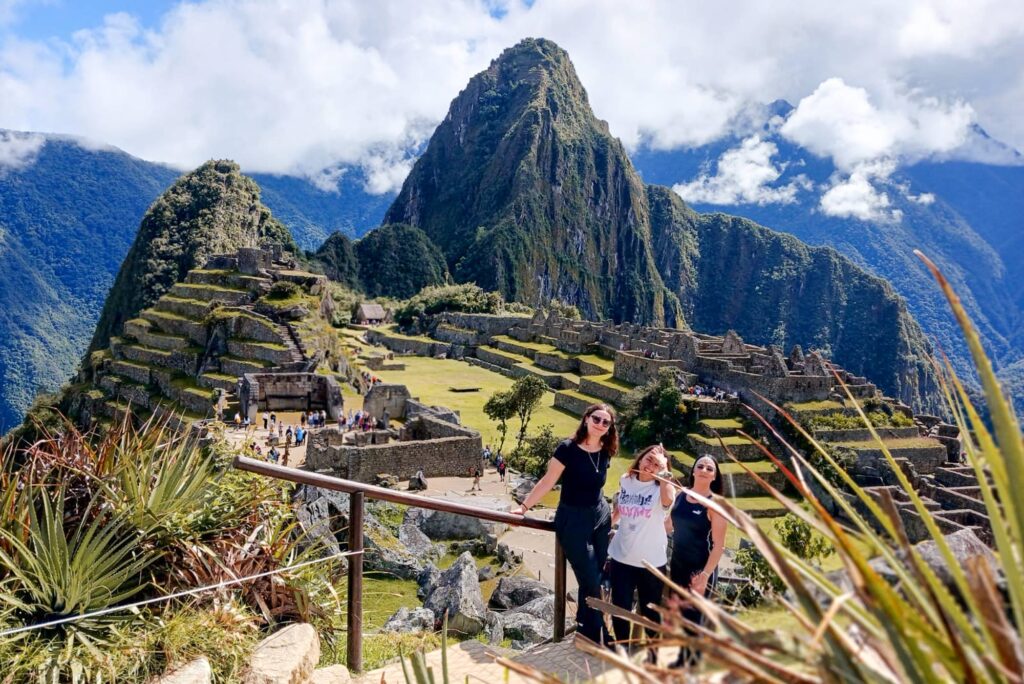
- January: Peak wet season, frequent rainfall, but also the time when the flora is at its most lush. The citadel wrapped in fog in January creates spectacular images.
- March: The rains begin to ease toward the end of the month. It is a transition period with increasingly clear days and the landscape still completely green. Highly recommended for travelers with flexible dates.
Is Machu Picchu Worth Visiting During the Rainy Season?
Yes, it is worth it. With the right expectations, good preparation, and a flexible mindset, the wet season offers a version of Machu Picchu that many consider more authentic and more impressive than the austral summer. Fewer people, more greenery, more atmosphere, better prices, and that magical fog that makes every photo feel special.
It is not the season for travelers looking for guaranteed sunshine all day, nor for those whose fixed plan is to hike the Inca Trail in February. But for the flexible, curious, and well-prepared traveler, the rainy season in Machu Picchu can be the best time of year to visit the Inca citadel.
Do you want to plan your visit to Machu Picchu during the wet season with every detail taken care of? At Incredible Peru Tours, we know the site in every season and know how to organize a perfect experience no matter what month you travel.


