
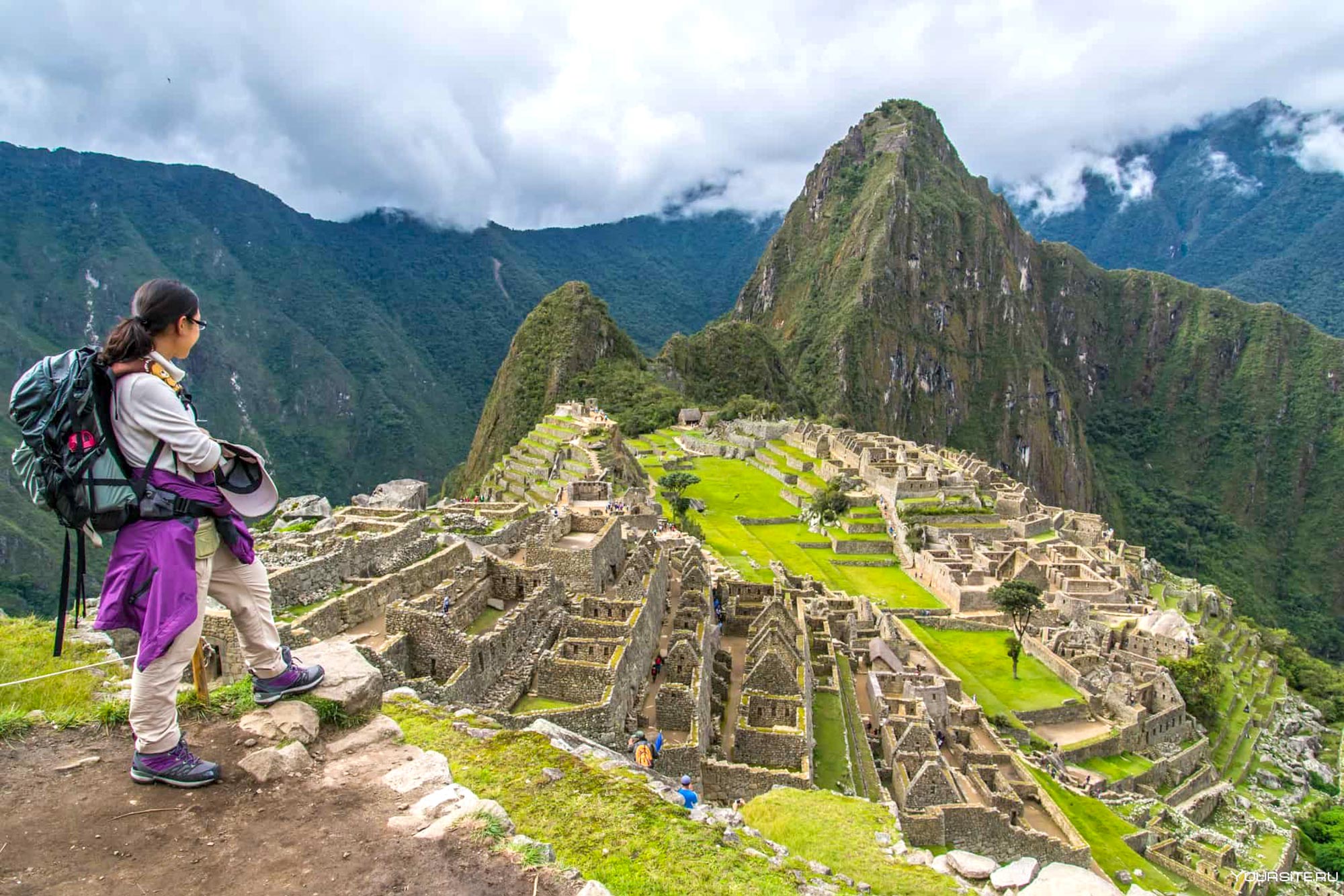
The entry time to Machu Picchu is not a minor detail. Unlike most museums or tourist attractions in the world, at Machu Picchu the time you cross the entrance gate determines who you share the space with, what lighting you have for photography, what the temperature is like inside the site, and whether you reach the most iconic spots with or without lines of groups waiting their turn. At Incredible Peru Tours, we coordinate dozens of visits every week, and the difference between entering at 6:00 a.m. and entering at 10:00 a.m. is the difference between two radically different experiences in the same place.
This guide explains how the entry schedule system works in 2026, which time slot is best depending on your travel style, and what to expect during each part of the day inside the site.
How the Machu Picchu entry schedule system works in 2026
Access to Machu Picchu is regulated by Peru’s Ministry of Culture through a schedule-based entry system with specific admission times. The ticket assigns an entry time slot, not open admission for any time of day. The main time slots available in 2026 are:
- Morning shift: entries from 6:00 a.m. to 9:00 a.m.
- Midday shift: entries from 9:00 a.m. to 12:00 noon.
- Afternoon shift: entries from 12:00 p.m. to 3:00 p.m.
Once inside the site, visitors may remain for the amount of time allowed by their selected circuit, usually between two and four hours depending on the chosen route. The ticket is linked to the passport of the person who purchased it and is non-transferable. If you do not arrive within the assigned time slot, access may be denied or subject to availability in the next shift, which during high season rarely exists.
The early morning shift: why it is the most recommended
The earliest entry shift, between 6:00 and 7:00 a.m., is the one most experienced guides at the site consider the most valuable of the day, and the reasons are specific and cumulative.
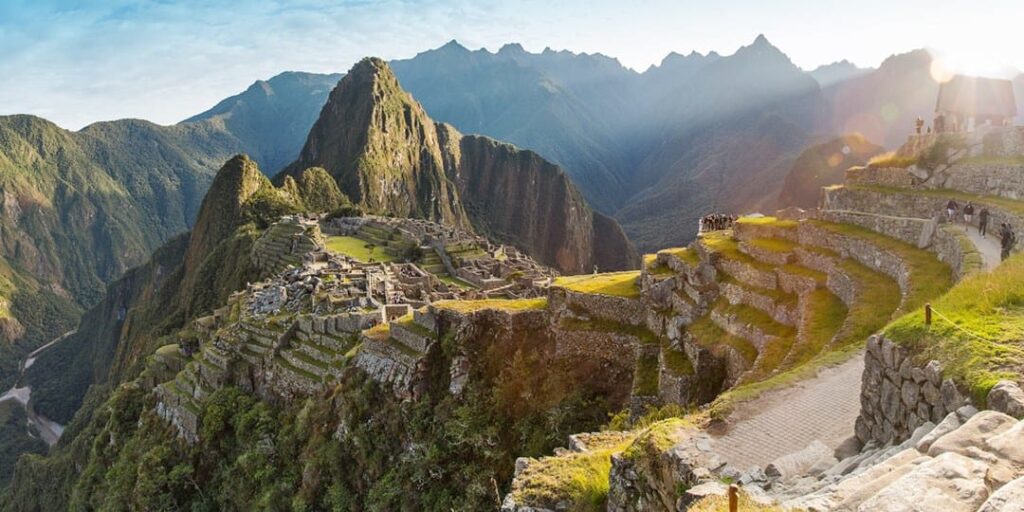
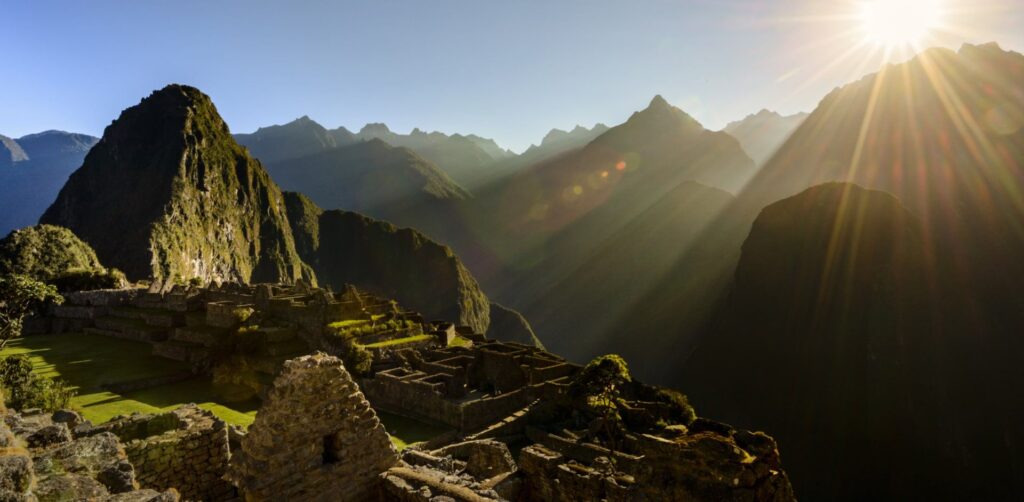
The first reason is the light. Early in the morning, the sun rises behind Huayna Picchu and casts warm side lighting across the stone terraces for approximately two hours before the sun climbs high enough to become harsh overhead light. That early morning light produces the richest contrast and texture in photographs that can be taken at the site, regardless of the photography equipment you bring.
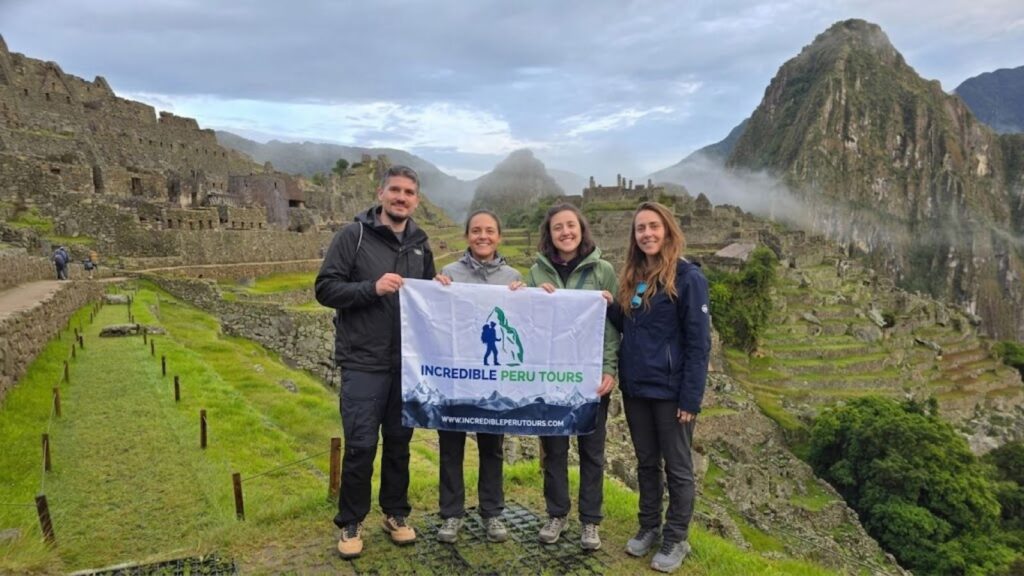
The second reason is the mist. On most days, especially during the rainy season and transition months, Machu Picchu wakes up surrounded by low clouds rising along the mountainsides, which gradually dissipate with the warmth of the early morning. That mist over the ruins, with the terraces emerging through the clouds and Huayna Picchu in the background, is the site’s most iconic image and is only available during the first hours of the morning.
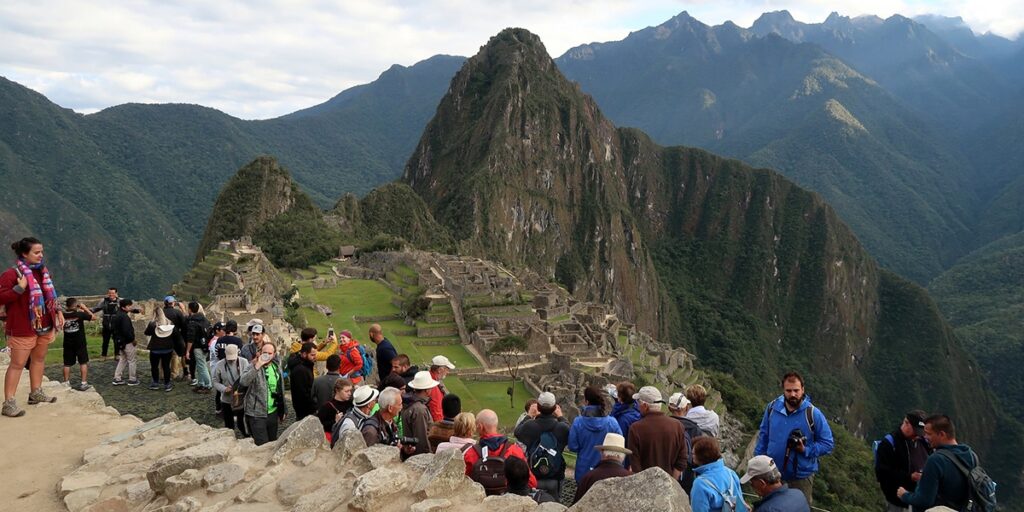
The third reason is tranquility. Tourist groups arriving by bus from Aguas Calientes begin to accumulate starting around 8:00 or 9:00 a.m. Those entering at 6:00 or 6:30 have approximately two hours of relative solitude on the main circuits, with the most famous photography spots accessible without waiting in lines or managing the flow of other groups.
The midday shift: who it makes sense for
The entry shift between 9:00 a.m. and 12:00 noon is the busiest and creates the most crowded experience of the day. During high season, between June and August, groups accumulate at the most visited points of the circuit during these hours, and the sense of open space present in the early morning disappears in favor of more controlled and crowded circulation.
However, this shift has one specific advantage for certain visitors. The light during the central hours of the day, although less favorable for landscape photography, illuminates the interiors of the structures and the architectural details of the Inca stonework more evenly than the side lighting of sunrise. For visitors interested in archaeological and construction details, the midday shift may be more suitable than the early morning shift.
It also makes sense for those arriving from Cusco on the same day without staying overnight in Aguas Calientes, because the earliest trains from Ollantaytambo arrive in the base town at a time that makes it difficult to be at the site entrance before 9:00 a.m.
The afternoon shift: the least valued option with its own charm
The entry shift between 12:00 p.m. and 3:00 p.m. is the least requested and the one with the greatest ticket availability, even with short notice. Visitor traffic during these hours begins to decrease compared to midday because the groups that arrived in the morning are leaving, and starting around 2:00 or 3:00 p.m., the site regains some of the tranquility of the early hours.
The afternoon light, especially between 2:00 and 3:30 p.m. during months when the sun moves westward, illuminates certain sectors of the site with a warmth that midday light does not produce. The agricultural terraces in the southern sector and the structures in the main urban sector receive this light in a way that, during the sunniest months, creates surprisingly beautiful photographs for those who do not expect it.
The risk of the afternoon shift is rain. During the rainy season, precipitation is usually concentrated in the afternoons, and a downpour inside the site, although it does not prevent the visit, significantly changes comfort and photography conditions. Anyone choosing the afternoon shift during the rainiest months should bring a rain jacket from the beginning of the visit, not keep it in their pocket waiting for the rain to arrive.
How much time you need inside the site
The ideal amount of time inside Machu Picchu depends on the selected circuit and what you want to do with that time. The standard circuit that covers the site’s most famous areas, including the agricultural terraces, Main Plaza, Temple of the Sun, and Intihuatana, can be completed in two hours at a moderate pace. With three hours, there is enough time to stop and explore the structures in greater detail and to climb to the upper viewpoint where the most famous panoramic perspective of the site is obtained.
If the circuit includes the hike to the Sun Gate, you should add between one and a half and two additional hours to the time required for the main circuit. If it includes the hike to Machu Picchu Mountain or Huayna Picchu, tickets for those mountains have their own access schedules that must be coordinated with the site entry time.
At Incredible Peru Tours, when coordinating Machu Picchu visits for groups arriving from the Inca Trail or the Salkantay Trek, we recommend reserving at least three hours inside the site for the main circuit. That amount of time allows visitors to explore without rushing and leaves room for the moments that were never part of the itinerary: the llama that comes too close, the view that suddenly opens around a bend in the trail, or the conversation with the guide about an architectural detail that no book describes exactly the same way.
The first bus from Aguas Calientes: when it leaves and why it matters
For those staying overnight in Aguas Calientes and wanting to reach the site during the first available shift, the first bus from town to the entrance of Machu Picchu usually departs at 5:30 a.m. The line for that first bus begins forming before 5:00 a.m., and during high season there may be a wait of twenty to thirty minutes before boarding.
Anyone holding a ticket for the 6:00 a.m. shift and taking the first bus arrives at the site entrance at approximately 5:55 or 6:00 a.m., with just enough time to pass the access checkpoint before the shift closes. Arriving later with a ticket for that shift can complicate access during high season, when checkpoint guards are stricter with schedules due to pressure from the following groups.
The alternative to the bus is hiking uphill from Aguas Calientes along the mountain trail, which takes between 40 and 60 minutes depending on pace. Those arriving via the Inca Trail have already completed that section on foot from the Sun Gate. For everyone else, hiking up instead of taking the bus is an option some travelers choose to avoid depending on bus schedules and to arrive at the site with their body already active.
Practical tips to make the most of your selected schedule
- Buy the ticket with the earliest available time slot. During high season, morning shifts sell out first. If the 6:00 a.m. slot is no longer available when searching, the 7:00 a.m. or 8:00 a.m. slots are still better options than the midday shift in terms of lighting and crowd levels.
- Coordinate your entry time with the bus schedule. If the bus takes between 25 and 30 minutes to climb from Aguas Calientes and the first bus leaves at 5:30 a.m., arriving at the bus stop before 5:15 a.m. is what guarantees being at the site entrance on time for your shift.
- Download your ticket for offline access. The signal near the site entrances can be unstable. Having the ticket QR code downloaded on your phone without needing internet access avoids the problem of not being able to show it at the checkpoint.
- If your ticket includes Machu Picchu Mountain or Huayna Picchu, verify the access schedule for those mountains. Access to each has its own time slot that must be coordinated with the general site entry shift. At Incredible Peru Tours, we always verify this before confirming any combined ticket.
- Visit the most photogenic spots first, before the second-shift groups arrive. The upper viewpoint, the terrace with the classic citadel view, and the Intihuatana sector are the areas that become most crowded starting around 8:30 or 9:00 a.m. Prioritizing those spots during the first hours of the morning shift is the strategy that makes the biggest difference.
Would you like Incredible Peru Tours to coordinate your Machu Picchu ticket with the best schedule for your arrival from the Inca Trail, the Salkantay Trek, or from Aguas Calientes? Contact us with your travel dates, and we will arrange your access so you can make the most of every hour inside the site.


