
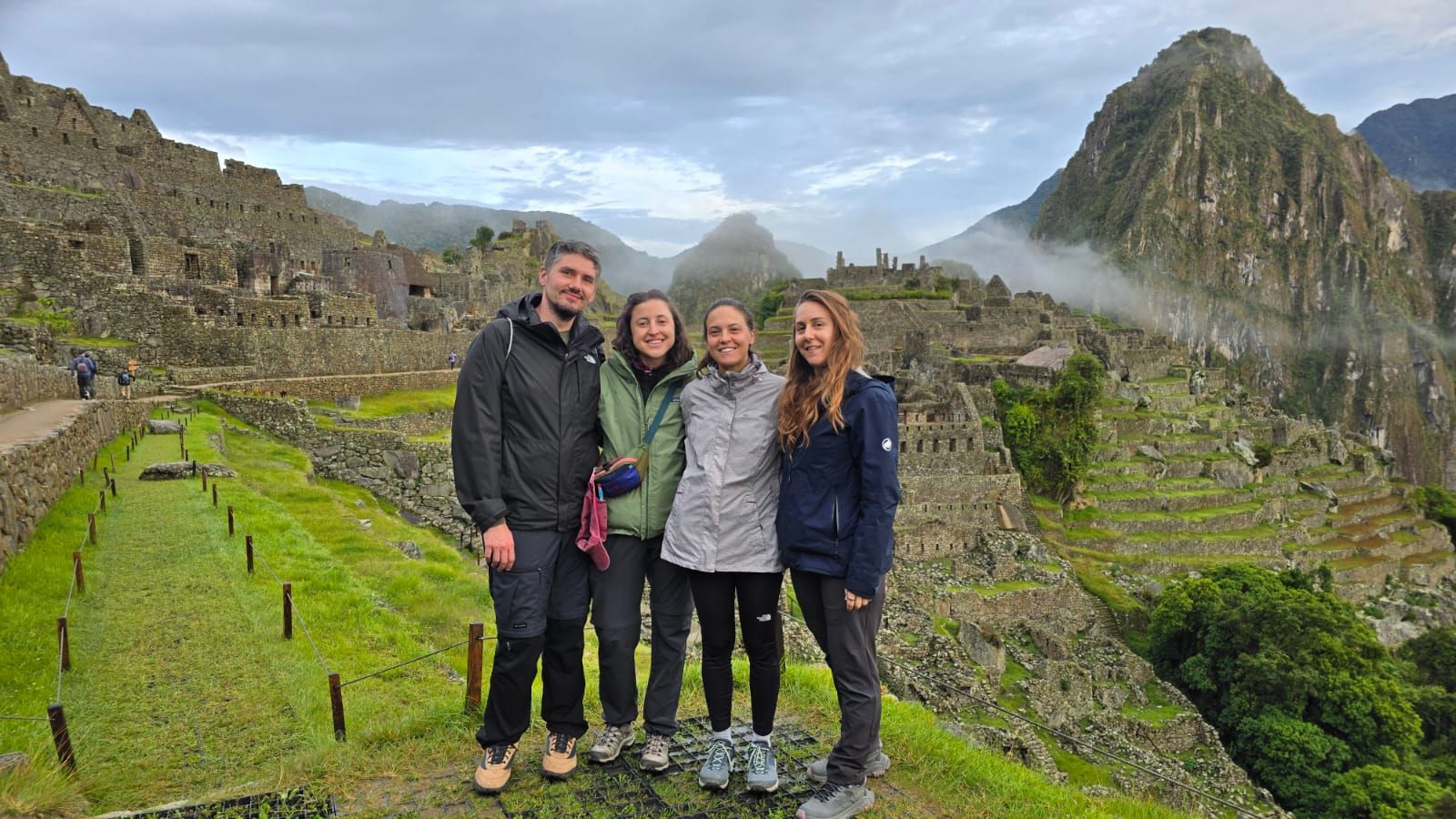
Machu Picchu sits at 2,430 meters above sea level in an area where the weather changes quickly and with little predictability. A morning that begins with cool mist can end with intense sun by midday, and a day that starts out clear can bring rain by mid-morning without warning. This climate variability makes choosing what to wear for the visit more than a minor detail; it directly affects the comfort and enjoyment of one of the most important travel experiences for anyone who reaches this place.
This guide explains what to wear when visiting Machu Picchu, what not to bring, and how to adapt your clothing to the time of year you travel.
The principle that organizes everything: the layering system
The most efficient way to dress for Machu Picchu is the layering system: three garments that can be added or removed depending on the temperature and the activity at the moment. This system does not add weight or bulk if the garments are chosen correctly, and it is the only way to be prepared for the cooler conditions early in the morning and the heat of the midday sun without carrying too much clothing.
The base layer is the shirt in contact with your skin. The middle layer is a light warm garment, a thin fleece, or a light jacket for the early morning hours when the temperature inside the site can feel cool. The outer layer is the rain jacket or windbreaker that stays folded in your backpack for moments of rain or wind. The last two layers stay in your backpack during the warmest hours and are put on when the weather changes.
The shirt: cotton or technical fabric depending on the type of visit
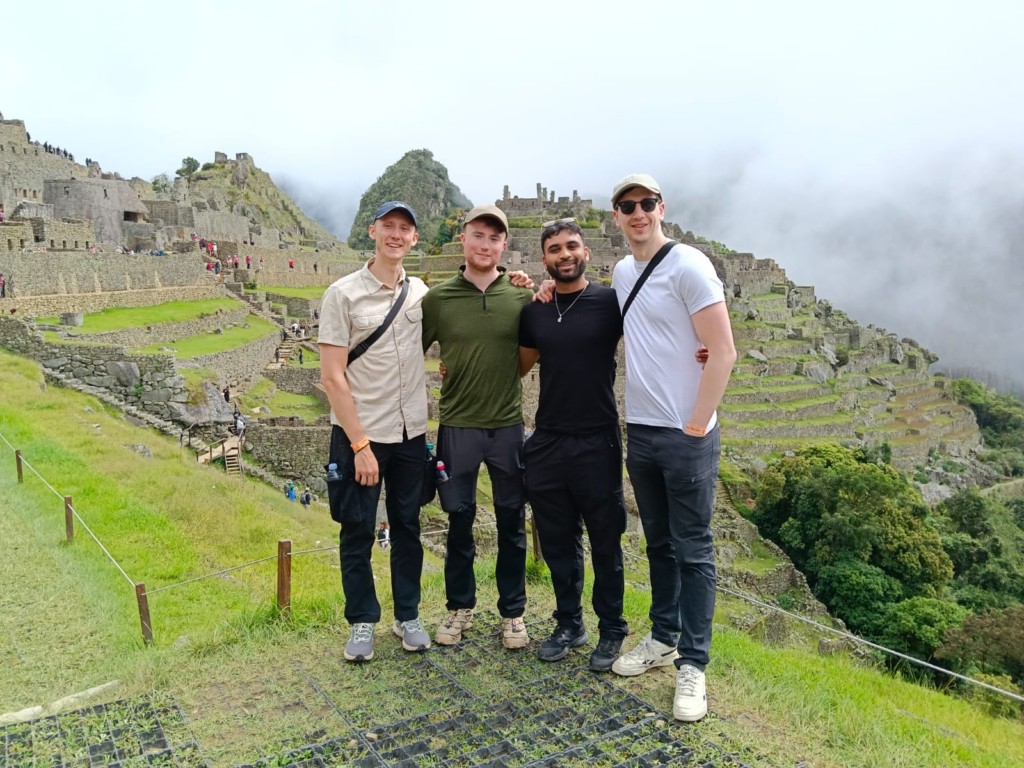
For a visit to the archaeological site without a previous trek, a comfortable cotton T-shirt is perfectly suitable. Walking through Machu Picchu does not produce the same level of sweating as a mountain trek, and cotton, which retains moisture, is not the same problem here that it is on the Inca Trail or the Salkantay Trek.
For travelers arriving at Machu Picchu directly from the Inca Trail or the Salkantay Trek while still wearing their trekking clothes, the quick-dry technical shirt used on the trail is completely appropriate for the visit to the site. There is no dress code at Machu Picchu that requires city clothes.
In any case, a long-sleeve shirt has an advantage over a short-sleeve shirt on days with strong sun because it protects the arms from UV radiation, which is significantly stronger at 2,430 meters than at sea level. If you wear a short-sleeve shirt, sunscreen on your arms is essential and should be reapplied every two hours during the visit.
Pants: comfort and mobility over appearance
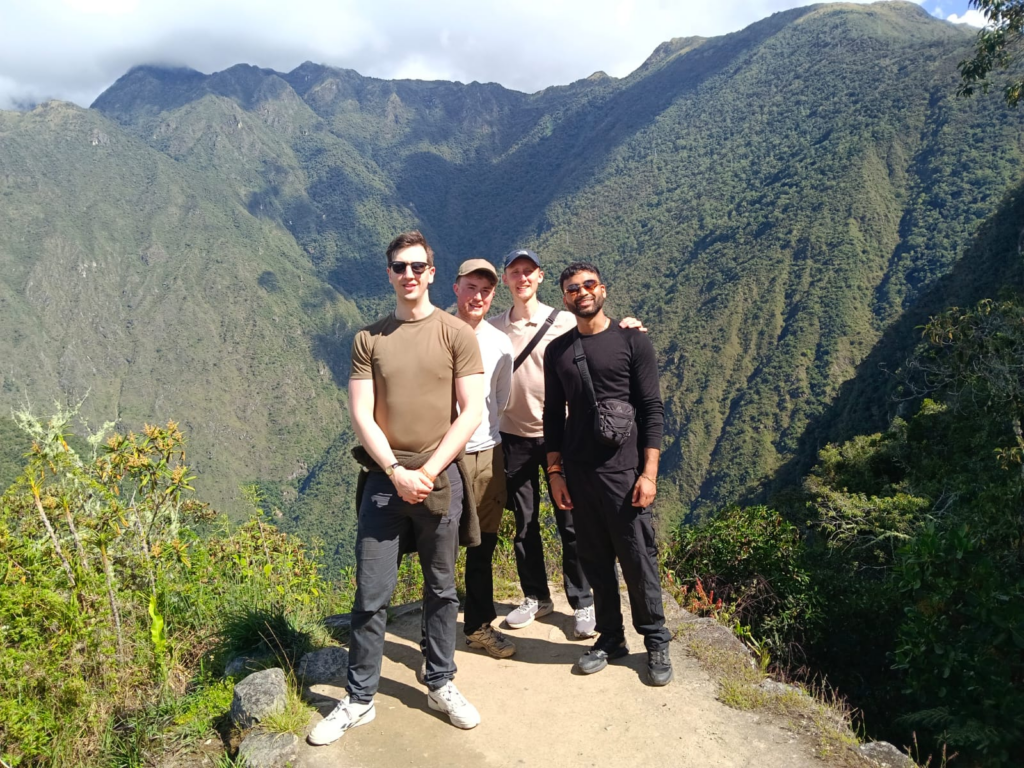
Pants for visiting Machu Picchu should prioritize freedom of movement above everything else. The route through the site includes stone steps of different heights and uneven sections where leg mobility has a real impact on how easy the walk feels.
Quick-dry trekking pants are the most functional option for any weather condition. They are lightweight, comfortable during more demanding sections, and dry in minutes if they get wet from rain or morning dew. Jeans are the least suitable choice: they become heavy when wet, take hours to dry, and can limit leg movement on steep stair sections.
Shorts work well on sunny and warm days, especially for the midday time slot when the temperature inside the site can rise above 20 degrees Celsius. For the first hours of the morning at any time of year, long pants are more appropriate because the cool temperature of the morning mist can make shorts uncomfortable until the sun warms the area.
The rain jacket: the most important piece of clothing
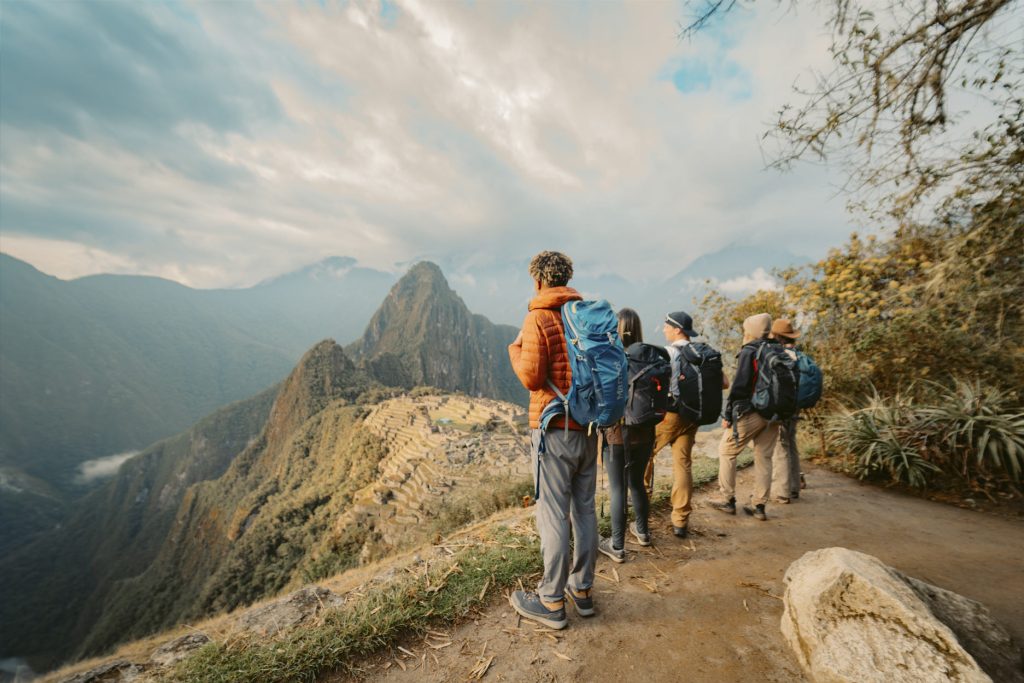
If there is one item of clothing that should never be missing from your backpack for a visit to Machu Picchu, it is a rain jacket. Machu Picchu is located in the cloud forest, a climatic transition zone where rain can appear at any time of day regardless of the forecast. During the wet season, from November to March, the chance of rain during the visit is high. During the dry season, from April to October, the risk is lower but not nonexistent.
A lightweight rain jacket that folds easily into your backpack without taking up much space is the right option. It does not have to be a technical mountaineering garment: a basic waterproof and windproof shell, the kind sold in any sports store, works perfectly for the usual rain conditions at the site.
The disposable plastic poncho sold at the stalls in Aguas Calientes is an emergency alternative for travelers who arrive without a rain jacket. It works to protect you from water, but it does not handle wind well and is not comfortable for walking for hours. If you have the choice, your own rain jacket is always a better option than a plastic poncho.
Footwear: the most critical decision after clothing
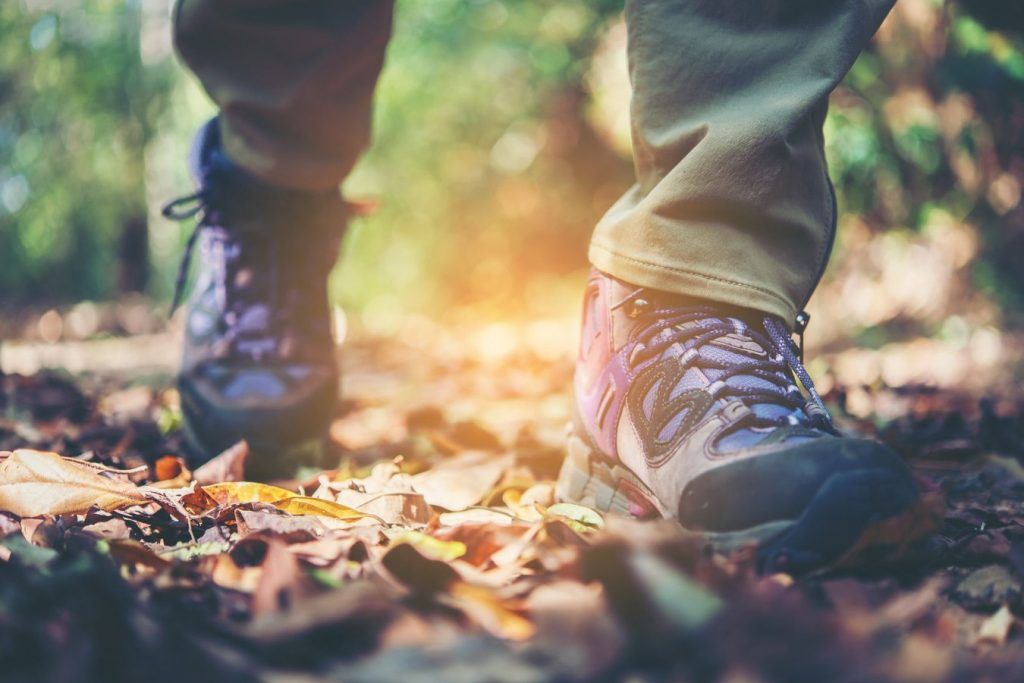
The terrain at Machu Picchu includes Inca stone blocks of different heights and angles, irregular stairways, and some sections that can become slippery on rainy days or during mornings with dew. Footwear with a rubber sole and good grip is essential. Regular athletic shoes with rubber soles work well in dry conditions. Mid-cut trekking boots add ankle support, which is especially useful on the more uneven sections of the circuit.
Smooth-soled shoes, dress shoes, sandals without heel support, or high heels are options that create a real risk of falling on the terrain at Machu Picchu. In some sections, park rangers may point them out as inappropriate for continuing the visit. It is one of those decisions that seems obvious when you read it, but every season still creates uncomfortable situations at the access control.
Hat or cap: essential regardless of the forecast
UV radiation at 2,430 meters above sea level is considerably stronger than at sea level. This means that even on cloudy days, which are common at Machu Picchu, exposure to UV rays can cause sunburn faster than the lack of visible sun in the sky might suggest. A wide-brim hat or a cap with a visor protects the face, ears, and neck during the hours of greatest exposure, which at the site often coincide with terrace and viewpoint sections where there is no shade available.
What not to bring: clothing that makes the visit harder
Knowing what to leave at the hotel is just as important as knowing what to bring. Machu Picchu does not have a cloakroom or luggage storage area inside the archaeological site. The backpack you bring to the entrance is the backpack you carry throughout the entire route, and its weight becomes noticeable after two hours of walking on uneven terrain at 2,430 meters.
City clothes used for Cusco or for the return trip should be left at the hotel in Aguas Calientes or at your accommodation in Cusco before going up to the site. Dress shoes or heels used for evenings in Cusco have no purpose at Machu Picchu and only add unnecessary weight. High-mountain warm clothing used on the Inca Trail or the Salkantay Trek, if it is already inside the large backpack stored by the hotel, can stay there, except for the rain jacket, which is worth bringing.
Clothing according to the time of year
During the dry season, from May to October, mornings at Machu Picchu begin cool, with mist that the sun gradually clears throughout the morning. A light warm middle layer is useful for the first time slot and can usually be stored in the backpack after 9:00 or 10:00 a.m. The sunniest days in July and August can feel like summer by midday inside the site, making a short-sleeve shirt with sunscreen the most comfortable option for the midday time slot.
During the wet season, from November to March, the rain jacket stops being optional and becomes the most important item in your day’s gear. Rain during this period usually concentrates in the afternoons, but on some days it can begin in the morning without warning. Keeping the rain jacket visible and accessible in your backpack, not buried at the bottom under everything else, is the difference between putting it on in thirty seconds when the rain starts and searching for it for two minutes while getting wet.
During the transition months, April and October, the weather can show characteristics of both seasons on the same day. The full layering system, with the rain jacket available, is the right strategy for those months.
One final detail that makes a difference
Carrying a spare pair of dry socks in your backpack is one of those small details with a real impact that few guides mention. If your feet get wet during the visit because of rain or morning dew on the trail, changing into dry socks immediately improves your comfort for the rest of the visit in a way that is far greater than the tiny amount of space they take up in your backpack.
Are you visiting Machu Picchu as part of an Inca Trail or Salkantay Trek package and want to know exactly what to bring for that final day? At Incredible Peru Tours, we inform each group about the most appropriate clothing and gear for the visit to the site before the trek begins, so you arrive prepared that day without having to improvise anything.


