
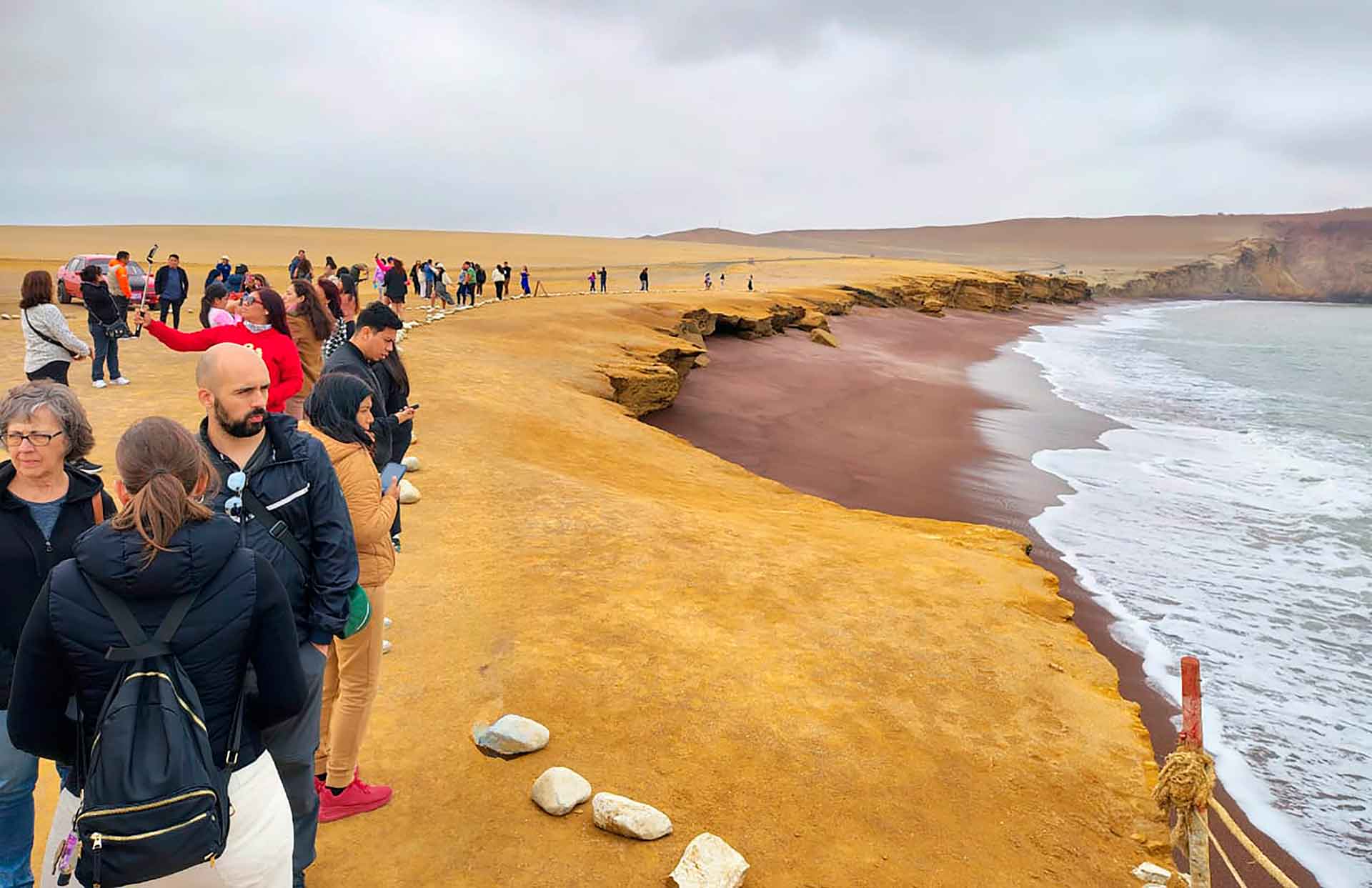
Paracas has one particular feature that surprises many travelers: in a single day, you can feel cold on the boat, deal with strong gusts of wind carrying sand, and then feel the sun beating down intensely in the middle of the desert. That is why packing properly for Paracas is not a minor detail. In this guide, we explain what to wear and what to bring so you can stay comfortable throughout the entire experience without packing too much or leaving out something important.
Three Different Settings in a Single Day
What makes Paracas special is that it brings together three very different environments within just a few hours.
The Boat to the Ballestas Islands
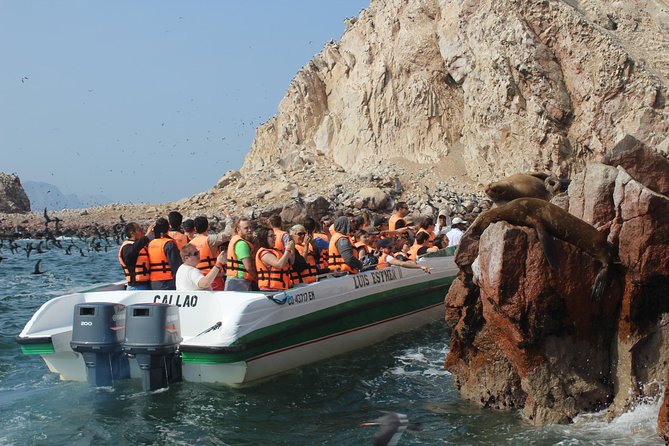
First comes the boat ride to the Ballestas Islands. Even if the day looks sunny, conditions change once you are out on the ocean. The breeze is cold, there can be water splashes, and the humidity is noticeable. Many travelers board wearing only a T shirt because they expect warm weather and end up feeling cold during most of the ride.
The Paracas Wind
Then comes the wind. The “paracas” is a characteristic wind in the area that usually picks up around midday and during the afternoon, often carrying sand with it. It can irritate your eyes, dry out your skin, and ruin a good photo if you are not prepared.
The Desert
And finally, there is the desert. In the National Reserve, the sun is intense and the environment is dry. Here, you no longer need warm clothing. Instead, you need lightweight clothes and good sun protection because shade is very limited.
The conclusion is simple: there is no single perfect outfit for Paracas. The key is being able to adapt throughout the day.
The Key to Avoiding Both Cold and Heat: Layers
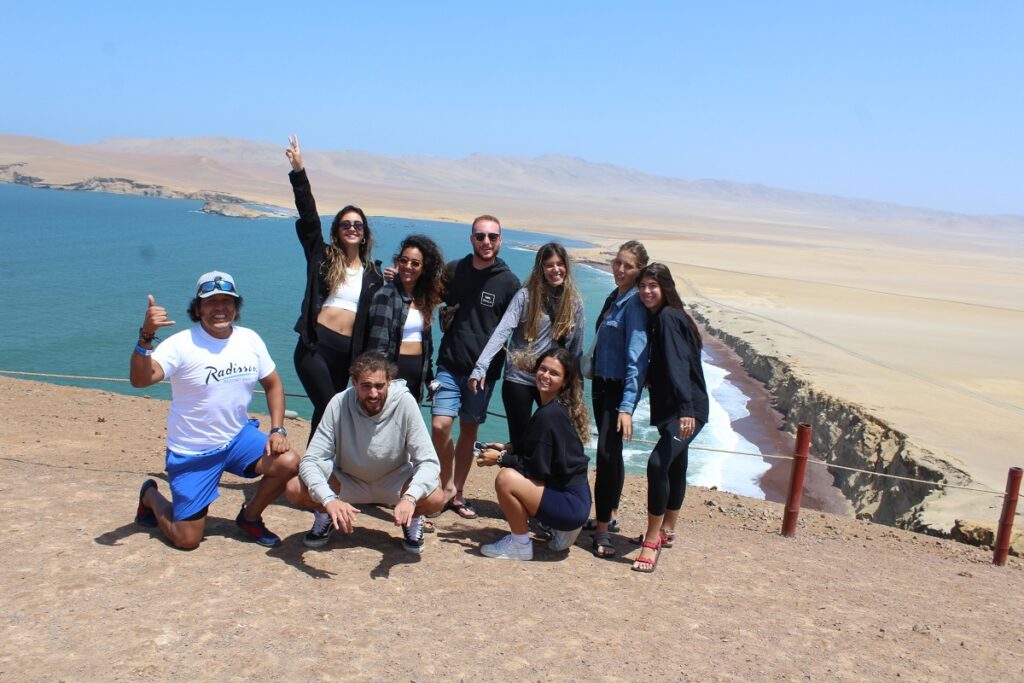
If you remember only one idea from this guide, let it be this one. Dressing in layers is what allows you to stay comfortable on the boat, in the wind, and in the desert without having to change clothes.
The formula is simple: a lightweight T shirt as your base layer, a long sleeve shirt or thin fleece as a second layer for the cold on the boat, and a windbreaker on top to protect you from the ocean breeze and water splashes. When the sun becomes stronger in the desert, you can remove layers and put them in your backpack. It is that practical.
What to Wear for the Boat Tour
For the trip to the Ballestas Islands, prioritize lightweight warmth. A windbreaker, preferably water resistant, makes a noticeable difference against the breeze and water splashes. A thin fleece underneath can help if you tend to get cold, especially on the earliest morning departures, which are usually the coolest.
Protect your head and face as well. A snug fitting cap or beanie is better than a wide brim hat because the latter can easily blow away in the wind. Sunglasses and something to cover your neck complete the outfit. And do not forget something important: eating is not allowed during the boat ride, and the sea can sometimes be rough, so if you are prone to motion sickness, comfortable and loose clothing can make the trip easier.
As for footwear, choose comfortable sneakers or sandals with good traction. You will be getting on and off the boat, and the pier can be wet, so avoid slippery soles.
What to Wear for the Desert and the Reserve
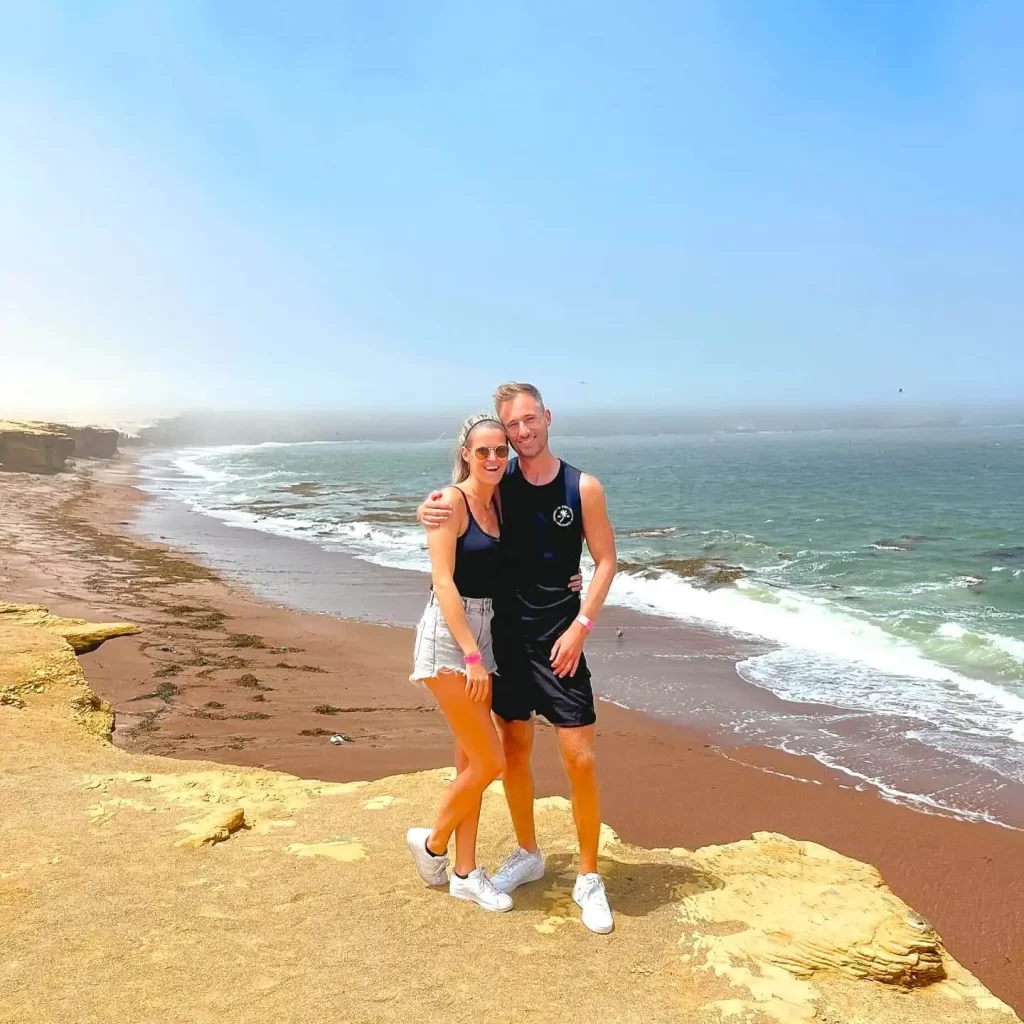
Once you enter the National Reserve, the conditions change completely. Here, dry heat and direct sunlight take over, so lightweight and breathable clothing becomes your best option. Light cotton or athletic fabrics that allow your skin to breathe work well.
Sun protection is no longer optional. A cap or hat, sunglasses, and high SPF sunscreen are essential because there are very few places to escape the sun in the desert. A lightweight long sleeve shirt, even if it sounds contradictory in hot weather, can often protect you from the sun better than leaving your arms uncovered.
What to Carry in Your Daypack
Beyond the clothes you are wearing, a well packed small backpack can make a big difference during the day. The essentials include sunscreen, sunglasses, a cap or beanie, a bottle of water to stay hydrated, and your windbreaker when you are not wearing it.
Add a few extras that you will appreciate: a scarf or buff to protect yourself from the sand, lip balm, some cash, and of course your camera or phone well protected from water splashes and dust. A sealed plastic bag or zipper bag for your phone on the boat is a small trick that can prevent unpleasant surprises.
Mistakes You Should Avoid
There are a few common mistakes that travelers tend to make. The most common is boarding the boat assuming it will be warm and ending up shivering from the cold. Another is wearing hats or caps that are not secure, which the wind can easily blow away. There is also the classic mistake of underestimating the desert sun and coming back with sunburned skin, or choosing inappropriate footwear that slips when boarding the boat. And one that many travelers regret is failing to protect their camera from water and sand.
Almost all of these mistakes can be prevented with the same formula: layers, secure clothing and accessories, and sun protection.
Adjustments Based on the Season
The basics remain the same throughout the year, but it is worth adjusting a few details depending on when you travel.
In Summer, from December to March
In summer, from December to March, the heat is stronger and the sun is more intense, so increase your sun protection and prioritize lightweight clothing. Even so, do not leave your jacket behind for the boat ride because the cold ocean breeze does not disappear with the season.
In Winter, from June to September
In winter, from June to September, mornings are colder and often foggy. Warm clothing becomes more important, so add another layer and do not rely on the weaker sun during these months. On the boat especially, you will appreciate every extra layer you bring.


