2026 Book your spot for the Inca Trail 2026!

Inicio » Perú » Page 4

On almost every full-day tour to Uros and Taquile, lunch is not served in Puno. It is served on the island, after the walk, with Lake Titicaca in view. This is not a city restaurant. It is a meal prepared by local families or community associations for travelers who arrive by boat, climb the terraces, and sit down to recover before the return trip.

If you book the tour with Incredible Peru Tours, this stop is included. It helps to know what will be on your plate, how the meal is served, and what lunchtime is like on Taquile.

Where You Have Lunch on Taquile

Taquile does not have a street lined with restaurants. Instead, there are community dining rooms and family homes that serve groups. They are located near the main square or on terraces overlooking the lake, after the stretch of steps leading up from the dock.

The exact location depends on the tour operator and the size of the group. Usually, travelers sit at shared tables, with dishes coming from a local kitchen rather than an extensive menu. The scenery does the rest: the lake lies below, the village surrounds you, and the Andean wind comes through the open windows.

The elevation is around 12,800 feet (3,900 meters). Eating slowly is often better than immediately asking for a second serving.
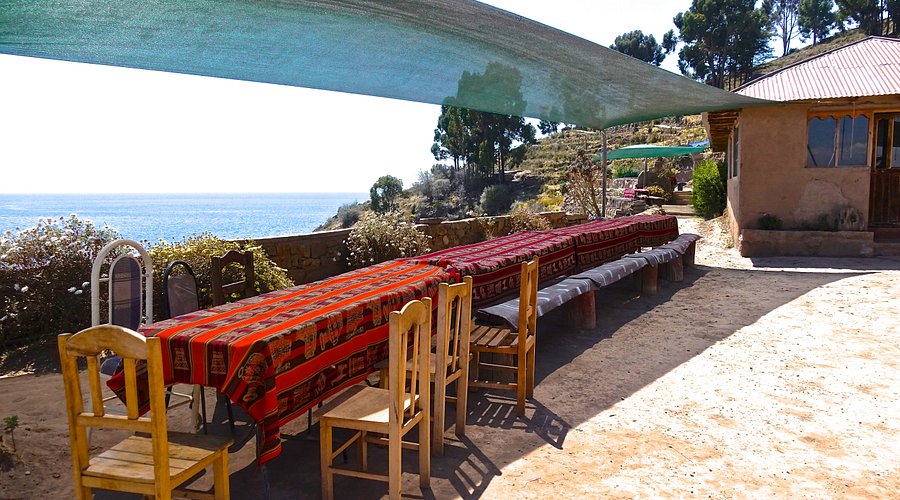
Restaurants on Taquile Island

What You Eat for Lunch on Taquile

The most common dish is Lake Titicaca trout, grilled or fried, served with potatoes, rice, or quinoa. Sometimes there is soup to start, a simple salad, and an herbal tea. Do not expect fine dining or a menu with ten different options. Expect island food: fresh fish, Andean tubers, and portions prepared for a group arriving hungry and still catching their breath after the climb.

If you do not eat fish, let us know when you book. On Taquile, a vegetarian plate can usually be prepared with eggs, potatoes, and quinoa, but advance notice is important. The same applies to allergies. The dining room is not a hotel in Cusco. Ingredients are purchased and prepared according to what was requested that morning.

Water and soft drinks are usually paid for separately. Coca tea or regular tea may be included depending on the dining room.

What the Experience Is Like Beyond the Meal

Lunch is part of the visit, not an extra activity at the end. Before or after the meal, there may be a weaving demonstration or a short traditional dance. On Taquile, men are known for their textile work, a tradition recognized by UNESCO. No one is required to buy anything. If you do purchase something, pay the stated price and avoid bargaining as you might in a city market. You are buying directly from the community that welcomed you and served your meal.

The group does not stay for three hours. The boat schedule determines the timing. There is enough time to eat, use the restroom, look around the main square, and walk back down to the dock. Anyone who arrives late delays the entire group.

Take photos respectfully. The people working in the kitchen and the local weavers are not part of the scenery. Ask before taking their picture.
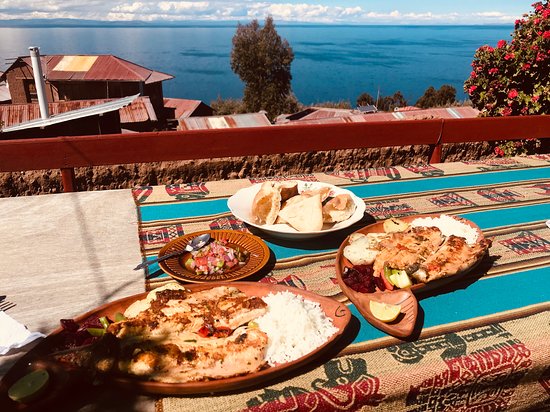
Lunch on Taquile Island

What the Tour Includes and What It Does Not

On a full-day Uros and Taquile tour, the community lunch is usually included in the price along with the boat, guide, and entrance fees. Drinks, tips, and à la carte options are generally not included.

If you travel independently, you can still have lunch on the island and pay directly at the dining room. The tour simply organizes the schedule so the group can eat together and make it back to the boat for the return trip to Puno, which usually departs in the middle of the afternoon.

Tips for International Travelers

Eat lightly if you had a heavy meal the night before in Puno. Trout is usually easier to handle than a large fried meal.
Carry small Peruvian sol bills for a drink or a textile purchase.
Tell us about dietary restrictions when booking, not once you are already at the table.
Do not compare this lunch to a restaurant in Miraflores. It is a different experience: high-altitude food prepared on an island for travelers who have just finished walking.
If the climb is difficult for you, ask your guide to slow the pace. Lunch can wait. Altitude sickness cannot.

How We Organize It at Incredible Peru Tours

We confirm the dining room with the local community, arrange the basic menu, and communicate any dietary requirements provided in advance. The guide explains how long the meal will last and what time everyone needs to be back at the boat. With a small group, the meal feels more like eating in a local home. With a larger group, lunch is still served on Taquile and is not moved back to Puno.

Let us know if you do not eat fish, if you are traveling with children, or if you are having difficulty with the altitude. We organize the stop so that lunch on Taquile feels like a meal overlooking the lake, not a race against the clock.
Inicio » Perú » Page 4

The route between Puno and Cusco covers about 242 miles (390 kilometers). A direct bus takes around seven hours. The Route of the Sun follows the same highway but turns the transfer into a full day with four guided stops: the Pukará Lithic Museum, La Raya Pass, the Inca site of Raqchi, and the church of Andahuaylillas. The bus leaves Puno at around 7:00 a.m. and arrives in Cusco between 5:00 and 5:30 p.m.

It is one of the most popular options among international travelers who need to travel from Lake Titicaca to Cusco and do not want to spend the entire day simply sitting on a bus.

Route of the Sun Schedule from Puno to Cusco

Hotel pickup in central Puno usually takes place between 6:15 and 6:40 a.m. The tourist bus leaves from a private terminal at around 7:00 a.m. Times may vary slightly depending on traffic and the size of the group.

Pukará Lithic Museum: around 9:30 a.m., 30 minutes at the site.
La Raya Pass: around 11:10 a.m., 8 to 10 minutes for photos.
Sicuani: buffet lunch from 12:30 to 1:15 p.m.
Raqchi, Temple of Wiracocha: around 1:30 p.m., 40 minutes.
Church of Andahuaylillas: mid-afternoon, 25 to 40 minutes.
Cusco: arrival at a private terminal between 5:00 and 5:30 p.m., followed by transfer to your hotel.

The same route operates from Cusco to Puno with the stops in reverse order. Andahuaylillas comes first, and Pukará is the final cultural stop.

Pukará Lithic Museum

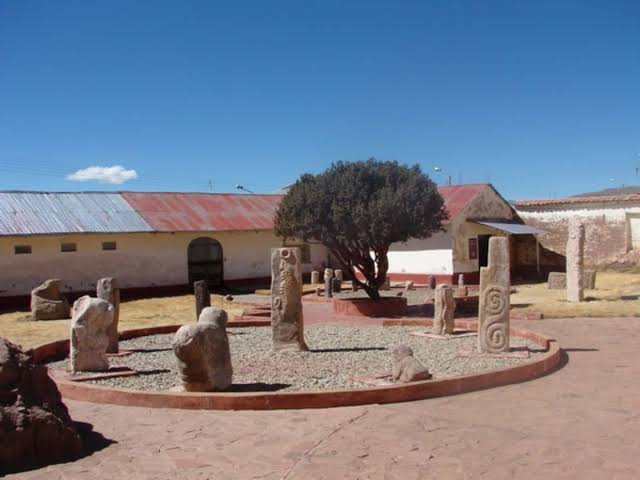
Pukará is about two hours from Puno, at an elevation of more than 11,500 feet (3,500 meters). You do not tour the entire town. The visit focuses on the museum, which displays stone sculptures and ceramics from the Pukará culture, a civilization that inhabited the Altiplano long before the Incas, roughly between 1600 B.C. and A.D. 400.

The piece most guides point out is the Ñakaj, known as the “decapitator.” The stop is short and indoors, which is useful when the morning is cold. The town is also known for the small ceramic Pukará bulls, a traditional craft that can later be seen on rooftops throughout Peru.

Admission is often not included in the bus ticket. Budget about 15 soles and carry cash. You may be asked to show your passport or another form of identification at the ticket office.

Pukará Lithic Museum

La Raya Pass, the Highest Point of the Day

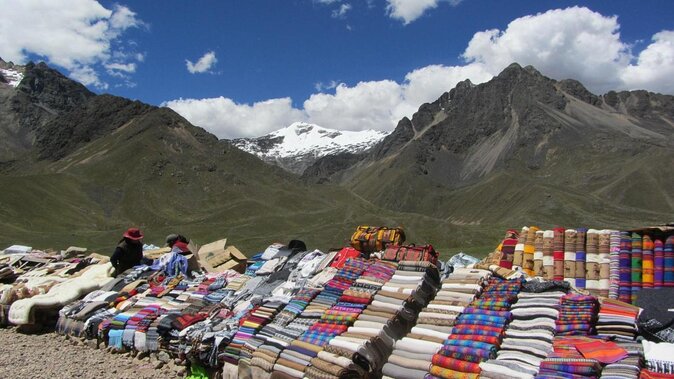
After Pukará, the highway climbs to La Raya, the mountain pass between the regions of Puno and Cusco. The elevation is approximately 14,200 to 14,560 feet (4,330 to 4,438 meters). From here, you can see the snowcapped Chimboya mountain and, almost always, llamas or alpacas alongside the road.

The stop is brief. Put on your jacket before getting off the bus. The wind can be biting, and the air is thinner than in Puno. There is no long hike. You will find a viewpoint, small textile stalls, and the watershed divide: one side feeds the Vilcanota basin toward Cusco, while the other drains toward the Lake Titicaca Altiplano.

If you visited Uros and Taquile the day before, this is the section where you may notice the altitude again. Walk slowly, and return to the bus if you develop a strong headache.

La Raya Pass
La Raya Pass

Lunch Stop in Sicuani

Sicuani is not a sightseeing stop. It is the town where the bus stops for lunch. A buffet lunch is included with most tourist bus services. You will usually find Peruvian stews, potatoes, rice, and often trout. It may be better to start with a small portion if your stomach is still adjusting to the altitude.

The break lasts about 45 minutes. After Sicuani, you are already in the Cusco region.

Raqchi and the Temple of Wiracocha

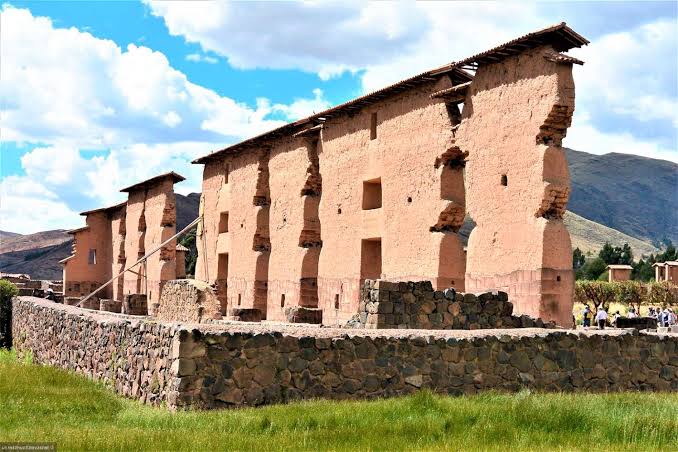
Raqchi is located in the district of San Pedro, in Canchis Province. Its main structure is the Temple of Wiracocha, a long stone-and-adobe wall that once supported an enormous roof. Around it are rows of circular storage buildings known as colcas, where the Inca state stored food and other goods.

The guided visit lasts about 40 minutes. There is not much walking, but you will be exposed to sun and wind. The site helps explain how the Inca Empire administered Collasuyo, not just how it built temples. Admission is around 20 soles if it is not included in your ticket. The Cusco Tourist Ticket does not include Raqchi.

Raqchi
Raqchi

Andahuaylillas and the Church of San Pedro

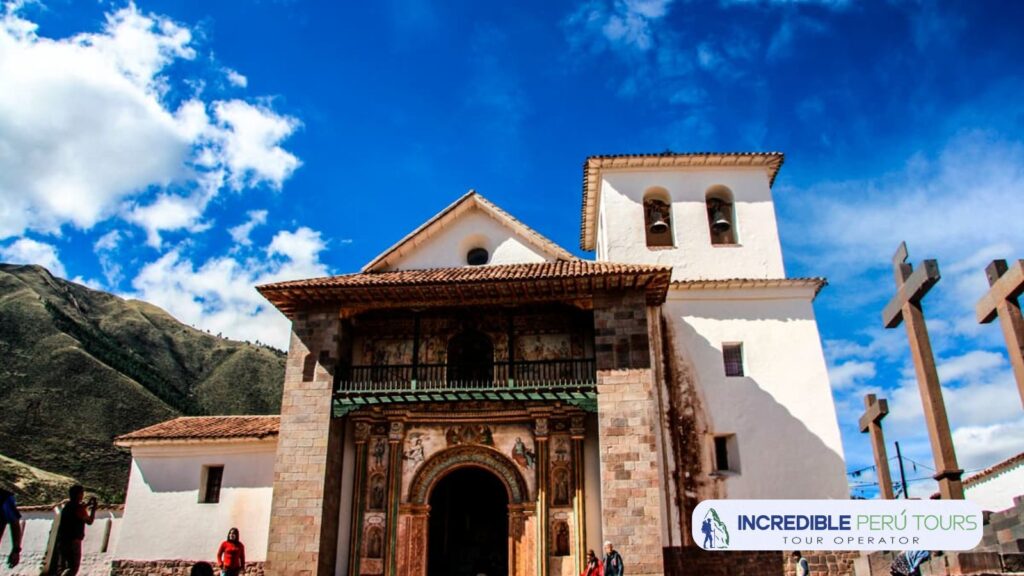
The final cultural stop is the Church of San Pedro Apóstol in Andahuaylillas, at an elevation of about 10,170 feet (3,100 meters). It is known as the “Sistine Chapel of the Andes” because of its murals, decorated ceiling, and gold leaf. Inside are paintings from the Cusco School of Art and a baptismal font carved from a single piece of stone.

Photography is generally not allowed inside. The visit lasts about half an hour. Admission usually costs between 15 and 18 soles. From there, Cusco is about 25 miles (40 kilometers) away, a little over an hour if afternoon traffic is light.

Andahuaylillas
Andahuaylillas

What the Route of the Sun Bus Includes

A typical service includes pickup from a hotel in central Puno, a heated bus with a restroom, a Spanish- and English-speaking guide, hot drinks on board, a buffet lunch in Sicuani, and the four scheduled stops. The bus also carries oxygen in case a passenger feels unwell at La Raya.

Read your voucher carefully. Many tickets do not include admission to Pukará, Raqchi, and Andahuaylillas. Budget about 50 soles per person for these entrance fees. Tips and dinner upon arrival are also generally not included.

Tips for International Travelers

Carry Peruvian soles in cash. Credit cards are not always accepted at smaller sites.
Keep your passport handy. Some ticket offices may ask to see it.
Do not schedule Machu Picchu or a long Cusco city tour for the same afternoon. The day starts around 6:00 a.m., and you will likely arrive tired.
Cusco is lower than Puno, at about 11,150 feet (3,400 meters), but you may still notice the change in elevation.
Do not take photos inside the church in Andahuaylillas. Bring a warm layer for La Raya even if you leave Puno on a sunny morning.
If you are traveling with a large suitcase, confirm it when booking. It will be stored in the luggage compartment under the bus.

Route of the Sun or Direct Bus

The direct bus arrives earlier and costs less. It makes sense if you have already visited these places or simply want to get to your hotel. The Route of the Sun is a better option if this is your only travel day between Lake Titicaca and Cusco and you want to see more than just the highway.

Frequently Asked Questions

How long does the Route of the Sun from Puno to Cusco take?
About 10 hours with sightseeing stops. Without the visits, the same route takes around 7 hours.

Are entrance fees included?
It depends on the operator. Ask whether admission to Pukará, Raqchi, and Andahuaylillas is included before paying.

Is there an English-speaking guide?
The tourist bus generally has a guide who speaks both Spanish and English. If you need another language, request it when booking.

Can I do this on the same day as Uros and Taquile?
It is not recommended. Both are long days, and La Raya rises above 14,100 feet (4,300 meters).

Is this route suitable if I have altitude sickness?
If your first night in Puno was difficult, consider taking the direct bus or waiting an extra day. The stop at La Raya is short, but it is the highest point of the trip.

How We Arrange It at Incredible Peru Tours

We coordinate your seat, hotel pickup, and transfer to your hotel in Cusco. If you are arriving from Lake Titicaca the day before, we let you know that La Raya is the highest section of the route and that it is better to have already spent the night in Puno. If you travel in the opposite direction, from Cusco to Puno, the same route leaves Lake Titicaca for the following day, which is generally the more logical order for adjusting to the altitude.

Inicio » Perú » Page 4

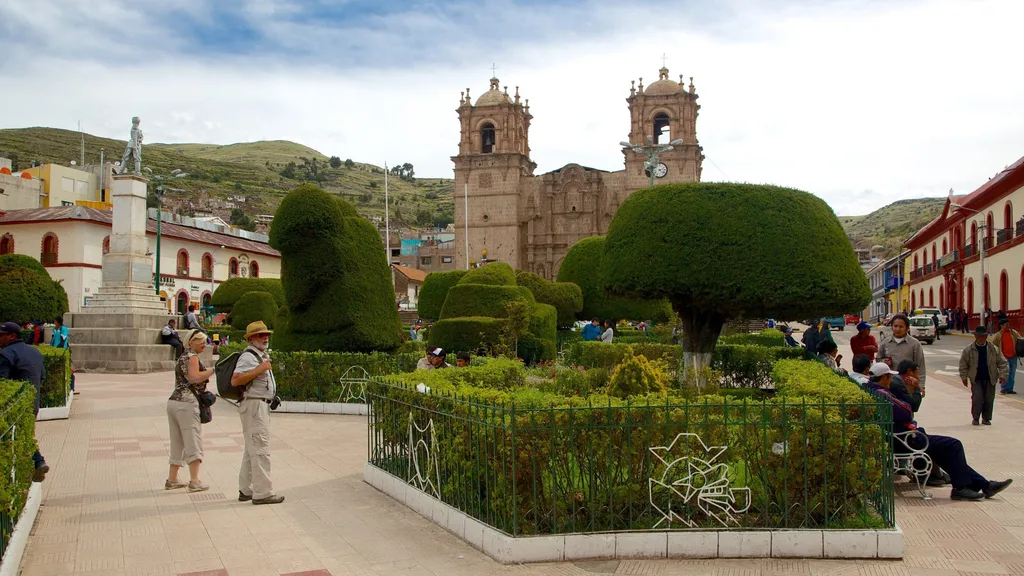
Puno sits at more than 12,500 feet (3,800 meters) above sea level. Lake Titicaca is at a similar elevation. Travelers arriving from Lima, Arequipa, or even Cusco often feel the change within the first few hours: breathing feels harder, the heart beats faster, the head feels heavy, and sleep may not come as easily. That does not mean the trip is ruined. It simply means your body needs time.

What Is Altitude Sickness in Puno?

Altitude sickness, known locally as soroche, can appear when you ascend quickly and your body has not yet adapted to the lower oxygen levels. In Puno, it is common during the first night. Symptoms may include headache, shortness of breath while walking, nausea, loss of appetite, and insomnia. In a small number of cases, fever or confusion may occur. If that happens, stop what you are doing and seek medical help.

How to Acclimatize from Your First Night

The best approach starts before you even get off the bus or plane. If your itinerary allows it, do not schedule Uros and Taquile for the same day you arrive. A quiet day in the city can make a big difference for the rest of your trip. Walk only a little, eat light meals, drink water, and go to bed early. Your body adjusts better when it is not being asked to climb stairs, spend hours in the sun, and sit on a boat all at the same time.

Staying Hydrated While Acclimatizing

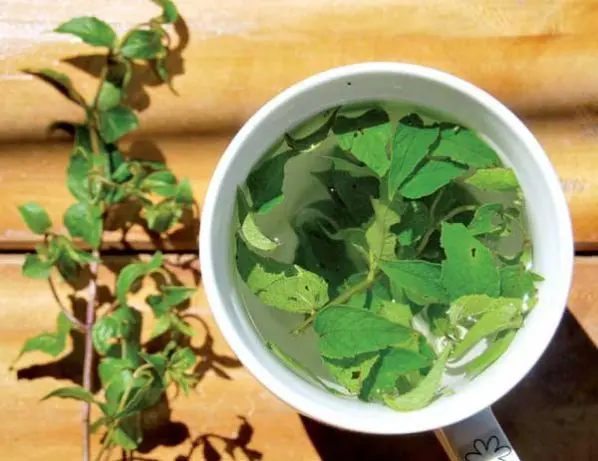
Hydration matters more than many travelers expect. At high altitude, you can lose fluids more quickly, and you may not always feel thirsty. Sip water throughout the day. Avoid alcohol on your first night and be cautious with coffee. Coca tea helps many people, as does muña tea. They are not miracle remedies, but they may help settle the stomach and make the first hours at altitude feel more manageable.

Muña tea
Muña tea

What to Eat During Your First Hours in Puno

Eat without putting too much strain on your stomach. In Puno, common options include trout, soup, potatoes, and quinoa. Start with small portions. Heavy dinners and greasy foods often do not sit well while your body is still adjusting to the altitude. If you are not hungry, do not force yourself to eat. In most cases, your appetite returns the next day.

How to Rest on Your First Night

Sleep during the first night may be short or restless. That is common. Ventilate the room if your hotel allows it, avoid using too many pillows, and do not go to bed immediately after a large meal. If your headache does not improve, a simple pain reliever may help. Do not self-medicate with altitude sickness pills without consulting a medical professional first, especially if you have high blood pressure, heart problems, or are pregnant.

Resting for a night in Puno

What to Wear for Puno’s Climate

Clothing also makes a difference. Puno gets cold as soon as the sun goes down. Spending a cold night without enough layers can make you feel worse. Bring a thermal base layer, a fleece, and a windbreaker. During the day, the sun can be very strong. A hat and sunscreen help protect you and keep your body from working harder than necessary.

How to Know If You Are Ready to Visit Lake Titicaca

The next day, see how your body responds. A short walk around the main square or along the waterfront is enough to tell whether you are ready to head out onto the lake. If walking uphill for a couple of blocks leaves you unusually short of breath or your headache becomes intense, stay in town. Lake Titicaca is not going anywhere. Uros and Taquile are much more enjoyable when you can walk around Taquile without struggling with every step.

Visiting Lake Titicaca

Does the Altitude Feel the Same If You Arrive from Cusco?

Travelers arriving from sea level usually feel the change more than those who have already spent time in Cusco. Even so, being acclimatized in Cusco does not guarantee that you will feel fine in Puno. Some travelers feel well in the Sacred Valley but become lightheaded in Puno. Every body reacts differently. That is why your itinerary should include some flexibility: an extra day in Puno is better than forcing yourself through a tour when you do not feel well.

How We Organize Lake Titicaca Tours

At Incredible Peru Tours, we plan Lake Titicaca excursions with altitude in mind. If you arrive at night, we schedule the excursion for the following day. If you are experiencing discomfort, we can adjust the schedule or slow down the pace. Our guides know the warning signs and will not push anyone who is not ready to continue climbing.

Acclimatizing Well to Enjoy Puno and Lake Titicaca

Puno and Lake Titicaca require a slower pace during the first few hours. Water, simple food, warm clothing, and an unhurried first night are often enough to help you feel better the next day, when the lake can be enjoyed the way it should be: wide, calm, and ready to explore. Let us know how you are arriving and where you are coming from. We can help coordinate your first night so the rest of your trip is spent exploring rather than recovering.

Inicio » Perú » Page 4

Some lakes are meant to be admired from a distance. Lake Titicaca is different. It invites you to get on a boat and spend several hours out on the water. At more than 12,500 feet (3,800 meters) above sea level, just off Puno, it offers the chance to visit two very different places in a single day: the floating islands of Uros and Taquile Island.

How a Lake Titicaca Tour Begins

The day starts early. Between 7:00 and 7:30 a.m., we pick you up at your hotel and head to the port. Before long, the city falls behind and the lake opens up ahead: wide and calm, with the sky seeming to meet the water. You board the boat, and in about 20 to 30 minutes you arrive at the Uros Islands.

Visiting the Floating Islands of Uros

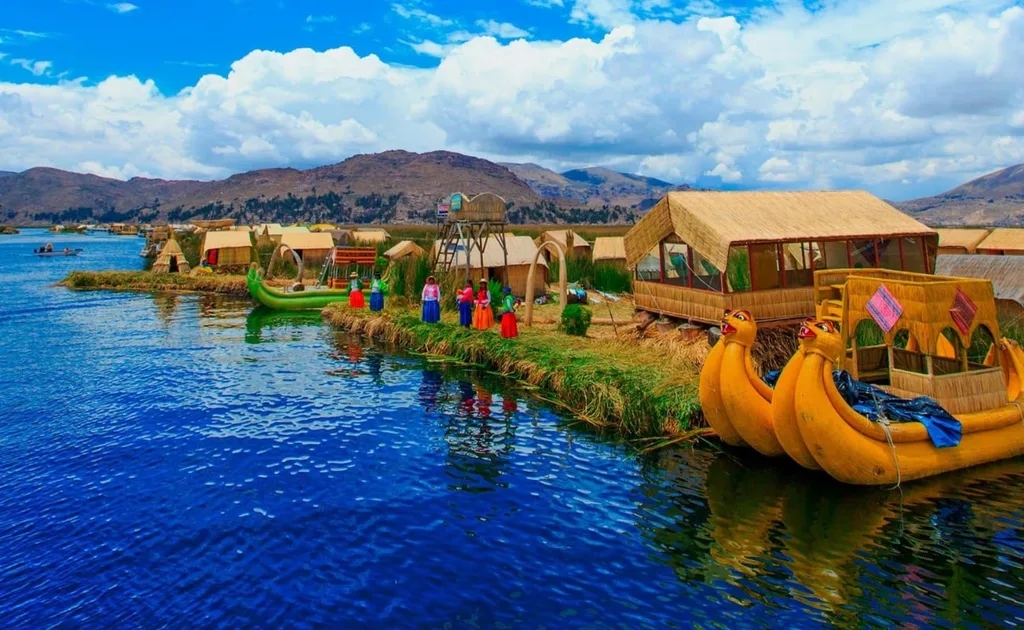
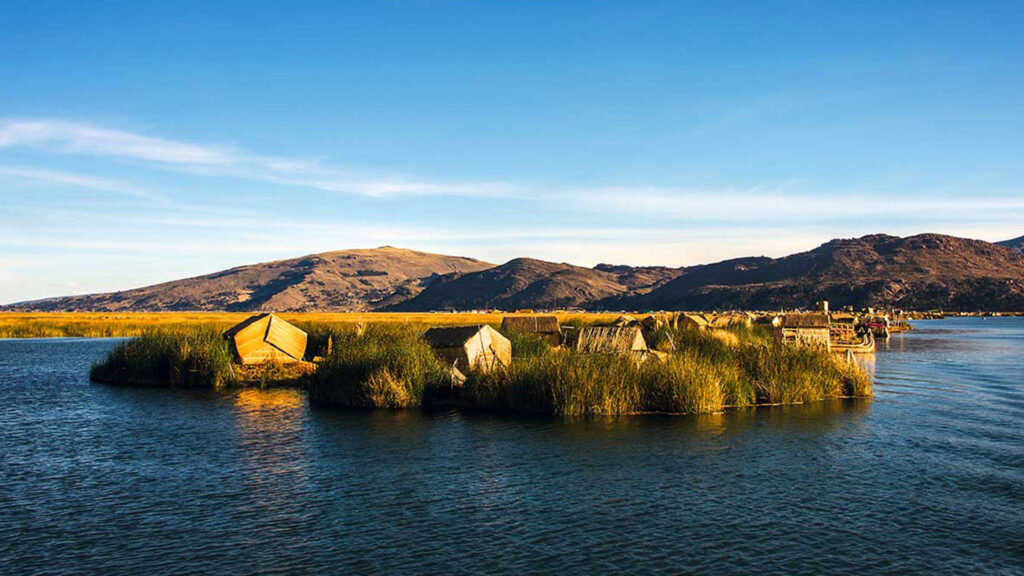
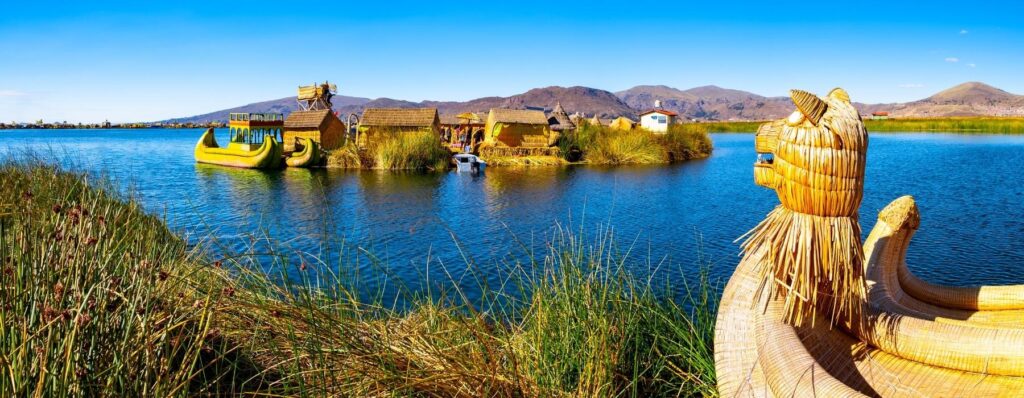
The Uros do not live on solid ground. They live on islands built from totora reeds, a plant that grows along the shores of Lake Titicaca. The surface gives slightly under your feet as you walk. The homes, boats, and much of what you see are made from the same reeds. The guide and local families explain how the islands are built, how the layers are renewed as the base begins to decompose, and how residents cook and fish. There is time to talk, take photos, and, if you choose, ride in a traditional totora reed boat. The boat ride is optional and is paid directly to the community.

How Long the Uros Visit Lasts

The visit to the Uros lasts about an hour. It is important to visit respectfully: ask before taking photos of people, buy something only if you are genuinely interested, and avoid treating the community like a staged attraction.

Uros Islands
Uros Islands

Boat Ride from Uros to Taquile

Afterward, the boat continues toward Taquile. The crossing takes between an hour and a half and two and a half hours, depending on the type of boat. It is the calmest part of the day. The color of the water changes, distant islands come into view, and the mountain range appears on the horizon.

What You Will Find on Taquile Island

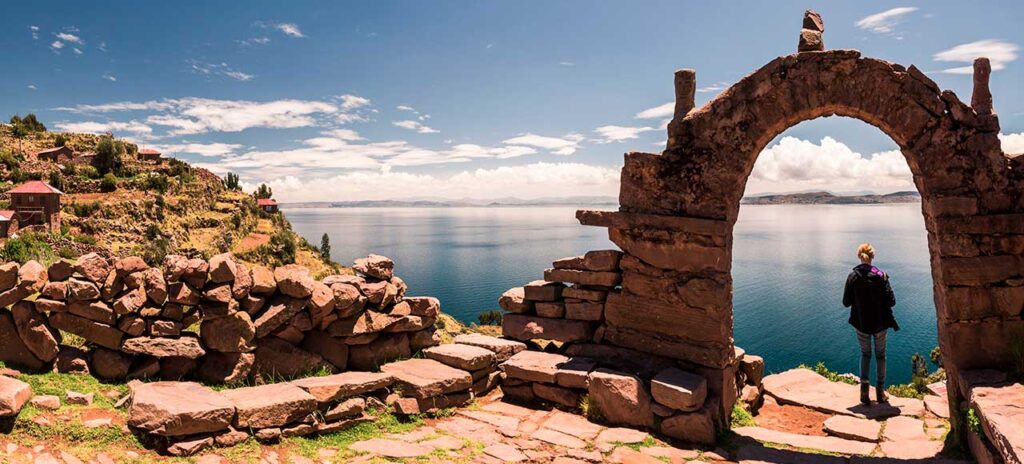
Taquile does not float. It is an island of stone, agricultural terraces, and walking trails. The local people speak Quechua and maintain a strong sense of communal life. Their textile tradition, especially the knitting done by men, is recognized by UNESCO as intangible cultural heritage.

The Walk to the Village and Viewpoint

Once you leave the boat, there is an uphill walk. Reaching the village and viewpoint takes between 30 and 60 minutes, with steps and increasingly open views along the way. It is not a difficult hike, but the altitude makes itself felt. Walk slowly, drink water, and avoid carrying more than you need.

What to Do on Taquile

At the top, you will find the main square, traditional textiles, and, on many days, a weaving demonstration or short traditional dance. Lunch usually includes Lake Titicaca trout, potatoes, quinoa, and other Andean dishes prepared by local families or restaurants. For many travelers, eating while looking out over the lake is one of the most memorable parts of the day.

Free Time and Return to Puno

After lunch, there is some time to explore the village, walk up to the viewpoint, and buy textiles directly from the people who make them. Then you walk back down to the dock and return to Puno. Arrival is usually between 4:00 and 5:00 p.m.

Lake Titicaca tour
Lake Titicaca tour

What a Full-Day Uros and Taquile Tour Includes

A well-organized full-day tour usually includes hotel pickup and drop-off, transportation to the port, boat transportation, a guide, entrance fees to the islands, visits to Uros and Taquile, lunch on the island, and time to walk around. It does not include the optional totora reed boat ride, tips, extra drinks, or souvenirs.

Recommendations for Visiting Uros and Taquile

Acclimatizing first helps make the day more enjoyable. If you are arriving from Cusco or from the coast, spending a day in Puno before the tour can help reduce altitude-related discomfort. Dress in layers: mornings are cold, the midday sun is strong, and the wind over the lake can be constant. A hat, sunglasses, and sunscreen are almost as important as comfortable walking shoes. There is walking on Taquile. Bring cash for handicrafts and for the optional reed boat ride if you want to take it.

Who This Tour Is Recommended For

This tour is a good choice if you have one day in Puno and want to experience Lake Titicaca up close rather than only seeing it from the waterfront. It combines scenery, living traditions, and two very different ways of life connected to the lake: the Uros, whose lives are closely tied to totora reeds, and the people of Taquile, whose traditions are rooted in farming and textiles. It is not an extremely demanding tour. It is a long day, with several hours on the boat and an uphill walk at high altitude. Families with children, older travelers, and visitors who are not fully acclimatized can still do the tour if they let us know in advance and take the day at a comfortable pace.

Taquile Island
Taquile Island

Uros and Taquile Tour with Incredible Peru Tours

At Incredible Peru Tours, we organize this excursion with clear logistics and guides who know the lake well. The goal is not to rush through the islands. The goal is for travelers to understand why so many people in the southern Andes continue to see Lake Titicaca as a place of origin.

How to Include Lake Titicaca in a Peru Itinerary

If you are planning a trip through Cusco, the Sacred Valley, Machu Picchu, and Puno, this full-day tour fits well toward the end of the itinerary. Let us know your arrival date in Puno, your hotel, and whether you are traveling as a couple, family, or group. We can coordinate your Uros and Taquile tour so you have enough time to experience the lake with a guide who knows how to tell its story.

Inicio » Perú » Page 4

The choice is not cosmetic. Chivay and Cabanaconde sit in the same valley, but they serve different trips. The first is the gateway, with more hotels, food, ATMs, and hot springs. The second is farther in, closer to Cruz del Cóndor and to the descents into the canyon floor. Pick the wrong base and you either get up too early or come up short on trekking.

Chivay sits at about 3,635 meters. Cabanaconde is near 3,280. You feel the difference when you sleep and when you leave the next morning. Arequipa to Chivay takes about three and a half to four hours. Continuing to Cabanaconde adds almost two more hours on the road that follows the valley, with possible stops in Yanque, Maca, and the viewpoint itself.

When Chivay makes sense

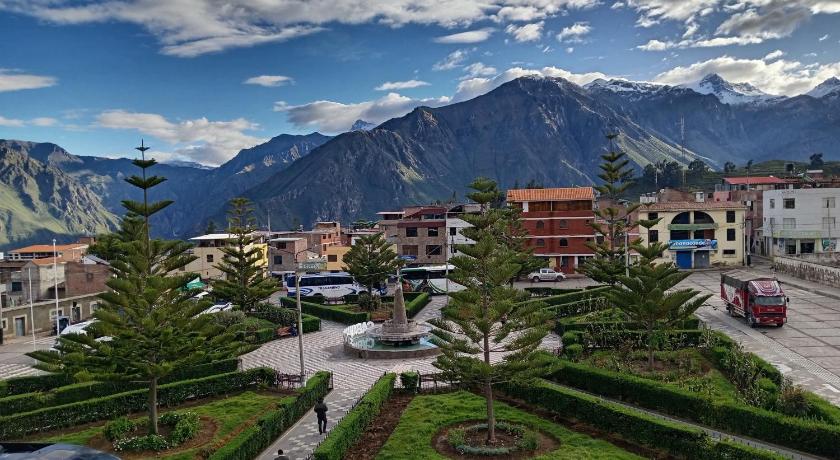
Chivay is the largest town in the valley and the one used by almost every two-day tour. If it is your first visit, if you are short on time, if you want hot springs in the afternoon, or if you need an ATM, a pharmacy, and several dinner options, this is the logical base. It also helps you acclimatize after the Patapampa pass, which is above 4,800 meters.

The plaza, the market, and the church of Nuestra Señora de la Asunción concentrate the town’s life. The market is a good place to watch the local rhythm, buy cheese, herbs, or corn, and eat something simple. Nights are cold. A hotel with heating, or at least with good blankets, a short walk from the plaza, is a smart choice.

The afternoon draw is the La Calera hot springs, about three kilometers away. A taxi or colectivo takes a few minutes; on foot it takes about an hour. There are several pools, with water around 32 to 40 degrees, of volcanic origin. Bring a swimsuit, a towel, and a warm layer for when you get out. Entry usually costs a few soles and the complex is open during the day; confirm hours and the fee when you arrive. Many tours leave it as an optional stop after check-in.

From Chivay you can also put together an easy valley circuit: Yanque with its dances or its church, Maca, terrace viewpoints, and, the next morning, Cruz del Cóndor. The viewpoint is 45 minutes to an hour away. Groups leave the hotel around 6:00 a.m. or 6:30 a.m. to arrive between 8:00 a.m. and 8:30 a.m., which is the useful window for the condor.

Chivay is not the prettiest town in the Colca. It is practical. It has more restaurants, more beds, and more ways to handle a snag. If your plan is condors, hot springs, and villages without dropping to the canyon floor, one night here is enough.

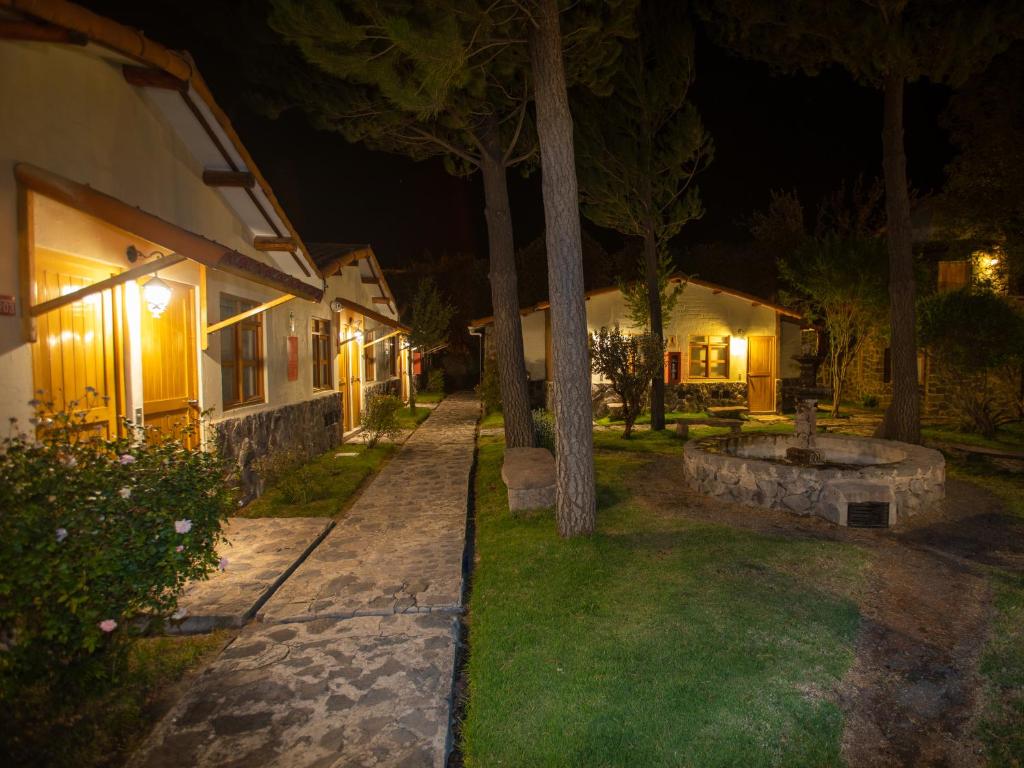
Night in Chivay
Night in Chivay

What to do if you sleep in Chivay

Arrive in time for lunch or a light rest. Walk the plaza and the market without rushing: the altitude asks for calm. In the afternoon go to La Calera. Eat early. Go to bed early. The next morning is for the condor.

If you have a spare window, there are short walks toward Coporaque, Canocota, or the river. They do not replace a serious trek, but they give terrace views and Andean village life. Have a hot dinner. Rocoto, trout, and local broths sit better than a heavy meal at 3,600 meters.

When Cabanaconde makes sense

Cabanaconde is smaller, quieter, and closer to what people mean by the real canyon. It is about 12 kilometers from Cruz del Cóndor. By taxi or mototaxi that is 15 or 20 minutes. That proximity changes the trip: you can be at the viewpoint before the buses coming from Chivay.

It is the trekking base. From here most routes drop toward Sangalle (the oasis), San Juan de Chuccho, Cosñirhua, Malata, Tapay, or Llahuar. The Cabana town keeps its own dress and pace. There are fewer restaurants and fewer ATMs; bring cash. Lodging ranges from simple hostels to lodges with a view. Do not expect Chivay’s range of options. Do expect more quiet and mornings that are easier to use.

The altitude is a little lower than in Chivay, which helps you sleep. Even so, if you are coming straight from sea level, a prior day in Arequipa is still a good idea.

Cabanaconde is worth it if you are going to hike, if you want the condor without the long pre-dawn logistics from Arequipa, or if you prefer a small town to a tour hub. If you have only one night and you are not trekking, Chivay usually works better.

What to do if you sleep in Cabanaconde

The condor morning is simple: an early taxi to the viewpoint, an hour of watching, and back. Some people walk back along the road; it is long and not a good idea if you already saw the flight and want to save your legs.

The classic hike is the descent to Sangalle. From the Cejana viewpoint, about 20 minutes from town, the trail starts down. It takes several hours, with a hard drop for the knees, to a warmer floor with palms, rustic bungalows, and pools. A same-day out and back is possible if you are very fit; the usual plan is to sleep at the bottom and climb before dawn, because the ascent of more than a thousand meters in the sun is tough. There are two- or three-day circuits linking San Juan de Chuccho, Malata, and the oasis.

There are also nearby viewpoints, such as San Miguel or Achachihua, for canyon views without the crowds at Cruz del Cóndor. Ask at your hostel about trail conditions and whether you need a guide. In high season, book the bungalow at the bottom in advance.

Hotel in Cabanaconde

How to choose without going in circles

Stay in Chivay if your priority is comfort, hot springs, restaurants, and a classic condor tour. Stay in Cabanaconde if your priority is reaching the viewpoint first or dropping into the canyon. A clean split, if you have two nights, is Chivay first (acclimatize and La Calera) and Cabanaconde second (early condor and trekking).

The Colca tourist ticket is paid when you enter the circuit, not when you choose a town. Budget for it separately if the tour does not include it. Both places are cold at night. In Cabanaconde, cash matters even more.

There is no best base in the abstract. There is a base that fits the hours you have and what you want to see the next day: hot springs and services, or the canyon rim and a trail going down.

Inicio » Perú » Page 4

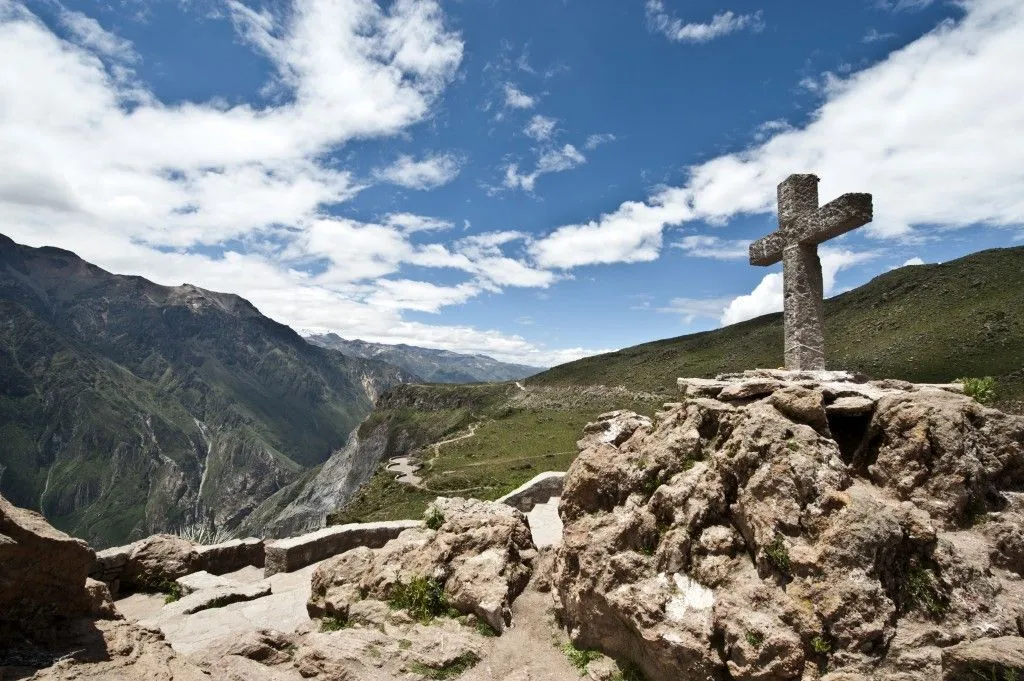
Cruz del Cóndor is the most visited viewpoint in Colca Canyon, in Arequipa. It sits between Chivay and Cabanaconde, at about 3,800 meters, and it is the place where most people see the Andean condor soaring at rim level. The landscape alone is worth the trip. The sighting, though, depends mainly on the time of day, the sun, and arriving early enough.

From the platforms the canyon drop opens wide. Condors leave the cliffs, ride the warm air, and on a good morning they pass close by. Their wingspan can exceed three meters. There are railings, more than one level, and space to take photos. Entry to the viewpoint is not charged separately: it is included in the Colca Tourist Ticket. Seeing them is not guaranteed, but at the right time it is common. Cloudy skies or a late arrival lower the odds.

Hours

The best window is from 7:00 a.m. to 9:30 a.m., with the most activity around 8:00 a.m. The sun starts warming the canyon walls, an updraft forms, and the birds lift off from their nests. Before 8:00 a.m. the flight is usually closer to the rim. After 9:30 a.m. or 10:00 a.m. the thermals settle, the condors climb higher and move off to hunt. In the afternoon, between 3:00 p.m. and 5:00 p.m., there is sometimes a second moment as they return to the nests. It is less predictable and less intense.

Ticket control in Chivay usually runs from 5:00 a.m. to 6:00 p.m. The viewpoint does not work like a museum with a rigid closing time. What does keep a schedule is the bird. Condors can be seen year-round. From May to October, in the dry season, the sky is usually clearer and the thermals more stable. In the rainy months there are more clouds and less consistency.

Why go early

The currents the condor uses to soar form as morning heat begins. The first flight is the lowest and the closest to the viewpoint. Anyone arriving after 10:00 a.m. often finds the show already fading: the birds are higher and farther away. Arriving earlier also gives you space, a better angle, and minutes to wait.

That is why one-day tours from Arequipa leave at 3:00 a.m. or 4:00 a.m. and aim to be at the viewpoint between 8:00 a.m. and 8:30 a.m. If you sleep in Chivay, the hotel departure is usually at 6:00 a.m. or 6:30 a.m. From Cabanaconde the ride takes 15 to 20 minutes, and you can arrive before the large groups.

How to get there

From Arequipa the full drive is about 200 kilometers. Arequipa to Chivay takes three to four hours. From Chivay to the viewpoint it takes 45 minutes to an hour and a half, depending on stops.

A one-day tour is the most common option if you are short on time: a pre-dawn start, breakfast near Chivay, Cruz del Cóndor, valley villages, and a return in the afternoon. A two-day trip with a night in Chivay or Cabanaconde is more comfortable, helps with acclimatization, and reaches the viewpoint with less rush. Independent travelers take a bus to Chivay or Cabanaconde. There is no service that drops you at the viewpoint entrance.

From Chivay, a taxi or private car takes 45 to 60 minutes. A round trip usually costs 60 to 90 soles. From Cabanaconde it is about 12 kilometers. A taxi or mototaxi takes 15 to 20 minutes. That is the closest base if you really want to start early.

The Colca Tourist Ticket is required. As a recent reference, visitors from outside Latin America pay about 70 soles; Latin American visitors pay 40; Peruvian visitors pay 20. Bring cash in soles and your ID. The ticket is personal. Confirm the amount at the checkpoint, because it can change. Ask whether your tour already includes it.

Tips for the visit

It is wise to acclimatize for at least one day in Arequipa. The Patapampa pass is above 4,800 meters, and altitude sickness is real. Drink water and skip alcohol the night before. If you book a tour, choose one that reaches the viewpoint before 9:00 a.m., not at some unspecified time in the morning.

Bring a warm layer for dawn and clothes you can remove once the sun is out. Also pack sunscreen, a hat, sunglasses, water, and a light snack. Binoculars and a camera with zoom help. A phone works, but it loses detail. Carry cash for crafts or small services.

From the parking area to the platforms it is only a few minutes on foot. Stand at the edge, look into the canyon, and wait. Sometimes they take a while. Keep your voice down: noise pushes the birds higher. Do not go past the railings or leave trash. Plan on 45 to 90 minutes. A clear morning improves the thermals. Even if the condor does not appear, the canyon cut and the early light make the early start worthwhile.

How to plan the day

If you leave Arequipa in a single day, the usual outline is pickup between 3:00 a.m. and 4:00 a.m., a stop at the high pass or the volcanoes, breakfast in Chivay, Cruz del Cóndor between 8:00 a.m. and 10:00 a.m., villages such as Maca or Yanque, and the return. With a night in Chivay you leave at 6:00 a.m. or 6:30 a.m. and arrive around 8:00 a.m. With a night in Cabanaconde you can leave at 7:00 a.m. or earlier.

Frequently asked questions

Are condors seen every day?
At the right time and with a clear sky, that is the most common outcome. It is never an absolute guarantee.

How long should you stay?
At least 45 minutes. An hour or more is better.

Is an afternoon visit worth it?
Sometimes, especially between 3:00 p.m. and 5:00 p.m. The odds are lower than in the morning.

Do you pay extra at Cruz del Cóndor? No. It is included in the Colca ticket.

Is it difficult with children or altitude sickness?
The walk is short, but the altitude is noticeable. Go slowly, bring a warm layer, and drink water.

If the condor is the goal, one decision shapes the trip: be on the platform before 8:00 a.m.

Partners

Partners and Agreements

Backed by the world's best tourism organizations

Dircetur
Fodor's
Lonely Planet
PromPerú
TripAdvisor