2026 Book your spot for the Inca Trail 2026!

Inicio » Perú » Page 3

Titicaca fits if you want to sail, set foot on an island, and see how life plays out on the lake. The Colca fits if you want vertical scenery, a condor viewpoint, and the rhythm of an Andean town, early wake-up included.

Choose Lake Titicaca if you’re after lake, islands, and living culture

Puno is the base on the Peruvian side. From there you head out to the Uros floating islands and, with more time, to Taquile or Amantaní. The lake sits at about 3,810 meters. The dry cold hits you as soon as you step off the bus. The reward is the water, the reeds, and the interaction with the communities, as long as you pick the right circuit and don’t stop at just the floating-island photo.

Choose the Colca Canyon if you’re after Andean scenery and condors

The natural gateway is Arequipa. The classic tour climbs up to Chivay, tours the valley’s towns, and gets up early for the Cruz del Cóndor. The canyon is one of the deepest in the world. What people come to see, beyond the cut in the earth, is the Andean condor gliding on the morning’s first thermal. It’s not guaranteed. In season and with some luck, you do see it, and it’s worth the wait.

Titicaca and Colca can be done on the same trip

Yes, and in fact they work well on a Puno, Colca, and Arequipa route. They don’t fit comfortably into a tight weekend. Each one asks for its own night and morning. If you rush them together, you come away with two transfers and no complete experience.

What to see at Lake Titicaca

The lake is shared by Peru and Bolivia. On this side, the trip is almost always put together from Puno: pier, boat, and one or two islands.

Uros floating islands

They’re near the bay. You get there in a little over half an hour. The islands are built from reeds and are constantly renewed. The circuit is short, heavily visited, and, if the guide doesn’t manage the pace, it feels staged for tourists. Even so, it helps you understand the lake. It’s best not to let it be the only thing you do.

Uros floating islands

Taquile and Amantaní

Taquile is farther out. The climb up from the dock is done on foot and you feel the altitude. The town is known for its textiles, recognized by UNESCO, and for a life more of solid ground than of floating island. Amantaní is used a lot for an overnight stay with a host family: a simple dinner, Pachatata or Pachamama hill, and a sunrise over the water. If you can sleep outside Puno for a night, Amantaní usually leaves a better memory than a quick out-and-back to the Uros.

Amantaní
Amantaní

Puno as a base for exploring Titicaca

Puno isn’t a pretty city at first glance. It works. It has a pier, hotels, restaurants, and early departures. The boardwalk helps you acclimatize the first day. If you’re arriving from Cusco or Arequipa, that slow day isn’t a loss. It’s part of the trip.

Lake Titicaca’s altitude and how it feels

At 3,810 meters the air really does thin out. Headache, shortness of breath on a short slope, poor sleep. Hydration, light meals, and don’t rush the first day. Altitude sickness is no minor thing: it decides whether you head out by boat the next day or end up watching the lake from the shore.

Lake Titicaca
Lake Titicaca

What to see in the Colca Canyon

The valley isn’t just the viewpoint. It’s pre-Inca terraces, living towns, and a road that climbs to the Patapampa pass, near 4,900 meters, before dropping down to Chivay.

Cruz del Cóndor and condor watching

The viewpoint is visited early. The condors take advantage of the air that rises as the canyon wall heats up. By mid-morning the activity dies down. Bring a coat, some patience, and have the camera ready. There are days with several birds and days of long waiting. The canyon scenery is still there even if the bird doesn’t pass by.

Cruz del Cóndor
Cruz del Cóndor

Colca’s towns: Chivay, Yanque, and Maca

Chivay is the service hub: bed, food, hot springs. Yanque and Maca are visited along the way, with colonial churches and terraces that drop toward the river. The point isn’t to “do town after town.” It’s to see that the canyon is inhabited, not just photographed.

Trekking in the Colca Canyon

From Cabanaconde, the classic trek drops down to the Sangalle oasis: hours of descent, a night at the bottom, and a hard climb back up the next day. It’s not the viewpoint tour. It’s another piece entirely, with different demands on your knees and schedule. If you don’t want to hike hard, the towns-and-condor circuit is enough.

Hot springs in the Colca Valley

La Calera, near Chivay, is the usual stop on the two-day tour. Hot water after the cold of the valley. It’s not the reason for the trip. It does help you wind down before the early condor morning.

Colca Canyon (Arequipa)

How to get to Titicaca and Colca

This is where more than one itinerary splits, more so than on the coast. Cusco pushes you toward Titicaca. Arequipa pushes you toward Colca.

Lake Titicaca from Cusco

The bus takes between 7 and 10 hours, depending on stops. There’s also a train, slower and more comfortable. Arriving in Puno at night and heading out by boat at dawn is a bad idea: the altitude doesn’t forgive. Better to spend a night in the city and hit the lake the next day.

Lake Titicaca from Lima or Puno

You fly to Puno or arrive by land via Arequipa or Cusco. If you’re already in Puno, the lake is right next to you. You already paid the time cost getting there.

Colca Canyon from Arequipa

It’s the clean route. About 3 to 4 hours to Chivay, with the high Patapampa pass along the way. The two-day tour leaves at a calm pace. The one-day tour leaves before dawn and returns at night.

Colca Canyon from Cusco

It’s possible, but it’s not a short hop. Either you go through Arequipa or you put together a long route across the altiplano. Forcing Colca “as a same-day round trip” from Cusco almost never pays off.

Puno, Colca, and Arequipa route

Puno to Chivay is about 5 to 6 hours. From there you drop down to Arequipa. It makes a logical line: lake, canyon, and city. It asks for three nights minimum if you want more than the bus window.

Transportation to Colca Canyon

How many days you need at each destination

How many days at Lake Titicaca

One day covers Uros and, at a stretch, Taquile. Two days allow for an island with an overnight or Taquile without rushing. Three is already a lake trip, not a stopover.

Colca Canyon tour, 1 day or 2 days

The one-day tour exists and it wears you out: pre-dawn departure, condor, towns, and back to Arequipa. The two-day tour is the one that makes sense for most people: a night in Chivay, hot springs, and the Cruz del Cóndor with a little breathing room. Trekking calls for two or three days on its own.

Titicaca or Colca with little time

If you’re in Cusco with two days, Titicaca. If you’re in Arequipa with two days, Colca. Don’t spend those two days crossing half the south to just barely reach the other one.

Culture, nature, and travel pace

Culture at Titicaca: islands and communities

The lake is visited with people: reeds, loom, family home. The quality changes a lot depending on the operator and on whether you sleep on an island or just stop for an hour. Ask which community you’re visiting and how much time you spend off the boat.

Culture at Colca: towns and terraces

Here the culture is in the inhabited valley: terraces, festivals, Collagua and Cabana dress, churches. It’s less “island show” and more town along the way. The condor shouldn’t overshadow that.

Nature: a navigable lake or a deep canyon

Titicaca is horizontal: water, sky, horizon. Colca is vertical: river below, condor above, terrace in the middle. If the boat bores you, don’t choose the lake. If you can’t stand switchbacks and early wake-ups, think twice before the Colca.

A slow pace in Puno or an early start at Colca

In Puno you can ease in gently. At Colca the good condor window is early. The one-day tour is a race against the clock. The two-day one also starts early, but it doesn’t wear you down the same way.

Colca Canyon (Arequipa)

Altitude, cold, and physical effort

Altitude sickness in Puno and at Titicaca

Puno is higher than Cusco. Anyone who comes down from Machu Picchu and plants themselves at the pier the next day feels it. Coca, water, no alcohol the first day. The far islands require walking. If the altitude sickness is bad, Uros is closer and less demanding.

Altitude in the Colca Canyon

Chivay is around 3,600 meters. The real hit is usually the Patapampa pass, near 4,900, on the way from Arequipa. The body feels it on the bus, not just at the viewpoint. Arequipa, at 2,300, prepares you better than arriving straight from the coast.

Titicaca or Colca if you don’t want to walk much

At Titicaca you can do a short boat circuit, with little climbing. At Colca, the viewpoint tour walks little; the trek to the oasis walks a lot. If your knees call the shots, go for the towns-and-condor Colca, not the descent Colca.

Which one is more worth it for your trip

Titicaca or Colca on a first visit to Peru

It depends on your base city. First time centered on Cusco: Titicaca. First time centered on Arequipa: Colca. If the trip is Lima, Cusco, and one extra, the lake usually fits more smoothly.

Titicaca or Colca as a couple

Both work. Titicaca wins if you like the overnight on an island and the slow pace. Colca wins if you like big scenery and a simple hotel in the valley, with hot springs at the end of the day.

Titicaca or Colca with kids

Titicaca, with short legs of the trip and an eye on the altitude. Colca is doable on a two-day tour, bundled up and without hard trekking. The one-day one gets long for everyone.

Best destination for photography

Colca, if there’s a condor and good light on the canyon wall. Titicaca, if you’re interested in the water, the boats, and the textiles. In the burning season or under a white sky, both suffer.

Best destination if you’re leaving from Cusco

Lake Titicaca. The route is direct and the story fits the altiplano.

Best destination if you’re leaving from Arequipa

Colca Canyon. It’s the city’s natural trip. Heading off to Puno “just so you don’t miss it” with a tight two days usually costs more in exhaustion than in memories.

Lake Titicaca
Lake Titicaca

Is it worth going to Lake Titicaca

Yes, if you give it a night to acclimatize and go beyond the floating island toward Taquile or Amantaní. It falls short if you only do Uros between two overnight buses.

The Uros islands are very touristy

They are. That doesn’t cancel them out. It leaves them as an introduction. Anyone expecting an empty lake runs into the crowded pier. Anyone who uses them as a first stop and continues on understands them better.

Taquile or Amantaní, which to choose

Taquile if you’re interested in the textiles and a full day without sleeping there. Amantaní if you can stay overnight. Both ask you to walk slowly. At altitude, you don’t rush.

Is it worth going to the Colca Canyon

Yes, especially over two days from Arequipa. The one-day tour is worth it if you have no other date and you accept the wear and tear. The trek is worth it if your legs are up for it.

Do you see condors at the Cruz del Cóndor

On many days, yes. Not all. Going just for the bird is a gamble. Going for the valley and the bird is a more honest plan.

Is the one-day Colca tour worth it

It’s worth it if that’s your only window. You leave at night, cross the highest point drowsy, and get back late. You see the canyon. You rest little. If you can, move up to the two-day one.

Colca Canyon Arequipa

Frequently asked questions

Which is higher, Titicaca or Colca?

The lake, at the Puno shore, is around 3,810 meters. Chivay is a bit lower. The highest point of the Colca trip is usually the Patapampa pass, near 4,900 meters.

Which is closer to Cusco?

Titicaca.

Can you do Titicaca and Colca in 4 days?

Yes, just barely: a night in Puno, the lake, the crossing to Chivay, the condor, and Arequipa. It requires well-timed buses and little improvising. Five days breathe better.

Where do you see the Andean condor best?

At the Cruz del Cóndor, early. Titicaca isn’t a condor destination.

Titicaca or Colca if I only have 2 days?

From Cusco, Titicaca. From Arequipa, Colca. From Lima, neither works well in 48 hours without a flight in between.

Lake Titicaca or Colca Canyon: which to book first

Book first the one that’s next to your base city. If you’re sleeping in Cusco, the lake. If you’re sleeping in Arequipa, the canyon. If the itinerary runs down from Puno to Arequipa, the Colca goes in the middle, not the other way around.

Titicaca asks for a boat and patience with the altitude. Colca asks for an early start and a look downward. When there are days to spare, the two get along well. When there aren’t, choose the one that won’t leave your trip stuck on the highway.

If you tell us whether you’re leaving from Cusco or Arequipa, and whether you prefer island or condor, we’ll set up the booking in the order that actually works.

Inicio » Perú » Page 3

Planning your first trip to Peru can be difficult because there are so many places that catch your attention: Lima, Cusco, Machu Picchu, Arequipa, Lake Titicaca, Paracas, the Amazon, Huaraz, and many other destinations.

However, a first trip works best when it is organized around the number of days you have available. Trying to visit too many regions in a short time can turn your vacation into a series of flights, bus rides, and hotel changes.

As a general reference, with 7 days you can see the essentials of Lima and Cusco. With 10 days you can add one more region. With 12 days, it is already possible to follow a fairly complete route through southern Peru. And with 14 days, you can travel at a more relaxed pace or include a few additional destinations.

How many days do you need for your first trip to Peru?

7 days

Lima + Cusco + Sacred Valley + Machu Picchu.

10 days

Essential route + Arequipa and Colca, or Lake Titicaca.

12 days

Lima + Arequipa + Colca Canyon + Puno + Cusco + Sacred Valley + Machu Picchu.

14 days

A complete route through southern Peru, with the option to add Paracas and Huacachina or travel at a more relaxed pace.

Minimum trip: 7 days

Seven days work if you are comfortable with a shorter route: Lima, Cusco, the Sacred Valley, and Machu Picchu. You will need to fly from Lima to Cusco. Arequipa, Lake Titicaca, the dunes, and the Amazon are left out. It is not a complete Peru trip. It is a well-planned first introduction.

How to travel the route

  • Day 1: Lima. Historic Center or Barranco. Food and rest.
  • Day 2: Flight to Cusco. Continue down to the Sacred Valley. Overnight in Urubamba or Ollantaytambo.
  • Day 3: Sacred Valley. Pisac, Ollantaytambo, Maras, or Moray.
  • Day 4: Train to Aguas Calientes and visit Machu Picchu.
  • Day 5: Return to Cusco. Main Square, Qorikancha, and San Blas.
  • Day 6: Easy day in Cusco. Do not head up to 5,000 meters.
  • Day 7: Departure flight via Lima.

Altitude shapes the itinerary. Cusco sits at around 3,400 meters. The Sacred Valley is lower. Machu Picchu is at around 2,430 meters. That is why your first night does not necessarily have to be in Cusco.

10-day trip

Ten days allow you to add one more region. Choose Arequipa or Puno. Do not include both if you still want enough time to sleep and rest. Arequipa helps you gain altitude gradually. Puno adds Lake Titicaca, but it also demands more from your body at altitude.

Recommended option: Lima, Arequipa, and Cusco

  • Days 1 and 2: Lima.
  • Days 3 to 5: Arequipa and Colca Canyon.
  • Days 6 to 9: Cusco, Sacred Valley, and Machu Picchu.
  • Day 10: Departure.

Another option: Lima, Cusco, and Lake Titicaca

  • Days 1 and 2: Lima.
  • Days 3 to 7: Cusco, Sacred Valley, and Machu Picchu.
  • Days 8 and 9: Puno, Uros, and Taquile.
  • Day 10: Departure.

What still stays out: Huaraz, Lake 69, northern Peru, Máncora, and a longer Amazon stay. Those destinations require another block of days.

12- to 14-day trip

This is the amount of time that works best for a first trip. You arrive through Lima, gradually gain altitude in Arequipa, visit Lake Titicaca in Puno, and finish with Cusco and Machu Picchu. There is enough room for an easy day, a long bus ride, or a change in train plans.

12-day itinerary

  • Days 1 and 2: Lima.
  • Days 3 to 5: Arequipa and Colca Canyon.
  • Days 6 and 7: Puno and Lake Titicaca. Uros and Taquile, or an overnight stay on Amantaní.
  • Days 8 to 11: Cusco, Sacred Valley, and Machu Picchu.
  • Day 12: Cusco and departure flight.

If you have 14 days

Add Paracas and Huacachina after Lima, or spend an extra night in Cusco. Do not try to fit Huaraz, Lake 69, northern Peru, and the Amazon into the same trip. Save those for a second trip.

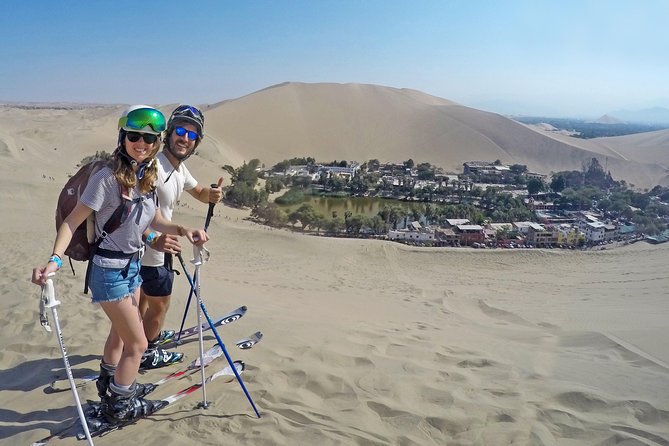
Paracas offers the ocean and the Ballestas Islands. Huacachina offers an oasis and sand dunes. Both are relatively close to Lima and do not compete with Cusco in terms of altitude.

What not to include yet

Huaraz, Lake 69, Lake Parón, northern Peru, Máncora, Chachapoyas, and a multi-day Amazon stay are better saved for a second trip. On your first trip, they take nights away from Cusco and Machu Picchu.

If you want a ready-made 12-day itinerary with Machu Picchu and Lake Titicaca already planned, discover our 12-day package with Incredible Peru Tours.

Inicio » Perú » Page 3

This guide answers one question: how many days do you need to travel through southern Peru without cutting your overnight stays too short? This is not an island-hopping itinerary. Nor is it a list of what to save for a second trip. This is about how much time you actually need.

In practical terms, southern Peru means Lima, Arequipa, Puno, Cusco, and Machu Picchu. Paracas and Huacachina only fit if you have extra days. Every transfer takes up a chunk of your day. That is why trying to see everything in one week is not a relaxed trip through southern Peru. It is a different kind of itinerary.

How many days are enough?

Ten days are enough to cover southern Peru at a moderate pace. Twelve days allow you to spend two nights in the main destinations. Fourteen days give you some breathing room for a bus ride, a flight, or a day to adjust to the altitude.

If your idea of travel is to drop off your suitcase and leave for another town the next day, 10 days can work. If you would rather explore without checking the clock over breakfast, aim for 12 or 14 days.

How to realistically count your travel days

Day 1 is almost never a full day. You arrive in Lima, wait for your luggage, and before you know it, the afternoon is gone. Your departure day does not really count as a sightseeing day either. In between, there are road journeys that can take anywhere from 6 to 10 hours.

A simple way to calculate it is to subtract two days from your total: your arrival and departure days. What remains is your actual travel time. On a 12-night trip, you have roughly 10 useful days. That makes it easier to understand why 7 days are not enough for Arequipa, Lake Titicaca, and Machu Picchu.

Minimum nights to avoid rushing

BaseNightsWhat you have time for
Lima2Arrive and explore the city without rushing back to the airport
Arequipa2Explore the city. Colca requires another night or a very early start
Puno2One full day on the lake. A single night is only enough for a short excursion
Cusco and the Sacred Valley4Acclimatization, the Sacred Valley, and the train to Machu Picchu
Paracas or Huacachina1 eachOnly if your trip is longer than 12 days

What changes between 10, 12, and 14 days?

10 days. Lima, Arequipa, and the Cusco – Machu Picchu route. Either Lake Titicaca or Colca has to be left out. A domestic flight can save you a full day of bus travel. The pace is tight, but not chaotic.

12 days. Puno now fits into the itinerary. You leave Lima, continue through Arequipa, visit Lake Titicaca, and finish in Cusco. You still will not have many free afternoons, but each part of the trip has enough time to make sense.

14 days. You can add part of the coast or an extra night in Colca. Those two additional days are what turn the trip into a genuinely relaxed journey: not because you add another destination, but because you have breathing room between destinations.

The transfers that can throw off your schedule

Arequipa – Puno takes around 6 hours. Puno–Cusco takes between 6 and 10 hours depending on the service. An overnight bus may “give” you an extra day, but it takes away a good night’s sleep. If you take two overnight buses in a row, you may arrive in Cusco with very little energy for climbing Inca terraces.

The Lima – Cusco flight takes just over an hour. The airport does not. Plan on using about half a day unless your flight leaves early in the morning.

A practical rule: do not schedule a long tour on the same day you spend 8 hours traveling. That is the point where southern Peru starts to feel rushed, even if the itinerary looks good on the map.

Where you do not need to spend extra days

In Lima, a third night is only worthwhile if you are genuinely interested in exploring the city itself. In Puno, a fourth night rarely adds much if you have already visited the lake. Extra time is usually better spent in the Sacred Valley or Arequipa rather than adding another stop along the way.

The details about Uros, Taquile, or Amantaní do not belong here. That information is covered in our Lake Titicaca guide. What matters here is simple: the lake needs two nights. One night gives you only a glimpse.

Signs that your itinerary is too rushed

  • Spending only one night in Arequipa and another in Puno.
  • Arriving in Cusco and taking the train the following day.
  • Using your international arrival day to fly directly to the Altiplano.
  • Planning the coast, Colca, Lake Titicaca, and Machu Picchu in 10 nights.

If two of those four apply to your itinerary, your schedule is already too tight. Cut one section of the trip. Do not cut hours of sleep.

Frequently Asked Questions

Are 7 days enough for southern Peru?
They are enough for Lima and Machu Picchu, but not for the complete southern route.

Are 12 days enough to travel without rushing?
Yes, 12 days are enough. A more relaxed pace starts closer to 14 days.

Is it worth including a free day?
Yes, especially in Cusco or Arequipa. Do not schedule it on the day you take the train.

If you want a ready-made 12-day itinerary, with the nights already planned and Machu Picchu included, take a look at our 12-day package with Incredible Peru Tours.

Inicio » Perú » Page 3

Altitude sickness in Peru is not the same in Lima, Arequipa, Cusco, or Puno. The elevation changes, your body reacts differently, and what you can do the next day changes as well. This guide explains the differences between cities and how to plan a route with a gradual increase in altitude, without turning your trip into a race toward 4,000 meters.

What is altitude sickness?

Acute mountain sickness can occur when you ascend quickly above 2,500 meters. There is less oxygen available at higher elevations. You may experience headaches, shortness of breath, nausea, or insomnia. It is not a matter of physical fitness. It can affect someone who runs marathons while someone who walks slowly may feel fine.

In Peru, altitude matters because the most visited destinations are not at the same elevation. Sleeping at 2,300 meters is not the same as sleeping at 3,800 meters. Visiting Machu Picchu at 2,430 meters after spending a night in the Sacred Valley is not the same as traveling from Lima to Puno on the same day.

Elevation of the most common destinations

City or stopApprox. elevationWhat it feels like
Lima0 to 160 mSea level. Altitude sickness is not an issue.
Paracas / Huacachina0 to 400 mCoast and desert. A good low-altitude base.
Arequipa2,330 mThe first step up. It is usually well tolerated.
Chivay (Colca)3,600 mA noticeable increase compared with Arequipa.
Ollantaytambo / Urubamba2,800 mLower than Cusco. A good place for your first night in the Andes.
Machu Picchu2,430 mLower than Cusco. Climbing up to and around the citadel can still be tiring.
Cusco3,400 mThis is where many travelers begin to experience symptoms.
Puno3,800 mOne of the highest bases on the southern Peru circuit.
Amantaní hills4,100 to 4,150 mA short but demanding hike because of the elevation.
Rainbow MountainClose to 5,000 mIt is not a city. It is an extremely high-altitude excursion.

The important distinction is not simply “Andes or no Andes.” What matters is where you sleep. Your body acclimatizes overnight, not while you are sitting on a bus.

Why Cusco and Puno should not be planned the same way

Cusco is high, but you have the Sacred Valley nearby where you can descend and spend the night. Puno does not have the same option 20 minutes away. Lake Titicaca is at roughly the same elevation as the city. If you arrive from sea level and climb Taquile or hike up a hill the following day, your body faces two challenges at once: sleeping high and exercising high.

Arequipa sits in between. It is not a destination “for altitude sickness.” It is the intermediate step that many travelers skip when they fly directly from Lima to Cusco or from Lima to Juliaca. Going from sea level straight to 3,400 or 3,800 meters explains many difficult first days at altitude.

A route with a gradual increase in altitude

The logic is simple: gain elevation gradually and save strenuous activities until you have already spent two nights above 2,300 meters.

An order that can help

  • Lima or the coast (0 to 400 m)
  • Arequipa (2,330 m)
  • Sacred Valley (2,800 m)
  • Cusco (3,400 m)
  • Puno (3,800 m), if your trip includes Lake Titicaca

Machu Picchu can come after one or two nights in the Sacred Valley. It is lower than Cusco. The main issue is not the elevation of the citadel itself. It is arriving without having spent a night at altitude and then trying to climb stairs at the same time.

Routes that often cause problems

  • Lima–Puno on the same day, followed by an island tour at dawn.
  • Lima–Cusco followed by Rainbow Mountain within 24 hours.
  • Spending your first night in Cusco when you could stay at a lower elevation in the Sacred Valley.
  • Colca, Lake Titicaca, and a demanding hike on three consecutive days.

What to do during your first 48 hours at altitude

Walk slowly. Eat light meals. Drink water. Avoid alcohol. Do not rush around just to “make the most of the day.” Your first truly active day should be your second or third day, not the day you arrive.

Common symptoms

Mild headaches, fatigue, and trouble sleeping are common.

When you should not continue ascending

If you experience shortness of breath while resting, severe vomiting, confusion, or fatigue that does not improve with rest, do not continue ascending. Descend to a lower elevation and seek medical attention.

Does coca tea help?

Coca tea does not replace proper acclimatization. It may help some people. It is not a treatment.

How to fit this into a short trip

If you only have one week, do not make Puno your first high-altitude stop. Fly to Cusco and spend the night in the Sacred Valley. Visit the city afterward. If you have 10 or 12 days, visiting Arequipa before Cusco or Puno reduces the sudden increase in elevation.

The exact schedule of nights and destinations is covered in other articles on this blog. The main rule here is simple: once you are above 2,500 meters, avoid increasing your sleeping elevation by more than about 1,000 meters from one day to the next, and do not combine that increase with a long hike.

  • Lima (sea level)
  • Arequipa (2,330 m)
  • Sacred Valley (2,800 m)
  • Cusco (3,400 m)
  • Puno (3,800 m)
  • Machu Picchu (2,430 m)

Frequently Asked Questions

In which city is altitude sickness felt the most?

It is generally felt more in Puno than in Cusco, and more in Cusco than in Arequipa. It is not an issue in Lima.

Can you get altitude sickness at Machu Picchu?

It is less likely than in Cusco because Machu Picchu is at a lower elevation. However, the stairs and warm weather can still be tiring if you arrived from sea level the day before.

Does sleeping in the Sacred Valley help?

Yes. It is one of the most useful ways to reduce the impact of your first night at altitude.

Do I need to take medication?

That is something a doctor should determine. This guide does not recommend medications. The basic approach is still to ascend gradually and avoid pushing yourself too hard on your first day.

Plan a route with a gradual increase in altitude

If you want an itinerary that takes you from Lima to Arequipa before continuing to Cusco or Puno, we can include it in our 12-day package with Incredible Peru Tours.

Inicio » Perú » Page 3

Taquile is a natural island in Lake Titicaca, on the Peruvian side. Located off the coast of Puno, it is best known for one thing: its textile tradition. In 2005, UNESCO recognized “Taquile and its textile art” as Intangible Cultural Heritage of Humanity.

It is not a floating island. Taquile is made up of rock, agricultural terraces, and steep trails. The local people speak Quechua. Textiles are not simply souvenirs for visitors. They are part of everyday clothing and a social code expressed through hats, belts, colors, and patterns.

Where Taquile Island is and what it is like

Taquile belongs to the district of Amantaní in the Puno region. It is located approximately 22 to 28 miles (35 to 45 km) east of the city of Puno, depending on the point from which the distance is measured.

The island is approximately 3.4 miles (5.5 km) long and 1 mile (1.6 km) wide, with an area of about 2.2 square miles (5.72 km²). The main village sits at approximately 12,960 feet (3,950 meters) above sea level, while the highest point reaches around 13,290 feet (4,050 meters).

Around 2,000 to 2,200 people live on the island. Their main activities include agriculture, fishing, and textile production. There are no cars. Everything is done on foot. The boats arrive at the lower part of the island, while the main square is located uphill.

In Quechua, the island is called Intika.

Taquile textiles
Taquile textiles

Taquile textiles: more than handicrafts

Learning to weave begins during childhood. Boys start learning to knit with needles at around five to eight years old. Women spin yarn, dye it using plants and minerals, and weave wide belts known as chumpis on traditional looms.

This division of work often surprises visitors: on Taquile, men knit the chullos, while women weave the belts. Both skills have an equally important role in community life.

UNESCO’s recognition goes beyond the beauty of the weaving itself. It recognizes a living cultural system. Clothing can communicate who a person is, whether they are single or married, whether they have held positions of responsibility within the community, and even their level of weaving skill.

What a chullo can tell you

A chullo is much more than a traditional hat. Its colors, patterns, and even the way the tip is worn can communicate a person’s marital status and position within the community.

  • Single men traditionally wear a red-and-white chullo, with the tip positioned to one side. In some cases, they may also carry another hat attached to their belt.
  • Married men wear chullos with more red and more elaborate patterns, especially during celebrations. The pintay chullo is one of the most detailed designs.
  • There are also special chullos worn by community authorities or by men who have already completed important communal responsibilities.

The quality of the weaving matters. A tightly knitted chullo can reportedly hold water without leaking. This test appears in traditional courtship stories, in which a future son-in-law demonstrates his skill to the bride’s family.

Other traditional garments you will see

In addition to the chullo, you will see:

  • Chumpi belts, which are wide and decorated with woven patterns. They are made by women and worn by both men and women.
  • Traditional pants and shirts combined with Andean garments.
  • Ponchos, vests, and scarves that vary according to a person’s community role. Some garments are reserved for local authorities.

In the main square, you will find a cooperative and community-run stalls. A rotating sales system helps distribute opportunities so that textile sales are not concentrated among only a few families.

If you buy a textile, look at the reverse side. Tight, even stitching is one of the details that can help distinguish a well-made Taquile textile from an imitation produced elsewhere.

Men weaving chullos on Taquile Island

Culture and daily life

Taquile is organized around a strong sense of community. The Andean principles summarized in the phrase ama sua, ama llulla, ama qella remain part of local tradition: do not steal, do not lie, and do not be lazy.

The island is divided into sectors, or suyus, that help organize crop rotation. Pre-Inca and Inca agricultural terraces are still in use today. Local families grow potatoes, oca, fava beans, and other high-altitude crops, while fishing continues on the lake.

The native language is Puno Quechua. Many residents also understand Spanish because of tourism. Traditional clothing is worn as part of daily life, not only for photographs or special occasions.

There are churches on the island, while the main square is home to the school, community buildings, and restaurants that serve tour groups around lunchtime.

Tourism on Taquile was developed in part as a community-based model that includes family homestays, local guides, meals, and textile sales. In practice, a busy full-day tour provides only a limited amount of time on the island. Travelers who stay overnight experience a different side of Taquile: quiet afternoons after the boats leave and a closer look at the daily rhythm of local families.

Things to do on Taquile Island

Walk from the dock to the main square

The first section includes stone steps and an uphill trail. At more than 12,800 feet (3,900 meters) above sea level, you will feel the altitude. Walk slowly, take breaks, and drink water.

From the higher parts of the island, there are viewpoints overlooking Lake Titicaca and Amantaní Island. On clear days, distant mountain ranges can also be seen across the lake.

Watch traditional weaving

In the main square and along the trails, you may see men knitting chullos. In many cases, this is not a performance arranged for tourists. It is part of everyday life, although visitors are now frequently present. Always ask permission before taking close-up photographs.

Try local trout

A typical tour lunch often includes Lake Titicaca trout, soup, and Andean tubers. Restaurants near the main square are designed mainly to serve tour groups, so do not expect an extensive menu.

Walk among terraces and ancient remains

The island has agricultural terraces, burial sites, and pre-Inca and Inca remains. These are not monumental ruins like Machu Picchu. They are part of a living cultural landscape. Stay on marked trails and avoid entering cultivated fields.

Travelers visiting Taquile Island

How to get to Taquile Island from Puno

Taquile can only be reached by boat. Departures leave from the port of Puno.

Full-day Uros + Taquile tour

This is the most common way to visit. Hotel pickup is usually around 7:00 a.m. The tour first visits the Uros Islands, which are close to Puno, before continuing across the lake to Taquile. After exploring the island and having lunch, you walk back down to the dock and return to Puno in the afternoon.

Approximate travel times from Puno to Taquile:

  • Regular boat: approximately 2.5 to 3 hours.
  • Speedboat: approximately 1 to 1.5 hours, sometimes less depending on the service.

A group tour generally includes transportation, a guide, entrance fees, and lunch. Prices vary depending on the type of boat and group size.

Shared or local boat

Shared boats leave from the Puno dock, often around 7:00 or 7:30 a.m., once enough passengers have gathered. They are slower and usually more affordable. In some cases, the captain may also provide basic information during the trip. Entrance fees to Uros and Taquile may need to be paid separately.

This option can work well if you have plenty of time and do not require a dedicated English-speaking guide.

Direct or private speedboat

Some operators travel to Taquile with only a short stop at Uros or without visiting Uros at all. This option costs more, but it gives you additional time on Taquile and allows you to avoid the busiest part of the standard route.

Combined with Amantaní

On two-day tours, travelers usually spend the night on Amantaní and visit Taquile the following day. The amount of time spent on Taquile is generally shorter than on a full-day excursion focused primarily on the island.

Boat to Taquile Island

Entrance fees, money, and how much time you really need

There is an entrance fee to visit the island. It is usually included in organized tours. If you travel independently, you can pay it upon arrival.

Carry cash in Peruvian soles. Do not rely on being able to pay by credit or debit card once you reach the island. High-quality textiles are not inexpensive because they require significant time and skill to produce. Ask the price before buying and respect the value of the work.

On a typical full-day tour, you may spend around two to three hours on Taquile. Much of that time is taken up by the uphill walk, lunch, and a visit to the textile cooperative. If you want more time for walking and exploring, consider arranging a longer visit or staying overnight.

Tips for experiencing more than just the scenery

The altitude can feel more noticeable on Taquile than in Puno because much of the visit involves walking uphill. Do not rush up the steps. If you arrive in Puno from Lima or another low-altitude destination on the same day, it may be better to visit Taquile the following day.

Bring:

  • Sunscreen, sunglasses, and a hat.
  • A fleece or warm layer. It can be cold on the boat.
  • Shoes with good traction. Some stone paths can be slippery.
  • Cash in Peruvian soles.
  • A bottle of water.

Ask permission before photographing people. If possible, buy textiles directly from the community cooperative or from the person who made them.

Do not expect hotel-style restroom facilities. Take all your trash with you and help keep the island and lake clean.

Taquile or Uros: they are very different experiences

Uros consists of floating islands made from totora reeds near Puno and is usually visited on a shorter excursion. Taquile is a natural rocky island farther out on the lake, with uphill walking and a textile tradition recognized by UNESCO.

If you only have a morning available, Uros is easier to fit into your schedule. If you have a full day, Taquile is worth the longer boat ride. With two days, combining an overnight stay on Amantaní with a visit to Taquile provides a good introduction to the islands and their local traditions.

Frequently asked questions

Can I visit Taquile and return to Puno on the same day?
Yes. This is how most travelers visit the island.

Do I need to be physically fit?
You do not need to be an athlete, but you should take your time. The island has stairs and uphill trails, and the altitude makes the walk more demanding.

Do men really knit on Taquile?
Yes. Learning to knit is part of boys’ education and continues to be an important skill and source of social prestige in adulthood.

Are the textiles sold in the main square authentic?
Textiles sold through the community cooperative are generally produced locally. At independent stalls, you can look closely at the stitching and ask who made the piece.

Is there electricity and cell service on Taquile?
Services have improved over the years, but Taquile is still very different from a city. It is best to plan your visit without depending heavily on your phone or internet connection.

To understand Taquile, look beyond the lake for a moment and pay attention to the hands of its people. A chullo is not simply there for a photograph. Through wool, color, and traditional patterns, it tells part of the story of the person who lives on the island.

Inicio » Perú » Page 3

Lake Titicaca is the highest navigable lake in the world, located at approximately 12,500 feet (3,810 meters) above sea level. To explore it from Peru, Puno is the main starting point. Most travelers come to this city to discover its islands, choose the tour that best fits their schedule, and prepare properly for the high altitude.

This guide covers the lake, the main islands on the Peruvian side, the different types of tours, estimated prices, the best time to visit, and practical travel tips.

Where is Lake Titicaca?

Lake Titicaca is located in the Andean highlands. On the Peruvian side, it belongs to the Puno region, where some of the lake’s most visited islands and communities are located.

The lake covers approximately 3,200 to 3,250 square miles (8,300 to 8,400 km²). Its volume exceeds 213 cubic miles (890 km³), and its maximum depth is close to 920 feet (280 meters).

Puno is the main base for visiting Lake Titicaca in Peru. The nearest airport is located in Juliaca.

Why Lake Titicaca is important beyond its scenery

Lake Titicaca is sacred to both Aymara and Quechua communities. In Andean tradition, the sun is believed to have emerged from these waters, and the lake is closely connected to the origin of the Incas. Fishing, high-altitude farming, totora reed work, and textile production remain part of everyday life on its islands.

Tourism supports part of the local economy. It also brings large groups of visitors to the floating islands closest to Puno. Choosing the right tour can make a significant difference in your experience.

Useful facts before you travel

  • Average elevation: approximately 12,500 feet (3,810 m) above sea level.
  • Maximum length: approximately 105 to 118 miles (170 to 190 km), depending on the measurement.
  • Maximum width: approximately 31 to 50 miles (50 to 80 km).
  • Natural islands frequently visited from Puno: Taquile, Amantaní, Suasi, and Soto.
  • Artificial islands: the floating Uros Islands, built with totora reeds.

The altitude affects the pace of your trip. It is an important factor to consider.

Lake Titicaca islands worth visiting

Uros Floating Islands

The Uros Islands are located in Puno Bay, approximately 3 to 5 miles (5 to 8 km) from the port. They are built with layers of totora reeds. The surface is soft and must be renewed regularly because the lower layers gradually decompose.

Families live on the islands and combine fishing, handicrafts, and tourism as part of their daily activities. There are dozens of islands, and those closest to the port usually receive more visitors. If you prefer a quieter experience, you can ask about islands located farther away or tours operated with smaller boats.

What to see: totora reed houses, traditional boats, the process used to build the islands, and aspects of daily life. An additional ride on a traditional reed boat usually has an extra cost and is not always included in the tour.

Tip: ask about prices before buying products or booking additional activities. It is also recommended to ask permission before entering private family spaces.

Taquile Island

Taquile is a natural island located approximately 22 miles (35 km) from Puno. It has agricultural terraces and steep walking trails. The main square is located higher than the lake, so visitors should expect an uphill walk.

Taquile is famous for its textiles. UNESCO has recognized this textile tradition as intangible cultural heritage. Men actively participate in weaving, and certain garments, such as the traditional chullo hat, can communicate information about marital status or responsibilities within the community.

What to see: traditional weaving, viewpoints, pre-Inca and Inca remains, and the opportunity to enjoy a local lunch. The most common one-day tour combines a morning visit to the Uros Islands with Taquile later in the day.

The physical effort is moderate. Travelers with knee problems or difficulties related to altitude should walk slowly and take their time.

Taquile

Amantaní Island

Amantaní is one of the largest natural islands on the Peruvian side of Lake Titicaca and is located farther from Puno than Taquile. For this reason, one of the best ways to experience it is on a two-day, one-night tour with an overnight stay in a local family home.

The island has two ceremonial hills, Pachatata and Pachamama, located at approximately 13,450 to 13,615 feet (4,100 to 4,150 meters) above sea level. The sunset hike is one of the highlights of the visit. Accommodations are simple, and facilities are generally basic. Local meals often include potatoes, quinoa, oca, and trout.

Amantaní is a good choice for travelers who want to spend a night on Lake Titicaca and experience local community life more closely. Keep in mind that accommodations are simple and should not be expected to offer the same facilities as a conventional hotel.

Lake Titicaca tours: how to choose

Tours from Puno

Uros Islands only (2 to 3.5 hours)
Tours depart in the morning or afternoon. This is a short option for travelers with limited time in Puno who want a first introduction to Lake Titicaca.

Full-day Uros and Taquile tour (7 to 8 hours)
This is one of the most popular excursions. Tours usually depart in the morning and can be operated by regular boat or speedboat. A speedboat reduces travel time between the islands. Services commonly include transportation to the port, entrance fees, a guide, and lunch on Taquile, although you should confirm what is included before booking.

Two days and one night: Uros, Amantaní, and Taquile
On the first day, you visit the Uros Islands before continuing to Amantaní, where you spend the night. On the second day, you visit Taquile before returning to Puno. Check in advance which meals and services are included.

Kayaking and island tours
Some experiences allow you to kayak through areas near the totora reeds before continuing the trip by boat. These activities require more physical effort, so it is best to do them after you have had time to acclimate to the altitude.

Group or private tour

Group tours are generally more affordable and follow established schedules. At the Uros Islands, you will usually share the experience with other groups.
Private tours offer greater flexibility with departure times and, depending on the itinerary, may provide a quieter and more personalized visit.

Before booking, ask about the type of boat, departure time, actual tour duration, number of islands visited, availability of life jackets, guide language, and included meals.

Estimated prices

Prices can vary depending on the season, type of boat, and whether the service is group or private. As a general reference:

  • Uros Islands only: lower-priced short tour.
  • Uros and Taquile in one day: mid-range price.
  • Uros, Amantaní, and Taquile with an overnight stay: mid-range to higher price.
  • Private homestay or small-group experiences: higher price.

Carry cash in Peruvian soles. Credit or debit card payments may be limited or unavailable on the islands. It is also a good idea to have extra cash for handicrafts, restrooms, optional activities, and tips.

Best time to visit Lake Titicaca

May to October. This is the dry season, with more sunny days, less rainfall, and generally better conditions for excursions. Nights can be very cold, especially in June, July, and August.

September to November. This can be a good period for travelers looking for a balance between pleasant weather and fewer visitors.

December to March. This is the rainy season, and the landscape becomes greener. Bringing a waterproof jacket is recommended. In February, Puno receives many visitors for the Virgen de la Candelaria festival, and hotel availability may be more limited.

Lake Titicaca can be visited year-round. However, in addition to the weather, you should always take the altitude into account.

Practical travel tips

How to manage the altitude

Puno is located at approximately 12,500 feet (3,800 meters) above sea level, and some areas of Amantaní are even higher. If you arrive directly from a lower-altitude destination, avoid overly strenuous activities during your first few hours. Drink plenty of water, eat light meals, and limit alcohol while your body adjusts.

Headaches, shortness of breath, and nausea can occur because of the altitude. If symptoms become severe or worsen, seek medical attention.

What to pack

  • Sunscreen, sunglasses, and a hat. Sun exposure is intense because of the altitude and the reflection from the water.
  • A fleece and windbreaker. It can feel cold on the boat even on sunny days.
  • Shoes with good traction. Taquile and Amantaní have uphill walking trails.
  • A reusable water bottle.
  • Cash in Peruvian soles.
  • Your personal medications. Supplies may be limited on the islands.

How to behave on the islands

Ask for permission before photographing people, especially children. Paying an entrance fee does not mean you can enter private family spaces. If you choose to buy handicrafts, do so because you value the work and the product. On Taquile, many textile pieces require hours of careful work.

Food and water

Trout, quinoa soup, potatoes, and muña are common in many local meals. It is recommended to drink bottled or properly treated water, especially if you are spending the night in a family homestay.

On the boat

Wear a life jacket when required and follow the crew’s instructions. Speedboats save time, although the ride can feel bumpier. If you are prone to motion sickness, try to sit in a more stable area of the boat and keep your eyes on the horizon.

How to get to Lake Titicaca

Getting to Puno. You can fly to Juliaca and continue by road for approximately one hour to Puno. Buses are also available from Cusco and Arequipa. From Cusco, there are also daytime tourist buses that stop at attractions along the route, such as Raqchi and Pucará.

If you are traveling from Cusco, you can add Puno and Lake Titicaca as the next destination on your journey through southern Peru. If you have enough time, spending one night in Puno before taking a longer tour can help you adjust to the altitude.

Frequently asked questions

How many days do I need?
One day is enough to visit Uros and Taquile. With two days, you can include Amantaní and spend a night in a local community. If you have three days, you can explore Puno at a more relaxed pace or combine Lake Titicaca with other attractions in the region.

Can I visit Lake Titicaca independently?
Yes. Different boat services are available at the port of Puno. However, booking a tour makes it easier to coordinate schedules, entrance fees, and guided visits.

Can altitude sickness affect me during the tour?
Yes, especially during walks on Taquile or in the higher areas of Amantaní. The trails are not technically difficult, but the lower oxygen levels can make physical activity feel more demanding.

Are the Uros Islands authentic?
Families live on the Uros Islands and maintain traditional activities while also welcoming visitors as part of their local economy. Some islands receive more tourists than others, so the experience can vary depending on the itinerary you choose.

Is Lake Titicaca suitable for children or older travelers?
Visiting the Uros Islands is relatively easy. Taquile and Amantaní require more walking and physical effort because of the altitude. If you spend the night in a family home, keep in mind that the facilities are usually simpler than those of a hotel.

How to plan your Lake Titicaca itinerary

If you only have one day in Puno, you can take a full-day tour to Uros and Taquile. Leave early and bring warm clothing for the boat ride.

If you have two days, you can include an overnight stay on Amantaní. This allows you to experience Lake Titicaca at a slower pace and learn more about daily life in the local communities.

If you have three days, you can dedicate two days to Uros, Amantaní, and Taquile and use the remaining time to explore other attractions in Puno and the surrounding area.

If you want to experience Puno and Lake Titicaca as part of a complete trip through Peru, discover our 12-day Peru package with Incredible Peru Tours and plan your journey with us.

Partners

Partners and Agreements

Backed by the world's best tourism organizations

Dircetur
Fodor's
Lonely Planet
PromPerú
TripAdvisor