Nighttime temperature on the Salkantay Trek is one of the factors that most influences sleep quality and, by extension, physical performance the following day. However, it is also one of the data points that creates the most confusion before preparing your gear: the figures vary depending on the source, the seasons of the year produce noticeable differences, and the different overnight points along the route have completely different thermal behavior from one another.
This guide gives you the real temperatures for each night of the trek, the explanation of why they vary so much from one camp to another, and what you need to bring to sleep well at each point along the route.
Why nighttime temperature on the Salkantay is not uniform
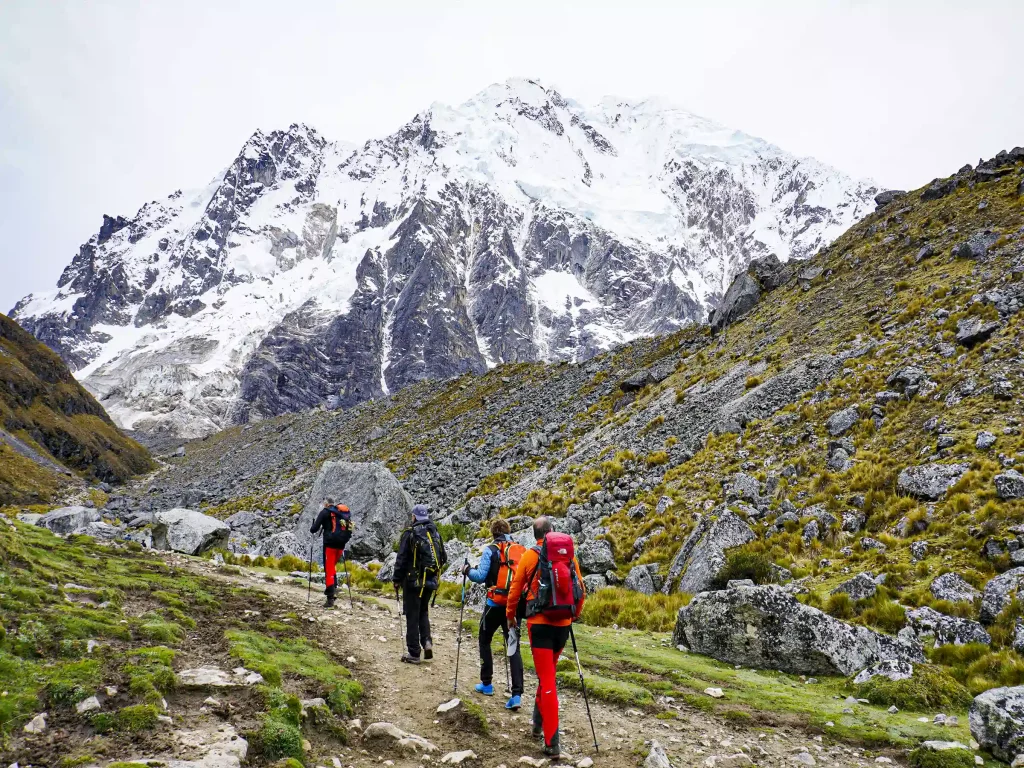
The Salkantay Trek descends from the 3,900-meter base camp of Soraypampa to the 1,580-meter Santa Teresa area in three days of hiking. That altitude difference of more than 2,300 meters between the starting point and the arrival point on the third day produces nighttime temperature variations that in some cases exceed fifteen degrees between the coldest and warmest camp on the route.
Altitude is the factor that most determines nighttime temperature in the Andean mountains, but it is not the only one. Valley orientation, proximity to the glacier, ambient humidity, and the time of year also significantly change what the thermometer reads at two in the morning at each point on the trail. That is why generic statements like “it gets cold on the Salkantay” are not enough to prepare the right gear: what matters is knowing how cold it gets on each specific night.
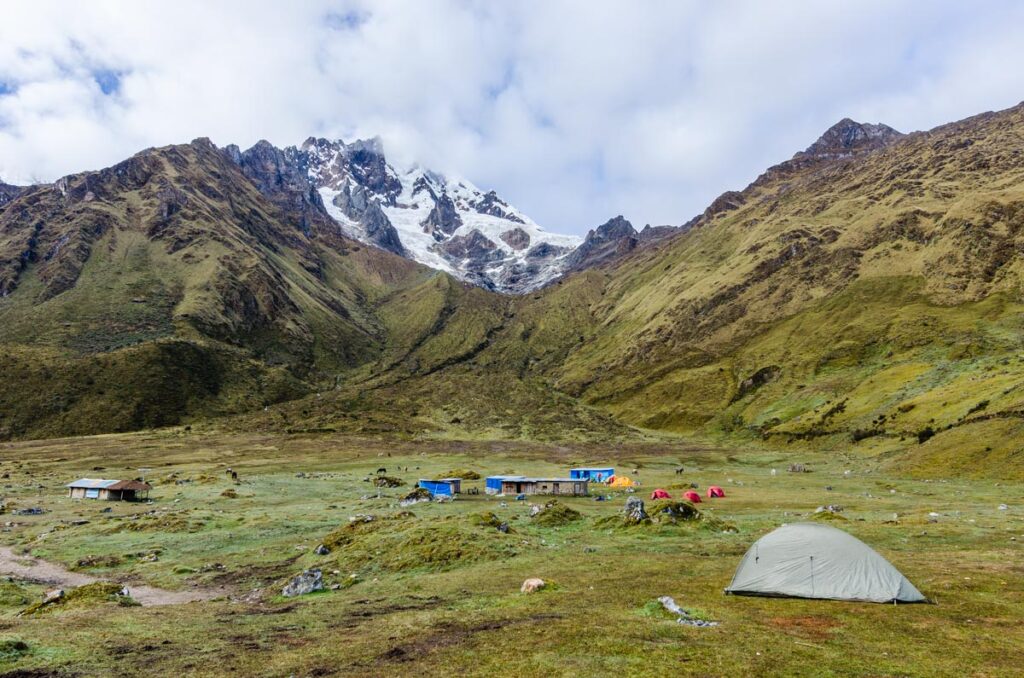
First night: Soraypampa (3,900 meters)
The first night at the Soraypampa base camp is the coldest of the route and the one that most determines your sleeping bag choice. Nighttime temperature at this point usually ranges between 0 and 5 degrees Celsius above zero during the dry season, with some specific days in June and July when the thermometer can drop as low as 3 or 4 degrees below zero during the coldest hours of the early morning, usually between 2:00 and 5:00 a.m.
During the wet season, from November to March, nighttime temperatures in Soraypampa are generally somewhat higher in absolute value, but the ambient humidity makes the cold feel more penetrating than the dry cold of the summer season. A sleeping bag that works well in the dry season may prove insufficient in the wet season because of that effect of humidity on thermal perception.
The sleeping bag for the first night in Soraypampa should be rated for at least 5 degrees below zero as a comfort temperature. Bags rated at 0 degrees are sufficient for most nights in peak season, but on the coldest days of June and July they may come up short. If there is any doubt about the capacity of the available bag, it is better to err on the side of more warmth rather than less.
The feeling of cold inside the tent also depends on the quality of ground insulation. A low-quality or thin sleeping pad that does not insulate from the cold ground can make the perceived temperature inside the sleeping bag several degrees lower than the real temperature. Good-quality agencies provide pads with thickness and insulation ratings appropriate for Soraypampa temperatures. This is something worth checking before booking.

Second night: Chaullay or transition valleys (2,700 to 3,200 meters)
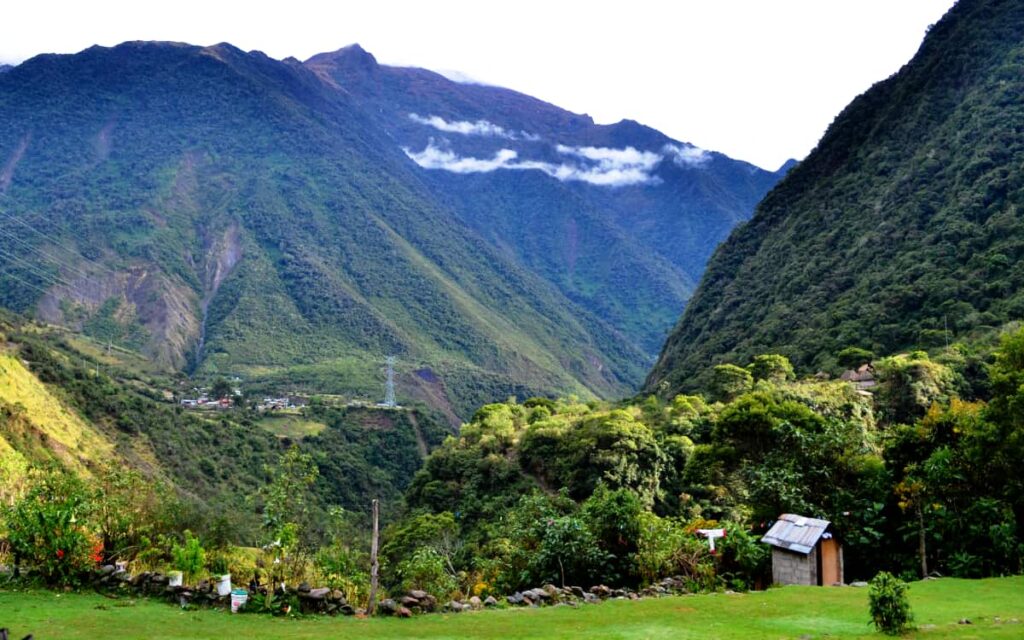
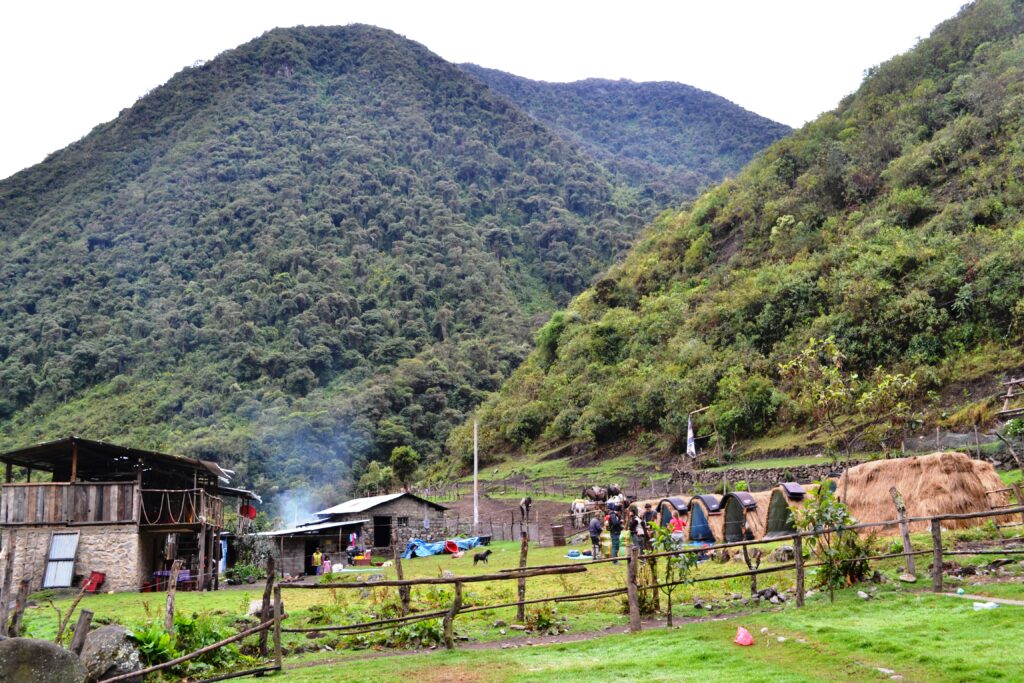
The second night of the Salkantay Trek is spent in the transition valleys between the puna and the subtropical zone, usually in the Chaullay area or at a similar point on the descent. The altitude at this point is considerably lower than in Soraypampa, which translates into significantly warmer nighttime temperatures.
During the dry season, nighttime temperature in this area ranges between 5 and 12 degrees Celsius above zero. The thermal amplitude between day and night can be noticeable: afternoons at that altitude are warm due to the sun, and the temperature drops quickly when darkness falls, but it rarely reaches below-zero values. The sleeping bag used at the Soraypampa camp is more than sufficient for this night, and in the warmest months of the year it may even be excessive.
During the wet season, the temperature in this area is similar to or slightly higher than in the dry season in absolute terms, but the humidity of the transition forest makes the nighttime environment feel heavier and less cold than the puna. Condensation on the tent and gear is more frequent in this area than in Soraypampa, and it is a good idea to keep the next morning’s clothing inside the sleeping bag or in a waterproof bag to prevent it from being damp at dawn.
Third night: Santa Teresa (1,500 to 1,800 meters)
The third night, in the Santa Teresa area or nearby, is the warmest of the entire route. At that altitude, in the subtropical valley zone, nighttime temperature rarely drops below 15 degrees Celsius at any time of year. In the warmest months, from November to March, it can stay between 18 and 22 degrees throughout the night.
On this night, the high-mountain sleeping bag that was essential in Soraypampa may feel too warm. Some participants sleep with the bag completely open like a blanket, others with only the lower part closed and their legs inside. It is the night of the trek when nighttime temperature is the last factor you need to think about, and when rest is determined almost exclusively by the accumulated fatigue of the second and third day.
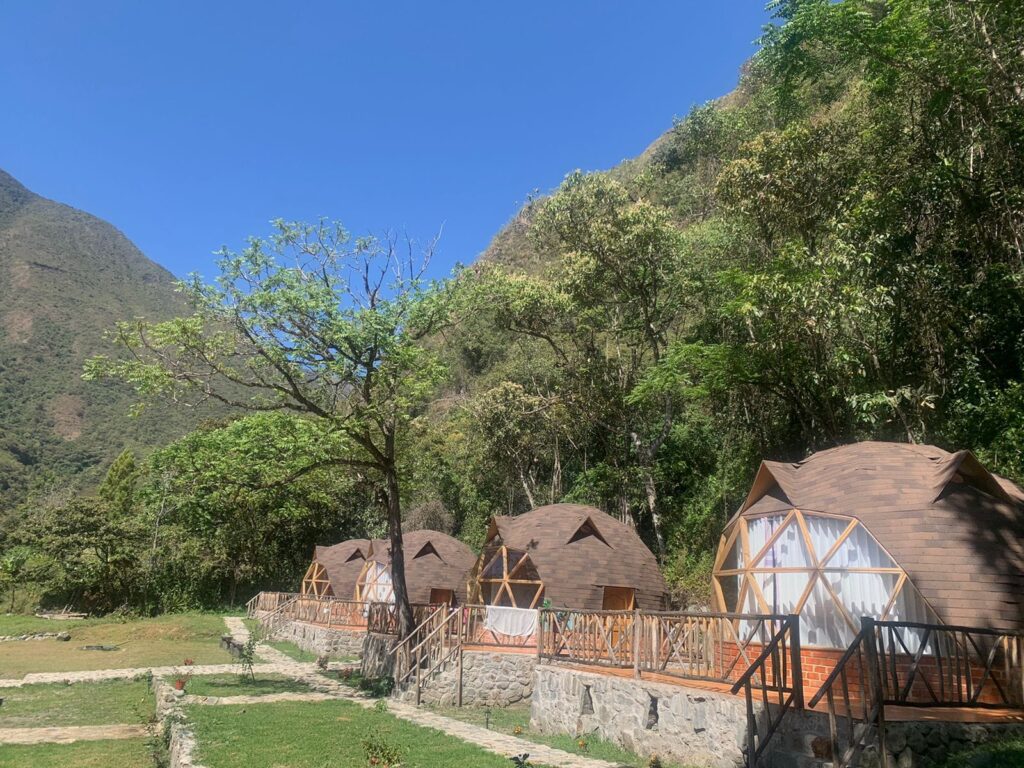
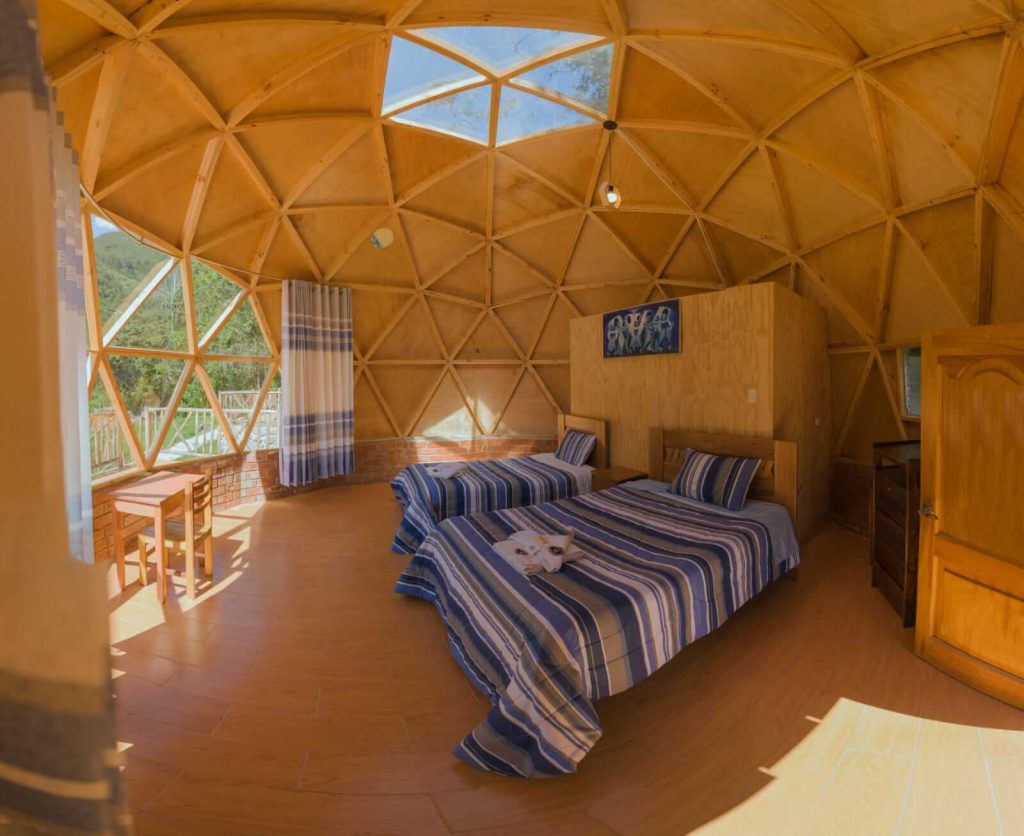
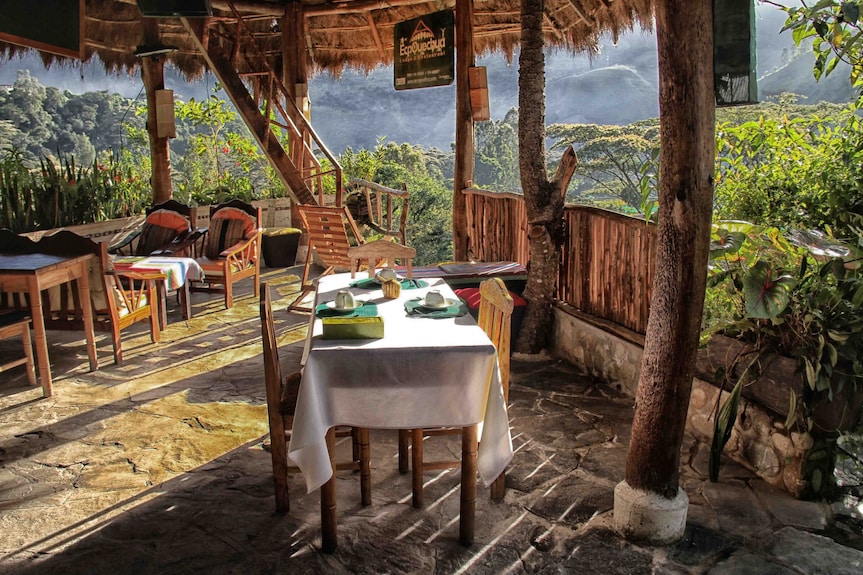
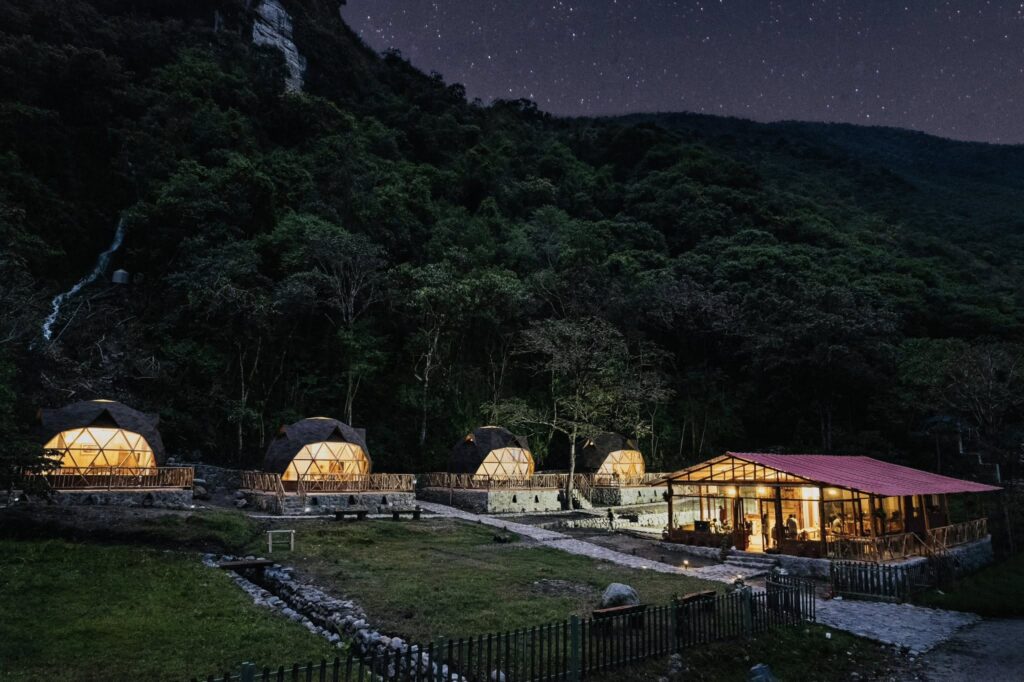
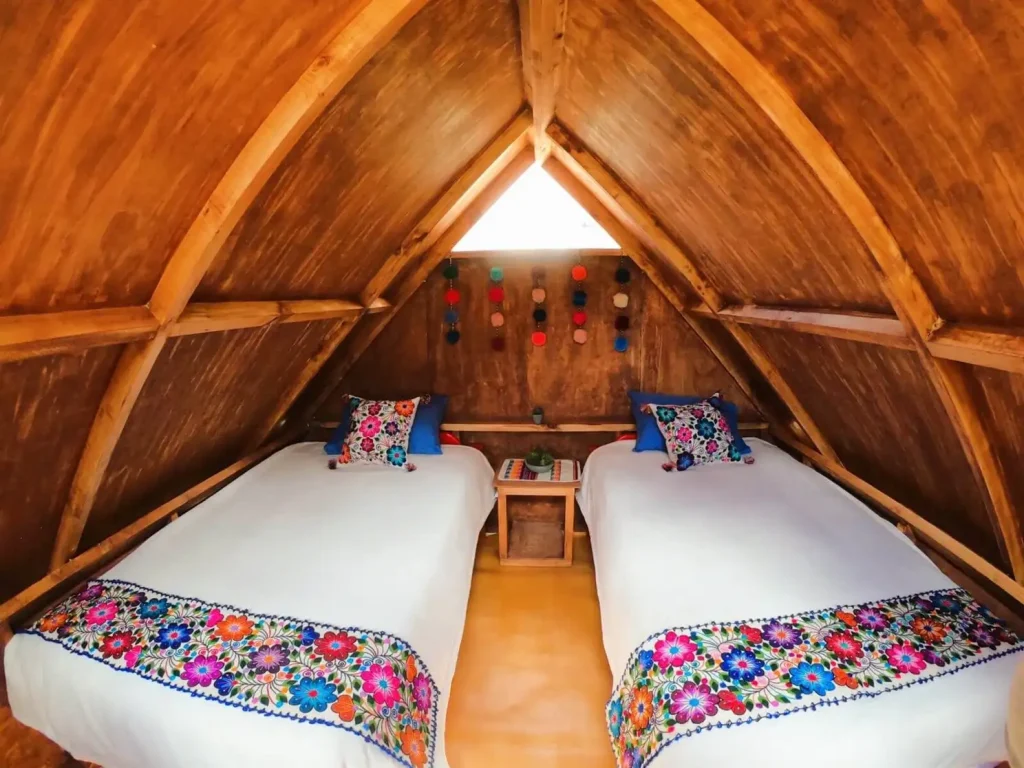
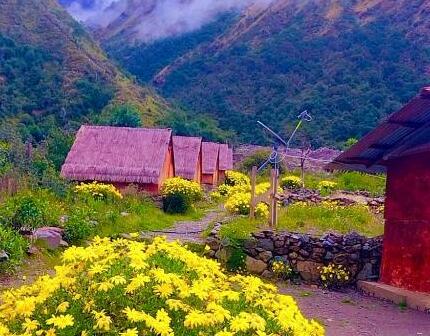
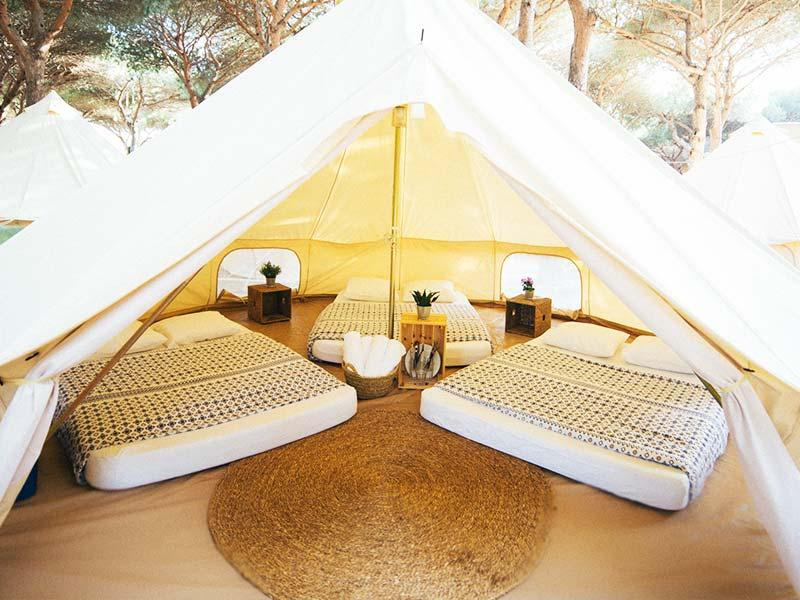
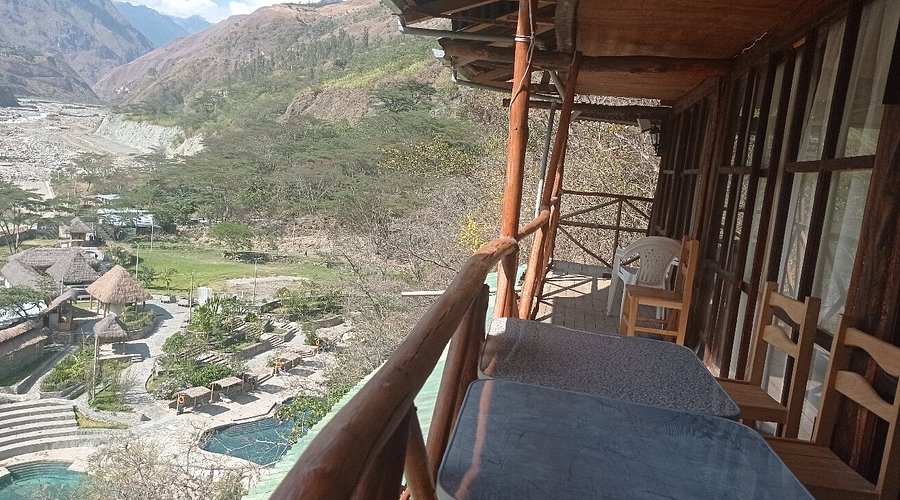
The dome complexes or lodgings in this area usually have more than enough ambient temperature without the need for additional heating, unlike the domes in Soraypampa where heating is a real comfort differentiator.
Fourth night: Aguas Calientes (2,040 meters)
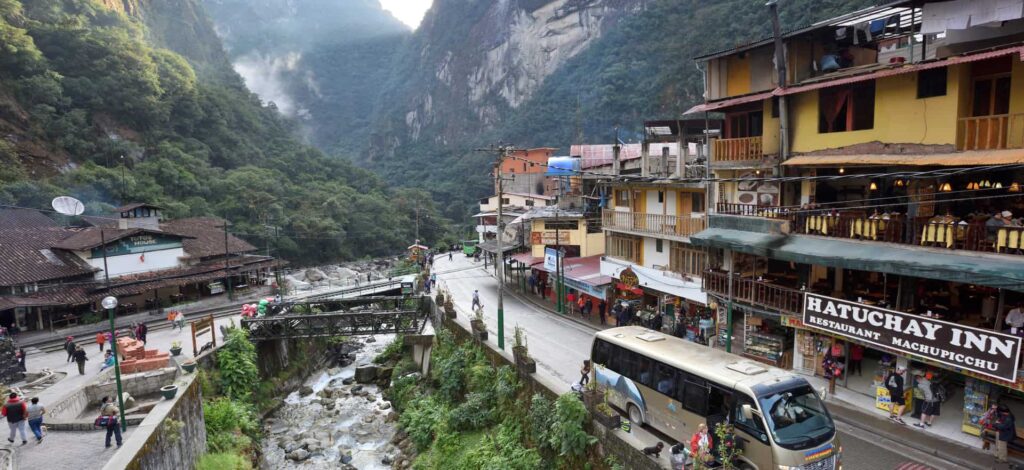
The fourth night is spent in Aguas Calientes, in a hotel or hostel with a climate-controlled room or with an ambient temperature between 14 and 18 degrees depending on the time of year. It is the first night of the route in conventional urban facilities, and the transition from the cold of the high mountains to the mild warmth of the base town of Machu Picchu is usually very welcome.
On this night, the sleeping bag stays in the backpack and the hotel bedding does the job. The goal of the fourth night is to rest enough to enjoy the Machu Picchu visit the next day with energy, which, after three nights in the field, is usually achieved without any additional effort in a hotel bed.
What sleeping bag to bring: practical guide
The sleeping bag is the piece of gear that depends the most on the real temperature expected on each night of the route. Sleeping bags have three temperature ratings in the standard European EN 13537 system: comfort temperature, limit temperature, and extreme temperature. For the Salkantay Trek, the most useful reference is the comfort temperature, which indicates the value at which an average-built adult can sleep without feeling cold.
For the first night in Soraypampa during peak season, the bag’s comfort temperature should be 0 degrees or lower. A bag rated at 0 degrees comfort works correctly for most nights of the year. For June and July, which are the coldest months at that point, a bag rated at 5 degrees below zero comfort gives a greater safety margin.
For the second and third night, a bag rated at 5 or 10 degrees comfort is sufficient. If you carry the same bag for the whole route, which is the most common, the Soraypampa bag works perfectly for the following nights simply by opening it more or less depending on the temperature at each point.
Agencies usually include the sleeping bag in the package equipment or offer it as a rental. Before confirming the booking, checking the temperature rating of the bag provided by the agency for the Soraypampa camp is one of the most practical questions you can ask.
Tips for sleeping better on the coldest nights
- Eat well at dinner before the first night. The digestion process generates body heat that the sleeping bag retains. Eating a solid dinner in Soraypampa has a real thermal effect during the first hours of sleep.
- Wear a hat and thermal socks to sleep. The body loses a large part of its heat through the head and feet. A lightweight merino wool hat and a pair of dry socks specifically for sleeping significantly improve thermal perception inside the bag.
- Keep the next day’s clothes inside the sleeping bag. Getting dressed in cold clothes at 4:00 a.m. in Soraypampa is one of those discomfort details that can be completely avoided with this habit.
- Fully close the sleeping bag hood on the coldest nights. Many quality bags have a hood that can be adjusted around the face, leaving only the nose and mouth exposed. That adjustment can mean several additional degrees of perceived comfort.
- Do not breathe inside the sleeping bag. The moisture from exhaled air builds up inside the bag and reduces its insulation capacity. Always breathe outside the bag, even if the night air is cold.
- Use a sleeping pad with a good insulation rating. A low-quality pad that does not insulate from the cold ground can make even the most expensive sleeping bag on the market feel insufficient. The combination of bag and pad is what defines nighttime thermal comfort, not one of the two elements separately.
Do you want to do the Salkantay Trek with the correct gear for each night of the route and the right sleeping bag for the real temperatures of the base camp? At Incredible Peru Tours, we specify the temperature gear for each overnight point before confirming the booking and provide bags rated for the real conditions of the route. Write to us with your dates and we will send you the complete information before you decide.