2026 Book your spot for the Inca Trail 2026!

Inicio » salkantay » Page 3

Both routes depart from Cusco, both end at Machu Picchu, and both have a well-earned reputation among those who have completed them. But the Salkantay Trek and the Lares Trek are such different experiences in their landscapes, their human dimension, and the type of emotion they create that comparing them as if they were different versions of the same thing does not make much sense. This guide puts them into perspective using the criteria that truly matter when making a decision.

What defines each route in a few words

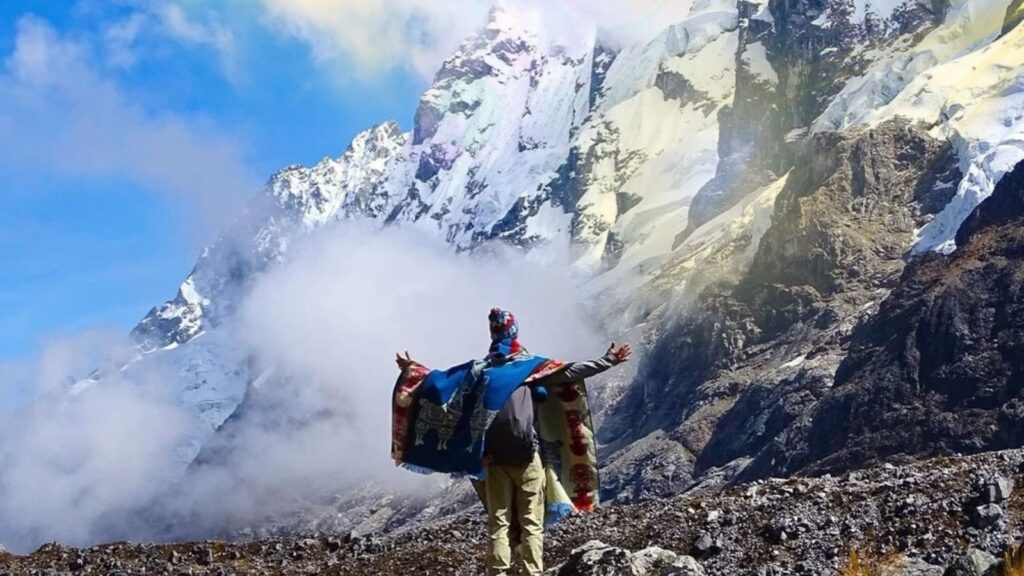
The Salkantay Trek is a route of monumental nature. Its main character is not an archaeological site but a mountain: the snow-capped Salkantay at 6,271 meters, under whose shadow the second day of the route unfolds and whose glacial pass at 4,630 meters is the most intense moment of the five days. The variation in ecosystems created by that descent from the high mountains to the subtropical valleys of Santa Teresa has no equivalent on any other route in the region in terms of visual and thermal contrast.
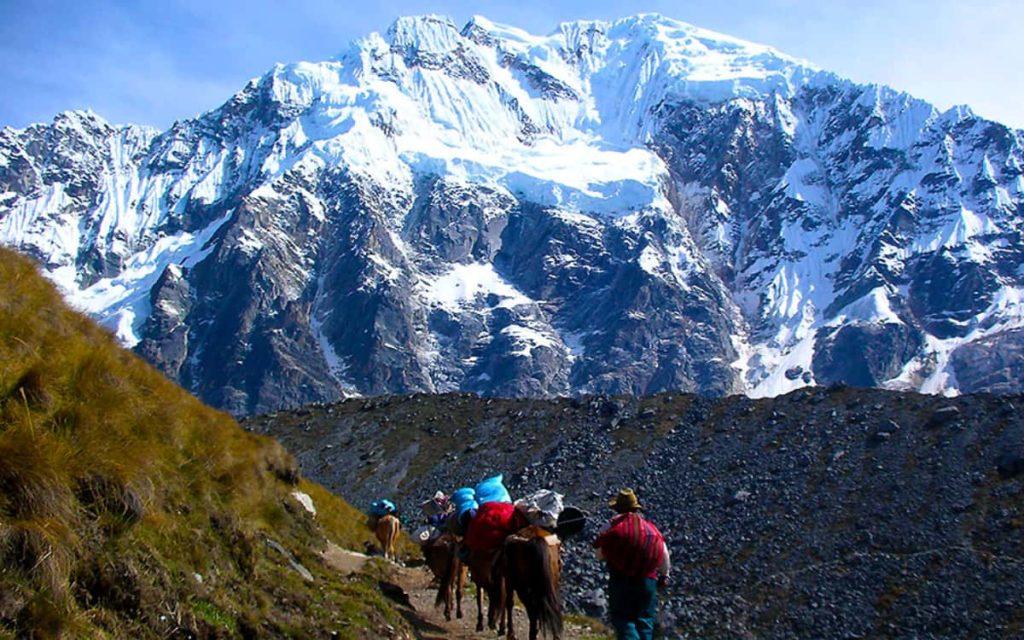
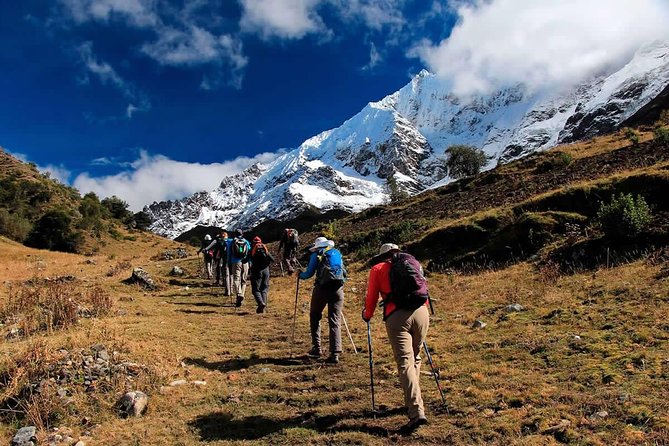
Salkantay trek
Salkantay Trek

The Lares Trek is a route of cultural encounter. Its main character is not untouched nature but the people: the Quechua-speaking communities of the Lares district, in the province of Calca, who live along the trail and welcome visitors in a setting that mass tourism has still not substantially transformed. Shepherdesses weaving on the hillsides, children going to school in Quechua, local markets in the villages along the way: that is what Lares offers that Salkantay cannot provide.
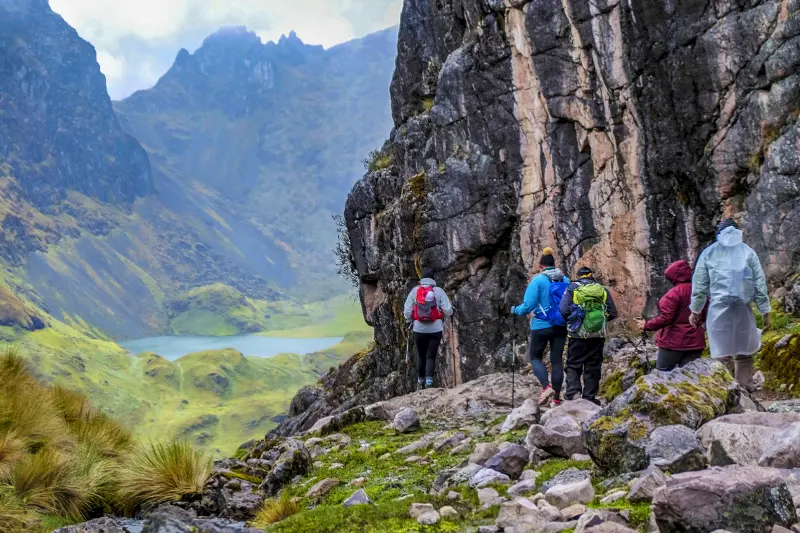
The landscape: what the eye sees on each route

On Salkantay, the landscape changes radically every day of the route. On the first day, Humantay Lake at 4,200 meters, with its turquoise waters reflecting the snow-capped peak. On the second day, the Salkantay glacier within almost touching distance from the pass at 4,630 meters. On the third day, the coffee and cacao plantations of the lower valleys of Santa Teresa, with the humid warmth of the cloud forest. That variety in five days is what National Geographic Traveler recognized in 2008 when it included Salkantay among the twenty-five most valued treks in the world.
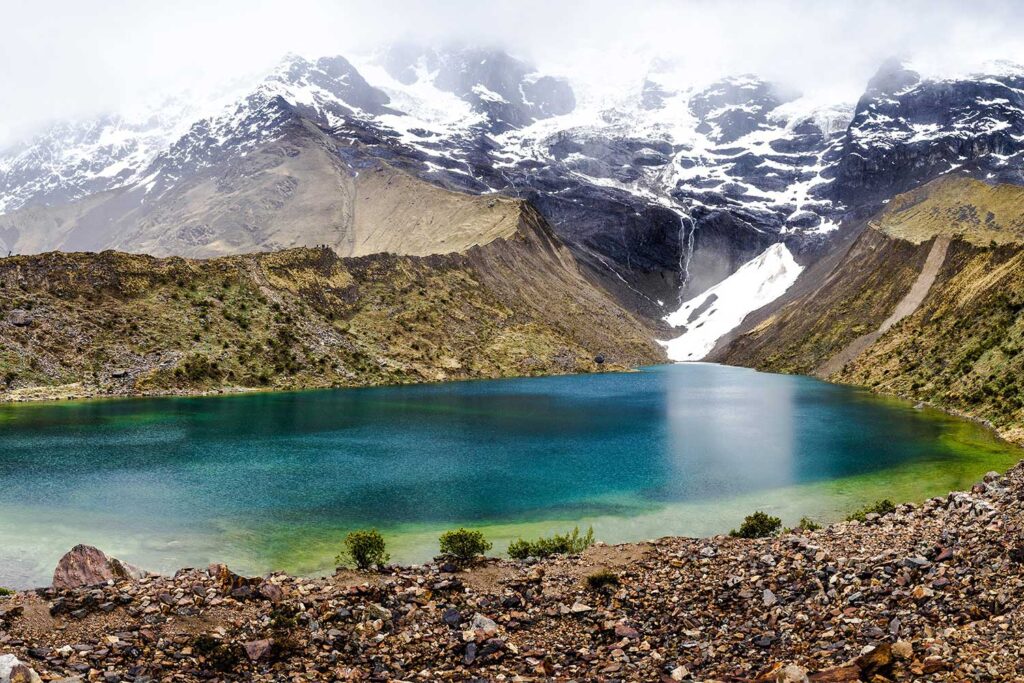
Laguna Humantay
Humantay Lake

On Lares, the landscape also has its own greatness, although on a different scale. Grazing valleys at over 4,000 meters with herds of alpacas, turquoise high-altitude lagoons, snow-capped peaks on the horizon on clear days, and the vegetation of the mid-elevation valleys where the trail crosses active communities. It does not have the glacial drama of Salkantay, but it has something Salkantay cannot offer: the human presence integrated into the landscape as a natural part of it.
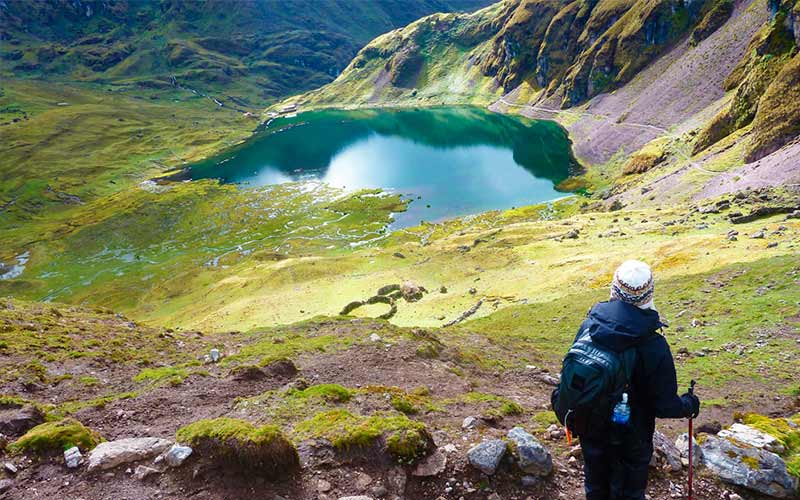
Lagoon on the Lares Trek

The cultural dimension: where the real difference lies

The Salkantay Trek does not have Inca archaeology along the trail or active communities on the main route. The cultural experience is concentrated at the final destination, Machu Picchu, and in the conversations with the guide during the trek. It is a nature experience that ends at a historic site, not a cultural experience in itself.

The Lares Trek reverses that proportion. The villages that appear along the way, Lares, Quiswarani, Huacahuasi, are not tourist scenery: they are places where people work, raise animals, farm, and maintain traditions that books on Andean ethnography document but that Lares allows you to see in their real context. Some operators include visits to community weaving workshops where artisans work with techniques taught to them by their mothers and grandmothers. At Incredible Peru Tours, this cultural component of Lares is one of the elements most valued by those who already know Machu Picchu and are looking for a second experience in the region from another perspective.

Difficulty compared: which one demands more from the body

Salkantay is the more demanding of the two in terms of maximum altitude. The Salkantay Pass at 4,630 meters is almost 500 meters higher than the highest pass on Lares, and the 1,500-meter descent from that point to the second-day camp is the section that has the greatest impact on the knees throughout the entire route. For someone without previous high-altitude trekking experience, that day can be the limit of what the body can manage comfortably if prior acclimatization in Cusco has not been sufficient.

The Lares Trek has similar maximum altitudes on some of its passes, which can exceed 4,400 meters depending on the chosen variation, but the terrain is generally gentler: dirt and grass trails instead of stone steps, with long and gradual slopes that are more manageable for the knees on descents than the profile of Salkantay. For people with a history of joint injuries, Lares may be physiologically easier to handle even though the altitude is comparable.

Arrival at Machu Picchu: a decisive factor for many

The Salkantay Trek reaches Machu Picchu from Aguas Calientes by bus, in the same way as any conventional tourist. The visit to the archaeological site is complete and equally impressive, but the entrance does not have the historical dimension of arriving on foot along the pre-Hispanic trail.
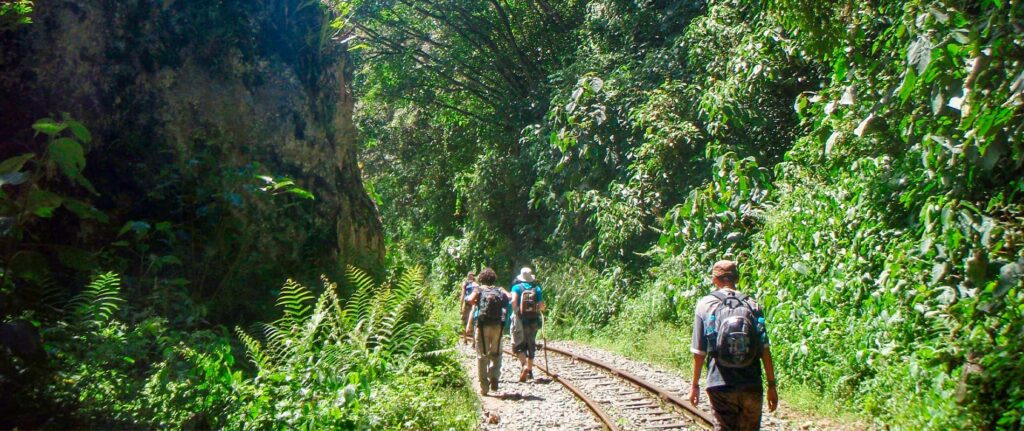
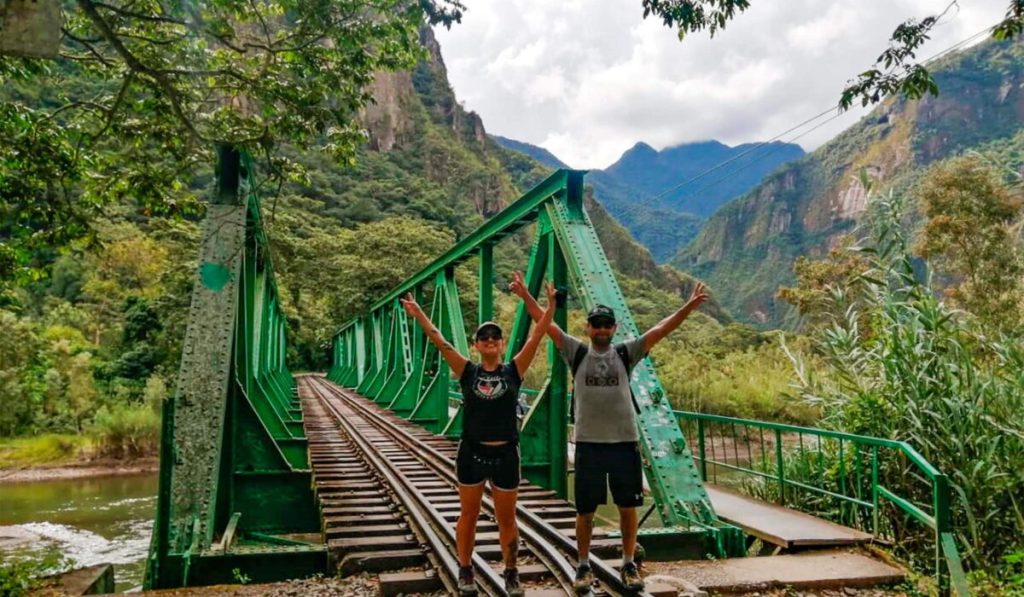
Hydroelectric Route
Salkantay Hydroelectric Route – Aguas Calientes

The Lares Trek also reaches Machu Picchu by train and bus from Aguas Calientes, without access on foot through any section of the Inca Trail. In that respect, the two routes are the same: neither reaches the citadel through the Sun Gate. If that specific arrival moment is an essential part of what you are looking for, the Classic Inca Trail is the only route that guarantees it.
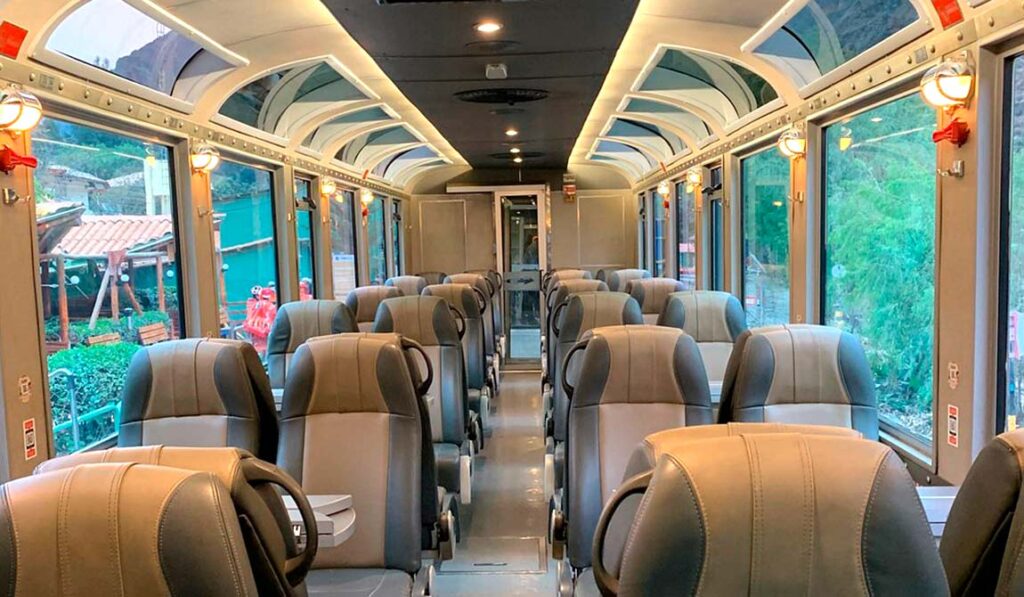
Ollantaytambo - Aguas Calientes Train
Ollantaytambo – Aguas Calientes Train

Availability and logistics: practical advantages of each option

Neither of the two routes has the regulated permit system of the Inca Trail. Both Salkantay and Lares can be organized with less advance notice, without the official Ministry of Culture permit process. That makes them accessible options for travelers with tighter dates or those who discovered the option of reaching Machu Picchu on foot too late.

Salkantay has more established operational infrastructure: more operators, a wider variety of packages, more lodging options including camping, domes, and ecolodges, and more information available before booking. Lares has a more focused offering among operators who specifically know the communities along the route and have real relationships with them, which at Incredible Peru Tours we consider a natural quality filter: anyone who operates Lares without that community relationship cannot offer the experience the route has to give.

Who each route is for: straight to the point

Choose the Salkantay Trek if high-mountain glacial scenery is your priority, if you want the most extreme variety of ecosystems available in the region, if you are looking for the international recognition of one of the world’s most valued treks, or if you want lodging options between camping and glamping at the Salkantay IPT Domes (Incredible Peru Tours) with views of the snow-capped mountain.

Choose the Lares Trek if contact with living Andean communities is as important to you as the landscape, if you already know Machu Picchu and are looking for a second experience in the region from a completely different angle, if responsible tourism with direct impact on local economies is part of your travel values, or if dirt and grass terrain is better for your joints than the rocky terrain of Salkantay.

And if you have enough time in the region, doing both on the same trip is not unreasonable. They are complementary experiences within the same territory that enrich each other: those who have seen the natural side of Cusco on Salkantay better understand the human dimension of Lares, and vice versa.

CriterionSalkantay TrekLares Trek
Duration5 days (standard version)4 days
Maximum altitude4,630 m (Salkantay Pass)4,200 – 4,450 m depending on the variation
Type of terrainGlacier, rock, and cloud forestAndean grasslands and dirt trails
DifficultyHighModerate to high
Main landscapeSnow-capped mountain, glaciers, and subtropical valleysGrazing valleys and Andean communities
Cultural componentLow along the routeHigh: active Quechua-speaking communities
Archaeological sitesNot along the routeNot along the route
Special permitNot requiredNot required
AvailabilityYear-round, with no regulated permitsYear-round, with no regulated permits
Arrival at Machu PicchuBus from Aguas CalientesTrain + bus from Aguas Calientes
Approximate priceFrom $450 USD (camping)From $380 USD (camping)
Monthly closureOpen year-roundOpen year-round
Ideal forExtreme nature, glaciers, variety of ecosystemsLiving Andean culture, responsible community tourism

Do you have questions about which of the two routes best fits what you are looking for? At Incredible Peru Tours, we operate both the Salkantay Trek and the Lares Trek, and we guide each group toward the most suitable option according to their profile, dates, and the type of experience they are looking for.

Inicio » salkantay » Page 3

The Salkantay Pass at 4,630 meters is the highest point of the trek and also the one that raises the most anxiety-related questions before booking. What happens if your body does not respond well on the second day? Is there any way to continue the route even if you do not reach the pass? Do you lose all the money invested? Is it still possible to reach Machu Picchu? These questions are completely legitimate, and answering them before heading out on the trail is exactly what helps those who have them feel more confident when making a decision.

This guide honestly explains what options exist if the second day of the Salkantay Trek does not go as expected.

The difference between not reaching the Pass and having to abandon the route

The first thing to clarify is that not reaching the Salkantay Pass and having to abandon the entire route are two different situations with different implications. In some cases, a participant who has difficulties during the ascent to the pass can return to the Soraypampa campsite, rest, and continue the route from that point in a different way. In other cases, physical conditions require completely interrupting the trek and returning to Cusco.

The difference between the two scenarios is mainly determined by the cause of the difficulties. If the problem is severe altitude sickness, descending to a lower altitude is the only solution, and that means leaving the trail. If the problem is physical exhaustion without symptoms of altitude sickness, there may be room to rest and continue at a different pace or along an alternative route. The certified guide is the one who evaluates that difference on the ground with basic medical judgment and knowledge of the route.

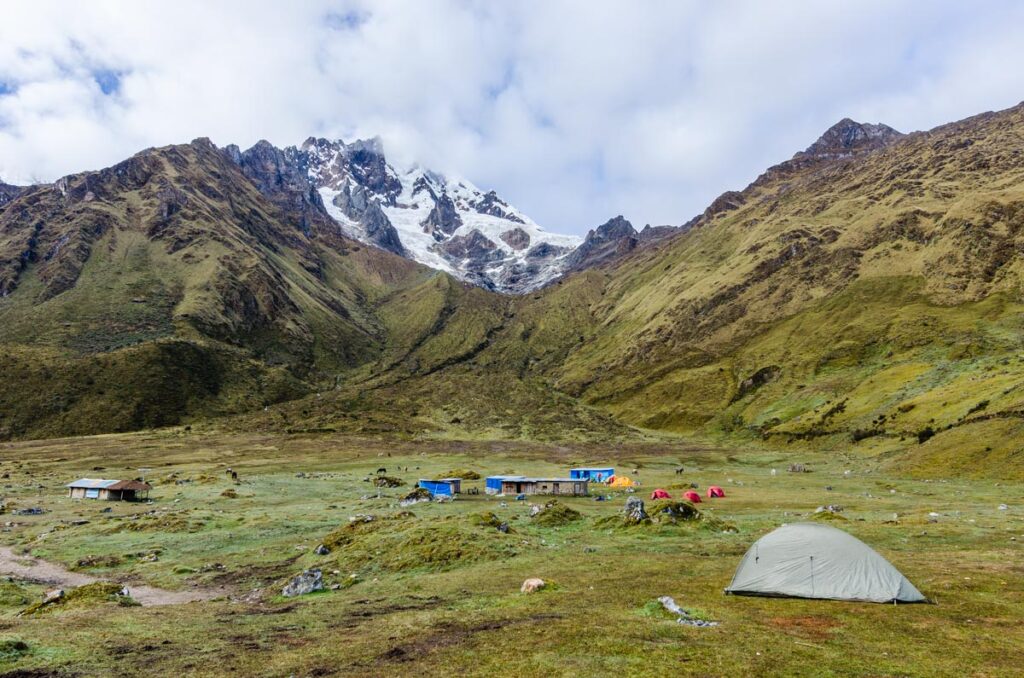
Soraypampa campsite
You can return to the Soraypampa campsite

The variant that avoids the Pass: it exists but is not always viable

The Salkantay Trek does not have an official route variant that completely avoids the Salkantay Pass and still reaches Machu Picchu along the same route. The pass is a structural part of the trek, not an optional addition. However, there is a logistical alternative that some operators apply in specific cases: if a participant cannot cross the Pass but can continue at a lower altitude, they can descend from Soraypampa along the dirt road to the town of Mollepata and from there transfer to the Santa Teresa area to rejoin the group at the third campsite, avoiding the high mountain section but rejoining the route in the subtropical valleys.

This option depends on several factors: that the participant is physically able to move independently, that the operator has transportation logistics available for that transfer, and that the group as a whole can reorganize to absorb that situation without compromising the overall itinerary. It is not a guaranteed solution in all packages or with all operators, but it exists and deserves to be mentioned because in some cases it allows participants not to completely lose the trekking experience.

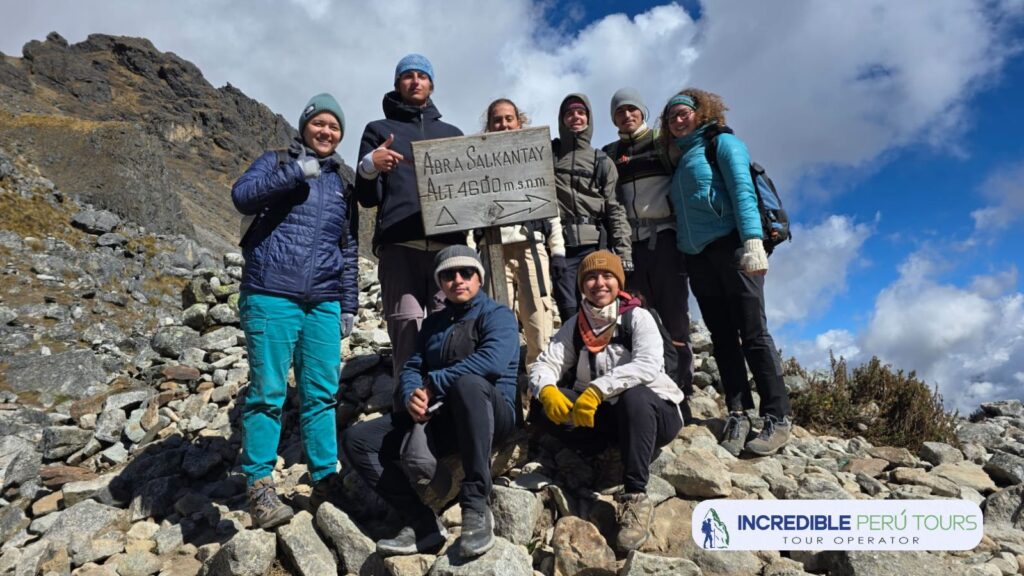
Salkantay Pass
A unique experience reaching the Salkantay Pass

If the problem is altitude sickness: what the guide does

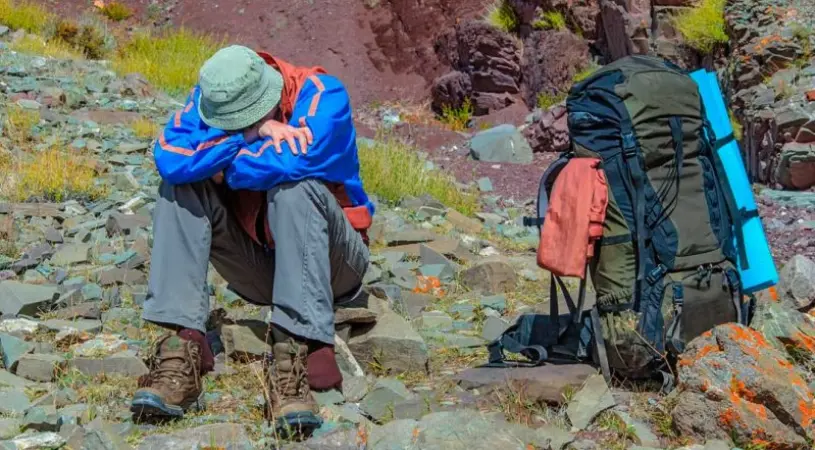
If during the ascent to the Salkantay Pass a participant develops symptoms of altitude sickness that the guide evaluates as severe, the protocol is clear and non-negotiable: immediate descent. Severe altitude sickness does not improve with willpower, medication taken along the way, or rest at the same altitude. It only improves with descent, and the faster that descent occurs, the better the prognosis.

The symptoms that trigger this protocol are those that go beyond normal fatigue and increased breathing at that altitude: disorientation, difficulty breathing at rest, persistent vomiting, loss of balance, or any neurological symptom that the guide identifies as a sign of early cerebral or pulmonary edema. At that point, the guide stops the progress and coordinates the evacuation of the affected participant via the most accessible route available from the group’s current location.

The descent from the ascent section leads back to Soraypampa, from where the participant can be transported by vehicle to Cusco to receive medical attention. The guide accompanies the participant to a safe point and then coordinates with the agency team for the transfer, while the rest of the group, if a support guide is available, can continue the route.

Altitude sickness
The guide accompanies the participant to a safe point

If the problem is physical exhaustion without altitude sickness: what margin exists

Physical exhaustion on the second day of the Salkantay Trek, without clear symptoms of severe altitude sickness, is a different situation with more available options. Many participants who feel they cannot continue during the steepest section of the ascent benefit simply from stopping, sitting down, eating something for energy, and breathing consciously for ten to fifteen minutes. An experienced guide knows these difficult points and anticipates breaks at the right moments before exhaustion reaches a level that complicates things.

In cases where the participant cannot continue the ascent even if the symptoms are not those of severe altitude sickness, the guide may suggest significantly reducing the pace and continuing the climb at a very slow speed with more frequent breaks. The time difference between crossing the Pass at a normal pace and crossing it at a very slow pace can be one or two additional hours, which affects the arrival time at camp but does not make crossing impossible.

This margin of adaptation exists because the Salkantay Pass does not have a closing schedule. What does exist is the pressure to cross it before the wind and clouds that form mid-morning reduce visibility, and the need to reach the second day’s campsite before darkness makes the descent technically more difficult. The guide manages these time limits based on knowledge of the route and judgment about what is still viable for the group.

What happens to the money invested if the trek is interrupted

The Salkantay Trek does not require an official permit from the Ministry of Culture like the Inca Trail, which means that cost does not exist, nor does its non-refundable policy. What does exist is the cost of the agency package, the Machu Picchu entrance ticket, and the return train from Aguas Calientes.

The Machu Picchu entrance ticket is the most critical component in case of abandoning the trek. If the participant who leaves the Salkantay still reaches Machu Picchu via an alternative route—train from Aguas Calientes or any other—on the date and time of the ticket, they can use it without any problem. If they cannot arrive on that date, the ticket is lost because it is non-refundable and cannot be modified once issued.

The cost of the agency package has a refund policy that varies depending on the operator and the specific contract of each booking. Most commonly, there is no refund for days already started because operational costs such as guides, porters, food, and equipment are already committed. Some operators offer partial credit for a future booking, although this is not standard practice in the market.

Travel insurance with activity interruption coverage is the only tool that can financially compensate for abandoning the Salkantay due to a documented medical cause. For that coverage to apply, the policy must explicitly include high-altitude trekking as a covered activity, trip interruption as a covered event, and a medical report issued by a healthcare professional.

Reaching Machu Picchu even if the Pass could not be completed

This is the information that brings the most relief before booking: not reaching the Salkantay Pass does not necessarily mean not reaching Machu Picchu. If the participant who leaves the route on the second day reaches Aguas Calientes via alternative transportation, which the operator can coordinate in many cases, they can take the bus up to the archaeological site on the date of their ticket if their physical condition allows it.

Visiting Machu Picchu does not require having completed the trek. The entrance ticket is valid regardless of how you arrived at the base town. Many participants who have had to interrupt the Salkantay Trek for medical reasons on the second day and have taken the necessary time to rest still reach the citadel one or two days later via conventional routes. The experience is not the one they originally planned, but they still reach Machu Picchu.

How to reduce the risk of this situation occurring

The most effective way to avoid facing this scenario is to arrive at the Salkantay Trek with the correct preparation, not to wait for the second day to reveal any shortcomings.

The three factors that most reduce the risk of not being able to cross the Pass are: prior acclimatization of at least two nights in Cusco, and three for higher-risk profiles; eight weeks of physical preparation before the trip with progressive hikes on terrain with elevation gain; and a consciously slow pace during the ascent to the Pass, which is the most common mistake among those who are well prepared but go too fast during the early stages of the second day.

With these three factors properly addressed, the probability of not being able to complete the Pass is significantly lower. It is not a guarantee, because the individual response to altitude has an unpredictable component that does not depend solely on preparation. But it is the most important difference within the control of the person planning the trek.

A final perspective on not reaching the summit

There is something worth stating before closing this guide. The Salkantay Pass is not the summit of the Salkantay mountain, which stands at 6,271 meters and is only accessible to mountaineers with technical equipment and specific experience. The Pass is the mountain crossing at 4,630 meters that the trail goes through. Not reaching that pass is an interruption of the itinerary, not a personal failure.

The human body in the high Andes responds to altitude in ways that are not always predictable from sea level. People in excellent physical condition have had to descend from Salkantay due to altitude sickness, and others with less fitness have crossed it without difficulty because their bodies responded better to that specific altitude. This variability does not carry a moral lesson. It carries a practical one: preparation reduces risk but does not eliminate it, and knowing what to do if the most difficult scenario occurs is part of planning a responsible trek.

Do you have questions about the available options if the second day of the Salkantay does not go as expected, or would you like information about the coverage of our packages in case of route interruption?

Inicio » salkantay » Page 3

The first question many people ask when they discover the Salkantay Trek is the same: can I do it if I have never done mountain trekking before? The answer is not an unconditional yes nor a no that closes the door. It is an answer that depends on four specific variables that this guide helps you evaluate honestly: prior acclimatization, real physical condition, the version of the route you choose, and the type of logistical support you do it with. With those four variables properly addressed, the Salkantay Trek is within reach for people with no previous mountain experience. Without them, the same route can become an experience remembered for the wrong reasons.

What “no experience” means in the context of Salkantay

When someone says they have no trekking experience, they usually mean they have not done multi-day hikes in high mountains with overnight camping. That does not necessarily mean they do not walk, exercise, or have physical fitness. It means that the specific type of effort required by the Salkantay Trek, with its altitude, elevation changes, and field conditions, is not yet familiar to them.

This distinction matters because the main risk for someone without mountain trekking experience is not the distance or elevation gain itself. It is the combination of altitude, sustained effort over several days, and overnight camping conditions that together create an experience very different from any other physical activity most people have done before. Understanding that combination before stepping onto the trail is what separates those who enjoy it from those who struggle through it.

Salkantay
Salkantay trek

The most important factor: altitude

The Salkantay Trek reaches 4,630 meters at the Salkantay Pass, the mountain pass crossed on the second day. At that altitude, atmospheric pressure is approximately 40 percent lower than at sea level, which means the body receives less oxygen with each breath than it is used to. That difference is noticeable even if the body is in perfect physical condition.

For someone without prior experience at altitudes above 2,500 or 3,000 meters, arriving in Cusco, spending one or two nights, and heading straight to Salkantay the next day is the most common mistake and the one with the greatest impact on the second day’s experience. The body needs time to adapt, and that time cannot be compressed with willpower or supplements.

The minimum recommendation for someone without altitude experience is to spend three nights in Cusco before the first day of trekking. Not two: three. That extra night compared to the usual minimum for more experienced travelers can make the difference between tackling the Salkantay Pass with available energy or reaching the summit with altitude sickness symptoms that make the crossing significantly harder than necessary.

Realizar tour en la ciudad de Cusco
Take a tour in the city of Cusco or nearby to acclimatize

Physical fitness: what level is really needed

There is no physical fitness certificate required to do the Salkantay Trek, and that is both good news and a source of confusion. The good news is that the route does not require technical mountaineering experience or exceptional athletic ability. The confusion comes from the fact that “no athletic level required” is not the same as “anyone in any condition can do it.”

What the body does need to complete the Salkantay Trek with enough margin to enjoy it is a basic cardiovascular capacity that allows you to walk between five and eight hours per day for five consecutive days, with the second day being the most demanding. A person who regularly walks, climbs stairs without difficulty, and has no joint issues in knees or ankles has the right starting point. A completely sedentary person who does not walk more than twenty minutes at a time in daily life has preparation work to do before Salkantay becomes a good idea.

The minimum recommended preparation for someone without prior trekking experience is eight weeks of progressive walking before the trip. Not running or high-intensity training: walks of two to three hours over varied terrain, with some elevation gain, two or three times per week. With the backpack and footwear that will be used on the trek. That preparation does not turn anyone into a mountaineer, but it prepares the cardiovascular system and the leg and back muscles for what the route demands.

Regular hikes to prepare for trekking

Which Salkantay version makes the most sense for someone without experience

The Salkantay Trek has three-, four-, and five-day versions. For someone without previous mountain trekking experience, the five-day version is by far the most appropriate. Not because it is easier, but because it distributes the effort over more days with lower daily intensity and reaches Machu Picchu with enough energy reserves to enjoy the visit rather than just get through it.

The three-day version is the most compressed and requires longer days with less recovery time between them. For someone who already has high-altitude trekking experience, that intensity can be part of the appeal. For someone doing the route for the first time, it is a combination that increases the risk of the second day becoming difficult to manage.

The choice of accommodation type also matters for this type of participant. Domes or ecolodges instead of conventional camping improve sleep quality on the first night in Soraypampa, which is the coldest of the route, and that improvement has a direct impact on physical condition on the second day. For someone without high-altitude camping experience, the first night below freezing in a tent can be more disruptive than expected. Domes remove that discomfort factor without changing anything about the daytime route.

The guide: why it matters more for beginners

On the Salkantay Trek, a guide is not mandatory as on the Inca Trail, but for someone without previous mountain trekking experience, it is the element of the package with the greatest impact on safety and overall experience. A certified guide with experience on the route not only knows the trail: they can identify early symptoms of altitude sickness before they worsen, know the right pace for each section and each participant profile, know when to stop and when to continue, and manage any situation on the ground with available resources.

For someone doing Salkantay for the first time and without mountain experience, the guide is the difference between having someone with judgment by your side when your body sends signals you do not know how to interpret and being alone with those signals in a remote environment at 4,000 meters. It is not a high-risk scenario if the guide is present. It is a manageable one with the right support.

Signs your body is fine and signs you should tell the guide

For someone without prior high-altitude experience, one of the most useful skills is distinguishing between normal trekking fatigue and symptoms that require attention. On the second day of Salkantay, all participants feel tired, breathe faster than usual, and experience some heaviness in the legs. That is the normal response of the body to effort at that altitude.

What does require immediate communication with the guide are more intense altitude sickness symptoms: strong headache that does not improve with rest and hydration, persistent nausea or vomiting, disorientation, difficulty breathing at rest, or a feeling of pressure in the chest. These are not a normal part of exertion and require a response the guide is trained to provide. The most common mistake among participants without altitude experience is minimizing these symptoms to avoid appearing weak or delaying the group. Communicating them is exactly the right thing to do.

What to expect emotionally as a first-time participant

There is a dimension of the Salkantay Trek for someone without experience that no equipment or difficulty guide fully captures: the emotional dimension of doing something that seems big before you do it and feels even bigger once you have completed it.

Many people who do the Salkantay Trek without prior trekking experience describe it as one of the few times in their adult life when they faced something they were not completely sure they could do. That uncertainty, resolved successfully when the Sun Gate appears at the end of the fourth day or when the Salkantay Pass is behind you on the second, creates a specific kind of satisfaction that experiences with predictable outcomes cannot replicate.

That does not mean the route is easy or that the difficulty is lower because you have no prior experience. It means the value of completing it is greater precisely because it was not obvious that it would be possible. And that difference is what makes many people who have done Salkantay without prior experience later recommend it most enthusiastically to friends and family.

Salkantay at the summit pass

Checklist before deciding if you are ready

If the answer to all these questions is yes, the Salkantay Trek is within your reach even if you have never done mountain trekking before. Not as a promise without conditions, but as an honest evaluation of what the route requires and what you can bring if you arrive prepared.

Do you want to do the Salkantay Trek for the first time and need guidance on how to prepare and which version of the route fits your profile best? At Incredible Peru Tours, we evaluate each participant before confirming any booking and guide you toward the most suitable option based on experience, physical condition, and preparation time.

Inicio » salkantay » Page 3

Understanding the altitude profile of the Salkantay Trek before doing the route has direct practical value. It is not just geography: it is the information that determines what equipment you need for each night, at what point in the trek your body will be working with the greatest oxygen deficit, when nighttime temperatures will be most demanding, and why the second day concentrates most of the physical effort. This guide walks through the altitude profile of the five-day Salkantay Trek point by point, with the exact data for each campsite, each pass, and each point of interest along the route.

The general profile: from high glacial mountains to subtropical zone

The Salkantay Trek has one of the most varied altitude profiles of any trek in the Cusco region. The route begins at 3,900 meters at the Soraypampa base camp, climbs to 4,630 meters at the Salkantay Pass on the second day, and descends over three days to 2,040 meters in Aguas Calientes, passing through every ecological zone between those two altitude extremes. The total difference between the highest and lowest points of the route is 2,590 vertical meters, a variation that in five days produces changes in landscape, temperature, and vegetation that few routes in the world concentrate in such a short time.

This descent is not linear. The first day climbs from 3,900 meters at Soraypampa to 4,200 meters at Humantay Lake and returns to base camp. The second day climbs to 4,630 meters at the pass and descends approximately 1,500 meters to the Chaullay campsite. From the third to the fourth day, the descent continues more gradually to the valley floor. On the fifth day, it climbs to 2,430 meters at Machu Picchu from 2,040 meters in Aguas Calientes.

Abra Salkantay

Cusco: the starting point before the trek (3,400 meters)

Cusco is at 3,400 meters above sea level and is the acclimatization reference point before any trek in the region. Spending at least two nights in Cusco before starting the Salkantay Trek allows the body to begin the physiological adaptation process to altitude before facing the Salkantay Pass. Those who go directly from Cusco to Soraypampa without spending at least two nights there arrive on the second day with an adaptation deficit that the effort of the pass significantly amplifies.

Day 1: Cusco to Soraypampa and Humantay Lake

Departure point by vehicle: Cusco, 3,400 meters.

Mollepata (optional stop on the way): 2,800 meters. The town of Mollepata, about 100 kilometers southwest of Cusco, is where some operators stop for breakfast or to pick up local staff before continuing by vehicle to Soraypampa.

Soraypampa (base camp, night 1): 3,900 meters. It is the starting point of the hike and the campsite for the first night. The arrival by vehicle from Cusco involves an ascent of about 500 meters compared to the city, which some participants feel noticeably when getting off the transport if they have not spent enough time in Cusco beforehand.

Humantay Lake: 4,200 meters. The optional but almost universal excursion to the glacial lake takes between 45 minutes and one hour uphill from Soraypampa. It is the highest point of the first day and the first real encounter of the body with the high-mountain conditions of the trek. The turquoise waters of the lake and the Salkantay glacier in the background are the most photographed scene of the entire trek after Machu Picchu.

Nighttime temperatures in Soraypampa can drop several degrees below freezing at any time of the year. The sleeping bag for this night should be rated for 0 degrees comfort or lower according to the European EN 13537 standard.

Day 2: Soraypampa to Salkantay Pass and descent to Chaullay

Departure from camp: 3,900 meters, between 4:30 and 5:30 a.m.

Salkantay Pampa (approach zone to the pass): between 4,100 and 4,300 meters. This high plateau area before the final climb to the pass is where the body begins to feel the effects of altitude more intensely. The pace must be especially slow in this section.

Salkantay Pass (highest point of the trek): 4,630 meters. It is the mountain pass that gives the trek its name and the moment of greatest physical and altitude demand. The northern glacier of Salkantay is less than one kilometer away in a straight line from the pass. The temperature here can be several degrees lower than at Soraypampa, and the wind can be very strong. A waterproof jacket and gloves are necessary as soon as the climbing pace stops.

Wayracmachay or Chaullay (camp night 2): between 2,900 and 3,200 meters depending on the itinerary variant. The descent from the pass involves dropping between 1,400 and 1,700 meters over several hours. This is the section that puts the most stress on knees and quadriceps. Night temperatures here are much warmer: between 8 and 15 degrees Celsius in the dry season.

Soraypampa to Salkantay Pass

Day 3: Chaullay to Santa Teresa

Start of the day: between 2,900 and 3,200 meters.

La Playa: approximately 2,350 meters. The trail descends into the valley, with vegetation changing noticeably: larger trees appear, temperatures rise, and humidity increases.

Lucmabamba or coffee-growing area: between 1,800 and 2,200 meters. The route passes through coffee, cacao, and tropical fruit plantations. Temperatures here can exceed 25 degrees Celsius during midday, a contrast of more than twenty degrees compared to the second day at the pass.

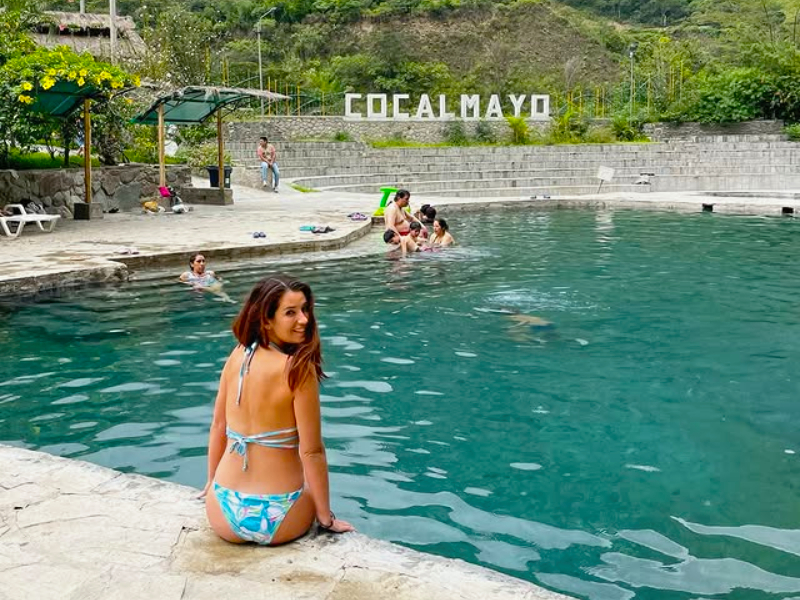
Santa Teresa and Cocalmayo hot springs (camp night 3): between 1,500 and 1,800 meters. This is the warmest night of the trek. Temperatures rarely drop below 15 degrees Celsius. The hot springs, at about 1,580 meters, have natural water at around 29 degrees and are the most appreciated relaxation point of the trek.

Day 4: Santa Teresa to Aguas Calientes

Start of the day: between 1,500 and 1,800 meters.

Hydroelectric Station: approximately 1,900 meters. Some Salkantay Trek itineraries end the hiking section at this point, from where you can take the local train to Aguas Calientes. Others continue walking along the railway line to the town.

Aguas Calientes, Machu Picchu Pueblo (night 4): 2,040 meters. The fourth night in a hotel in the base town of Machu Picchu is the first night in urban accommodations along the route. The temperature in Aguas Calientes is mild year-round, ranging from 14 to 20 degrees Celsius at night depending on the season.

Hydroelectric to Machu Picchu

Day 5: Machu Picchu

Bus ascent from Aguas Calientes: from 2,040 to 2,430 meters in about 25 minutes.

Machu Picchu: 2,430 meters above sea level. It is the final destination. Despite being lower than Soraypampa and Cusco, after descending for four days it feels physically easier in terms of breathing effort.

Machu Picchu Mountain (optional): 3,082 meters. Requires a separate ticket and advance reservation.

Huayna Picchu (optional): 2,720 meters. Also requires a separate ticket and advance booking.

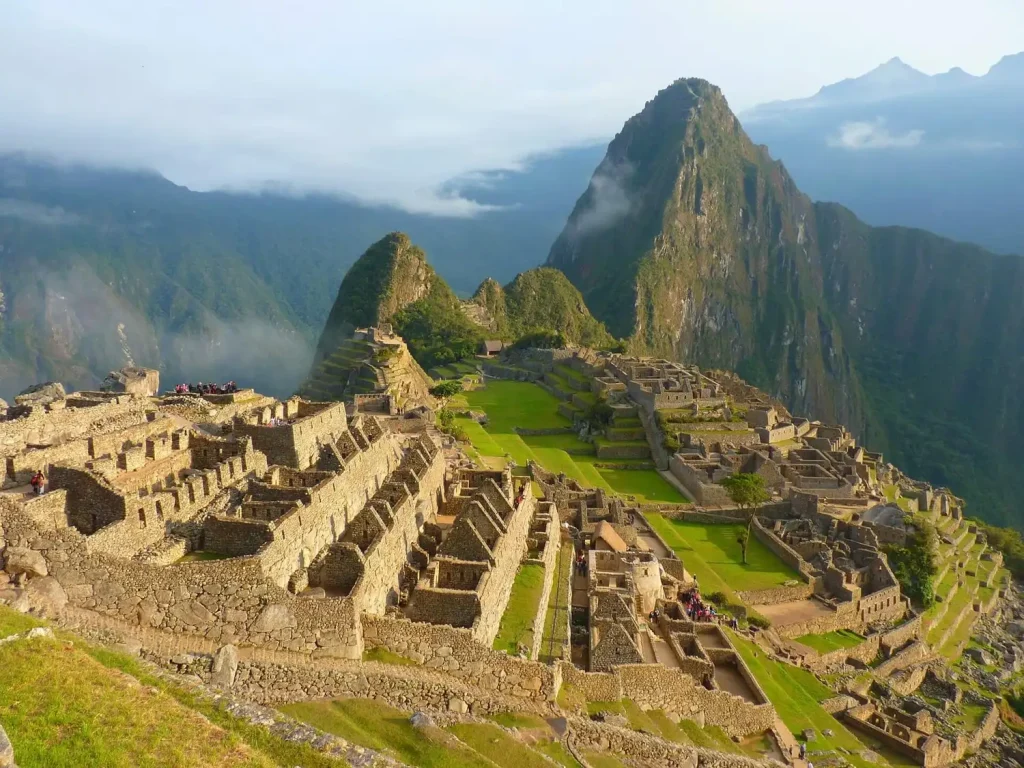
MACHU PICCHU
Machu Picchu

Summary Table of Salkantay Trek Altitudes

  • Cusco (previous starting point): 3,400 meters.
  • Mollepata (stop along the route, day 1): 2,800 meters.
  • Soraypampa (base camp, night 1): 3,900 meters.
  • Humantay Lake (day 1 excursion): 4,200 meters.
  • Salkantay Pass (highest point, day 2): 4,630 meters.
  • Chaullay or Wayracmachay (night 2 camp): 2,900 to 3,200 meters.
  • La Playa (day 3): 2,350 meters.
  • Coffee-growing area, Lucmabamba (day 3): 1,800 to 2,200 meters.
  • Santa Teresa and Cocalmayo hot springs (night 3 camp): 1,500 to 1,800 meters.
  • Hydroelectric Station (day 4): 1,900 meters.
  • Aguas Calientes (night 4): 2,040 meters.
  • Machu Picchu (final destination, day 5): 2,430 meters.

What This Altitude Profile Means for Your Gear

The difference of almost 2,200 meters between the coldest point of the route, Soraypampa at 3,900 meters, and the warmest area, Santa Teresa at around 1,600 meters, defines the clothing strategy for the Salkantay Trek. It is not possible to bring gear for a single temperature range for the entire route because conditions change dramatically between the first and third campsites.

The sleeping bag needed for the first night in Soraypampa is excessive for the third night in Santa Teresa, where temperatures allow you to sleep comfortably with a much lighter sleeping bag or even with the bag open as a blanket. The technical warm clothing that is essential at the Salkantay Pass becomes unnecessary in the valleys on the third day, where heat, not cold, is the main concern.

A layering system, with a technical base layer, an insulating mid-layer, and a waterproof and windproof outer layer, is the strategy that allows you to manage this temperature variation in a single route without carrying too much in either direction. The right gear for Salkantay is not the gear for only the coldest campsite or only the warmest one: it is the gear that covers the full range with clothing items that can be combined flexibly according to the conditions at each stage of the route.

Do you want to do the Salkantay Trek with all the altitude and gear information you need before leaving Cusco? At Incredible Peru Tours, we prepare each group with a detailed altitude profile of the route and specific gear recommendations for each stage before confirming the reservation.

Inicio » salkantay » Page 3

The price of the Salkantay Trek varies more than that of any other trek in the Cusco region, and that variation creates more confusion than clarity when trying to compare quotes between operators. The reason is simple: unlike the Inca Trail, the Salkantay does not have an official permit with a fixed price that serves as a common base for all agencies. The cost of the package is determined almost entirely by the operator, and that opens a price range that in 2026 goes from 250 dollars for the most basic versions up to 1,300 dollars for packages with luxury domes and a panoramic train return.

This guide explains what is behind each price range, what each category includes, and where the additional costs are that do not appear in the package price but do show up in the real travel budget.

The fundamental difference with the Inca Trail: no regulated official permit

The first key fact that changes everything when talking about the cost of the Salkantay Trek is that there is no official permit from the Ministry of Culture of Peru equivalent to that of the Inca Trail. There is no fixed cost that all agencies must include. The only element that does require specific management is the Machu Picchu entrance ticket for the last day of the trek, which in 2026 costs between 45 and 60 dollars per person depending on the circuit chosen, and which the agency usually includes in the package price.

There is also an access fee to Humantay Lake, which some complexes in the Soraypampa area charge separately. The amount is small, but it is worth verifying whether it is included in the contracted package or paid directly at the access point.

The absence of a regulated permit has direct consequences on price: Salkantay is generally more affordable than the Inca Trail for a comparable level of service, but it also has greater variability in quality between operators, because without the strict regulatory framework of the Inca Trail there is more room to cut corners in service elements without the client easily detecting it from home.

Price ranges in 2026 by service category

Basic or backpacker category (250 to 400 dollars per person, 5 days): This is the lowest price range and the one with the most variability in quality between operators. It includes a guide, basic meals during the trek, standard camping equipment, and transportation from Cusco to the starting point. In this category, the sleeping bag is usually not included and must be rented separately, the quality of camping equipment can vary, and the porter-to-participant ratio is usually the operational minimum. For travelers with trekking experience and a willingness to handle unexpected situations independently, it can be a valid option. For those doing Salkantay for the first time, the risks in this range outweigh the savings.

Standard camping category (400 to 650 dollars per person, 5 days): This is the most in-demand range in 2026 and the one that best balances price and service quality for most travelers. It includes a certified guide with experience on the route, a porter team with proper working conditions, quality tents, prepared meals throughout the trek, a sleeping bag suitable for base camp temperatures, Machu Picchu entrance ticket, and round-trip transportation including the train from Aguas Calientes. Some well-rated operators place their standard 5-day packages around 450 to 534 dollars per person.

Comfort category with domes or lodges (650 to 900 dollars per person, 5 days): This replaces traditional camping with accommodation in domes or ecolodges at the overnight points. The nighttime experience changes significantly: real bed, controlled indoor temperature, bathroom with hot water, and in some complexes room service and a prepared menu. The daytime trek is identical to the standard category. The price difference reflects the infrastructure and service cost of the glamping complexes, especially in Soraypampa, where it has the most direct impact on comfort and rest before the most demanding day of the trek.

Premium or luxury category (900 to 1,300 dollars per person, 5 days): Includes higher-end dome complexes with outdoor jacuzzi, fireplace or built-in heating, high-end Peruvian cuisine with local ingredients, a specialized bilingual guide with training in Andean history, panoramic train return from Aguas Calientes, and in some cases spa or massage service at the end of the second day. For couples, honeymoon trips, or groups looking for a high-mountain experience without giving up boutique hotel comfort, this category offers a price-to-experience ratio that can be easily justified.

Private service: Any of the above categories in private format has a higher price per person than group service, decreasing as the number of participants increases. As a current market reference, some operators publish prices for private 5-day Salkantay service of approximately 980 dollars for two people, 870 dollars for four people, and 680 dollars for groups of eight or more participants.

Salkantay Trek.

Machu Picchu ticket: cost and included circuit

The Machu Picchu entrance ticket is the only regulated official cost in the Salkantay Trek and one of the most variable depending on the chosen circuit. In 2026, available circuits have the following approximate prices for adult foreign visitors:

  • Circuit 2 (Classic Machu Picchu): The most in-demand option, it covers most of the archaeological site. Approximate cost: $45 for adult foreign visitors.
  • Circuit 1A (with access to Machu Picchu Mountain): Includes the climb to the mountain that appears in the background of the most iconic photos of the site. Approximate cost: $60.
  • Huayna Picchu or Machu Picchu Mountain (separate ticket): Approximately $68 per person, with very limited availability that requires booking several months in advance.

The Machu Picchu ticket must match the group’s actual arrival time from the Salkantay, which usually occurs between 6:00 and 11:00 a.m. on the fifth day. Verifying that the ticket included in the package matches the itinerary’s real arrival time is one of the key questions to ask the agency before confirming the booking.

Train cost: the most variable element between packages

The return train from Aguas Calientes to Ollantaytambo or Cusco is one of the elements most frequently omitted or handled differently between operators. In the basic category, it is usually not included and costs between 60 and 90 dollars per person. In standard and higher categories, it is typically included.

The bus from Aguas Calientes to the Machu Picchu entrance costs approximately 24 dollars round trip. Sometimes included, sometimes not, so it is worth confirming.

Outbound transport: how the trek starts

Unlike the Inca Trail, the Salkantay Trek does not start at a train station. It begins in Soraypampa, reached by vehicle from Cusco in about three hours. This transfer is usually included in all packages.

Additional costs not included in the package

Beyond the package price, several expenses are usually paid by the traveler and should be included in the real budget.

Tips for the support team are the most significant additional cost. Typical ranges: 15–25 dollars per porter, 20–30 for the cook, and 25–40 for the guide per participant. For a group of four, this can total 200–350 dollars extra.

Equipment rental (sleeping bag ~12 dollars, trekking poles ~10 dollars) adds to the cost if you don’t bring your own. Single occupancy may cost an extra 20–25 dollars per night.

Personal expenses in towns like Santa Teresa and Aguas Calientes include drinks, souvenirs, and small purchases. Bringing 80–120 soles in cash is usually enough.

How to identify if a price is realistic or a red flag

With current market prices, a 5-day Salkantay package under 300 dollars per person should be carefully reviewed. Fixed costs like Machu Picchu ticket, train, and transport already total 150–200 dollars. The remaining budget is not enough for a proper operation without cutting essential services.

A well-structured standard package in 2026 should be between 450 and 650 dollars. Below that, the real question is not if it’s a deal, but what is missing.

Do you want a complete 2026 Salkantay Trek quote with no hidden costs? At Incredible Peru Tours we prepare detailed proposals with full breakdowns of what each price includes.

Inicio » salkantay » Page 3

The Salkantay Trek is well documented, but the available information usually focuses on what the route is rather than what most often goes wrong. The mistakes that ruin the experience of this trek are surprisingly similar season after season, and most share one characteristic: they could have been avoided with the right information before leaving Cusco. This guide describes them precisely, explains why they happen, and gives concrete solutions to prevent them.

Error 1: starting without prior acclimatization in Cusco

The Salkantay Trek reaches its highest point at the Salkantay Pass at 4,630 meters, exceeding the Dead Woman’s Pass of the Inca Trail by more than 400 meters. That detail makes prior acclimatization not just a convenient recommendation but a real requirement for the second day to be enjoyable rather than a test of endurance.

The most common mistake is arriving in Cusco the night before the trek begins and leaving the next day directly to Soraypampa. At 3,900 meters, the body already has a significant adaptation deficit. Adding the ascent to the pass the next day with that deficit unresolved produces the worst second day the Salkantay can offer: disproportionate fatigue, headache, nausea, and in some cases symptoms of altitude sickness that force a drastic reduction in pace or abandonment of the route.

The solution: Two full nights in Cusco before the first day of the Salkantay as an absolute minimum. Three nights for people over 55, with high blood pressure, or with a prior history of altitude sensitivity. Use those days for moderate activities such as short walks in the Sacred Valley or Cusco’s historic center, good hydration, and no alcohol during the first 48 hours.

Acclimatizing in Cusco

Error 2: ignoring the first night in Soraypampa and sub-zero cold

Soraypampa at 3,900 meters of altitude can register sub-zero temperatures at night at any time of the year. It is the coldest night of the trek and the one that depends most on the quality of the equipment to guarantee the rest that the second day requires. However, it is common for some participants to arrive at base camp with summer sleeping bags or comfort ratings of 10 or 15 degrees, completely insufficient for those conditions.

The result is a first night of insomnia or very interrupted sleep that is paid for directly during the ascent to the Salkantay Pass just hours later. A body that has not rested well at 3,900 meters faces the highest point of the trek with an energy deficit that has no solution on the trail.

The solution: Verify before booking that the agency provides sleeping bags rated for comfort temperatures of 0 degrees or lower. Also bring a wool hat and specific socks for sleeping: the body loses a lot of heat through the head and feet at night, and those two items significantly improve thermal perception inside the sleeping bag.

Error 3: not bringing trekking poles or putting them away on the second day

The second day of the Salkantay Trek has an elevation profile that many participants mentally simplify to “go up to the pass and go down.” What they do not clearly visualize is that the descent from the Salkantay Pass to the Chaullay camp involves approximately 1,500 meters of negative elevation over several hours of continuous descent on variable terrain. That accumulated load on the knees and quadriceps is exactly what trekking poles are designed to reduce.

The most frequent mistake is using poles on the ascent to the pass, where the slope makes their function obvious, and putting them away upon reaching the summit because “now it’s just downhill.” The descent is where they are most needed, not less. Participants who store them at that point usually arrive at the second-day camp with a level of joint fatigue in the knees that directly affects the quality of the third day.

The solution: Keep poles active on all prolonged downhill sections of the trek, without exception. A short stride with the heel firmly placed before the forefoot on each step, combined with pole support, measurably reduces joint impact and is noticeable the next day.

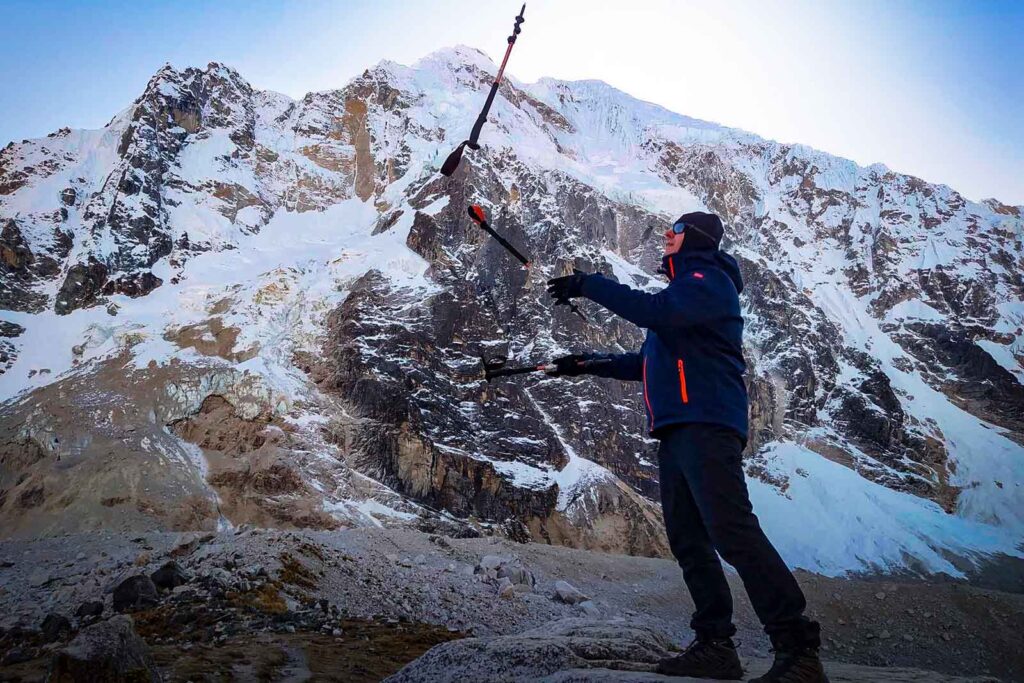
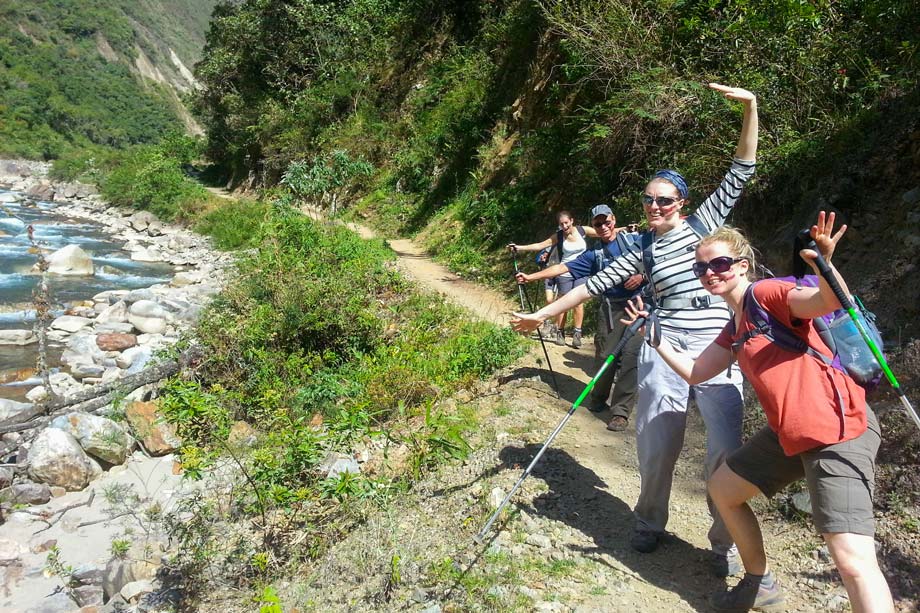
Use of canes
Use of canes

Error 4: not bringing swimwear for the Cocalmayo hot springs

The Cocalmayo hot springs at the end of the third day are one of the most valued moments of the Salkantay Trek: the contrast between the accumulated effort of the previous days and the natural hot water at nearly thirty degrees by the river creates a recovery experience that many participants describe as unexpectedly intense. And yet, every season there are people who arrive at Cocalmayo without swimwear because no one reminded them clearly enough during preparation.

It is not a mistake that ruins the trek in a strict sense, but it is one that eliminates one of the best moments of the experience in a completely avoidable way. Getting into the hot springs with sports clothing works but is not the same, and some people simply do not enter because they do not have appropriate clothing.

The solution: Include swimwear in the packing list from the beginning of preparation, with the same priority as boots or a rain jacket. It takes up almost no space in the backpack and has the best enjoyment-to-weight ratio of all the gear on the trek.

Cocalmayo hot springs

Error 5: booking the cheapest package without verifying what it includes

The Salkantay Trek does not have the regulated quotas of the Inca Trail or the cost of official permits, which opens the door to a range of packages with greater variation in price and quality than any other route in the region. There are Salkantay packages offered at prices that are only possible if something in the service is cut: underpaid porters, sleeping bags inadequate for the real temperatures of the trek, guides without official certification or specific experience on the route, lower quality food than promised, or lack of accident insurance for support staff.

The problem is that these cuts are not visible when comparing prices from home. They are discovered at the Soraypampa camp when the sleeping bag is not sufficient, on the second day when the guide does not know the trail well, or at the end of the trek when the porter team is paid less than they should be for the work performed.

The solution: Before confirming any Salkantay package, ask the specific questions that a serious operator can answer clearly: sleeping bag temperature rating, number and conditions of porters, guide certification, accident insurance for field staff, and cancellation policy for extreme weather conditions. An unusually low price without justification is a warning sign, not an opportunity.

Error 6: not downloading offline content on your phone before leaving

The Salkantay Trek has virtually no phone signal coverage during the first three days of the route. Those who arrive at Soraypampa expecting access to Spotify, Netflix, or online Google Maps discover that those services are unavailable and that waiting time at camp, rest breaks on the trail, or hours on the train back from Aguas Calientes pass without the entertainment the phone usually provides.

It is not a survival issue or something that ruins the trek, but it is something that can be solved in ten minutes before leaving Cusco and improves comfort during the quieter moments of the route.

The solution: Download offline maps of the region on Google Maps or Maps.me, music or podcasts on your preferred player, and any entertainment content for the return journey. Activate airplane mode from the start of the trek to conserve battery, since without signal it drains constantly searching for a network. Bring a power bank with enough capacity to charge your phone two or three times.

Error 7: not physically preparing for long descents before the trip

It is common for physical preparation for the Salkantay Trek to focus on climbs: stair workouts, hikes with elevation gain, cardiovascular training. What few people specifically include is long descents, which are what stress the knees and quadriceps the most on the second and third days of the trek.

Descending 1,500 meters on uneven terrain requires sustained eccentric work from the quadriceps that cardio and uphill training do not specifically train. Those who arrive at Salkantay without having worked on this aspect discover on the third day that their legs have less than expected right when they need them most.

The solution: Include long descents with load in your pre-trek training: descend stairs for 20 to 30 minutes, go downhill with a backpack, or do hikes with sustained negative elevation. This specific work does not require much time but prepares the muscles for a type of effort that Salkantay demands significantly and that has no substitute in any other exercise.

Salkantay trek descent second day

Error 8: not confirming which Machu Picchu ticket is included in the package

The Machu Picchu entry ticket has several circuits and entry times. The one included in the Salkantay Trek package must match the actual arrival time at the archaeological site on the fifth day, which usually ranges between 8:00 and 11:00 in the morning depending on the itinerary and the operator. If the ticket included in the package corresponds to a different entry time than the group’s actual arrival, you will need to buy an additional ticket or lose part of the visit waiting at the entrance.

This is a coordination error that occurs with some frequency in lower-priced packages because the Machu Picchu ticket is not carefully verified when assembling the package. The participant discovers it when already in Aguas Calientes and cannot easily fix it.

The solution: Confirm with the agency before booking which circuit and entry time to Machu Picchu are included, and verify that the schedule is compatible with the actual itinerary of the fifth day. If there is a mismatch, resolve it before paying the deposit, not in Aguas Calientes.

Error 9: not informing family or contacts about being offline during the trek

Four or five days without phone signal in a remote mountain area can create real concern for family or contacts who do not know that the trek involves that level of disconnection. The result is unanswered calls that cause alarm, messages that do not arrive, and in some cases attempts to find information on how to contact the agency in case of emergency.

It is a mistake that does not directly affect the person doing the trek but does affect those waiting for news, and it is completely avoided with a two-minute communication before departure.

The solution: Inform relevant people before leaving Cusco that the trek involves four to five days without phone signal, provide the approximate return date and time to Aguas Calientes where connection is restored, and leave the agency’s name and phone number as a reference contact in case urgent information is needed.

Error 10: reaching the fifth day without energy to enjoy Machu Picchu

This is the mistake most regretted at the end of the trek and the one that can be most prevented with small decisions throughout the previous days. Many Salkantay Trek participants reach the fifth day with their bodies so exhausted from the previous four that the visit to Machu Picchu becomes a mechanical walk with few clear memories. The archaeological site deserves real attention, and that attention requires having some energy available.

The decisions that preserve energy for the fifth day all come from earlier days: not going faster than necessary on the first day, resting well on the second camp night, staying consistently hydrated throughout the trek, and not underestimating the recovery that the Cocalmayo hot springs provide at the end of the third day.

The solution: Manage your energy during the trek as a finite resource that needs to reach the fifth day with reserves. The Salkantay Trek is not a race: it is a route where the correct pace is the one that allows you to reach Machu Picchu with the ability to pay attention to one of the most extraordinary places on the planet, not simply to be physically present in it.

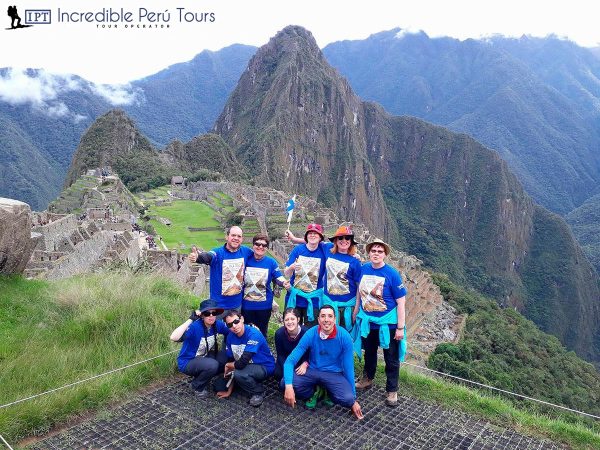
Machu Picchu

Do you want to do the Salkantay Trek with the right preparation to avoid these mistakes from the start? At Incredible Peru Tours we provide a complete briefing before each departure that covers the points in this guide and many more, with specific information tailored to each group’s profile.

Partners

Partners and Agreements

Backed by the world's best tourism organizations

Dircetur
Fodor's
Lonely Planet
PromPerú
TripAdvisor