
Both routes depart from Cusco, both end at Machu Picchu, and both have a well-earned reputation among those who have completed them. But the Salkantay Trek and the Lares Trek are such different experiences in their landscapes, their human dimension, and the type of emotion they create that comparing them as if they were different versions of the same thing does not make much sense. This guide puts them into perspective using the criteria that truly matter when making a decision.
What defines each route in a few words
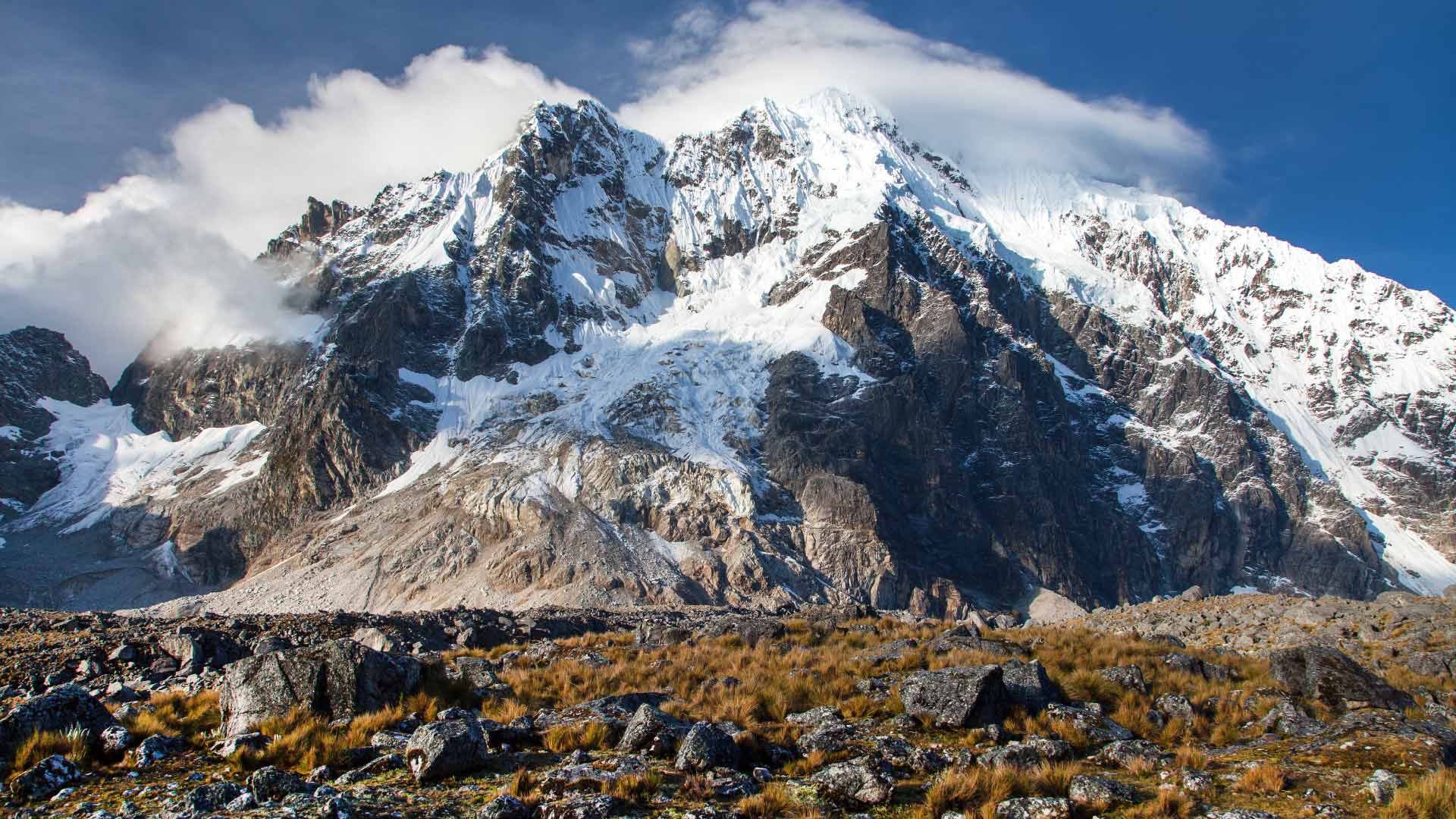
The Salkantay Trek is a route of monumental nature. Its main character is not an archaeological site but a mountain: the snow-capped Salkantay at 6,271 meters, under whose shadow the second day of the route unfolds and whose glacial pass at 4,630 meters is the most intense moment of the five days. The variation in ecosystems created by that descent from the high mountains to the subtropical valleys of Santa Teresa has no equivalent on any other route in the region in terms of visual and thermal contrast.
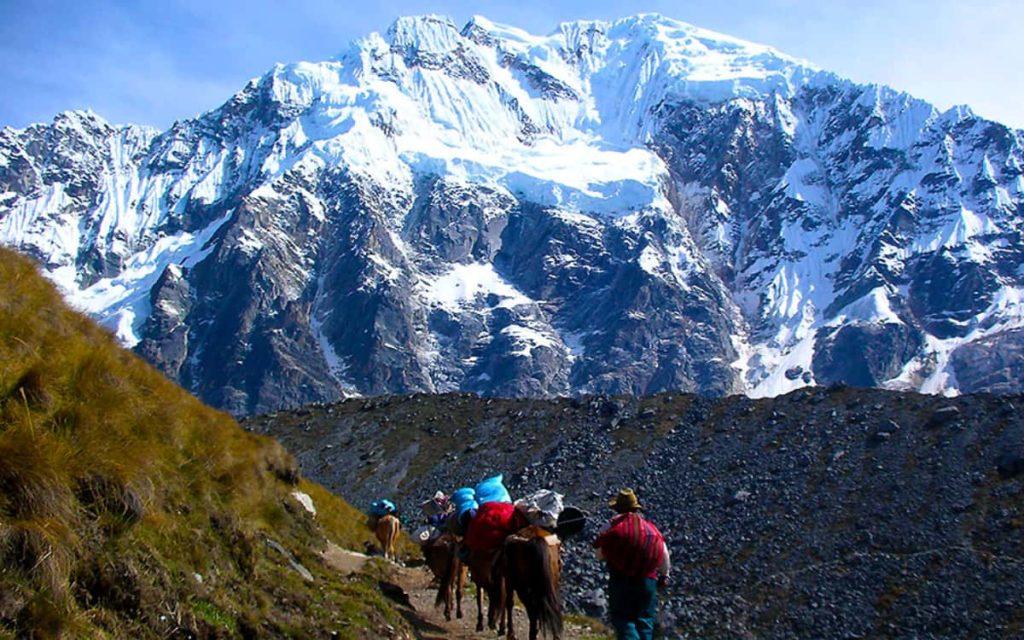
The Lares Trek is a route of cultural encounter. Its main character is not untouched nature but the people: the Quechua-speaking communities of the Lares district, in the province of Calca, who live along the trail and welcome visitors in a setting that mass tourism has still not substantially transformed. Shepherdesses weaving on the hillsides, children going to school in Quechua, local markets in the villages along the way: that is what Lares offers that Salkantay cannot provide.
The landscape: what the eye sees on each route
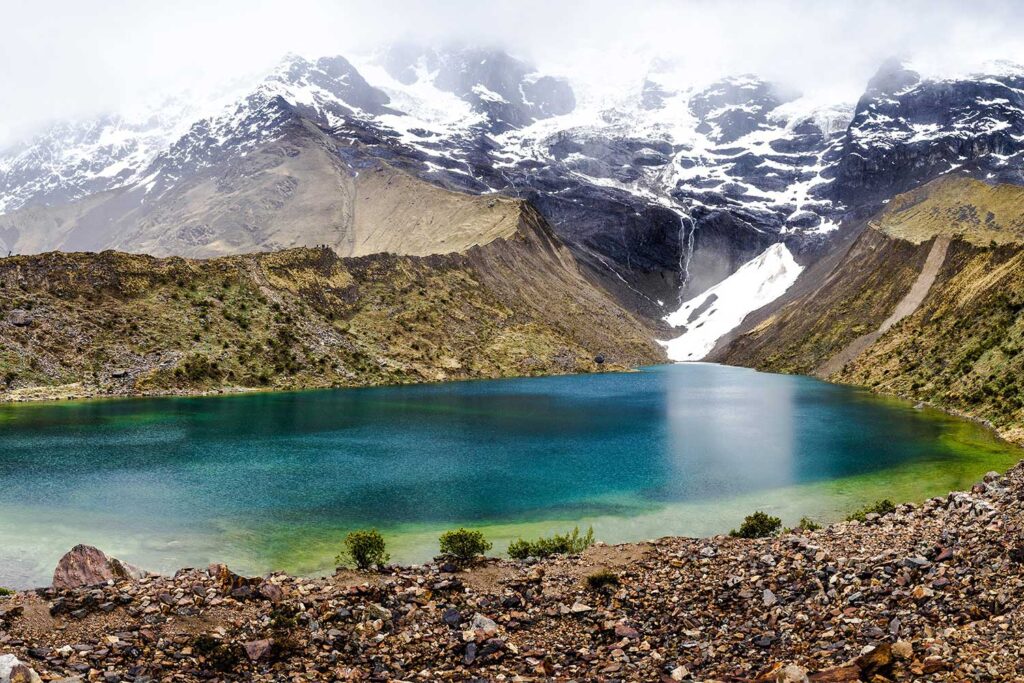
On Salkantay, the landscape changes radically every day of the route. On the first day, Humantay Lake at 4,200 meters, with its turquoise waters reflecting the snow-capped peak. On the second day, the Salkantay glacier within almost touching distance from the pass at 4,630 meters. On the third day, the coffee and cacao plantations of the lower valleys of Santa Teresa, with the humid warmth of the cloud forest. That variety in five days is what National Geographic Traveler recognized in 2008 when it included Salkantay among the twenty-five most valued treks in the world.
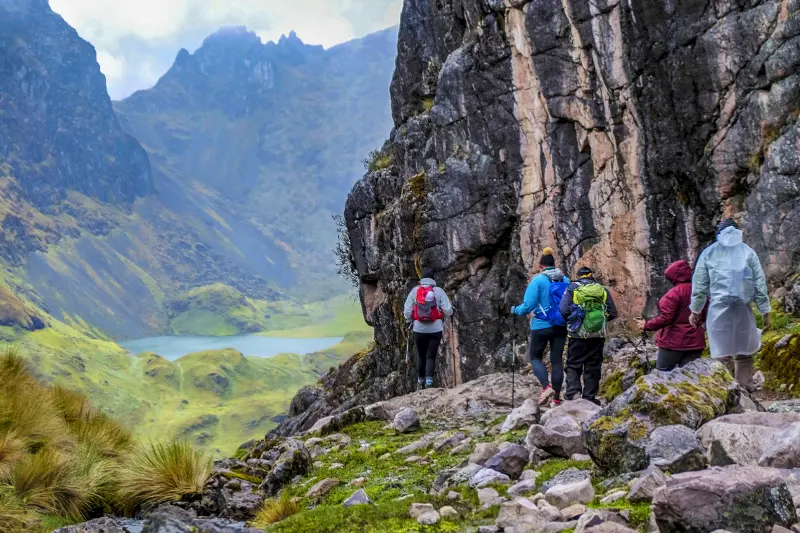
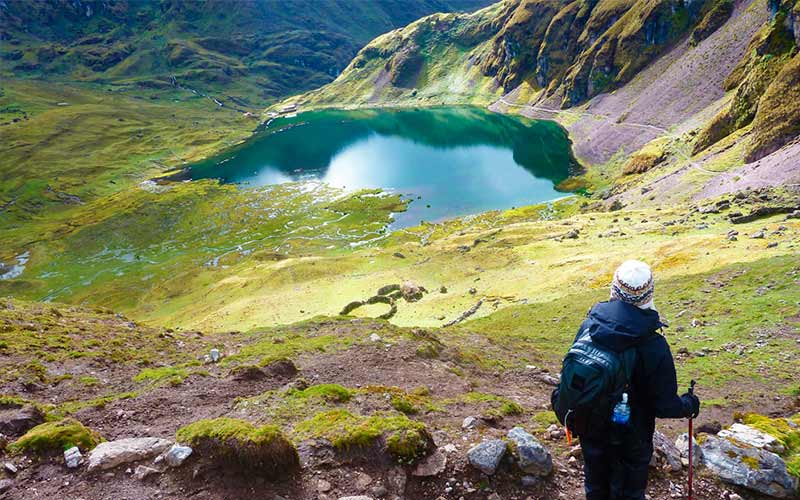
On Lares, the landscape also has its own greatness, although on a different scale. Grazing valleys at over 4,000 meters with herds of alpacas, turquoise high-altitude lagoons, snow-capped peaks on the horizon on clear days, and the vegetation of the mid-elevation valleys where the trail crosses active communities. It does not have the glacial drama of Salkantay, but it has something Salkantay cannot offer: the human presence integrated into the landscape as a natural part of it.
The cultural dimension: where the real difference lies
The Salkantay Trek does not have Inca archaeology along the trail or active communities on the main route. The cultural experience is concentrated at the final destination, Machu Picchu, and in the conversations with the guide during the trek. It is a nature experience that ends at a historic site, not a cultural experience in itself.
The Lares Trek reverses that proportion. The villages that appear along the way, Lares, Quiswarani, Huacahuasi, are not tourist scenery: they are places where people work, raise animals, farm, and maintain traditions that books on Andean ethnography document but that Lares allows you to see in their real context. Some operators include visits to community weaving workshops where artisans work with techniques taught to them by their mothers and grandmothers. At Incredible Peru Tours, this cultural component of Lares is one of the elements most valued by those who already know Machu Picchu and are looking for a second experience in the region from another perspective.
Difficulty compared: which one demands more from the body
Salkantay is the more demanding of the two in terms of maximum altitude. The Salkantay Pass at 4,630 meters is almost 500 meters higher than the highest pass on Lares, and the 1,500-meter descent from that point to the second-day camp is the section that has the greatest impact on the knees throughout the entire route. For someone without previous high-altitude trekking experience, that day can be the limit of what the body can manage comfortably if prior acclimatization in Cusco has not been sufficient.
The Lares Trek has similar maximum altitudes on some of its passes, which can exceed 4,400 meters depending on the chosen variation, but the terrain is generally gentler: dirt and grass trails instead of stone steps, with long and gradual slopes that are more manageable for the knees on descents than the profile of Salkantay. For people with a history of joint injuries, Lares may be physiologically easier to handle even though the altitude is comparable.
Arrival at Machu Picchu: a decisive factor for many
The Salkantay Trek reaches Machu Picchu from Aguas Calientes by bus, in the same way as any conventional tourist. The visit to the archaeological site is complete and equally impressive, but the entrance does not have the historical dimension of arriving on foot along the pre-Hispanic trail.
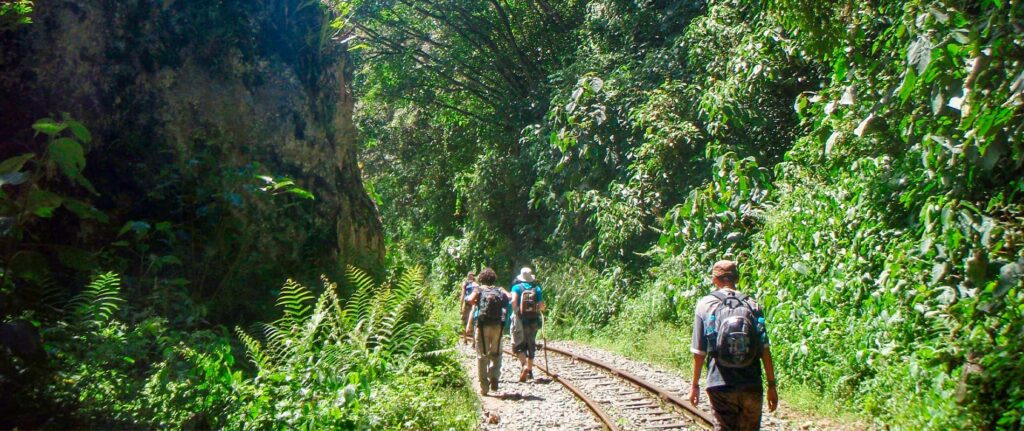
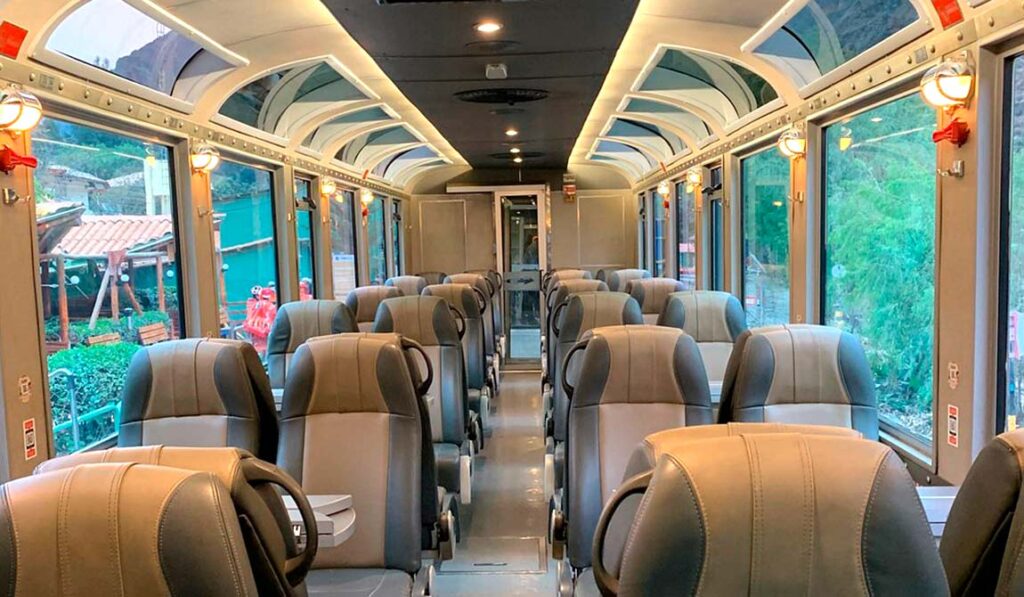
The Lares Trek also reaches Machu Picchu by train and bus from Aguas Calientes, without access on foot through any section of the Inca Trail. In that respect, the two routes are the same: neither reaches the citadel through the Sun Gate. If that specific arrival moment is an essential part of what you are looking for, the Classic Inca Trail is the only route that guarantees it.
Availability and logistics: practical advantages of each option
Neither of the two routes has the regulated permit system of the Inca Trail. Both Salkantay and Lares can be organized with less advance notice, without the official Ministry of Culture permit process. That makes them accessible options for travelers with tighter dates or those who discovered the option of reaching Machu Picchu on foot too late.
Salkantay has more established operational infrastructure: more operators, a wider variety of packages, more lodging options including camping, domes, and ecolodges, and more information available before booking. Lares has a more focused offering among operators who specifically know the communities along the route and have real relationships with them, which at Incredible Peru Tours we consider a natural quality filter: anyone who operates Lares without that community relationship cannot offer the experience the route has to give.
Who each route is for: straight to the point
Choose the Salkantay Trek if high-mountain glacial scenery is your priority, if you want the most extreme variety of ecosystems available in the region, if you are looking for the international recognition of one of the world’s most valued treks, or if you want lodging options between camping and glamping at the Salkantay IPT Domes (Incredible Peru Tours) with views of the snow-capped mountain.
Choose the Lares Trek if contact with living Andean communities is as important to you as the landscape, if you already know Machu Picchu and are looking for a second experience in the region from a completely different angle, if responsible tourism with direct impact on local economies is part of your travel values, or if dirt and grass terrain is better for your joints than the rocky terrain of Salkantay.
And if you have enough time in the region, doing both on the same trip is not unreasonable. They are complementary experiences within the same territory that enrich each other: those who have seen the natural side of Cusco on Salkantay better understand the human dimension of Lares, and vice versa.
| Criterion | Salkantay Trek | Lares Trek |
|---|---|---|
| Duration | 5 days (standard version) | 4 days |
| Maximum altitude | 4,630 m (Salkantay Pass) | 4,200 – 4,450 m depending on the variation |
| Type of terrain | Glacier, rock, and cloud forest | Andean grasslands and dirt trails |
| Difficulty | High | Moderate to high |
| Main landscape | Snow-capped mountain, glaciers, and subtropical valleys | Grazing valleys and Andean communities |
| Cultural component | Low along the route | High: active Quechua-speaking communities |
| Archaeological sites | Not along the route | Not along the route |
| Special permit | Not required | Not required |
| Availability | Year-round, with no regulated permits | Year-round, with no regulated permits |
| Arrival at Machu Picchu | Bus from Aguas Calientes | Train + bus from Aguas Calientes |
| Approximate price | From $450 USD (camping) | From $380 USD (camping) |
| Monthly closure | Open year-round | Open year-round |
| Ideal for | Extreme nature, glaciers, variety of ecosystems | Living Andean culture, responsible community tourism |
Do you have questions about which of the two routes best fits what you are looking for? At Incredible Peru Tours, we operate both the Salkantay Trek and the Lares Trek, and we guide each group toward the most suitable option according to their profile, dates, and the type of experience they are looking for.


