
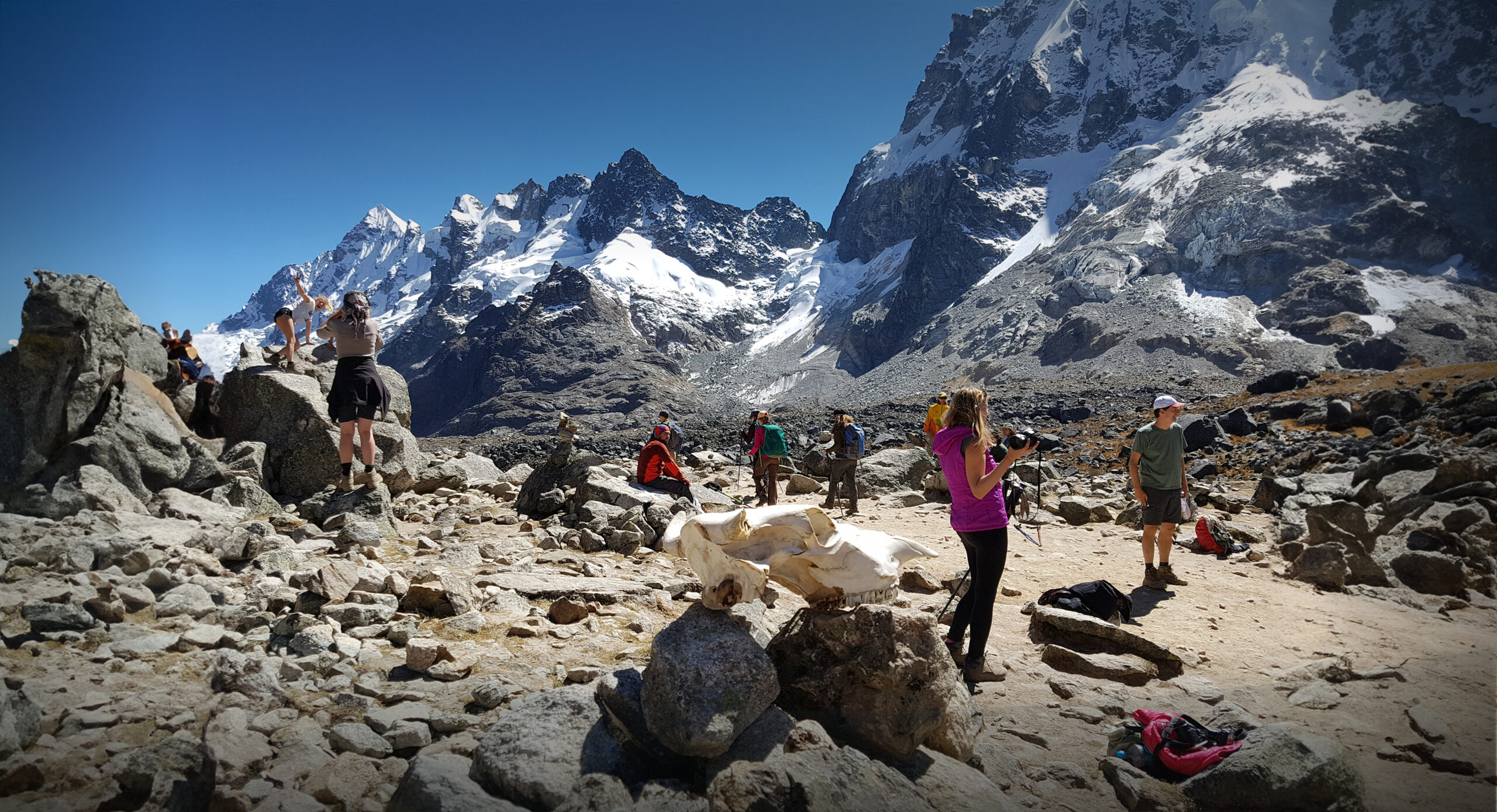
The first question many people ask when they discover the Salkantay Trek is the same: can I do it if I have never done mountain trekking before? The answer is not an unconditional yes nor a no that closes the door. It is an answer that depends on four specific variables that this guide helps you evaluate honestly: prior acclimatization, real physical condition, the version of the route you choose, and the type of logistical support you do it with. With those four variables properly addressed, the Salkantay Trek is within reach for people with no previous mountain experience. Without them, the same route can become an experience remembered for the wrong reasons.
What “no experience” means in the context of Salkantay
When someone says they have no trekking experience, they usually mean they have not done multi-day hikes in high mountains with overnight camping. That does not necessarily mean they do not walk, exercise, or have physical fitness. It means that the specific type of effort required by the Salkantay Trek, with its altitude, elevation changes, and field conditions, is not yet familiar to them.
This distinction matters because the main risk for someone without mountain trekking experience is not the distance or elevation gain itself. It is the combination of altitude, sustained effort over several days, and overnight camping conditions that together create an experience very different from any other physical activity most people have done before. Understanding that combination before stepping onto the trail is what separates those who enjoy it from those who struggle through it.
The most important factor: altitude
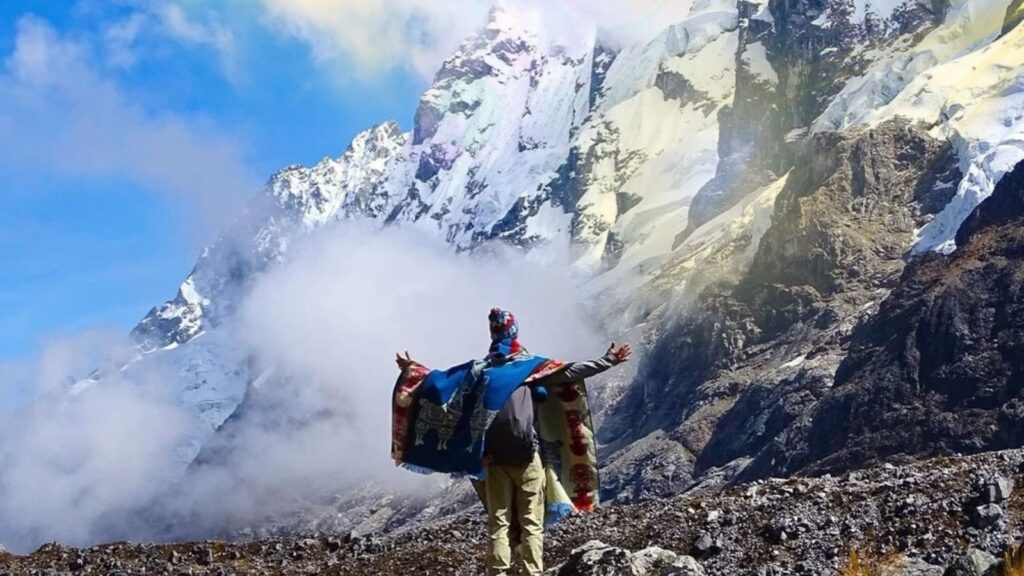
The Salkantay Trek reaches 4,630 meters at the Salkantay Pass, the mountain pass crossed on the second day. At that altitude, atmospheric pressure is approximately 40 percent lower than at sea level, which means the body receives less oxygen with each breath than it is used to. That difference is noticeable even if the body is in perfect physical condition.
For someone without prior experience at altitudes above 2,500 or 3,000 meters, arriving in Cusco, spending one or two nights, and heading straight to Salkantay the next day is the most common mistake and the one with the greatest impact on the second day’s experience. The body needs time to adapt, and that time cannot be compressed with willpower or supplements.
The minimum recommendation for someone without altitude experience is to spend three nights in Cusco before the first day of trekking. Not two: three. That extra night compared to the usual minimum for more experienced travelers can make the difference between tackling the Salkantay Pass with available energy or reaching the summit with altitude sickness symptoms that make the crossing significantly harder than necessary.
Physical fitness: what level is really needed
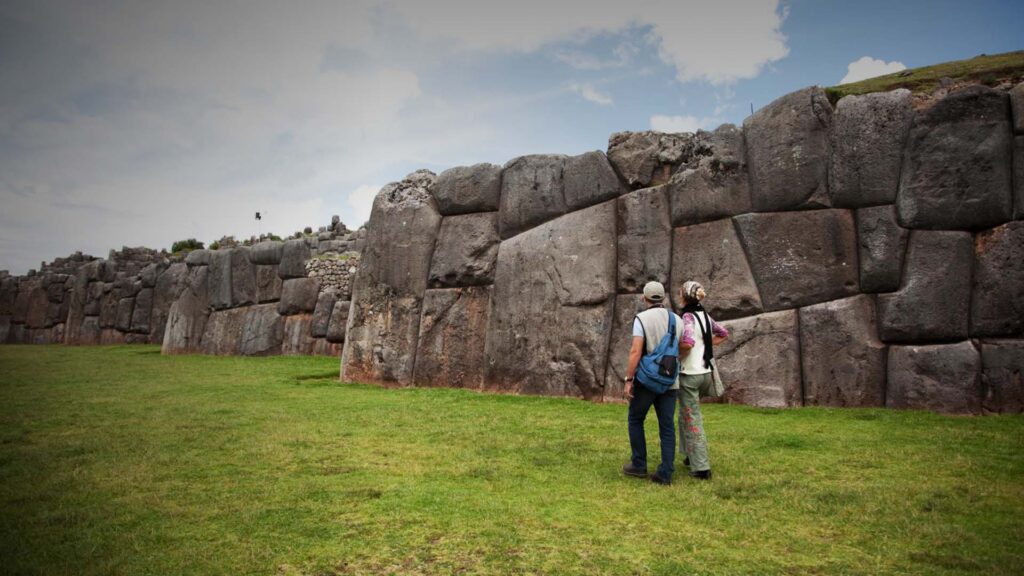
There is no physical fitness certificate required to do the Salkantay Trek, and that is both good news and a source of confusion. The good news is that the route does not require technical mountaineering experience or exceptional athletic ability. The confusion comes from the fact that “no athletic level required” is not the same as “anyone in any condition can do it.”
What the body does need to complete the Salkantay Trek with enough margin to enjoy it is a basic cardiovascular capacity that allows you to walk between five and eight hours per day for five consecutive days, with the second day being the most demanding. A person who regularly walks, climbs stairs without difficulty, and has no joint issues in knees or ankles has the right starting point. A completely sedentary person who does not walk more than twenty minutes at a time in daily life has preparation work to do before Salkantay becomes a good idea.
The minimum recommended preparation for someone without prior trekking experience is eight weeks of progressive walking before the trip. Not running or high-intensity training: walks of two to three hours over varied terrain, with some elevation gain, two or three times per week. With the backpack and footwear that will be used on the trek. That preparation does not turn anyone into a mountaineer, but it prepares the cardiovascular system and the leg and back muscles for what the route demands.
Which Salkantay version makes the most sense for someone without experience
The Salkantay Trek has three-, four-, and five-day versions. For someone without previous mountain trekking experience, the five-day version is by far the most appropriate. Not because it is easier, but because it distributes the effort over more days with lower daily intensity and reaches Machu Picchu with enough energy reserves to enjoy the visit rather than just get through it.
The three-day version is the most compressed and requires longer days with less recovery time between them. For someone who already has high-altitude trekking experience, that intensity can be part of the appeal. For someone doing the route for the first time, it is a combination that increases the risk of the second day becoming difficult to manage.
The choice of accommodation type also matters for this type of participant. Domes or ecolodges instead of conventional camping improve sleep quality on the first night in Soraypampa, which is the coldest of the route, and that improvement has a direct impact on physical condition on the second day. For someone without high-altitude camping experience, the first night below freezing in a tent can be more disruptive than expected. Domes remove that discomfort factor without changing anything about the daytime route.
The guide: why it matters more for beginners
On the Salkantay Trek, a guide is not mandatory as on the Inca Trail, but for someone without previous mountain trekking experience, it is the element of the package with the greatest impact on safety and overall experience. A certified guide with experience on the route not only knows the trail: they can identify early symptoms of altitude sickness before they worsen, know the right pace for each section and each participant profile, know when to stop and when to continue, and manage any situation on the ground with available resources.
For someone doing Salkantay for the first time and without mountain experience, the guide is the difference between having someone with judgment by your side when your body sends signals you do not know how to interpret and being alone with those signals in a remote environment at 4,000 meters. It is not a high-risk scenario if the guide is present. It is a manageable one with the right support.
Signs your body is fine and signs you should tell the guide
For someone without prior high-altitude experience, one of the most useful skills is distinguishing between normal trekking fatigue and symptoms that require attention. On the second day of Salkantay, all participants feel tired, breathe faster than usual, and experience some heaviness in the legs. That is the normal response of the body to effort at that altitude.
What does require immediate communication with the guide are more intense altitude sickness symptoms: strong headache that does not improve with rest and hydration, persistent nausea or vomiting, disorientation, difficulty breathing at rest, or a feeling of pressure in the chest. These are not a normal part of exertion and require a response the guide is trained to provide. The most common mistake among participants without altitude experience is minimizing these symptoms to avoid appearing weak or delaying the group. Communicating them is exactly the right thing to do.
What to expect emotionally as a first-time participant
There is a dimension of the Salkantay Trek for someone without experience that no equipment or difficulty guide fully captures: the emotional dimension of doing something that seems big before you do it and feels even bigger once you have completed it.
Many people who do the Salkantay Trek without prior trekking experience describe it as one of the few times in their adult life when they faced something they were not completely sure they could do. That uncertainty, resolved successfully when the Sun Gate appears at the end of the fourth day or when the Salkantay Pass is behind you on the second, creates a specific kind of satisfaction that experiences with predictable outcomes cannot replicate.
That does not mean the route is easy or that the difficulty is lower because you have no prior experience. It means the value of completing it is greater precisely because it was not obvious that it would be possible. And that difference is what makes many people who have done Salkantay without prior experience later recommend it most enthusiastically to friends and family.
Checklist before deciding if you are ready
If the answer to all these questions is yes, the Salkantay Trek is within your reach even if you have never done mountain trekking before. Not as a promise without conditions, but as an honest evaluation of what the route requires and what you can bring if you arrive prepared.
Do you want to do the Salkantay Trek for the first time and need guidance on how to prepare and which version of the route fits your profile best? At Incredible Peru Tours, we evaluate each participant before confirming any booking and guide you toward the most suitable option based on experience, physical condition, and preparation time.


