
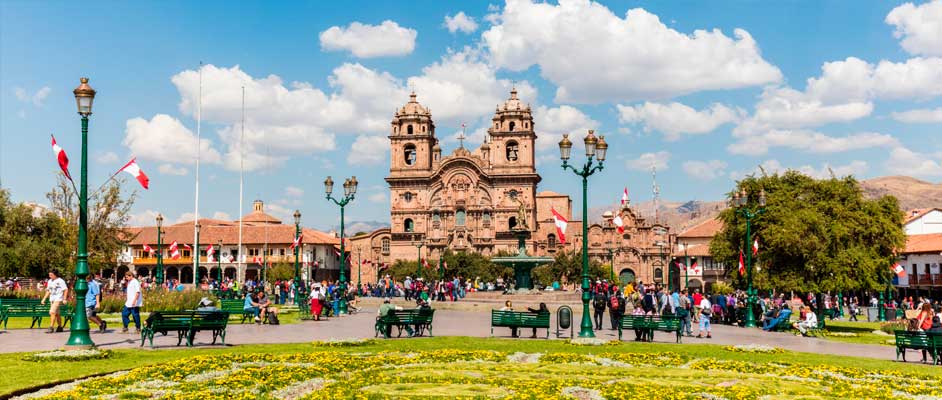
The best time to visit Cusco is generally the dry season, since it offers better conditions for touring the city, visiting archaeological sites, and doing hikes. Even so, the rainy season can also be a good fit if you’re looking for green landscapes, fewer visitors, and lower rates on some services.
The best dates depend on what you expect from your trip: more stable weather, budget, number of tourists, or specific activities such as Machu Picchu, the Sacred Valley, Rainbow Mountain, Humantay Lake, or trekking routes. Not every traveler needs the same season.
What is the best time to travel to Cusco
There is no single ideal date for every traveler. The dry season tends to be the most recommended option for those who prioritize clear skies, hiking, photography, and outdoor tours. The rainy season can be useful for those who prefer smaller crowds, greener landscapes, and a trip with more flexibility.
The transition months can offer an interesting middle ground. The weather isn’t always fully stable, but there tends to be a better balance between travel conditions, service availability, prices, and number of visitors.
Best time to visit Cusco and Machu Picchu
To tour the city of Cusco, the Sacred Valley, Machu Picchu, and other archaeological sites, the months with less rainfall tend to offer more comfortable conditions. Roads are drier, there’s a higher chance of good visibility, and outdoor visits are organized with fewer last-minute changes.
The dry months also draw more demand. If you travel during this period, it’s a good idea to book tickets, trains, buses, and lodging in advance, especially if Machu Picchu is the main priority of your trip.
Best time for hiking
Trekking routes tend to be more comfortable during the months with a lower chance of rain. The ground tends to be firmer, visibility improves, and the risks associated with mud, fog, or slippery trails are reduced.
Even during the dry season, mornings and nights can be cold, especially on high-altitude routes. For hikes such as Rainbow Mountain, Humantay, or multi-day routes, it’s a good idea to bring thermal clothing, a windbreaker, warm layers, and sun protection.
Best time to travel with fewer tourists
The months of lower demand or transition tend to offer a calmer experience. There’s less pressure at some attractions, it can be easier to find available lodging, and tours feel less rushed.
The downside is that the weather can be more variable. You might encounter clear days, light rain, clouds, or sudden changes within the same day, so your itinerary should have room to adapt.
Best time to find lower prices
During periods of lower demand, better rates can appear on lodging and some tourist services. This is more noticeable in hotels, private packages, and certain excursions, depending on availability.
The same isn’t always true for tickets, trains, or regulated transportation, since their rates can depend on their own policies, quotas, and how far in advance you buy. So it’s not a good idea to choose a date based only on airfare.
What the weather is like in Cusco
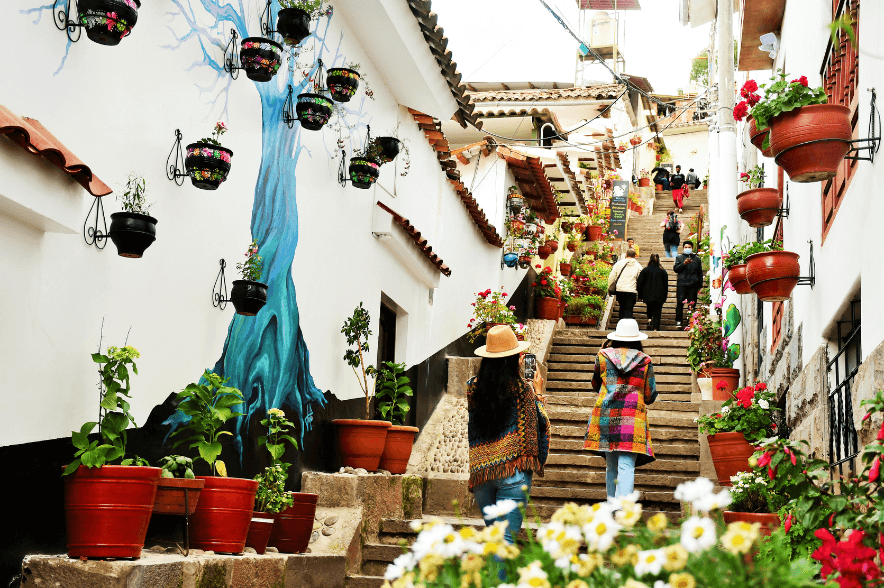
Cusco has a mountain climate, with sharp temperature changes throughout the day. It can feel mild in the sun, cold in the shade, and quite cool at night, even in months considered favorable for travel.
There’s also intense sun exposure, cold nights, and a marked difference between the dry season and the rainy season. Packing in layers is one of the best decisions for traveling comfortably.
Daytime temperature
During the day, Cusco can feel mild or warm when there’s direct sun. In plazas, viewpoints, and open archaeological areas, the sun’s intensity is noticeable, even if the actual temperature doesn’t seem high.
The feel can change quickly when clouds, wind, or rain appear. That’s why it’s a good idea to bring a light warm layer on excursions, even if the day starts out clear.
Nighttime temperature
Nights and early mornings tend to be cold for most of the year. This is more noticeable in the city of Cusco and on excursions that start early toward higher areas.
During the dry months, the nighttime cold can be more pronounced. A good jacket, thermal clothing, and a hat can make a big difference, especially if you have outings before sunrise.
Rain in Cusco
Rainfall is mainly concentrated in a portion of the year known as the rainy season. During those months, afternoons tend to have a higher chance of rain, although it doesn’t rain with the same intensity every day.
Occasional rain can also occur outside that season. Mountain weather isn’t fully predictable, so it’s always a good idea to carry some basic waterproof protection.
Changing weather within the same day
In Cusco, it’s normal to start the day cold, have strong sun at midday, and encounter wind, clouds, or rain in the afternoon. This variation can happen even during months considered dry.
The best way to prepare is to dress in layers. That way you can remove clothing during sunny hours and bundle back up when the temperature drops or the weather changes.
Difference between Cusco’s climate and Machu Picchu’s
Machu Picchu is located in a warmer, more humid area than the city of Cusco. So even if you leave Cusco bundled up, once you arrive in Aguas Calientes or the citadel you may feel more humidity and a different temperature.
It’s a good idea to pack appropriate clothing for both destinations. For Cusco you’ll need warm layers for the night, while for Machu Picchu it’s useful to bring lightweight clothing, a rain jacket, and footwear with good soles.
Dry season in Cusco
The dry season is the most popular time to travel to Cusco because it tends to offer clearer days and a lower chance of rain. This makes it easier to visit archaeological sites, go hiking, take road trips, and do photography tours.
It’s also a season with high demand. The main attractions receive more visitors and some services can sell out in advance, especially those related to Machu Picchu.
When is the dry season
Generally speaking, the dry season tends to run from May to September. During these months there’s less rain and a higher chance of clear skies during the day.
This doesn’t mean the weather is identical every year. There can be variations, isolated rain, or unexpected changes, but conditions tend to be more stable than in the wet months.
Weather during the dry season
During the dry season, days tend to have a higher chance of clear skies. The sun’s intensity can be strong, especially at midday and in open areas like Sacsayhuamán, Pisac, or Moray.
Nights are cold and humidity tends to be lower. If you have early outings, such as Rainbow Mountain or Humantay, you should prepare for low temperatures before the sun comes up.
Advantages of traveling in the dry season
The main advantage is greater comfort for hiking, archaeological visits, outdoor tours, and road trips. Roads tend to be firmer and excursions have less risk of changes due to rain.
It’s also a good time for photography and panoramic views. The higher chance of clear skies improves visibility at viewpoints, mountains, and archaeological sites.
Disadvantages of traveling in the dry season
The dry season tends to attract more visitors. This can drive up demand for Machu Picchu tickets, trains, hotels, tours, and restaurants in tourist areas.
Lodging, flight, and some service prices can rise during periods of higher demand. If you travel in June, July, or August, booking ahead is key to keeping more options available.
What to pack for the dry season
The most practical approach is to pack in layers. During the day you can wear a t-shirt, comfortable pants, and a light layer, but in the morning and at night you’ll need a warm jacket.
It’s also a good idea to bring a hat, sunscreen, sunglasses, and comfortable footwear. For high-altitude excursions, add thermal clothing, a windbreaker, and lightweight gloves.
Rainy season in Cusco
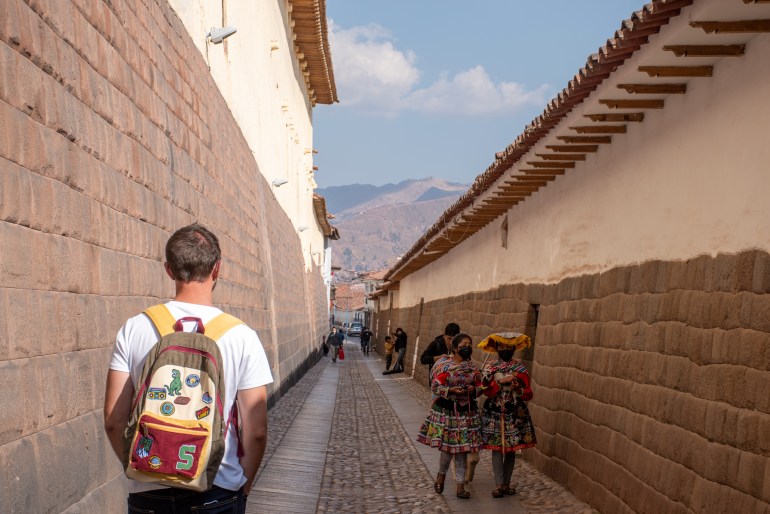
The rainy season changes the pace of the trip. Landscapes become greener, humidity rises, and excursions may require more flexibility due to weather changes.
Traveling during this time can work well if rain doesn’t bother you and you prefer fewer visitors at some sites. Better lodging rates can also appear, depending on availability.
When is the rainy season
Generally speaking, the rainy season tends to run from November to March, with the heaviest rainfall in the central months of that period. The frequency of precipitation increases and the weather becomes more variable.
This doesn’t mean constant rain every day. There can be sunny mornings, rainy afternoons, and clear stretches, so it’s a good idea to check the forecast and plan your itinerary with some margin.
Weather during the rainy season
During the rainy season, mornings can be variable. Some days start out clear and later shift toward clouds, rain, or fog in the afternoon.
Humidity increases and nights tend to be less cold than in the dry season. Even so, Cusco remains a high-altitude destination, so warm clothing is still necessary.
Advantages of traveling in the rainy season
A clear advantage is the color of the landscape. The fields, hillsides, and areas of the Sacred Valley tend to look greener, which can make sightseeing tours more visually appealing.
There can also be fewer visitors at some sites and a calmer atmosphere. Regarding lodging, it’s possible to find deals or more availability, though this depends on specific dates and holidays.
Disadvantages of traveling in the rainy season
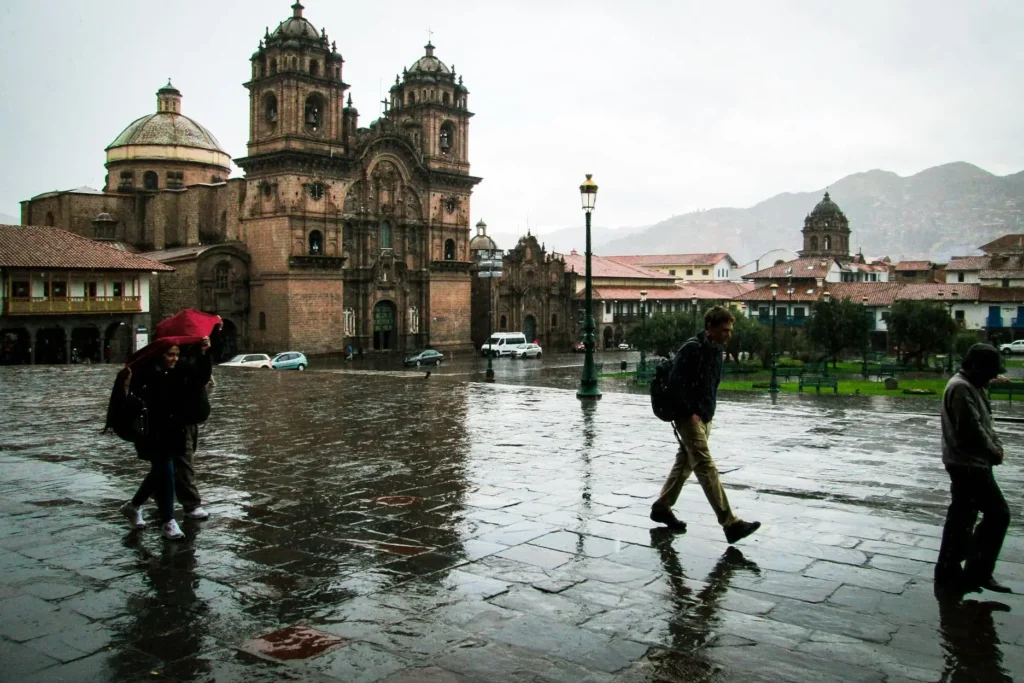
Rain can leave roads wet, trails muddy, and reduce visibility at viewpoints or mountains. Some excursions may be modified if conditions aren’t safe.
You’ll need more waterproof protection and flexibility. This is especially relevant for hikes, road trips, and visits to areas with steps or stone surfaces.
What to pack for the rainy season
Bring a waterproof jacket or poncho, footwear with good traction, and protection for your backpack. A protective case for documents, your phone, camera, and batteries is also useful.
Quick-dry clothing helps a lot during this season. Combine it with layered clothing to adapt to the morning cold, the day’s humidity, and temperature changes.
Transition months between seasons
The months located between the dry season and the rainy season can offer an interesting balance. They tend to have less tourist pressure than high season and more favorable conditions than the rainiest months.
The weather can be variable, but for many travelers this combination works well. It allows for green landscapes, days with good light, and better service availability.
Traveling before high season
Some travelers prefer to visit Cusco when the rains start to taper off, but before the period of highest demand. April and May tend to be valued for that balance.
At this stage, landscapes can still hold green tones and conditions for outdoor activities tend to improve. Even so, it’s a good idea to keep waterproof protection packed.
Traveling after high season
Traveling after the busiest months can be a good option for encountering fewer visitors. September and October can maintain relatively favorable conditions, though with a higher chance of occasional rain as the season progresses.
This period can help reduce pressure on hotels, trains, and some tours. It also offers more flexibility if you don’t need to travel on vacation dates.
Advantages of the transition months
The transition months can combine green landscapes, variable weather, and less tourist pressure. For travelers who aren’t seeking the driest weather possible, they can be a very practical alternative.
There can also be better service availability compared to the months of highest demand. This helps you plan itineraries with more options for schedules, lodging, and excursions.
Risks of transition-season weather
The main risk is relying too heavily on a stable forecast. During these months, rainy and clear days can alternate quickly.
It’s a good idea to pack clothing for sun, cold, wind, and rain. It’s also advisable not to plan demanding hikes without checking updated trail conditions.
Cusco weather month by month
Cusco’s weather can vary from year to year, but there’s a general pattern that helps you choose your dates better. This month-by-month guide serves as a reference for planning activities, packing, and bookings.
Keep in mind that the actual forecast can change with little advance notice. Before traveling, check updated conditions, especially if you’ll be hiking or traveling by road.
Traveling to Cusco in January
January tends to be one of the months with the most rainfall. The landscapes look green and tourist turnout tends to be lower than in high season, except for specific vacation dates.
If you travel in January, it’s a good idea to stay flexible with excursions. Bring rain gear, footwear with good traction, and avoid overly tight itineraries between transfers and outdoor activities.
Traveling to Cusco in February
Rain continues in February and some roads can be wetter or more slippery. It’s a month in which certain trekking routes can face restrictions or temporary closures.
Before booking hikes, check the updated availability of activities. Also review change or rescheduling policies, since weather can affect the operation of some routes.
Traveling to Cusco in March
In March, rain can continue, though some days bring better conditions. Landscapes remain green and the number of visitors tends to be lower than in the dry months.
It’s a month that calls for flexible planning. It can work well for travelers who accept weather changes and prioritize a calmer atmosphere at certain attractions.
Traveling to Cusco in April
April tends to be a transition month. Rainfall tends to gradually decrease and conditions for outdoor activities tend to improve.
It’s a good alternative for those seeking a balance between weather, green landscapes, and lower demand than in high season. Even so, occasional rain shouldn’t be ruled out.
Traveling to Cusco in May
May tends to mark the start of a period with less rain. Days tend to be clearer and conditions for visiting Machu Picchu, the Sacred Valley, and archaeological sites improve.
Nights start to feel colder. If you travel in May, bring warm layers for the morning and night, plus sun protection for the hours of strongest sun.
Traveling to Cusco in June
June tends to offer dry weather and clear days. It’s also a month with high cultural and tourist activity, so demand for services increases.
If you plan to travel in June, book lodging, trains, tickets, and tours in advance. The combination of good weather and festivities means many services have limited availability.
Traveling to Cusco in July
July is one of the driest and busiest months. The chance of rain tends to be low, but nights and early mornings can be quite cold.
Sun exposure during the day is intense, so you’ll need sunscreen, sunglasses, and a hat. Booking in advance is also key, especially if your trip includes Machu Picchu.
Traveling to Cusco in August
August maintains dry conditions and a good chance of clear skies. It’s a favorable month for hikes, archaeological tours, and road trips.
High demand for routes and tourist attractions also continues. Nighttime cold is still present, so combine light clothing for the day with real warm layers for the night.
Traveling to Cusco in September
September can combine good weather with a gradual reduction in visitors. There can still be dry, clear days, but occasional rain starts to appear.
It’s an interesting option for those seeking better conditions without as much of a tourist crowd as in July or August. Bring a light rain jacket as a precaution.
Traveling to Cusco in October
October is a transition month. Temperatures can feel somewhat milder during the day and the landscape begins to change as rain gradually returns.
The chance of rain grows as the month goes on. It can be a good time if you’re okay with variable weather and want to avoid some of the pressure of high season.
Traveling to Cusco in November
Precipitation increases in November and the number of visitors can be lower. Landscapes start to look greener and the atmosphere can feel calmer.
Bring waterproof protection and suitable footwear. If you have hikes planned, check trail conditions before confirming the outing.
Traveling to Cusco in December
December tends to bring frequent rain, green landscapes, and tourist activity tied to vacations and year-end celebrations. It’s not the dry season, but some dates can see high demand.
If you travel in December, book key services in advance and pack for rain. Also consider possible weather-related changes to outdoor excursions.
Best time to visit Machu Picchu
Machu Picchu can be visited year-round, but the experience changes depending on rain, visibility, demand, and type of circuit. The dry season tends to be preferred by those seeking a higher chance of clear skies.
The rainy season also allows you to visit the citadel, though it calls for more flexibility. Fog, wet trails, and weather changes can be part of the trip.
Machu Picchu during the dry season
During the dry season there’s a higher chance of clear skies and better conditions for photography. Trails and stairs tend to be less wet, which makes the tour easier.
It’s also the season with the most visitors. Tickets, trains, and buses can sell out, especially in the central months of the season, so it’s a good idea to buy in advance.
Machu Picchu during the rainy season
During the rainy season there can be fog, rainfall, and wet trails. This can affect visibility and make the tour require more care while walking.
In exchange, the landscapes tend to look greener and at certain times there can be fewer tourists. Bringing rain gear and footwear with good soles is essential.
Visibility of the citadel
Fog can appear at any time of year. At Machu Picchu, the weather can change within minutes, going from cloudy to clear or from sunny to light rain.
There’s no schedule that guarantees perfect visibility. The wisest approach is to choose your time slot based on your itinerary, transportation, and comfort level, accepting that the weather can always vary.
Recommended time slots based on weather
The weather can behave differently in the morning and afternoon. Some mornings start with fog and later clear up, while on other days the rain shows up later.
Choose your time slot considering trains, buses, lodging, and available time. It’s not a good idea to cut connections too close, since any delay can affect your entry.
Booking during high season
If you travel during months of higher demand, buy Machu Picchu tickets, trains, buses, and lodging in advance. Availability can vary depending on circuit and quotas.
Always check official information before paying for services. Entry conditions, circuits, and availability can change, especially during dates of high turnout.
Best time to visit the Sacred Valley
Weather greatly influences visits to Pisac, Ollantaytambo, Chinchero, Maras, and Moray. The dry season tends to make outdoor tours easier, while the rainy season offers greener landscapes.
Since many visits involve roads, stairs, and open areas, it’s a good idea to choose your date based on your tolerance for weather and the type of tour you want to do.
Sacred Valley in the dry season
In the dry season, roads tend to be firmer and visits happen with greater comfort. This especially helps at sites with terraces, slopes, or long tours.
There are also more visitors. If you want a calmer experience, consider leaving early or choosing private services that let you better manage your timing.
Sacred Valley in the rainy season
During the rainy season, the landscapes of the Sacred Valley can look greener. The farmland and hillsides tend to change in appearance compared to the dry months.
Rain can affect some roads and activities. It’s advisable to use footwear with good soles, bring rain gear, and confirm road conditions if your trip includes rural areas.
Harvest season and farmland landscapes
The appearance of the fields changes throughout the year according to local planting, growing, and harvest seasons. That’s why the Sacred Valley doesn’t look the same every month.
Farming activities depend on each community and area. If you’re interested in the rural side of the trip, ask in advance which landscapes or activities are most likely during your dates.
Best time to do the Rainbow Mountain hike
Visibility, trail conditions, and the difficulty of the hike to Rainbow Mountain can vary a lot depending on rain, cold, and mountain conditions. It’s not enough to just look at the month; it’s also a good idea to check the forecast close to your date.
It’s a high-altitude excursion, so the weather can feel more demanding than in the city of Cusco. Acclimatization and appropriate clothing are just as important as choosing a good season.
Rainbow Mountain in the dry season
In the dry season there tend to be better hiking conditions and a higher chance of visibility. The trail tends to be firmer and the views tend to clear up more often.
Early morning can be very cold. Since many departures start early, bring warm layers, a hat, gloves, a windbreaker, and clothing you can remove during the hike.
Rainbow Mountain in the rainy season
In the rainy season, mud, rain, snow, clouds, and reduced visibility can appear. These conditions can make the hike heavier and less predictable.
Before heading out, check updated conditions with the operator. If the weather isn’t favorable, it may be better to reschedule or choose a less exposed activity.
Which month to choose for the hike
For this hike it’s a good idea to prioritize months with more stable weather and a lower chance of rain. The dry months tend to be more convenient for those seeking better trail conditions.
Don’t do this excursion on your first day in Cusco. Take time to acclimatize, hydrate, and see how your body responds to the altitude before heading up to higher areas.
Best time to visit Humantay Lake
Weather affects trail conditions, mountain visibility, and the difficulty of the hike to Humantay Lake. Although it can be visited during much of the year, the experience changes a lot between the dry and rainy months.
The hike requires physical effort and takes place at altitude. Choosing a date with more stable weather can improve the safety and comfort of the trek.
Humantay Lake in the dry season
In the dry season, trails tend to be firmer and there’s a higher chance of clear skies. This improves mountain visibility and reduces the risk of slippery trails.
The early hours can be cold. Bring warm layers for departure, but also clothing you can remove as you go, since your body warms up during the climb.
Humantay Lake in the rainy season
During the rainy season, the trail can be wet or slippery. Fog can also cover the mountains and reduce visibility at times.
This doesn’t necessarily prevent the visit, but it calls for extra caution. Footwear with good traction, trekking poles, and waterproof protection can make the hike safer.
Tips for choosing your date
Check weather conditions before confirming the excursion. If there’s heavy rain or poor trail conditions, it’s a good idea to consider alternatives or reschedule.
Avoid doing the hike on your first day of acclimatization in Cusco. It’s better to spend some time beforehand resting, hydrating, and adjusting to the altitude.
High, mid, and low season in Cusco
Tourist seasons in Cusco change based on weather, festivities, vacations, and international demand. This affects the number of visitors, availability, prices, and the need to book in advance.
Choosing between high, mid, or low season doesn’t depend only on the weather. You should also consider budget, flexibility, planned activities, and your tolerance for crowded places.
High season
High season generally coincides with the driest months, major festivities, and international vacations. June, July, and August tend to see high demand.
During this time it’s a good idea to book in advance. Machu Picchu, trains, hotels, and flights can have less availability and higher rates as the date approaches.
Mid season
Mid season tends to include the transition months. It’s an alternative for those seeking variable weather, less tourist pressure, and still reasonable conditions for outdoor activities.
It can be a good option if you have flexibility. It doesn’t guarantee perfect weather, but it can better balance availability, prices, and comfort.
Low season
Low season tends to overlap with part of the rainy season. During these months, tourist turnout can decrease at some attractions and services.
It’s a useful period for travelers who prioritize peace and quiet and budget. The key is accepting possible weather-related changes and bringing the right rain gear.
How prices change by season
Lodging, flights, and some tours can increase in price during periods of higher demand. This is especially noticeable when good weather, vacations, and festivities coincide.
In low season, more affordable rates can appear, but it’s not a fixed rule. Advance booking, availability, and type of service greatly influence the final price.
When to book each service
During high season, book Machu Picchu tickets, trains, hotels, and flights further in advance. Waiting until the last minute can reduce options or raise costs.
In mid or low season there can be more flexibility, but don’t get overconfident if you’re traveling on holidays, long weekends, or dates with special events.
Festivities and important dates in Cusco
Some celebrations can enrich the trip from a cultural standpoint, but they also increase the number of visitors and demand for services. This can affect prices, availability, and movement within the city.
If you travel during a festivity, plan further in advance. It’s also a good idea to check street closures, special hours, and changes in transportation or excursion operations.
Inti Raymi and June celebrations
June is one of the months with the most cultural and tourist activity in Cusco. The celebrations draw domestic and international visitors, which increases demand for lodging, transportation, and activities.
If you choose to travel in June, book in advance. Also leave extra time in your transfers, since some streets may have restrictions or heavier foot traffic.
Holy Week in Cusco
Holy Week has variable dates each year. During those days, religious and cultural activities take place in the city, and visitor turnout can increase.
If your trip coincides with this celebration, check hotel and tour availability before buying flights. Also check for possible traffic changes in the historic center.
Fiestas Patrias (Independence Day)
During Fiestas Patrias, domestic tourism can increase. This can drive up demand for flights, hotels, trains, and tours to the main attractions.
If you travel on these dates, compare availability in advance. Also keep in mind that some services may have higher occupancy due to vacations and national holidays.
Christmas and New Year
In December, rain can coincide with higher demand for services due to vacations and year-end celebrations. This means the trip requires more careful planning.
Book lodging and transportation ahead of time if you’re traveling on these dates. Also bring waterproof clothing, since rain is frequent during this period.
What to check before traveling during a festivity
Before traveling during a festivity, confirm street closures, special hours, transportation availability, event capacity, and lodging prices. These factors can change your daily logistics.
Also check whether your excursions keep their regular schedules. On dates with heavy activity, leaving with extra time can help you avoid delays and tight connections.
What to pack depending on the time of year
Packing for Cusco should be planned around dry weather, rain, cold nights, and mountain excursions. The most practical rule is to pack in layers, since the temperature changes several times throughout the day.
You don’t need to pack too much, but you do need functional items. Prioritize a light jacket, rain gear, comfortable footwear, and sun protection year-round.
Clothing for the dry months
For the dry months, bring t-shirts, comfortable pants, a warm jacket, a windbreaker, and a hat. During the day you may need light clothing, but the cold hits hard at night.
If you have early outings, add thermal layers. This especially helps on high-altitude excursions, early morning road trips, and long hikes.
Clothing for the rainy months
For the rainy months, include a rain jacket, a poncho, non-slip footwear, and quick-dry pants. Stone streets and trails can become slippery.
Also bring protection for electronic devices and documents. A waterproof cover for your backpack prevents problems during transfers or hikes in the rain.
Clothing for Machu Picchu
For Machu Picchu it’s a good idea to wear lightweight clothing, rain gear, and sun protection. The climate is more humid and warm than in Cusco, but it can change quickly.
Your footwear should have good soles, since there are stairs, rocks, and areas that can be wet. Avoid new or unsteady shoes for the tour.
Clothing for high-altitude excursions
For high-altitude excursions you need warm layers, gloves, a hat, thermal clothing, and rain gear. Temperatures can be low at the start, even if the day later turns sunny.
Wear clothing you can remove during the hike. Physical effort raises your body temperature, but wind and breaks can cool you down quickly.
Items needed year-round
Year-round, bring sunscreen, sunglasses, a water bottle, a light backpack, documents, a portable charger, and personal medication. Sun exposure at altitude can be intense even on cloudy days.
It’s also useful to bring snacks, toilet paper, hand sanitizer, and a light rain layer. These items take up little space and help a lot during long excursions.
Tips for traveling to Cusco in the dry season
Traveling in the dry season tends to be comfortable for touring Cusco, but it requires preparing for nighttime cold, high demand, and sun exposure. It’s not a good idea to associate dry weather with warm temperatures all day long.
Planning ahead greatly improves the experience. During this time, some key services can sell out or rise in price as the date approaches.
Book in advance
Secure flights, lodging, tickets, and trains before arriving, especially if your trip includes Machu Picchu. Availability can shrink during the months of highest demand.
It’s also a good idea to book full-day tours and private services if you have fixed dates. This avoids relying on last-minute openings.
Prepare for cold nights
The temperature difference between day and night can be significant. You can walk in the sun at midday and need heavy warm layers just a few hours later.
Bring a warm jacket and thermal clothing if you have early departures. Sleeping well and avoiding excessive cold also helps you adjust better to the altitude.
Protect yourself from sun exposure
Use sunscreen, a hat, and sunglasses during outdoor activities. Sun exposure in Cusco can feel strong even when the air is cool.
Stay well hydrated throughout the day. This helps reduce discomfort associated with the sun, altitude, and physical effort on hikes.
Avoid overly tight itineraries
High demand can lead to lines, traffic, and less flexibility to change schedules. An overly tight itinerary increases the risk of missing connections or arriving stressed to a visit.
Leave time between transfers, trains, entries, and tours. In Cusco, traveling with some margin tends to be safer than planning every hour down to the wire.
Tips for traveling to Cusco in the rainy season
The rainy season is best enjoyed with flexibility, good gear, and realistic expectations. The weather can change throughout the day, so it’s a good idea to plan without relying on perfect conditions.
It’s also a time when safety decisions matter more. Before doing hikes or long road trips, check the condition of the route.
Bring waterproof protection
Bring a poncho or rain jacket and protection for your backpack. Also protect documents, your phone, camera, and batteries, especially on outdoor excursions.
A light rain layer is more practical than an umbrella on many tours. In windy areas or on stairs and trails, having your hands free helps you walk more safely.
Wear footwear with good traction
Stone streets, stairs, and trails can become slippery with rain. Footwear with good soles reduces the risk of falls and improves comfort.
Avoid sandals or smooth-soled shoes for excursions. If you’ll be hiking, consider light boots or trekking shoes you’ve already broken in.
Keep your itinerary flexible
Leave extra time for transfers and accept possible changes due to weather conditions. Rain can affect roads, hikes, or arrival times.
A free day or a flexible afternoon can help you reschedule an activity without losing your whole plan. This is especially useful if you’re traveling for only a few days.
Check on excursion status
Before doing hikes or road trips, check route conditions. Weather can affect trails, visibility, and the safety of the tour.
Check with established operators and avoid heading out if there are warnings or unfavorable conditions. Safety should come before sticking to a fixed date.
Book services with clear policies
Review change, cancellation, and rescheduling policies before booking. This is especially useful in the rainy season, when some departures may be modified.
Keep your receipts and confirm what happens if weather affects an excursion. Having clear rules avoids misunderstandings during the trip.
Common mistakes when choosing your travel dates
Many travelers choose their trip dates based only on price, temperature, or photos found online. That can lead to unrealistic expectations about the weather, the number of tourists, or the difficulty of the excursions.
To choose well, compare weather, tourist season, availability, budget, and activities. The best time to travel to Cusco depends on that combination.
Thinking the dry season is always warm
The dry season can have sunny days, but that doesn’t mean warmth all day long. Nights and early mornings can be very cold, especially in the central months of the year.
If you travel during this time, bring real warm layers. Many excursions start before sunrise and the temperature difference is felt from the very first transfer.
Believing it rains all day
In the rainy season it doesn’t always rain all day. Periods of sun, clouds, and precipitation can alternate within the same day.
The mistake is assuming you won’t be able to do any activities. With flexibility, rain gear, and good planning, many visits are still possible.
Not considering the number of tourists
Favorable weather tends to coincide with higher turnout. This can lead to lower availability, longer lines, and higher prices for some services.
If you prefer a quieter experience, consider the transition months or low season. The weather may be less stable, but the trip can feel more relaxed.
Booking based only on airfare
A cheap flight doesn’t always mean a cheaper trip. You should also check tickets, trains, hotels, festivities, and excursion conditions.
Before buying, check for Machu Picchu and suitable lodging availability. Otherwise, you might save on the flight but spend more on other services.
Not packing for changing weather
Your packing list should be prepared for sun, cold, wind, and rain within the same day. Bringing only light clothing or only warm layers can be uncomfortable.
Layered clothing is the most practical solution. It lets you adapt to hikes, transfers, cold nights, and sudden weather changes.
Planning hikes without checking conditions
Before a hike, check trail conditions, possible temporary closures, forecasts, and recommendations from established operators. This especially applies to high-altitude routes.
Not every date is convenient for every hike. If the weather doesn’t cooperate, rescheduling can be the safer decision.
Frequently asked questions about the best time to travel to Cusco
These answers help resolve common questions before choosing dates. Take them as general guidance, since the weather can vary from year to year and some services depend on availability.
If your trip includes Machu Picchu, hikes, or holiday dates, check updated information before booking. Planning ahead can greatly improve the quality of your trip.
What is the best month to travel to Cusco
It depends on your priorities. The dry months tend to be preferred for weather and hiking, while the transition months can offer a balance between landscapes, demand, and prices.
When does it rain the most in Cusco
Rain tends to be concentrated during the wet season, especially in the central months of that period. Intensity can vary from year to year, so it’s a good idea to check the forecast before traveling.
Which are the coldest months in Cusco
The coldest nights tend to coincide with the dry season, especially during the central months of the year. Even though the days may be sunny, early mornings can call for heavy warm layers.
When are there fewer tourists in Cusco
Turnout tends to drop during part of the rainy season and in some transition months. This can offer a calmer experience, though with more variable weather.
Is it a good idea to travel to Cusco in January or February
Yes, it’s possible to travel in January or February, but you’ll need flexibility, rain gear, and to check excursions in advance. Some trekking routes can face restrictions or temporary closures.
Is it a good idea to travel to Cusco in June
June can offer dry weather and many cultural activities, but also high demand. If you choose this month, book lodging, trains, tickets, and tours in advance.
Can Machu Picchu be visited during the rainy season
Yes, Machu Picchu can be visited during the rainy season. There can be rain, fog, and wet trails, so it’s a good idea to bring rain gear and check trip conditions.
Which season is more affordable for traveling to Cusco
Some services can be more affordable during the months of lower demand. Even so, prices depend on how far in advance you book, availability, type of lodging, and specific dates.
Which season is best for traveling with kids
It’s a good idea to choose months with relatively stable weather and plan activities at a relaxed pace. Bring clothing for temperature changes and avoid itineraries with too many hikes in a row.
Which season is best for older adults
It’s best to prioritize stable weather, unhurried tours, good transportation availability, and activities suited to physical condition. It’s also a good idea to avoid sharp altitude changes on the first day.
Choose the best date for your trip to Cusco
The dry season tends to be recommended for those who prioritize hikes, archaeological tours, and clearer skies. It’s the most sought-after option for Machu Picchu, the Sacred Valley, and mountain excursions, though it also means higher demand.
The rainy season can be a good fit for those seeking green landscapes, fewer visitors, and possibly better lodging rates. The transition months can offer a good balance between weather, prices, and availability.
Plan your trip based on the weather and your activities
Before choosing dates, define which activities are your priority: Machu Picchu, hiking, the Sacred Valley, the city of Cusco, or high-altitude excursions. That way you can choose a season that fits your budget, number of days, and weather tolerance.
If you need help coordinating tickets, trains, lodging, routes, and excursions based on the time of year, you can consult with the team at Incredible Peru Tours. Personalized planning can help you adjust your itinerary to the expected weather, availability, and pace of travel.


