
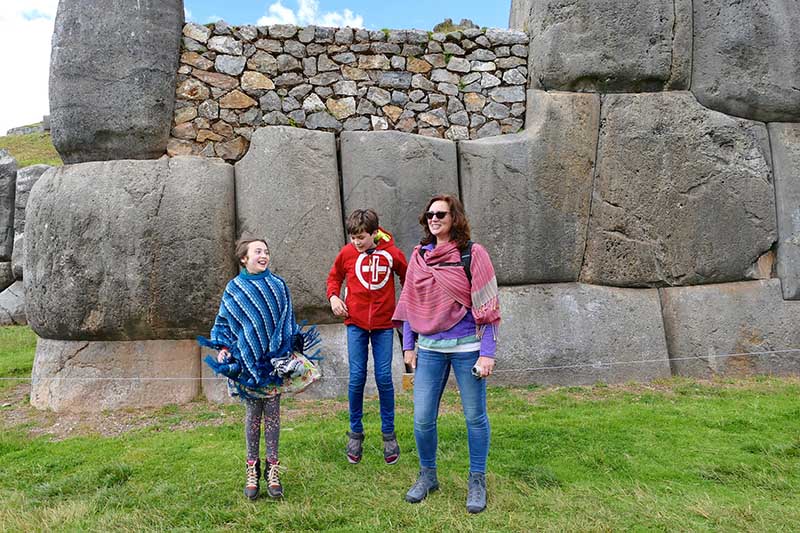
If you are looking for what to do in Cusco, the answer depends on the number of days you have available, your interests, and your physical condition. In this guide, you will find 15 essential places to help you organize your trip: attractions within the city, nearby archaeological sites, and popular excursions such as the Sacred Valley, Rainbow Mountain, Humantay Lake, and Machu Picchu.
Cusco combines walks through historic streets, cultural visits, archaeological routes, and full-day high-altitude excursions. For this reason, it is best to arrange activities from least to most demanding, allow time to acclimatize, and book the most popular services in advance, especially trains, admission tickets, and specific excursions.
The best places to visit in the city of Cusco
The main attractions in the city of Cusco are concentrated in the historic center and its surroundings. Many can be explored on foot over one or two days, provided that you take the altitude and uphill streets into account.
This first part of the visit is ideal for acclimatizing, learning about local history, and getting oriented before taking longer excursions. It also gives you time to try restaurants, visit markets, compare agencies, and adjust your itinerary according to the weather or your energy level.
1. Cusco Main Square
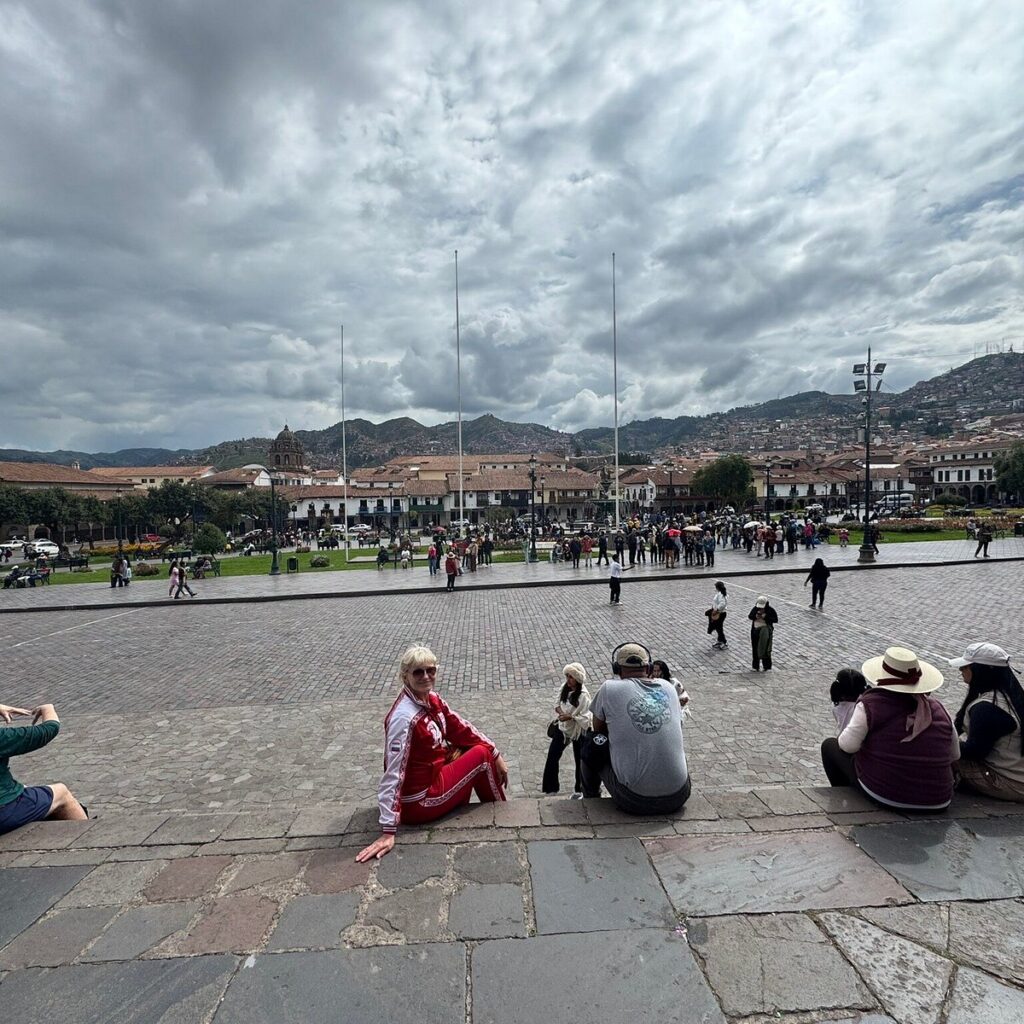
The Main Square is Cusco’s tourist and historic center. Around it are some of the city’s most important religious buildings, as well as restaurants, cafés, shops, travel agencies, and useful services for travelers.
Its atmosphere changes considerably between day and night. In the morning and afternoon, it is a good starting point for walks through the historic center. At night, the lighting of the churches and colonial arcades offers a different view of the city.
What to see in the Main Square
In the Main Square, you can see Cusco Cathedral, the Church of the Society of Jesus, colonial arcades, central gardens, and historic buildings that form part of the city’s most visited urban area.
It is also a practical place to get your bearings. From here, you can walk to Hatun Rumiyoc Street, the San Blas neighborhood, Qorikancha, and other streets in the historic center without needing transportation.
Tips for exploring the Main Square
It is best to visit during the day to appreciate the architecture, locate the entrances to the churches, and identify the main streets. You can then return at night to see the lighting and have dinner at one of the nearby restaurants.
Because it is a busy area, keep your belongings secure and avoid accepting informal services without checking the conditions. If you have just arrived in Cusco, walk slowly and avoid climbing too quickly toward the higher streets of the center.
2. Cusco Cathedral
Cusco Cathedral is one of the city’s most important religious buildings. Its interior preserves colonial art, sculptures, altarpieces, and paintings associated with the Cusco School of Art.
It is a recommended visit if you are interested in understanding how religious, artistic, and social elements were integrated during the colonial period. You can tour it independently, although a guided explanation helps you better understand the value of its artworks.
History, architecture, and main artworks
The Cathedral was built during the colonial period and reflects the religious style of the time. Its façade, interior naves, altars, and chapels display the work of local artists and craftspeople.
Inside, you can see religious paintings, carved sculptures, liturgical objects, and representative works of the Cusco School of Art. Some combine Christian scenes with details from the local context, something that can easily go unnoticed without a proper explanation.
Recommendations for your visit
Before entering, check the current opening hours, as they may vary due to religious activities, maintenance, or special dates. Also verify whether admission is purchased separately or as part of a religious circuit.
Respect photography restrictions, as taking pictures may be prohibited in some areas. If you have limited time, consider a guided visit to make better use of the tour and avoid overlooking the main artworks.
3. San Blas Neighborhood
San Blas is one of Cusco’s most visited traditional neighborhoods. It is known for its narrow streets, houses with balconies, artisan workshops, small galleries, cafés, and viewpoints overlooking the historic center.
The neighborhood has cobblestone streets and several uphill sections, so it is best to explore it without rushing. It is a good half-day option, especially if you want to walk, buy pieces made by local artists, or take a break in a café.
Traditional streets, viewpoints, and artisan workshops
The San Blas slope connects the historic center with the neighborhood’s small square. Along the way, you will find narrow streets, stone walls, small shops, galleries, and workshops run by artisan families.
From some higher points, you can enjoy views of Cusco’s rooftops and the mountains surrounding the city. If you visit workshops, ask about the materials, techniques, and production times; this helps you better appreciate each piece.
What to buy in San Blas
In San Blas, you can buy handicrafts, textiles, ceramics, paintings, prints, and decorative objects made by local artists. The selection is broad, ranging from small souvenirs to pieces of greater artistic value.
Before buying, compare quality, finishes, and prices. Not every shop sells handmade products, so it is advisable to ask about the origin of each piece and avoid making rushed decisions if you are looking for something authentic.
4. Qorikancha or Temple of the Sun
Qorikancha was one of the most important temples of the Inca Empire. It was associated with the worship of the Sun and with religious ceremonies of great importance to Cusco’s spiritual and political organization.
Today, it forms part of the Santo Domingo Convent, allowing visitors to see Inca walls and colonial buildings in the same place. It is one of the most useful visits for understanding the changes the city underwent after the arrival of the Spanish.
History of the Inca temple
During the Inca period, Qorikancha functioned as a religious center associated with the Sun and other deities. Its enclosures were used for ceremonies and were connected to Cusco’s importance as the capital of the empire.
The site brought together places of worship, carefully constructed enclosures, and planning that reflected Inca architectural knowledge. Although many structures changed over time, part of the original design can still be appreciated.
Inca and colonial architecture
Qorikancha shows the combination of two construction periods. The Inca walls were made of carved stones fitted together with great precision, while colonial buildings were erected over some of those structures.
This superimposition makes it possible to observe clear differences in materials, techniques, and construction methods. For many travelers, it is one of the best visits within the city for understanding the continuity and transformation of Cusco’s urban space.

5. San Pedro Market
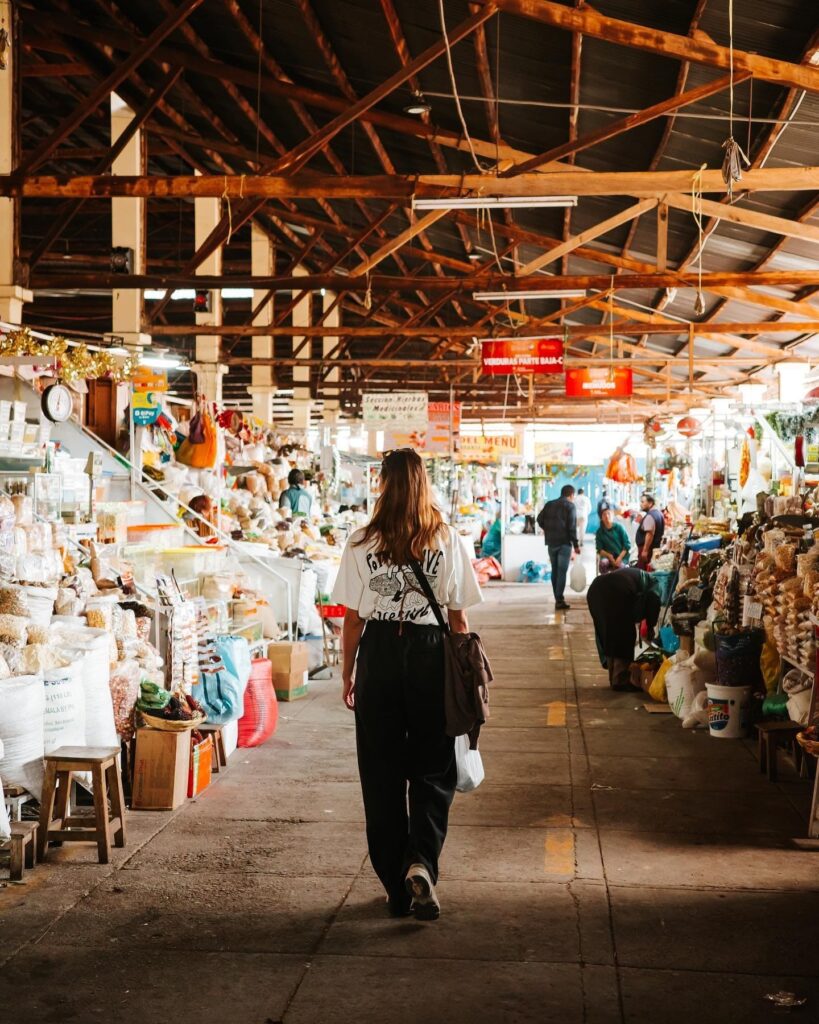
San Pedro Market is a popular place to discover local products, foods, fruits, herbs, breads, cheeses, handicrafts, and scenes of everyday life in Cusco. It is close to the historic center and can be reached on foot from the Main Square.
It is a useful stop if you want to try local flavors without going to a tourist restaurant. It also allows you to see the variety of regional products brought in from different areas near Cusco.
Typical products and handicrafts
At the market, you will find varieties of potatoes, corn, herbs, breads, cheeses, fruits, grains, souvenirs, textiles, and other regional products. Some sections are more focused on everyday shopping, while others cater to visitors.
If you are looking for handicrafts or textiles, carefully check the quality of the materials and compare prices between stalls. For food products, verify freshness, presentation, and hygiene conditions before buying.
Foods and drinks you can try
At San Pedro, you can try simple dishes, fruit juices, traditional breads, and hot drinks. It is an affordable and direct way to experience local food, although the experience depends greatly on the stall you choose.
Choose clean and busy stalls, especially if you plan to consume juices or prepared food. If you have a sensitive stomach or have just arrived at high altitude, start with small portions and avoid mixing too many foods on the first day.
6. Hatun Rumiyoc Street and the Twelve-Angled Stone
Hatun Rumiyoc Street preserves Inca walls integrated into the city’s current layout. This street is home to the famous Twelve-Angled Stone, one of the best-known examples of the precision of Inca stonework.
The route is brief, but it is often included in walking tours of the historic center. It is a recommended visit if you want to see up close how Inca structures continue to form part of Cusco’s modern streets.
Historical importance of the street
The value of Hatun Rumiyoc lies in its stone walls, which are perfectly joined without mortar. The pieces fit together with such precision that they demonstrate the technical level achieved by Inca builders.
The Twelve-Angled Stone is one of the most photographed pieces, but the entire wall deserves attention. When you observe it calmly, you can see how each stone was shaped to adapt to the others and maintain the stability of the structure.
Tips for visiting and taking photographs
Visit the street early if you want to avoid crowds. During the busiest hours, it can be difficult to take photographs peacefully because many groups pass through the same spot.
Do not touch, scratch, or climb on the walls. In addition to protecting the heritage site, you will avoid being reprimanded by security staff. Keep your belongings close, as the street is narrow and very busy.
7. San Cristóbal Viewpoint
San Cristóbal Viewpoint is close to the center and offers a panoramic view of Cusco’s rooftops, churches, and surrounding mountains. It is a good option if you want a broad view without going too far away.
The visit requires some effort if you decide to walk uphill, as the streets are steep. If you are in the first days of your trip, take it easy and avoid doing it immediately after arriving in the city.
How to get there from central Cusco
From the historic center, you can walk there along uphill streets. The route is not long, but the altitude can make it feel more demanding than expected, especially if you are not yet acclimatized.
You can also arrive by taxi or as part of a guided tour that includes other nearby points. If you take a taxi, use a reliable service and agree on the conditions before beginning the journey.
Best time to enjoy the view
Morning is usually a good time to visit the viewpoint because there is more light and better visibility when the weather is favorable. You can also go before sunset, when the city begins to change color.
Avoid returning alone through quiet streets at night. If the weather is cloudy or there is heavy rain, visibility may be reduced, so it is best to adjust your visit according to the day’s conditions.
Archaeological sites near the city of Cusco
Around Cusco, there are several archaeological complexes that help visitors better understand the organization, architecture, and ceremonies of the Inca period. The most visited are Sacsayhuamán, Qenqo, Puka Pukara, and Tambomachay.
These four sites are commonly visited together on the circuit known as the City Tour. It is a practical option for people with limited time because it combines transportation, historical explanations, and visits in a single outing.
8. Sacsayhuamán
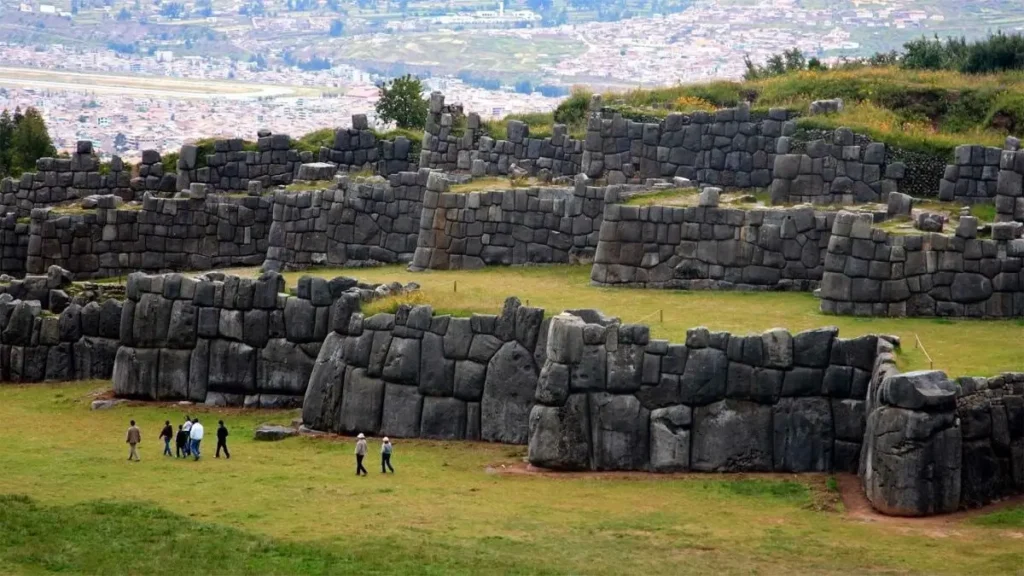
Sacsayhuamán is a large archaeological complex located very close to the city. It is known for its enormous stone walls, terraces, and direct connection with Cusco’s ancient ceremonial and defensive organization.
Because of its proximity, some travelers walk uphill from the historic center. However, the slope and altitude can make it demanding, so it is advisable to assess your physical condition before choosing this option.
History and importance of the archaeological complex
Sacsayhuamán had ceremonial, defensive, and symbolic functions. Its megalithic constructions display large-scale stonework, with carved blocks assembled to form remarkably stable walls.
The site also helps visitors understand the relationship between the city of Cusco and the ceremonial spaces located around it. Its size requires walking, so comfortable footwear and sun protection are recommended.
How to get there from the historic center
You can get there on foot from the center, by taxi, tourist transportation, or on a City Tour. The walk includes an uphill section and can be demanding, especially for those who have just arrived in Cusco.
If you have little time or prefer to avoid the initial physical effort, an organized tour may be more convenient. If you decide to go independently, review the route before leaving and confirm which admission ticket you need.
9. Qenqo
Qenqo is a ceremonial site located near Sacsayhuamán. It is characterized by passages carved into rock, channels, altars, and spaces associated with rituals performed during the Inca period.
The visit is usually brief, but it is easier to understand with an explanation. At first glance, some formations may appear to be only carved rocks, although their interpretation changes once you learn about their ceremonial function.
Tunnels, altars, and ceremonial spaces
At Qenqo, you can see tunnels, carved surfaces, channels, and spaces that may have been connected to ceremonies. Several interpretations associate the site with offerings, ritual observations, and Inca religious practices.
The tour usually does not require much time, but it does require attention to detail. Walk carefully, as some areas have uneven stone surfaces and can become slippery after rain.
10. Puka Pukara
Puka Pukara is an archaeological complex located beside an ancient route that connected Cusco with other areas of Inca territory. Its name is commonly associated with the reddish color that its stones can take on under certain light.
The site is normally visited as part of the circuit covering the four nearby complexes. Its location helps explain how roads, access points, and movement toward the city were controlled.
History and function of the Inca fortress
Puka Pukara may have served as a lookout, checkpoint, rest area, or lodging place for travelers and entourages. Its strategic position made it possible to observe movement along nearby routes.
As you walk through it, you can see walls, enclosures, passageways, and open areas. Although it is not as extensive as Sacsayhuamán, it helps complete the picture of the road system and checkpoints around Cusco.
11. Tambomachay
Tambomachay is an archaeological site known for its channels, water fountains, and stone structures. It is located on the outskirts of Cusco and is usually the final stop on the traditional City Tour.
The site requires a short walk from the access point. The visit is peaceful, but the altitude may be noticeable, so it is best to walk slowly and carry a bottle of water.
Water fountains and ceremonial meaning
Tambomachay is associated with water, purification, and religious ceremonies during the Inca period. Its channels and fountains demonstrate careful management of water flow in a ceremonial setting.
The stone structures blend into the landscape and reveal the importance of natural resources within the Inca religious worldview. If you go with a guide, take the opportunity to ask about interpretations of the site’s function and symbolism.
How to visit the four archaeological sites
Sacsayhuamán, Qenqo, Puka Pukara, and Tambomachay can be visited in a single day. The most common way is through the City Tour, although it is also possible to visit independently by taxi, with partial walks, or using tourist transportation.
The decision depends on your time, budget, historical interest, and physical condition. If you only want to see the main sites without dealing with transportation arrangements, the tour is practical. If you prefer to move at your own pace, an independent visit may work better.
Visiting independently or with a tour
Visiting independently gives you more freedom to decide how much time to spend at each site. The disadvantage is that you must coordinate transportation, admission tickets, and the route, as well as research the history of each place so that the visit is not limited to taking photographs.
With a City Tour, transportation and explanations are usually organized. A guide makes the history of each site easier to understand and helps connect the places to one another, which is useful if this is your first visit to Cusco.
Using the Cusco Tourist Ticket
Several archaeological sites require the Cusco Tourist Ticket. This document provides access to specific included attractions, depending on the option selected and its validity at the time of purchase.
Before buying it, check the available options, validity period, included places, and current conditions. Rules may change, so it is advisable to review official information or consult a formal agency if you are unsure which ticket is best for you.
Best excursions from Cusco
Some of the most popular excursions in southern Peru depart from Cusco. Several require a full day, a very early departure, proper acclimatization, and advance booking, especially during periods of high demand.
Before choosing, consider the altitude, travel time, type of hike, and your physical condition. Not all excursions require the same level of effort, and doing too many intense activities in a row can affect your trip.
12. Sacred Valley of the Incas
The Sacred Valley is one of the most important excursions from Cusco because of its towns, agricultural landscapes, markets, and archaeological complexes. It usually includes stops in places such as Pisac, Ollantaytambo, and Chinchero.
It is a good option after visiting the historic center and the sites near Cusco. It can also be combined with the route to Machu Picchu, especially if you decide to stay overnight in Ollantaytambo or Aguas Calientes.
Pisac, Ollantaytambo, and Chinchero
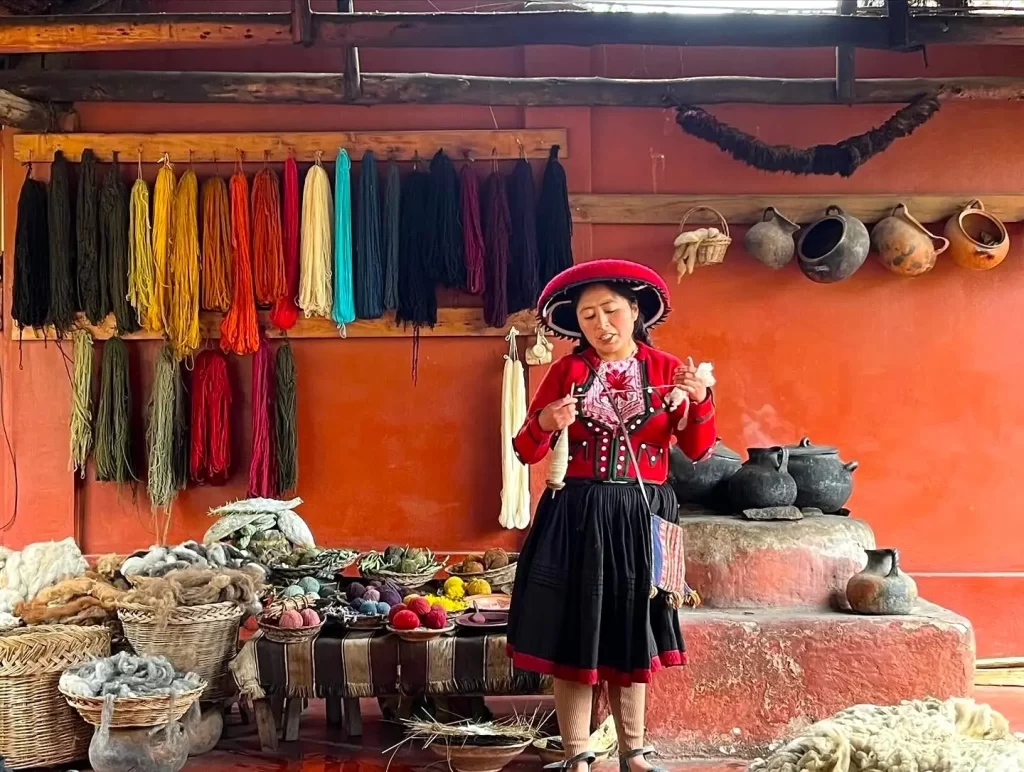
Pisac is known for its market and archaeological complex located on the upper slopes. Ollantaytambo preserves streets with an ancient layout and an archaeological area with terraces and stone structures. Chinchero is commonly associated with textiles, rural scenery, and archaeological remains.
Itineraries may vary depending on the type of tour booked. Some prioritize markets and villages, while others spend more time at archaeological sites. Review the itinerary before booking to avoid incorrect expectations.
Tour options from Cusco
From Cusco, you can choose traditional group tours, private tours, or alternatives that include Maras and Moray. Each option differs in duration, pace, stops, and level of flexibility.
Before booking, check which admission tickets are included, whether lunch is part of the service, and how much time is spent at each place. On inexpensive tours, some stops may be brief or may include unplanned commercial visits.
13. Rainbow Mountain
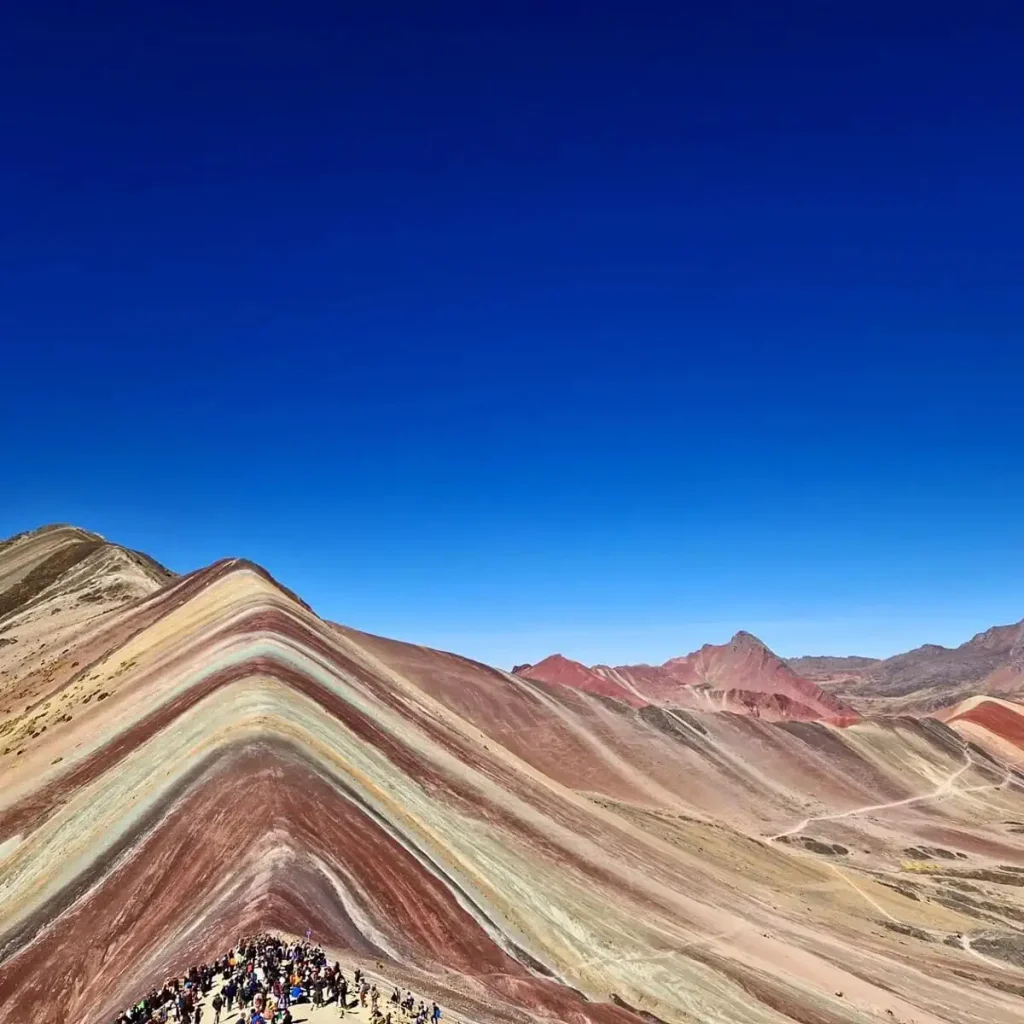
Rainbow Mountain, also known as Vinicunca, is a high-altitude excursion known for its natural colors and mountain landscapes. It is a demanding outing and should not be done on your first day in Cusco.
The journey usually begins very early and includes several hours by road before the hike. The altitude, cold, wind, and changing weather can make the route feel more difficult than expected.
Difficulty, duration, and altitude of the hike
The excursion requires waking up early, traveling by road, and hiking at high altitude. The difficulty depends on the chosen route, the day’s weather, trail conditions, and your physical fitness.
If you are not accustomed to hiking at altitude, acclimatize in Cusco first and avoid scheduling this outing after a night with little rest. Walk at a steady pace and do not pressure yourself to move quickly.
What to bring for the excursion
Bring layered clothing, a warm jacket, sun protection, water, footwear with good traction, a hat, gloves, and a light backpack. The weather can change quickly, so it is best to be prepared for cold, sun, and wind.
Avoid carrying unnecessary items. It is also advisable to bring some cash for small expenses, since card payments or a stable signal are not always available in rural areas.
14. Humantay Lake
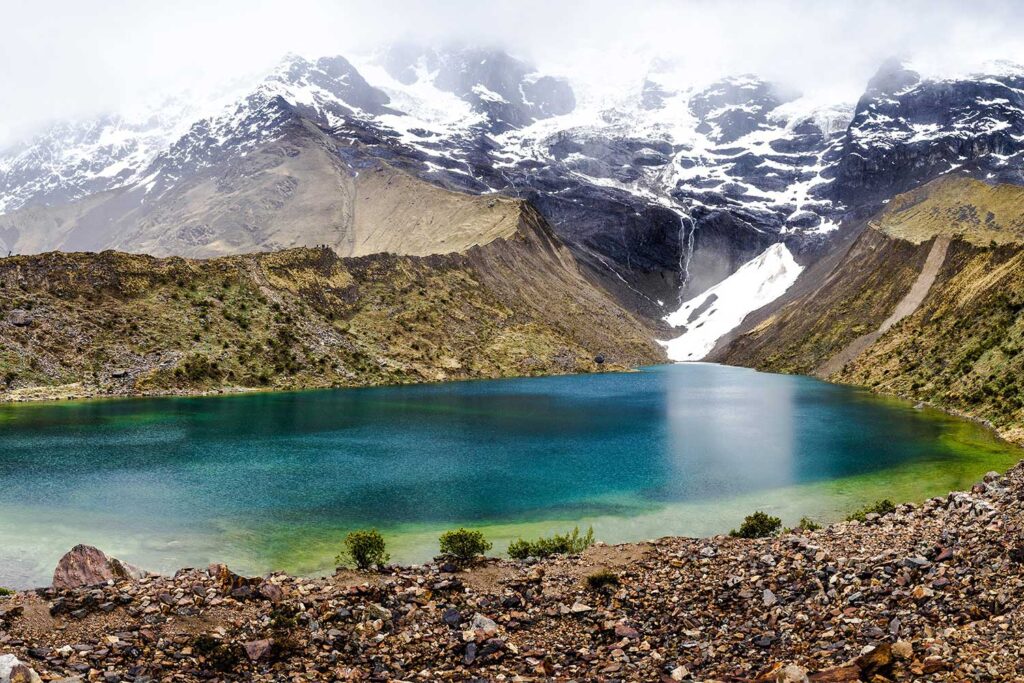
Humantay Lake is a natural attraction with turquoise water located at the foot of snow-covered mountains. It is a full-day excursion from Cusco that combines road transportation with a high-altitude hike.
Although the walking distance is not usually very long, the slope and altitude can make it demanding. For this reason, it is better to do it after one or two days of acclimatization rather than immediately after arriving in Cusco.
What the hike is like
The trip includes transportation from Cusco to the starting area, followed by an uphill hike. The ascent time depends on each person’s pace, the weather, and trail conditions.
The hike takes place at altitude, so it is normal to move more slowly than on lower-elevation routes. If you feel tired, stop, breathe, and continue calmly. Do not turn the excursion into a competition.
Recommendations for visiting the lake
Walk slowly, wear suitable clothing, and carry rain protection even if the day begins clear. It is also advisable to bring sunscreen, water, and footwear with good soles for wet or uneven sections.
Do not take this excursion on your first day in Cusco. Acclimatizing beforehand reduces the risk of altitude-related discomfort and allows you to enjoy the landscape without placing excessive strain on your body.
15. Machu Picchu
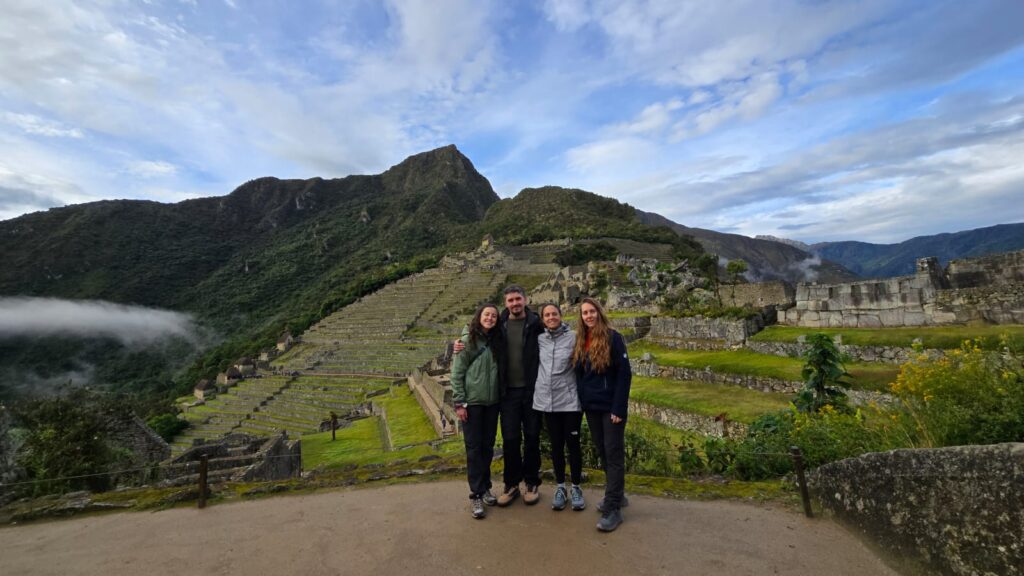
Machu Picchu is the most important excursion from Cusco for most travelers. It requires coordinating the admission ticket, circuit, train, transportation to the entrance, and, in many cases, accommodation in Aguas Calientes.
It is not advisable to leave this visit until the last minute. Tickets have limited availability by time slot and circuit, and train availability can vary according to the season, demand, and type of service selected.
How to get to Machu Picchu from Cusco
The most common options combine a transfer from Cusco to the train station, a train from Poroy or Ollantaytambo, and arrival in Aguas Calientes. From there, transportation is taken uphill to the Machu Picchu entrance.
Many travelers prefer to stay overnight in Aguas Calientes the previous night so they can enter early and reduce same-day fatigue. This option is usually more comfortable if you are traveling with children, older adults, or want to avoid a very tight itinerary.
Trains, admission tickets, and types of circuits
Admission tickets are sold by circuit and time slot. Each circuit allows access to specific areas, so you should verify which route is included with your ticket before purchasing it.
Book in advance, especially if you are traveling during a high-demand season. Also check change conditions, required documents, train schedules, and connection times to avoid logistical mistakes.
How to organize a trip to Cusco
Organizing a trip to Cusco requires deciding how many days you have, which excursions you want to take, the season in which you are traveling, and how you will manage acclimatization. Not every itinerary works equally well for every traveler.
The key is to combine the city, archaeological sites, and full-day outings at a realistic pace. If you try to do too many demanding activities in just a few days, you may become exhausted or miss reservations because of insufficient time.
How many days are needed to visit Cusco
The ideal number of days depends on the excursions you choose. A stay of five to seven days allows you to combine the historic center, nearby archaeological sites, the Sacred Valley, Machu Picchu, and a nature excursion.
You can also see the main attractions with less time, but you will need to prioritize. If you only have three days, avoid adding too many high-altitude hikes and organize visits according to their physical demands.
3-day itinerary
The first day can be devoted to acclimatization and the historic center: the Main Square, Cathedral, Qorikancha, San Blas, and San Pedro Market, depending on your pace. The idea is to walk without overexerting yourself.
On the second day, you can take the City Tour to visit Sacsayhuamán, Qenqo, Puka Pukara, and Tambomachay. The third day can be reserved for the Sacred Valley or another nearby excursion, taking departure and return times into account.
5-day itinerary
With five days, you can arrange the activities more comfortably. Begin with the historic center and acclimatization, continue with the City Tour, and then visit the Sacred Valley. After that, you can add a full-day excursion or prepare for the route to Machu Picchu.
A sensible approach is to leave the most demanding activities until you are acclimatized. Machu Picchu can be visited on a long day trip or with a previous night in Aguas Calientes, depending on availability and budget.
7-day itinerary
With seven days, you will have more time to acclimatize, explore the Sacred Valley at a relaxed pace, visit Machu Picchu, and add a nature excursion such as Humantay Lake or Rainbow Mountain.
You can also leave free time to rest, walk through traditional neighborhoods, or adjust the plan if the weather changes. This pace is more suitable for those who do not want to schedule long outings every day.
What is the best time to travel to Cusco
The best time to travel to Cusco depends on your priorities. The dry season generally offers better conditions for hiking, while the rainy season can provide greener landscapes and fewer visitors.
The weather in Cusco can change quickly during any month. Even on sunny days, it is advisable to carry warm clothing and a light raincoat because mornings, nights, and high-altitude areas can be cold.
Dry season
The dry season usually offers clearer days and better conditions for hiking, photography, and road travel. It also coincides with months of higher tourist demand.
If you travel during this period, book admission tickets, trains, and tours in advance. The main disadvantage is that there may be more visitors at the principal attractions and less availability for highly requested services.
Rainy season
During the rainy season, landscapes may be greener, there may be fewer visitors, and prices may vary more depending on availability. However, frequent rain can affect hikes, panoramic views, and travel times.
Bring waterproof protection and consider possible operational changes. Before taking nature excursions, check the condition of the route and confirm that the service is operating normally.
What to bring to Cusco
When traveling to Cusco, it is advisable to pack for changes in weather, walking, altitude, and full-day excursions. You do not need to bring too much, but you should pack practical clothing.
The city has tourist services, pharmacies, and shops, but on remote excursions it is better to bring what you need from the start. Forgetting something simple, such as a jacket or sunscreen, can significantly affect the day.
Recommended clothing and footwear
Bring layered clothing, a warm jacket, a raincoat, a hat, sun protection, and comfortable footwear with good soles. Layers allow you to adapt to cold mornings, sunny midday weather, and windy or rainy afternoons.
Avoid wearing brand-new shoes in Cusco if you plan to walk a lot. For cobblestone streets, ruins, and sloping routes, footwear should have good traction and remain comfortable for several hours.
Essential documents and items
Bring an identity document or passport, admission tickets, reservations, cash, cards, personal medication, a water bottle, sunscreen, and a portable battery. Keep digital copies of your reservations in case you lose your internet connection.
For excursions, carry only what you need in a light backpack. Always check whether you must present the same document used to purchase a ticket, especially for services with identity checks.
How to prevent altitude sickness
Cusco is located at high altitude, and some people may experience discomfort during the first few days, such as headaches, fatigue, nausea, or shortness of breath while walking. The reaction varies from one traveler to another.
Prevention begins with a well-organized itinerary. Do not schedule demanding hikes immediately after arrival, and avoid underestimating the altitude even if you are physically fit.
Recommendations for the first few days
During the first hours, rest, stay hydrated, eat lightly, and avoid alcohol. It is also advisable to walk slowly, sleep well, and avoid carrying unnecessary weight while your body adapts.
If you plan high-altitude excursions such as Vinicunca or Humantay, allow a reasonable amount of time for acclimatization. Schedule gentle visits within the city first, followed by more demanding activities.
When to seek medical attention
If symptoms are severe, persistent, or make breathing difficult, seek professional medical attention. Do not ignore serious warning signs or attempt to continue a demanding excursion if you feel unwell.
Avoid self-medicating without proper guidance. Hotels, formal agencies, and medical centers can tell you where to receive assistance if you experience discomfort that does not improve.
Transportation and safety in Cusco
In Cusco, you can get around by walking through the historic center, using authorized taxis, tourist transportation, or services coordinated by hotels and agencies. The best option depends on the distance, time of day, and type of activity.
The center is walkable, but it has cobblestone streets, narrow sidewalks, and uphill sections. For nighttime trips, luggage, or distant areas, it is more comfortable to use reliable transportation.
How to get around the city
For short routes within the center, walking is usually the most practical option. This allows you to stop at squares, churches, shops, and viewpoints without depending on traffic.
For longer distances, use authorized taxis, tourist transportation, or services coordinated by your hotel or agency. Before getting in, confirm the destination, approximate cost, and payment method.
Recommendations for protecting your belongings
Keep valuables secure, avoid displaying large amounts of money, and do not leave backpacks open in crowded areas. Pay extra attention in markets, narrow streets, and busy squares.
Use reliable transportation services and avoid accepting informal rides on the street, especially at night. Keep important documents in a safe place and use copies when they are sufficient.
Frequently asked questions about what to do in Cusco
These quick answers help resolve common questions before you build your itinerary. They are useful when comparing activities, budgets, admission tickets, and ways to explore Cusco.
Remember that some conditions may change according to the season, availability, or current regulations. Before traveling, verify operational information for admission tickets, trains, and tours.
Which places in Cusco can be visited for free
You can visit the Main Square, several streets in the historic center, some viewpoints, markets, and traditional neighborhoods such as San Blas for free. They are good options for acclimatizing and discovering the city without spending too much.
Some churches, museums, and archaeological sites do require admission. Before organizing your day, check which places have free access and which are included in tourist tickets or circuits.
Is it necessary to buy the Cusco Tourist Ticket
It depends on the places you plan to visit. The Cusco Tourist Ticket is useful if you want to enter several archaeological complexes, museums, and attractions included in its different options.
Before buying it, verify its validity, circuits, included sites, and current conditions. If you will visit only a few places, compare whether a partial option or separate admission tickets are more convenient when available.
How much does it cost to travel to Cusco
The cost of traveling to Cusco depends on the accommodation, transportation, restaurants, admission tickets, and tours you choose. A trip with simple lodging and independent walks does not cost the same as an itinerary with private services.
Keep the Machu Picchu budget separate from daily expenses because trains, admission tickets, and transfers can represent a significant part of the trip. Prices change according to the season, availability, and type of service.
Is Cusco suitable for traveling with children
Yes, Cusco can be visited with children if you adapt the schedule, consider the effects of altitude, and choose age-appropriate activities. It is best to avoid excessively long days during the first few days.
Prioritize short routes, frequent breaks, good hydration, and comfortable transportation for uphill journeys. For high-altitude excursions, check beforehand whether the route is suitable for the child.
Is it better to explore Cusco independently or with a tour
The historic center can be explored independently, especially the Main Square, San Blas, markets, and traditional streets. This gives you the freedom to walk at your own pace and stop wherever you wish.
For distant sites, a tour makes transportation, admission, and historical explanations easier. It is a good option if you have limited time or want to better understand the archaeological complexes.
Where to book admission tickets and excursions in Cusco
Book admission tickets through official channels or formal agencies. Review itineraries, included services, change policies, schedules, required documents, and contact information before paying.
Avoid booking based only on price if there is no clear information about the service. For high-demand excursions such as Machu Picchu, confirm actual availability before buying trains, accommodation, or transfers.
Plan your trip and discover the best of Cusco
Cusco combines history, archaeology, local culture, and nature in a single trip. To make the most of it, arrange your visits from least to most physically demanding and allow enough time to acclimatize.
Book the most popular services in advance, especially Machu Picchu admission tickets, trains, Sacred Valley tours, and full-day excursions. A well-organized itinerary reduces wasted time, unnecessary expenses, and last-minute changes.
Book your tours in Cusco
If you need help coordinating admission tickets, routes, trains, schedules, or excursions, you can contact the team at Incredible Peru Tours. Their advice will help you organize a personalized itinerary according to the number of days you have available, your interests, physical condition, and budget.
Before booking, decide how many days you will stay in Cusco, which places are priorities, and what level of walking you are willing to undertake. With this information, it will be easier to choose suitable tours and avoid activities that do not fit your trip.


