
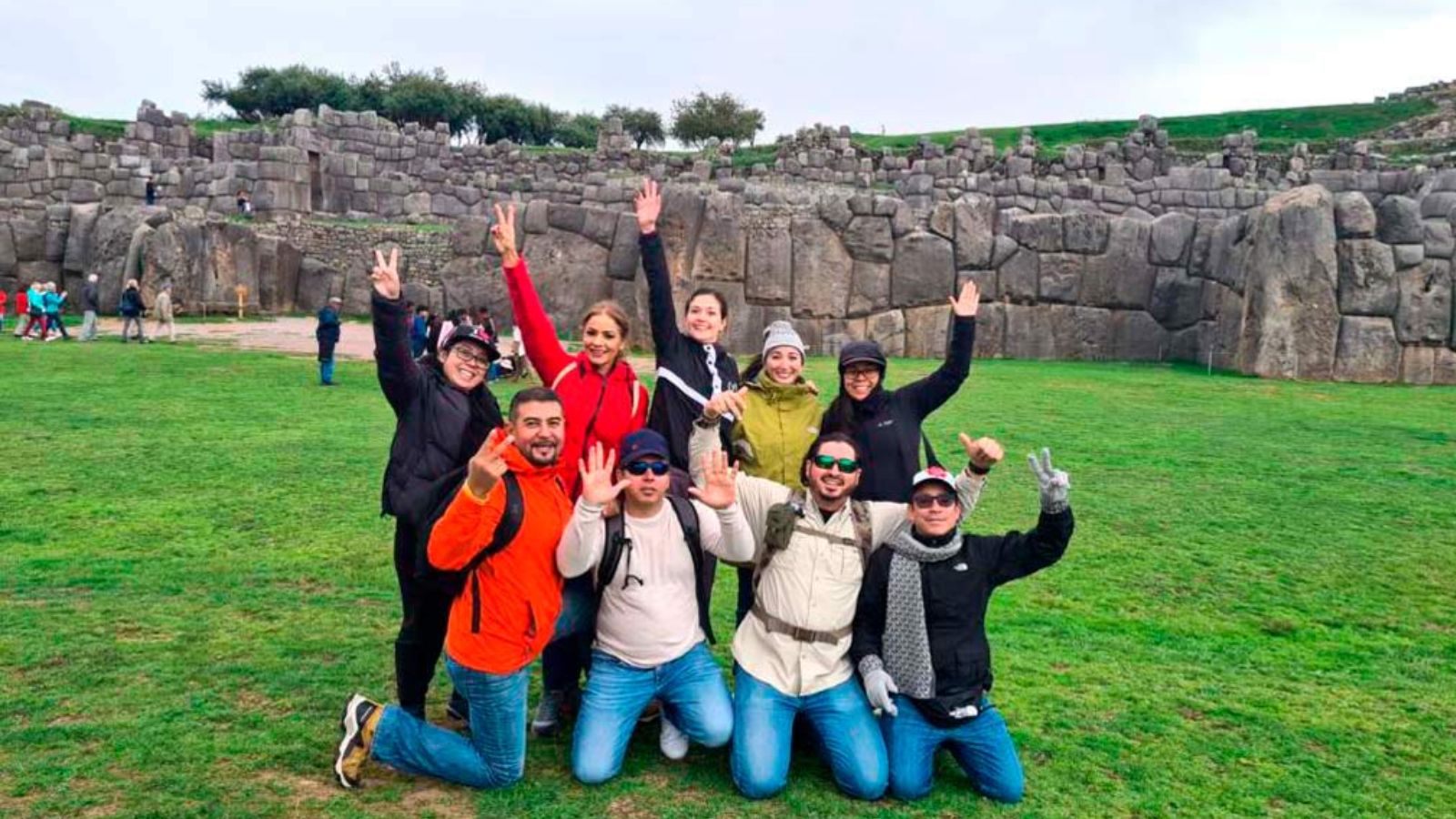
The places you visit on a Cusco city tour are Coricancha and the archaeological sites of Sacsayhuamán, Qenqo, Puca Pucara, and Tambomachay. It’s a half-day archaeological and cultural tour designed to cover the main attractions within and around the city of Cusco.
The visit combines Inca architecture, colonial buildings, ceremonial spaces, and sectors linked to territorial control and water use. Given its length and proximity, it tends to work well as an activity for the first few days of a trip, as long as you factor in Cusco’s altitude and keep a relaxed pace.
Places you visit on the Cusco City Tour
The Cusco City Tour includes five sites: Coricancha, located within the city, and Sacsayhuamán, Qenqo, Puca Pucara, and Tambomachay, located in the highlands near Cusco. Each stop shows a different function within Inca society.
The published itinerary doesn’t include the Cusco Cathedral. The visit starts at Coricancha and then continues by tourist transportation to the four archaeological sites that make up the circuit.
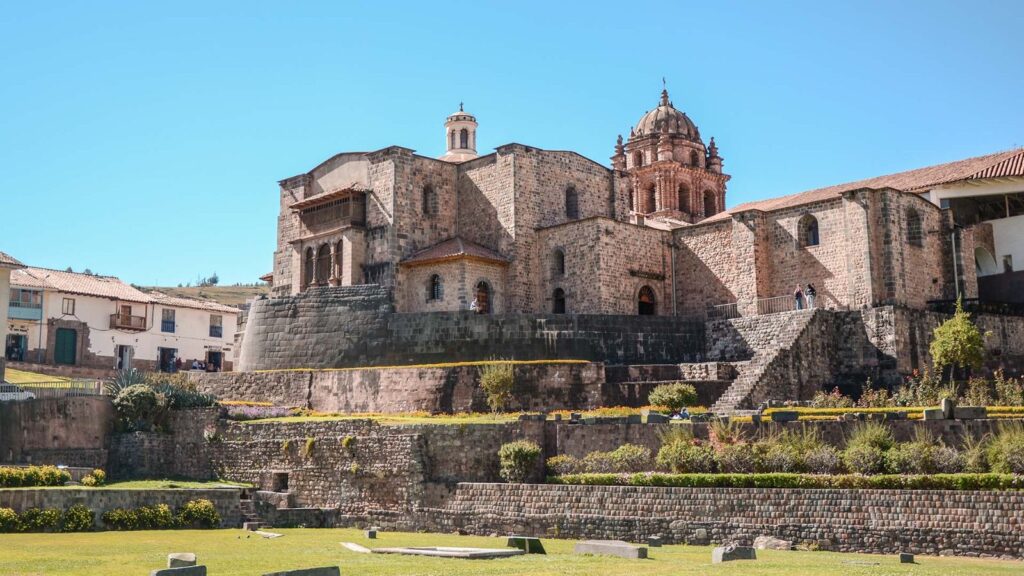
Coricancha and the Convent of Santo Domingo
Coricancha, also known as Qorikancha, was the main temple dedicated to the sun during the Inca Empire. Its name is usually translated as “golden enclosure,” a reference to the religious significance it held for the Inca elite and to the precious metal elements that once formed part of its decoration.
After the Spanish arrived, the Convent of Santo Domingo was built over part of its structures. During the visit you can see the combination of finely fitted Inca stone walls and the colonial architecture built on top of them later, a direct example of Cusco’s historical changes.
Sacsayhuamán
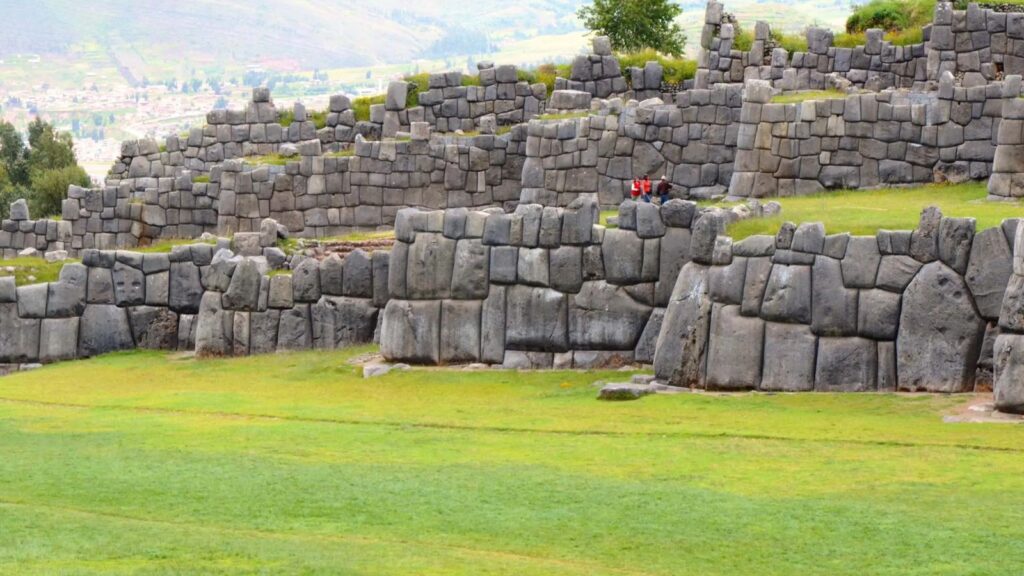
Sacsayhuamán is known for its massive stone blocks, fitted together with precision and without the use of mortar. The site sits on a hill north of the city, and its scale helps convey the magnitude of the construction work carried out during the Inca period.
It’s credited with a ceremonial and political function, though some sectors may also have served defensive purposes. Its esplanades offer wide views of the city of Cusco, which is why it tends to be one of the most talked-about stops on the City Tour.
Qenqo
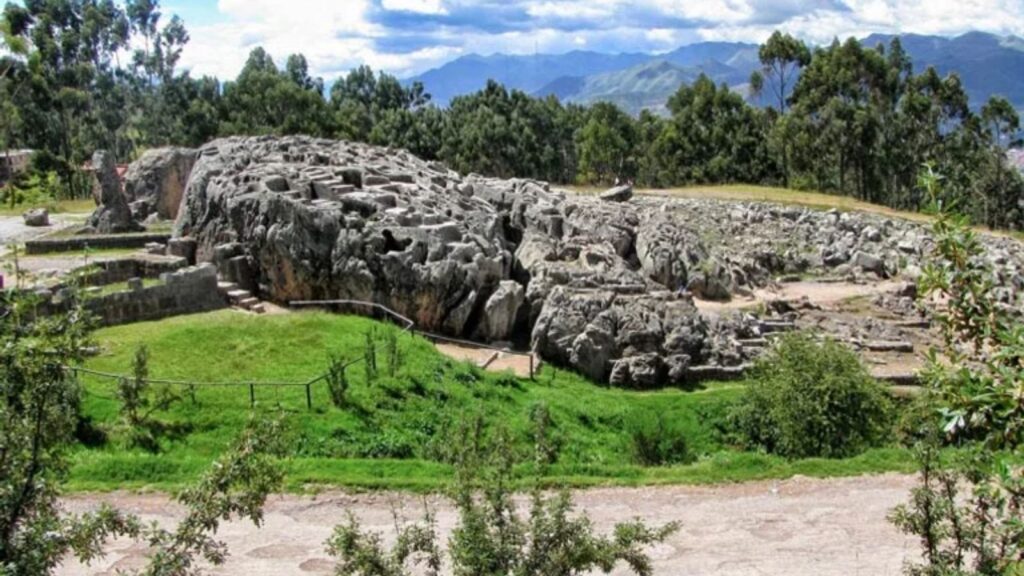
Qenqo is a ceremonial space carved directly into a rock formation. Its name relates to the Quechua word for “labyrinth” or “zigzag,” a reference to the carved channels and passages found at the site.
During the tour you can see altars, stairways, and an underground chamber linked to Inca religious ceremonies. The exact interpretation of some structures isn’t definitive, but the site clearly shows how important rock formations were in the ritual practices of the time.
Puca Pucara
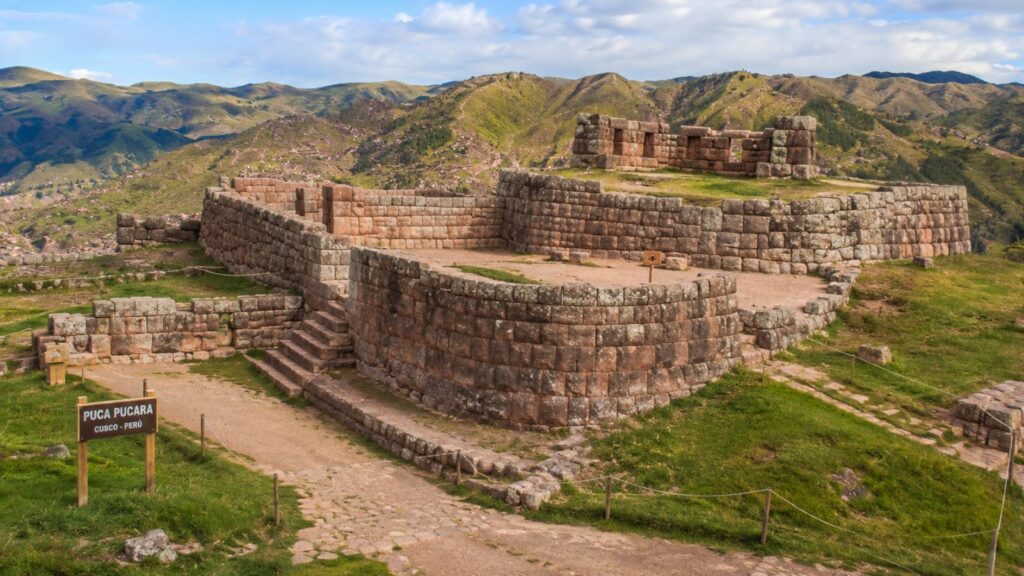
Puca Pucara, also spelled Puka Pukara, is believed to have served as a checkpoint and administrative space along the route connecting Cusco with other parts of the territory. The complex features walls, enclosures, terraces, and circulation areas adapted to the slope.
Its name is usually translated as “red fortress,” a reference to the reddish tone its stones take on in the light of sunset. The stop is brief, but it lets you see how surveillance and control points were organized near the Inca capital.
Tambomachay
Tambomachay is an archaeological complex linked to water. It features channels, fountains, and hydraulic structures that still carry water continuously, letting you see the technical knowledge applied to managing this resource.
The site is thought to have been tied to ceremonies and purification practices during the Inca era. Its fountains and stone walls are the centerpiece of the visit, so it’s worth taking your time there and following the guide’s instructions.
Order of the Cusco City Tour
The Cusco City Tour usually begins downtown at Coricancha. After that, the group boards tourist transportation to head to the four archaeological sites located on the outskirts.
This sequence lets you move from the urban area up into Cusco’s highlands. Time spent at each stop can vary depending on traffic, the group’s pace, and the day’s operating conditions.
Initial visit to Coricancha
The tour starts with a guided visit to Coricancha and the Convent of Santo Domingo. There you’ll get an explanation of the temple’s role as a sun temple and how the colonial architecture was layered over the Inca walls.
Once this first stop wraps up, travelers board the tourist transportation. From that point on, the tour continues to the archaeological sites located outside Cusco’s historic center.
Tour through the four archaeological sites
The transportation makes the visits in the following order: Sacsayhuamán, Qenqo, Puca Pucara, and Tambomachay. This route is used because it follows a progressive direction from Cusco toward the farthest sectors of the circuit.
At each site there are short walks to cover the main sectors and listen to the guide’s explanation. Visit time can be limited compared to a private tour, so it’s a good idea to make the most of each stop and pay attention to the return time to the vehicle.
Return to the city of Cusco
After the visit to Tambomachay, the group heads back to the city of Cusco. The return trip is made in shared tourist transportation and can vary depending on traffic conditions.
The final drop-off point can change depending on the day’s operations. When booking, it’s a good idea to confirm where the service ends and to leave a time margin before scheduling another activity.
How long the Cusco City Tour takes
The Cusco City Tour is a half-day excursion lasting approximately four and a half hours. This includes the guided visits, transportation time, and the walks within each attraction.
Actual duration can vary due to city traffic, the group’s pace, the weather, and access conditions at each site. It’s not a good idea to schedule a tight connection, a dinner with a fixed time, or another excursion right afterward without leaving extra time.
Morning schedule
The morning departure usually runs from about 9:00 a.m. to 1:30 p.m. This option lets you finish the tour early in the afternoon and have time left to eat lunch or explore downtown Cusco on your own.
Pickup and start times can be adjusted based on operations. Before booking, confirm the exact time, the pickup point, and whether you need to show up at a specific location.
Afternoon schedule
There’s also an afternoon departure that runs from about 1:30 p.m. to 6:00 p.m. It’s a convenient option for those who’d rather spend the morning resting, visiting a museum, exploring the market, or adjusting more gradually to the altitude.
In the afternoon, the weather can change quickly, especially during the rainy season. Bringing a light, waterproof jacket helps you get through the visits more comfortably if rain shows up.
What the Cusco City Tour includes
Based on the published information for this tour, the City Tour includes shared tourist transportation, a professional guide, entry to Coricancha, and tickets for the four archaeological sites. These conditions should be checked before confirming your booking, since services can be updated.
It’s a good idea to ask for the list of inclusions in writing. That way you avoid assuming additional services are covered, such as meals, drinks, pickup from hotels farther out, or personal expenses.
Tourist transportation and professional guide
The tour is done in shared tourist transportation between Cusco and the archaeological sites. This lets you cover the main distances without long walks between one attraction and the next.
The service includes a professional guide who provides historical and cultural information during the visits. To make the most of the explanations, try to stay close to the group and ask whether the guiding is offered in the language you need.
Entry tickets to the attractions
The tour includes entry to Coricancha and tickets to visit Sacsayhuamán, Qenqo, Puca Pucara, and Tambomachay, according to the service’s published information. This simplifies logistics for those who want to do the circuit in a single outing.
Before choosing a date, confirm that this condition is still current and ask whether there’s any special requirement for students, minors, or visitors who already have a Cusco Tourist Ticket.
Recommendations for visiting the attractions
How comfortable you are during the City Tour largely depends on prior preparation. Cusco sits above 10,800 feet above sea level, and the archaeological sites on the tour are in open areas where sun, wind, and rain can alternate within just a few hours.
Packing only what you need makes it easier to walk around. A small backpack, adaptable clothing, and enough water tend to be more useful than carrying heavy items throughout the excursion.
What clothing to bring
Wear layered clothing to adapt to temperature changes. A t-shirt, a light warm layer, and a windbreaker or rain jacket tend to work well for both the morning and afternoon departures.
Your footwear should be comfortable and have good soles, since there are uneven surfaces, stairways, and dirt paths. It’s also a good idea to bring sunglasses and rain protection depending on the season you’re traveling in.
Documents and personal items
Bring your passport or ID document, especially if your booking or tickets require verifying your information. Keep it in a safe, dry place along with your booking confirmation, if applicable.
Pack sunscreen, water, and a camera or phone for photos. Even though the tour is half a day, sun exposure can be strong even when the sky is cloudy, so it’s a good idea to reapply sunscreen throughout the day.
Acclimatizing before the tour
It’s advisable to arrive in Cusco at least a day before the tour. During your first hours in the city, rest, stay hydrated, and avoid intense physical effort so your body has time to adjust to the altitude.
If you have a medical history involving heart or respiratory issues, or sensitivity to altitude, consult a healthcare professional before your trip. Don’t ignore persistent symptoms like a severe headache, nausea, or shortness of breath.
Frequently asked questions about the City Tour sites
These questions tend to come up when planning a half-day visit around Cusco. The answers can help you confirm whether the tour fits your available time and travel conditions.
Remember to check the operational details when booking, especially if you’re traveling with kids, have reduced mobility, or need to coordinate schedules with other activities.
Is the Cusco Cathedral included in this tour
No. The Cusco Cathedral isn’t among the attractions included in this itinerary. The tour starts at Coricancha and continues to Sacsayhuamán, Qenqo, Puca Pucara, and Tambomachay.
Do you need the Cusco Tourist Ticket
Sacsayhuamán, Qenqo, Puca Pucara, and Tambomachay are normally part of the corresponding tourist circuit. On this tour, the entry tickets are included according to the service’s published information, but it’s worth confirming before booking.
Is the Cusco City Tour suitable for kids
Yes, it’s an easy-difficulty tour and can be done as a family. Adults should supervise children during the walks, especially near stairways, walls, and uneven surfaces, and should also factor in the effects of altitude.
How much walking is involved in the tour
There are short walks within Coricancha and at each archaeological site. The main transfers are done by tourist transportation, though some paths include stairs, elevation changes, and uneven terrain.
What’s the standout site on the tour
Sacsayhuamán tends to be one of the most talked-about sites for its massive stone walls and its views of Cusco. That said, each attraction shows a different part of Inca history, from sun worship to the ceremonial use of water.
Discover the main sites on the Cusco City Tour
The Cusco City Tour lets you see five historic attractions in half a day: Coricancha, Sacsayhuamán, Qenqo, Puca Pucara, and Tambomachay. It’s a practical way to cover sites near the city with transportation and a guide.
Before finalizing your itinerary, check availability, choose the time slot that best fits your trip, and book the Cusco City Tour with Incredible Peru Tours to confirm tickets, the pickup point, and the service’s current conditions.


