
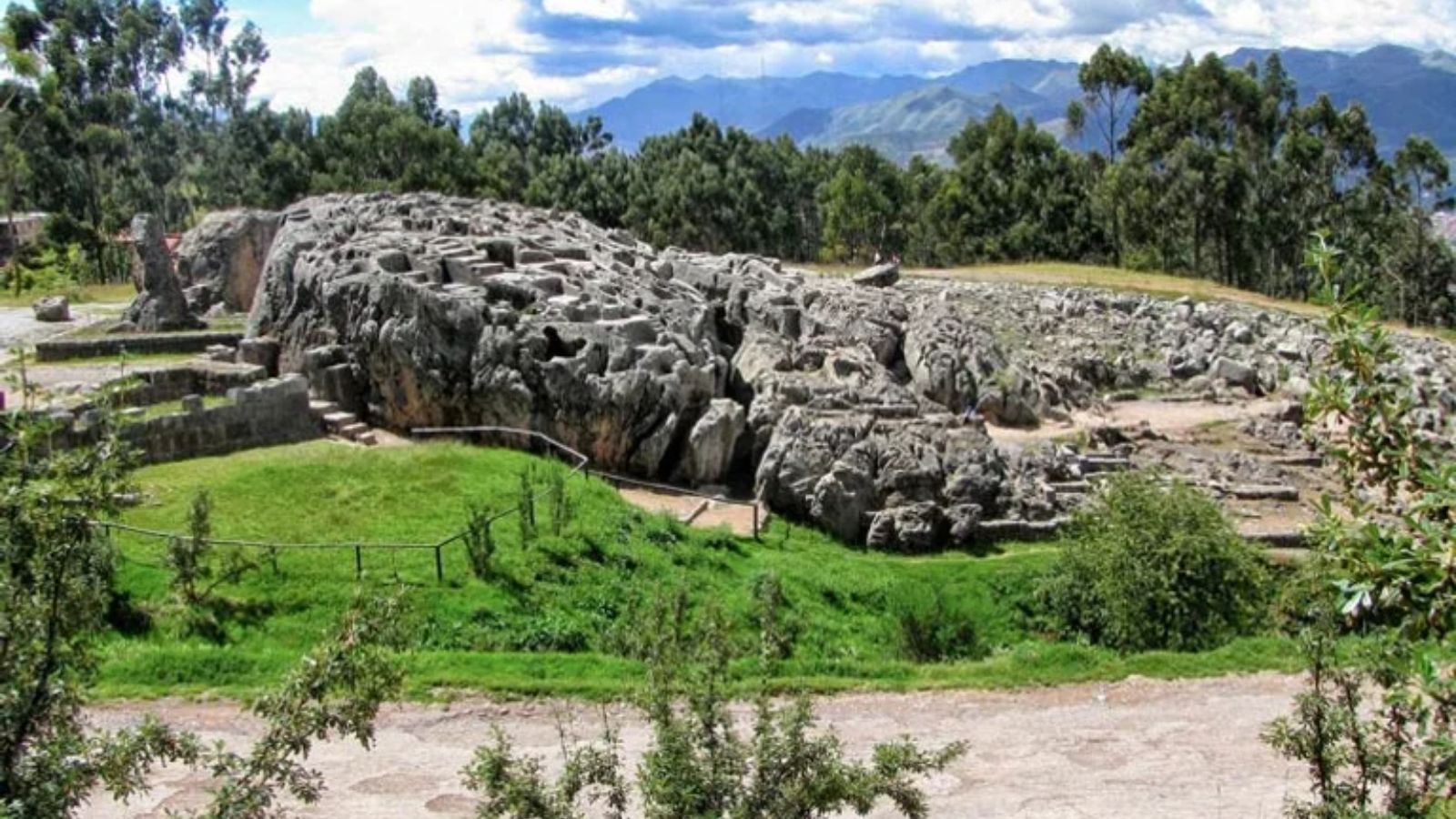
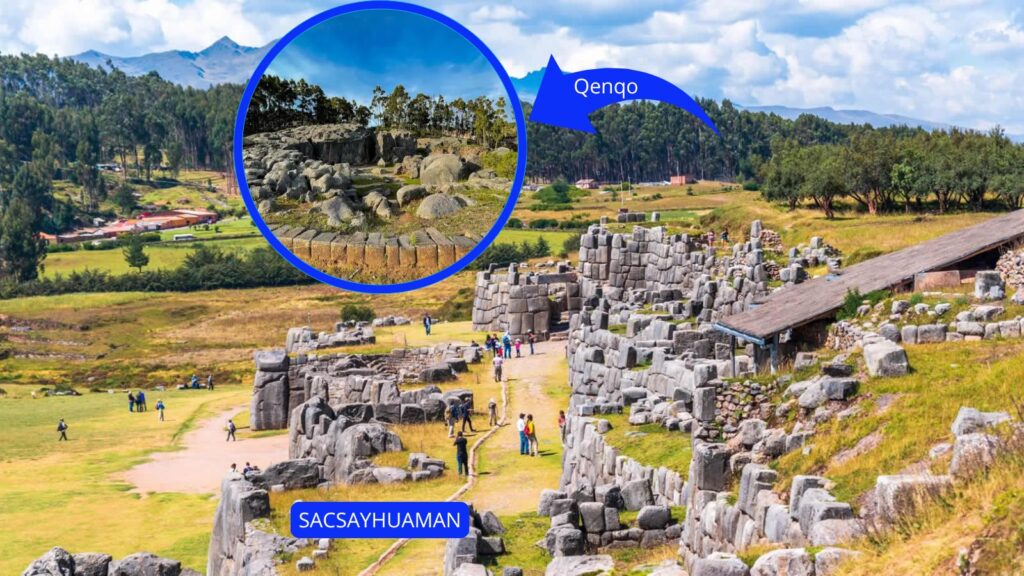
Qenqo is an Inca archaeological site located about 2 miles from Cusco’s Plaza de Armas, near Sacsayhuamán and the road toward Pisac. It’s one of the most interesting spots on the outskirts of the city for its carved rocks, winding channels, interior galleries, and spaces linked to religious ceremonies. To get in you need the Cusco Tourist Ticket, since there’s normally no individual entry ticket. You can visit on your own by taxi, on foot, or by local transportation, and it’s also part of the Cusco City Tour.
The visit lets you see how the Incas adapted large natural rock formations to create spaces for ritual use. The tour is brief, but it’s worth doing at a relaxed pace or with a guide to better understand the interpretations of each section.
What Qenqo is in Cusco
Qenqo is an archaeological complex from the Inca period located in the highlands of Cusco. It consists of carved rock outcrops, a semicircular plaza, stairways, niches, channels, and interior passages built by working with the natural shape of the stone.
The site is mainly associated with religious practices carried out around the former imperial capital. Although some specific functions remain a matter of interpretation, its architectural elements indicate it was a space set up for ceremonial activities rather than an ordinary residential area.
What Qenqo means
The name Qenqo comes from a Quechua word related to a winding path, a zigzagging route, or a labyrinth. This description fits well with the appearance of the channels and passages carved into the site’s main rock.
The zigzagging grooves are one of the most visible features during the visit. The exact meaning of each channel isn’t known for certain, but their design reinforces the connection between the site’s current name and the winding shapes carved into the stone.
Qenqo, Q’enqo, Kenko, or Q’inqu
Qenqo, Q’enqo, Kenko, and Q’inqu are spelling variants that refer to the same archaeological site. The differences mainly come from the various ways Quechua terms are rendered in Spanish.
On maps, tickets, guides, and with agencies you may come across more than one of these spellings. This article uses Qenqo as the main variant, but all of them refer to the complex located near Sacsayhuamán.
History of Qenqo
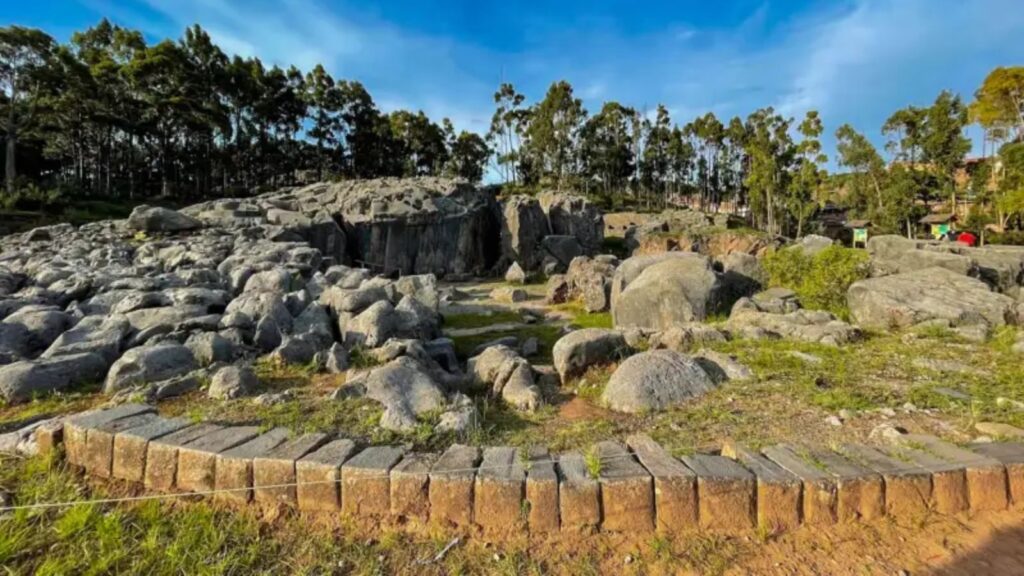
Qenqo belongs to the Inca period and was part of the ceremonial area developed on the hills near Cusco. Its location, close to other complexes such as Sacsayhuamán, Puca Pucara, and Tambomachay, shows how important this area was for religious activities and territorial control at the time.
Archaeological interpretations are based on the visible architecture, the shapes of the rock, and the site’s relationship to the surrounding landscape. Because of that, it’s worth distinguishing between verifiable elements, such as the carvings and galleries, and the hypotheses about the specific rituals carried out there.
Who built Qenqo
There’s no conclusive record attributing the entire construction of Qenqo to a single Inca ruler. The site is identified as a work from the Inca period, but there’s no definitive source linking each section to a specific Inca.
The visible evidence indicates that the builders worked with natural rock formations and adapted them through cuts, channels, stairways, and chambers. This way of integrating architecture with the landscape is a common feature at several Inca ceremonial sites.
What Qenqo was used for
Qenqo would have functioned as a ceremonial space linked to the worship of nature, the earth, water, and other religious practices of Inca society. The presence of channels, niches, a plaza, and an interior chamber suggests the site served a ritual purpose.
Some interpretations link the rock chamber to funerary ceremonies or rituals involving offerings. However, these ideas shouldn’t be presented as fully confirmed facts, since the exact function of each element remains debated.
Was Qenqo a temple or a ceremonial center
Qenqo is considered primarily a religious and ceremonial space. Its layout doesn’t match that of a home or an administrative area, but rather that of a place set up for ritual activities centered on the rock and the surrounding landscape.
One of its sections is known as the amphitheater because of its semicircular shape. This term describes the space visually, but it doesn’t mean it served the same function as European amphitheaters built for public spectacles.
What to see at Qenqo
During your visit to Qenqo you can walk through a semicircular plaza, see channels carved into a large rock, enter an interior gallery when it’s open, and climb up to the rock formations at the top. The tour doesn’t take much time, but there are elevation changes and uneven surfaces.
The site’s architecture stands out for the way the existing rock was worked. Rather than freestanding buildings, you’ll find spaces carved and adapted from the natural rock formations of the terrain.
Semicircular amphitheater at Qenqo
The so-called amphitheater at Qenqo is a semicircular plaza bordered by a wall with niches. At its center stands a large stone monolith, now incomplete, which would have played a significant role in the activities carried out in this section.
Given the layout of the space, it’s considered likely that this area was linked to religious gatherings or ceremonies. It’s one of the first stops guides typically explain during organized tours.
Zigzag-carved channels
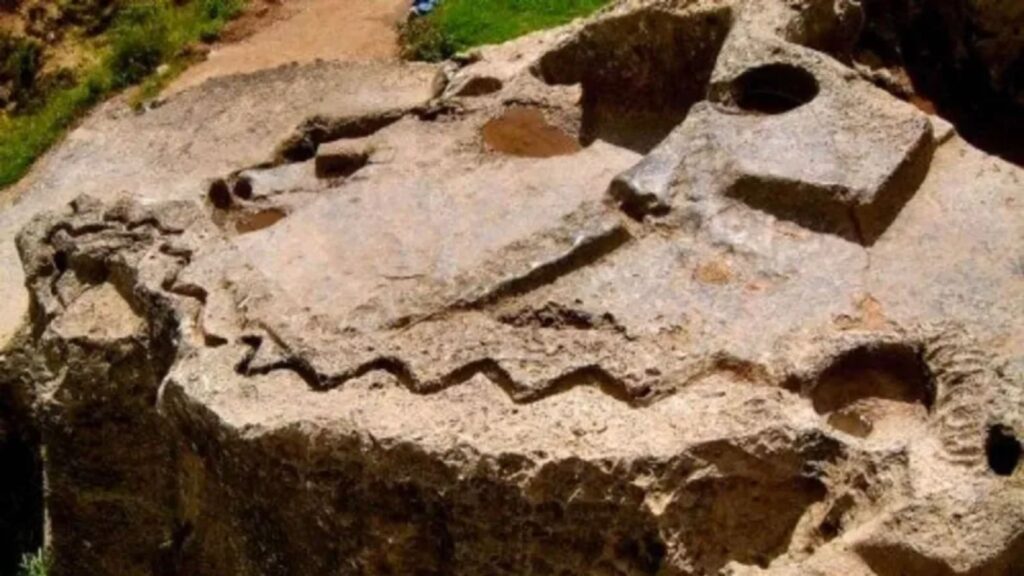
On Qenqo’s main rock you can see narrow, winding channels carved into the surface. Their zigzag shape is one of the elements that best represents the meaning behind the site’s name.
Ceremonial interpretations have been proposed relating to the flow of liquids during rituals. However, there’s no definitive explanation confirming what substance ran through them or the precise purpose of each channel.
Underground galleries and stone altar
Qenqo has interior passages carved into a large rock formation. Inside is a stone surface commonly known as a ceremonial table or altar, though that name reflects an interpretation of its possible use.
This section lets you see up close how the Incas modified natural rock without separating the construction from its surroundings. Access to the galleries may depend on conservation conditions, visitor numbers, and current restrictions at the site.
Intihuatana and rock formations at Qenqo
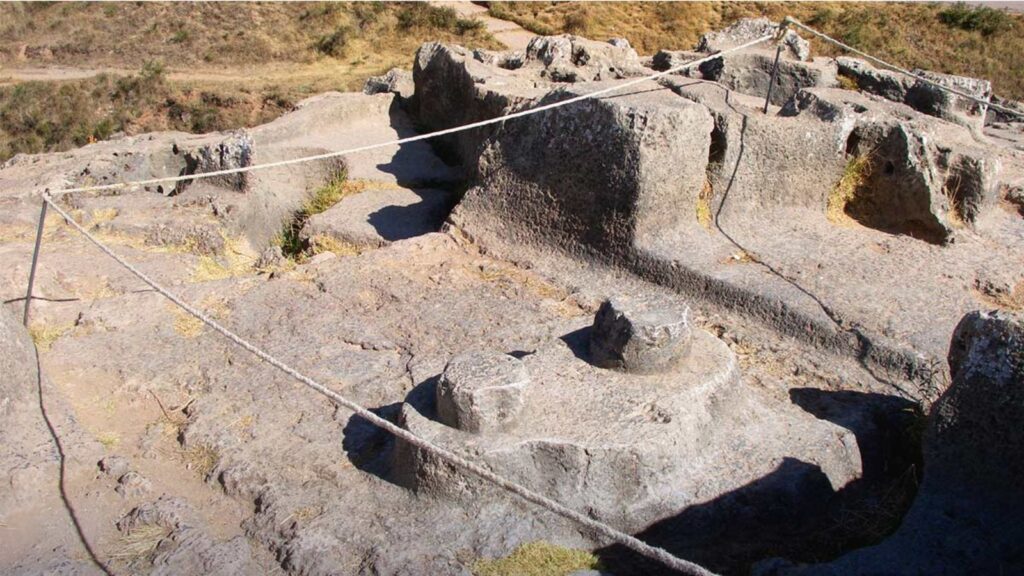
At the upper part of the complex there are worked structures, steps, and rock outcrops. Some are referred to as intihuatana in tourist explanations and have been linked to solar observations or ceremonies tied to the ritual calendar.
The exact function of these features isn’t fully determined. While walking through this area, avoid climbing onto rocks or platforms without authorization, since several areas are protected and have designated access points.
Qenqo Grande and Qenqo Chico
The complex is usually divided into Qenqo Grande and Qenqo Chico. Qenqo Grande contains the amphitheater, the main rock, the channels, and the galleries that receive most visitors.
Qenqo Chico is a short distance away and has less-visited structures. Most guided tours focus on Qenqo Grande, so travelers who want to see the other sections should confirm beforehand whether they’re open and included in the route.
Where Qenqo is located
Qenqo is located about 2 miles from downtown Cusco, in the highlands near Sacsayhuamán and next to the road connecting the city with Pisac. From the Plaza de Armas, the route climbs toward the north side of the city.
Its proximity to Cusco’s archaeological circuit makes it easy to combine with Sacsayhuamán, Puca Pucara, and Tambomachay. If you’re traveling on your own, use an updated map and confirm the correct access point for Qenqo Grande with your driver.
How high up Qenqo is
Qenqo sits at an approximate altitude of 11,745 feet above sea level, higher than Cusco’s historic center. The difference in altitude isn’t extreme, but it can be noticeable if you’ve just arrived from a city at sea level.
It’s a good idea to acclimatize before taking on long walks in this area. Walk slowly, drink water, and avoid pushing yourself if you have a severe headache, unusual shortness of breath, dizziness, or other altitude-related discomfort.
How far Qenqo is from Sacsayhuamán
Qenqo and Sacsayhuamán are very close to each other and are usually included on the same visiting route. The distance between the two sites is short, though the actual travel time depends on the access point, the internal route, and each traveler’s pace.
Visiting both places the same day is a practical option, especially if you already have the Tourist Ticket and are acclimatized. Bring water and keep in mind that some stretches have slopes or uneven terrain.
Qenqo hours
The reference hours for the archaeological parks included in the Cusco Tourist Ticket, Qenqo among them, are usually 7:00 a.m. to 5:30 p.m. The last entry may be subject to staff discretion depending on how much time is needed to tour the site.
Hours can change during festivities, conservation work, weather conditions, or special dates. Before traveling, confirm the current information directly with COSITUC, at the Tourist Ticket point of sale, or at the entrance to the archaeological park.
What’s the best time to visit Qenqo
Early morning is a good option if you’d rather tour Qenqo with fewer visitors and cooler temperatures. You’ll also have more time to visit other nearby sites without rushing.
The afternoon works well for those doing the Cusco City Tour, since Qenqo is usually part of the half-day route. At that time there may be more groups, especially during the dry season and holidays.
How much time you need to visit Qenqo
A visit to Qenqo on your own usually takes between 30 and 60 minutes, depending on your pace, how much time you spend observing each section, and which areas are open. If you’re traveling without a guide, allow a bit more time to get your bearings and read the signage.
On a City Tour, the stop tends to be shorter and more structured, since the itinerary also includes other attractions. This option is useful if you have limited time and want to see several archaeological parks in a single afternoon.
Qenqo entry ticket and the Cusco Tourist Ticket
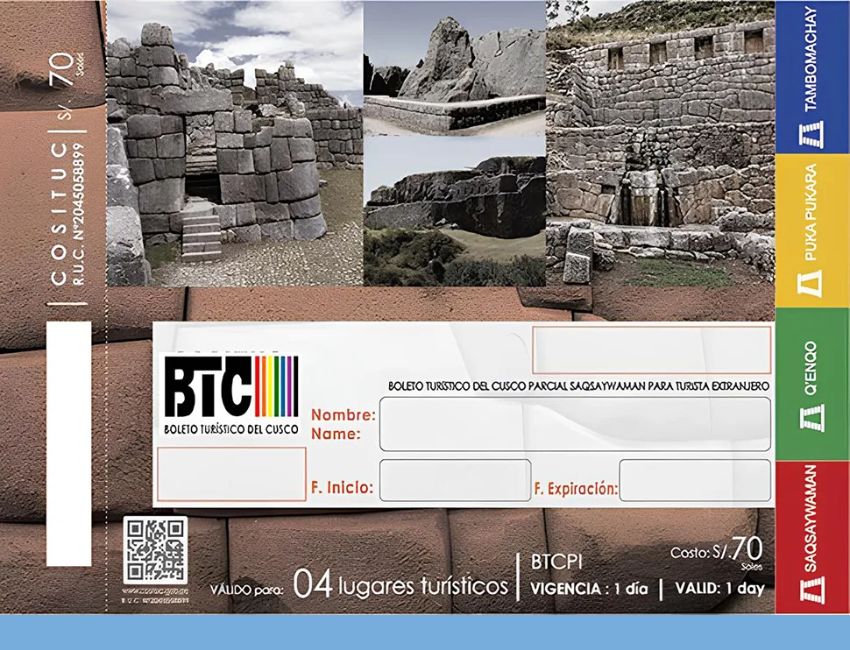
Qenqo is included in the Cusco Tourist Ticket, and generally there’s no separate individual ticket for it. This ticket also grants access to other archaeological sites and museums, depending on the type chosen.
Check the current conditions before your trip, especially if you’re planning to visit several attractions. The ticket is personal, must be presented along with an ID document, and generally isn’t refundable once issued.
Qenqo entry price
Since Qenqo is visited using the Tourist Ticket, the cost depends on the type chosen. According to COSITUC’s reference rate sheet, the Partial Ticket for the archaeological parks circuit costs around USD 19 for foreigners (S/70) and USD 11 for national visitors (S/40).
The Integral Tourist Ticket has a reference price of USD 35 for foreigners (S/130) and USD 19 for national visitors (S/70). Reduced rates are available for students under specific conditions, subject to presenting valid documentation. These amounts should be verified against COSITUC’s official rate sheet before buying, since they can be updated.
Which ticket do you need to visit Qenqo
To visit Qenqo you need the Partial Tourist Ticket for Circuit I or the Integral Tourist Ticket. Circuit I includes Sacsayhuamán, Qenqo, Puca Pucara, and Tambomachay, and is usually valid for 1 day from first use.
The Integral Tourist Ticket includes the archaeological parks in Circuit I, other cultural circuits, and several museums in Cusco. It’s usually valid for 10 days. It’s a more convenient option if you plan to visit places like Pisac, Ollantaytambo, Chinchero, Moray, museums, and other attractions included by COSITUC.
Where to buy the Tourist Ticket for Qenqo
The Tourist Ticket can be purchased at COSITUC’s official points of sale, such as the office on Avenida El Sol in Cusco and other authorized locations. In many cases it’s also sold at the entrances to the main archaeological parks, including the Sacsayhuamán circuit.
Sales availability at each entrance can vary, so it’s a good idea to carry cash in soles and confirm the payment method before heading out. If online purchase is available, verify it directly through COSITUC’s official channels before making any payment.
How to get to Qenqo from Cusco
From Cusco’s historic center you can reach Qenqo on foot, by taxi, by public transportation, or with a City Tour. Taxi is the fastest and most comfortable option; walking lets you take in the area at a relaxed pace, but requires more effort due to the slope and altitude.
Your choice depends on your time, budget, and level of acclimatization. If it’s your first day in Cusco, it’s usually more practical to take a taxi or an organized tour rather than a long uphill walk.
How to walk to Qenqo
To walk there from the historic center, head up toward the Sacsayhuamán area and continue along the road toward Pisac. The route can take approximately 45 minutes to 1 hour and 30 minutes, depending on your starting point and physical condition.
The walk involves slopes, cobblestone streets, and elevation changes. Wear footwear with good soles, bring water, and avoid this option during your first few days if you’re still feeling the effects of the altitude.
How to get to Qenqo by taxi
Taxi is a quick option from the Plaza de Armas or from lodging in downtown Cusco. The ride usually takes between 10 and 20 minutes, depending on traffic and your exact starting point.
Agree on the price before getting in, since most taxis don’t use a meter. As a reference, a ride from downtown can cost approximately USD 3 to USD 6 (S/10 to S/22), though the fare varies depending on the time of day, demand, and negotiation. Use a formal taxi service or one arranged through your lodging.
How to get to Qenqo by public transportation
There are vehicles that travel the road toward Pisac and pass near Qenqo. This option is affordable, but requires confirming the boarding point, the exact stop, and the schedule with updated local information.
Public transportation may not drop you right at the site’s entrance and usually involves an additional walk. It’s a suitable option for travelers already familiar with Cusco who have flexible time, but it’s less convenient than a taxi or a tour.
How to visit Qenqo with the Cusco City Tour
The Cusco City Tour usually combines Qenqo with Coricancha, Sacsayhuamán, Puca Pucara, and Tambomachay. The route includes tourist transportation, an organized itinerary, and professional accompaniment, so you avoid having to coordinate separate transfers.
Keep in mind that the tour service and the Tourist Ticket are separate things: the tour may include transportation and a guide, while access to the sites may require buying the ticket separately, depending on the booking conditions. Learn about the schedules, services, and availability of the Cusco City Tour with Incredible Peru Tours.
Best time to visit Qenqo
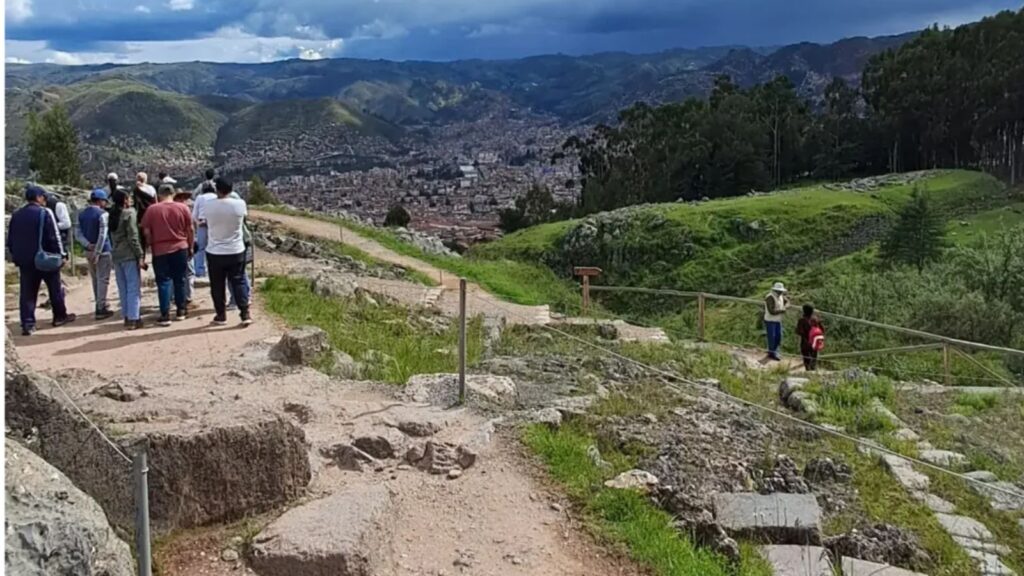
Qenqo can be visited year-round, but conditions change between the dry season and the rainy season. The time of year you choose affects trail conditions, visibility, the color of the landscape, temperature, and how many visitors are around.
The dry season tends to draw more tourism, while the rainy months call for more preparation for wet surfaces and quick weather changes. Regardless of the season, bring sun protection, since UV exposure in Cusco can be intense even under cloudy skies.
Visiting Qenqo during the dry season
The dry season, generally between May and October, brings less rain and paths that are usually more comfortable to walk around Qenqo and nearby sites. Days tend to have better visibility, which is useful if you plan to combine the visit with hikes or viewpoints.
The downside is higher tourist turnout, especially between June and August. There are also sharp temperature swings between day and afternoon, so it’s a good idea to bring a light jacket even when the sun feels strong.
Visiting Qenqo during the rainy season
During the rainy season, generally between November and March, the area around Qenqo tends to look greener. In exchange, it’s common to run into drizzle or heavy rain at certain points during the day.
Wear non-slip footwear, a rain jacket, and protection for your electronic devices. The stone surfaces can be wet, so you should walk more carefully and respect any sections closed for safety or conservation reasons.
Tips for visiting Qenqo
Visiting Qenqo is straightforward if you arrive acclimatized and bring what you need. Even though the tour is short, the altitude, uneven terrain, and sun exposure can affect those who’ve just arrived in Cusco more than expected.
Stick to the marked paths and follow staff instructions. Taking care of the site helps preserve its carvings, galleries, and structures for future visitors.
What to bring to Qenqo
Bring your ID and the Cusco Tourist Ticket, since they may be requested at entry. It’s also a good idea to bring water, sunscreen, a hat or cap, and a small backpack so you can walk around comfortably.
Wear non-slip footwear, layered clothing, and a light jacket, since the weather can change during the visit. During the rainy season, add waterproof protection and avoid bringing items that could be damaged by moisture.
What you can’t do at Qenqo
You shouldn’t touch, scratch, or damage the stone structures. It’s also not allowed to climb into unauthorized areas, cross safety barriers, or enter restricted spaces, even if they seem accessible.
Don’t leave trash or food inside the site. Follow the instructions of the staff on duty and keep a reasonable distance from fragile areas, especially the galleries and worked rock formations.
Is it advisable to visit Qenqo on your first day in Cusco
Qenqo can be visited on your first day if you’ve already rested, feel well, and choose a comfortable way to get there. A taxi ride or a City Tour is usually more advisable than walking up from the historic center right after arriving in Cusco.
If you experience altitude-related discomfort, such as a severe headache, nausea, or excessive fatigue, it’s better to postpone the visit. Dedicating your first day to gentle activities can help you adjust before touring higher areas.
What to know before visiting Qenqo
This summary brings together the practical details worth checking before planning your visit. Hours, rates, and entry conditions can change, so confirm them through COSITUC’s official channels before your trip.
| Detail | Practical information |
|---|---|
| Location | About 2 miles from Cusco’s Plaza de Armas, near Sacsayhuamán and the road toward Pisac. |
| Approximate altitude | 11,745 feet above sea level |
| Reference hours | 7:00 a.m. to 5:30 p.m. Check for possible changes before your visit. |
| Entry type | Partial Tourist Ticket for Circuit I or Integral Tourist Ticket. |
| Circuit I validity | Generally 1 day, subject to COSITUC’s current conditions. |
| Integral Ticket validity | Generally 10 days, subject to COSITUC’s current conditions. |
| Visit time | 30 to 60 minutes on your own. Less time as part of a City Tour. |
| How to get there | Taxi, walking from downtown, local transportation toward Pisac, or an organized tour. |
| Main recommendation | Visit with non-slip footwear, water, sun protection, and enough acclimatization. |


