
If there is one variable that influences the quality of the second day of the Inca Trail more than anything else the hardest stage, the one that determines whether the trek feels energized or like pure survival it is not your fitness level, your gear, or the agency you book with. It is how many days you have spent in Cusco before putting on your boots at kilometer 82.
Altitude acclimatization is not a whim from guides or a recommendation pulled from a tourist brochure. It is a real biological response of the body, one that follows its own timeline and that no pill, herbal tea, or breathing technique can fully replace. Understanding what happens in the body during that process and how to support it is one of the best time investments you can make before you start walking.
what happens to your body when you arrive in Cusco
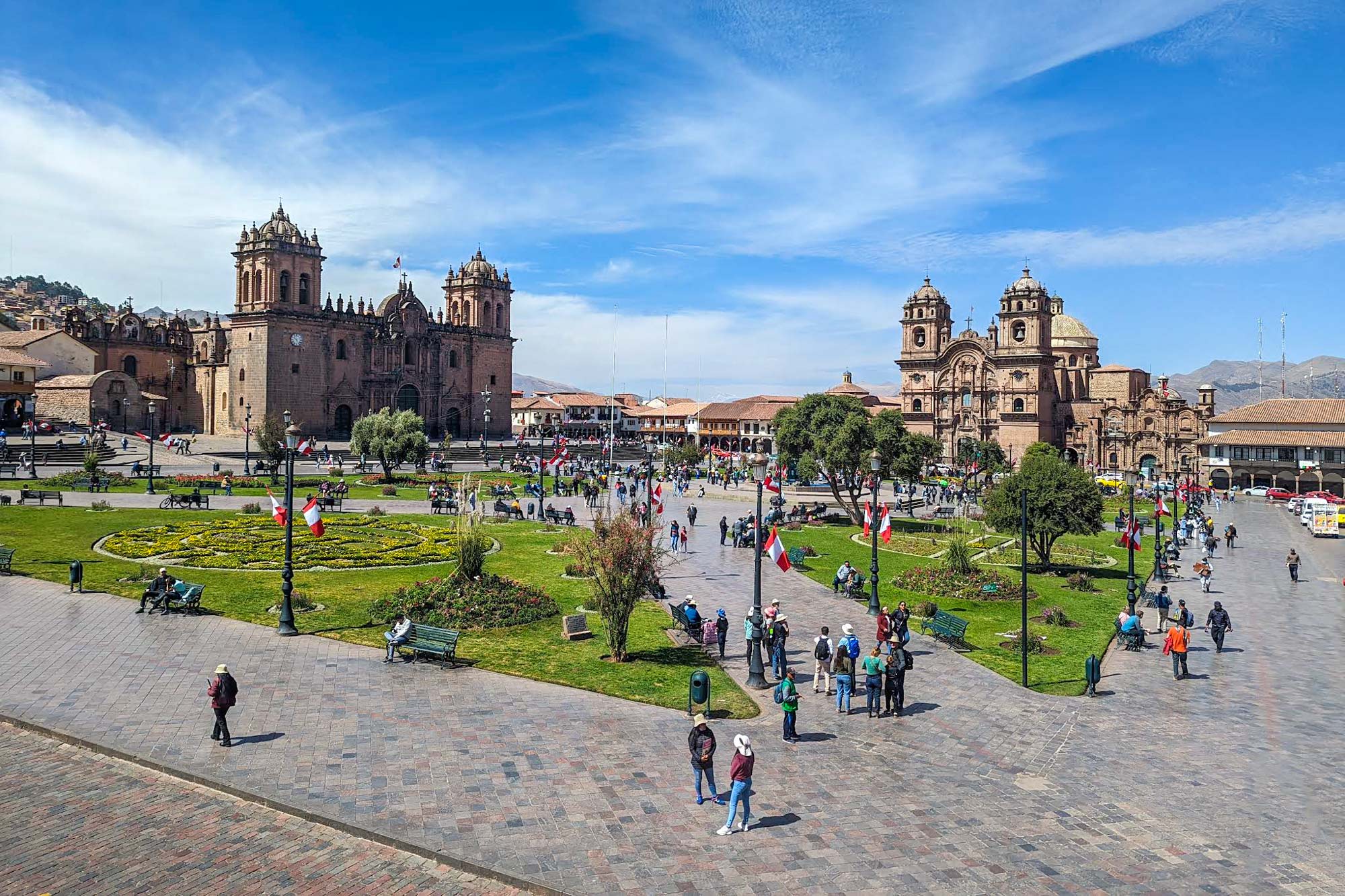
Cusco sits at 3,400 meters above sea level. At that altitude, atmospheric pressure is about 30% lower than at sea level, which means that each breath delivers less oxygen to the body than it is used to receiving. The body interprets that situation as a deficit and activates a series of adaptation mechanisms to compensate for it.
The most important of these is an increase in the production of red blood cells, the cells responsible for carrying oxygen from the lungs to the tissues. That process takes between 48 and 72 hours before it starts to become noticeable in physical performance, and it can continue for weeks until full adaptation is reached. During the first hours and days in Cusco, before that extra production begins to make a difference, the body functions less efficiently than usual: it gets tired sooner, needs more time to recover, and may show symptoms ranging from a mild headache to nausea, loss of appetite, and insomnia.
Those symptoms are soroche, or altitude sickness, and they are completely normal during the first few days at that elevation. They do not mean that something is wrong or that the body is unable to adapt. They mean that the adaptation process is underway and that it needs time.
how many days do you really need: the honest answer
The standard answer given by most agencies and travel guides is two days. And that is correct as a minimum, not as a guarantee. Two nights in Cusco before starting the Inca Trail are the starting point below which the risk of having a very hard second day increases significantly. But two days do not guarantee full acclimatization: they are enough for the body to have started the process and for the most acute symptoms of the first day to have eased.
Three days is the margin most experienced guides recommend when the traveler has a history of being sensitive to altitude, when they are coming from a city at sea level with no previous high-altitude exposure, or when having a strong second day on the Inca Trail is a priority they want to experience with real energy and not just get through. With 72 hours of adaptation in Cusco, the difference in performance on the trail is noticeable and backed by the experience of thousands of trekkers who have done the route with different amounts of prior acclimatization time.
For people coming from mid-elevation cities between 1,500 and 2,500 meters above sea level, the process may be a little faster because the body already has some prior adaptation. For those coming from sea level, especially from coastal cities such as Lima, Miami, or Madrid, two days are the absolute minimum and three are the real recommendation.
what to do during your adaptation days in Cusco
The days before arriving in Cusco are not days of complete rest. Gentle movement actually helps the adaptation process because it stimulates circulation and breathing without putting too much strain on the cardiovascular system. What you need to avoid is intense effort, not moderate activity.
The first day is the most critical. If you arrive by plane from Lima or from abroad, the altitude change is abrupt and the body may take several hours to stabilize. The most recommended approach is to rest at the hotel for the first few hours, drink water frequently hydration speeds up adaptation and eat light meals. Avoid alcohol completely for the first 48 hours: at that altitude, the liver processes alcohol differently and its effects are amplified, causing additional dehydration that worsens the symptoms of soroche.
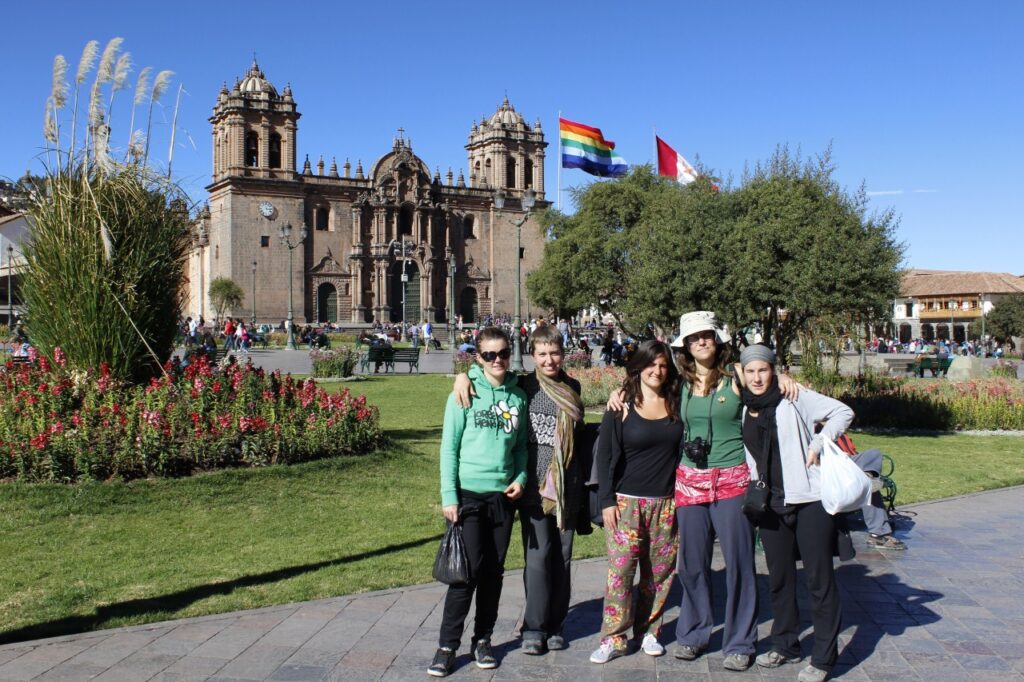
The second day is a good time to begin with short walks through Cusco’s historic center. The city has enough attractions to fill a day with moderate activity without leaving the 3,400-meter elevation: Qoricancha, Plaza de Armas, San Pedro Market, and the neighborhoods of San Blas and Santa Ana. Walking at an easy pace for two or three hours activates deeper breathing without overloading the system. If you feel good by the end of the day, that is a positive sign that the adaptation is moving forward.
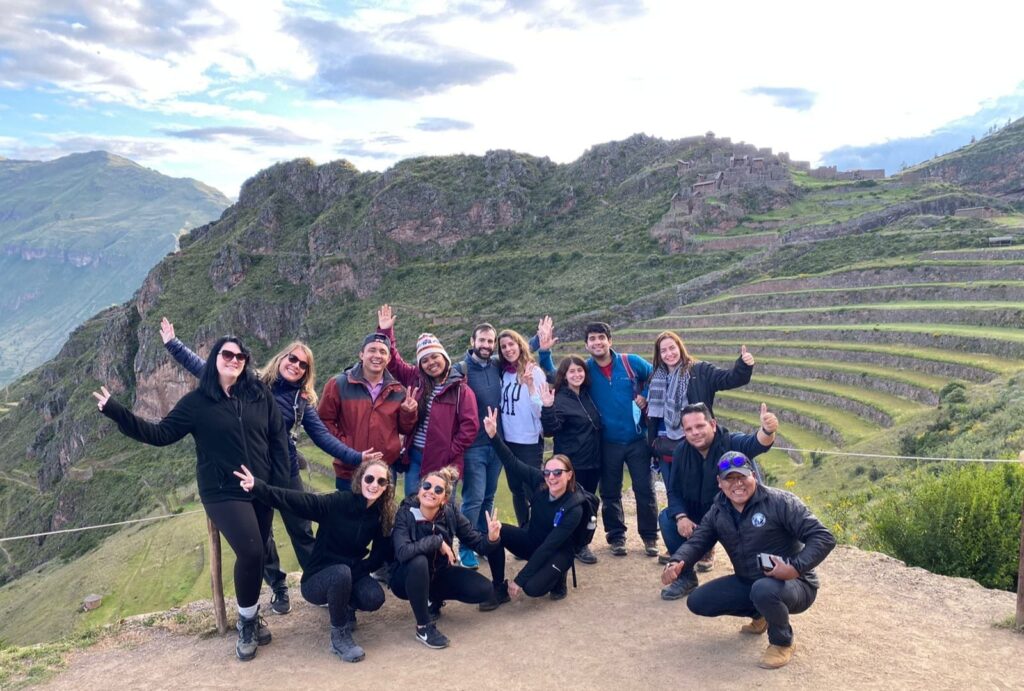
The third day, if you decide to take it, is ideal for an excursion to the Sacred Valley. The main sites in the valley Pisac, Ollantaytambo, and Chinchero sit at elevations ranging from 2,800 to 3,800 meters, which allows you to move within a similar altitude range to Cusco and, in some places, slightly lower. That light vertical movement is one of the most effective ways to prepare the body for the effort of the second day of trekking, and it also gives you a first introduction to the Sacred Valley landscape, enriching your understanding of everything you will later see on the Inca Trail.
coca tea: what it does and what it does not do
At any hotel, restaurant, or shop in Cusco, you will be offered coca tea almost as soon as you arrive. It is a cultural practice deeply rooted in Andean communities for centuries, and there is a real basis for its effects: coca leaves contain alkaloids that act as mild stimulants, improve tissue oxygenation, and reduce the perception of fatigue at certain altitudes.
What coca tea does not do is replace biological adaptation. It may ease the mild headache of the first few days, improve mood, and create a feeling of greater energy, but it does not speed up red blood cell production or eliminate the risk of severe altitude sickness in people who have not given the body enough time to adapt. It is a useful supplement, not a solution.
Coca leaves in tea form or chewed, as Andean people commonly do, are legal in Peru and do not create dependence in the occasional use that comes with a trip. If you plan to travel to countries where coca is classified as a controlled substance immediately after your stay in Peru, keep in mind that some drug screening tests may come back positive for coca alkaloids for several days after your last use.
medications for altitude sickness: when they make sense
Acetazolamide, commercially known as Diamox, is the most commonly used medication for the prevention and treatment of altitude sickness. It works by stimulating breathing and speeding up the adaptation process to altitude. In some contexts, it makes sense to use it, but it is not a universal solution and should not be taken without prior medical consultation.
The most common side effects of acetazolamide include increased urination, tingling in the hands and feet, and in some cases changes in taste. In addition, it is contraindicated for people allergic to sulfonamides and for those taking certain diuretics or blood pressure medications. Taking it without a prescription and without knowing the possible interactions with other drugs you regularly use is an unnecessary risk.
If you have a history of sensitivity to altitude on previous trips, or if your doctor believes the risk of severe altitude sickness is high in your particular case, consulting before the trip to evaluate whether acetazolamide is right for you makes complete sense. For most healthy people who acclimatize properly in Cusco, the medication is not necessary.
signs that indicate you need more time before starting
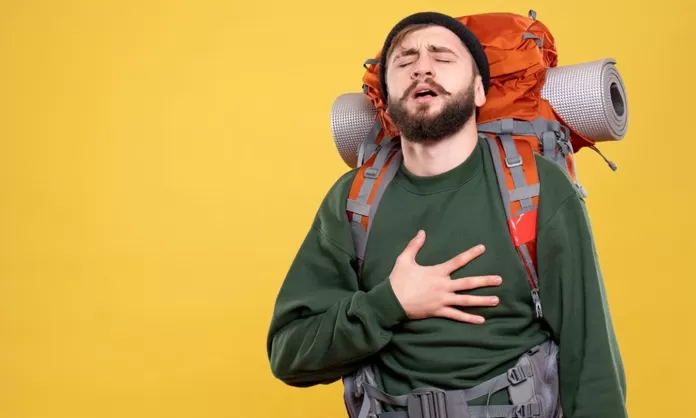
There are symptoms that indicate the body is still not ready for the effort of the Inca Trail and needs more time to adapt before you set foot on the trail. If, on the morning you are scheduled to start the trek, you experience any of these symptoms, informing the agency and postponing your departure is the right decision:
- Severe headache that does not improve with acetaminophen or ibuprofen after several days in Cusco.
- Persistent nausea or vomiting beyond the first day after arrival.
- Difficulty breathing at rest or a feeling of shortness of breath without physical effort.
- Severe insomnia for several consecutive nights, especially if it is accompanied by the previous symptoms.
- Disorientation or difficulty concentrating on simple activities, which may indicate a more serious form of altitude sickness that requires immediate descent and medical attention.
The first symptoms on the list are uncomfortable but manageable with extra rest and one more day of adaptation. The last one is a warning sign that should not be ignored and requires descending to a lower altitude and consulting a doctor before making any other decision about the trek.
recommended itinerary: how to organize the days before Cusco
If you have three days before starting the Inca Trail and want to use them in a way that truly contributes to adaptation, this is the outline most guides with high-altitude trekking experience in the region recommend:
Arrival day: Direct transfer from the airport to the hotel, rest during the first few hours, constant hydration, light lunch and dinner, coca tea, no alcohol. Go to bed early.
First full day in Cusco: Moderate walk through the historic center, visit to Qoricancha and the viewpoints of San Cristóbal or San Blas. No more than three hours of continuous activity. Rest in the afternoon. Early dinner without overdoing it.
Second full day in Cusco: Excursion to the Sacred Valley, Pisac or Ollantaytambo, with time to walk through the archaeological sites at a relaxed pace. Return to Cusco before the afternoon. Prepare your gear for the next day. Light dinner and rest.
Day the Inca Trail begins: Transfer to the train station or directly to kilometer 82. The body has been adapting for 72 hours. It is not complete adaptation, but it is the best starting point that the timing of a standard trip usually allows.
Would you like to organize your acclimatization days in Cusco as part of a package that includes the Inca Trail? At Incredible Peru Tours, we design itineraries that combine prior adaptation with visits to the Sacred Valley, the city of Cusco, and nearby archaeological sites, so you can reach the trail in the best possible condition.


