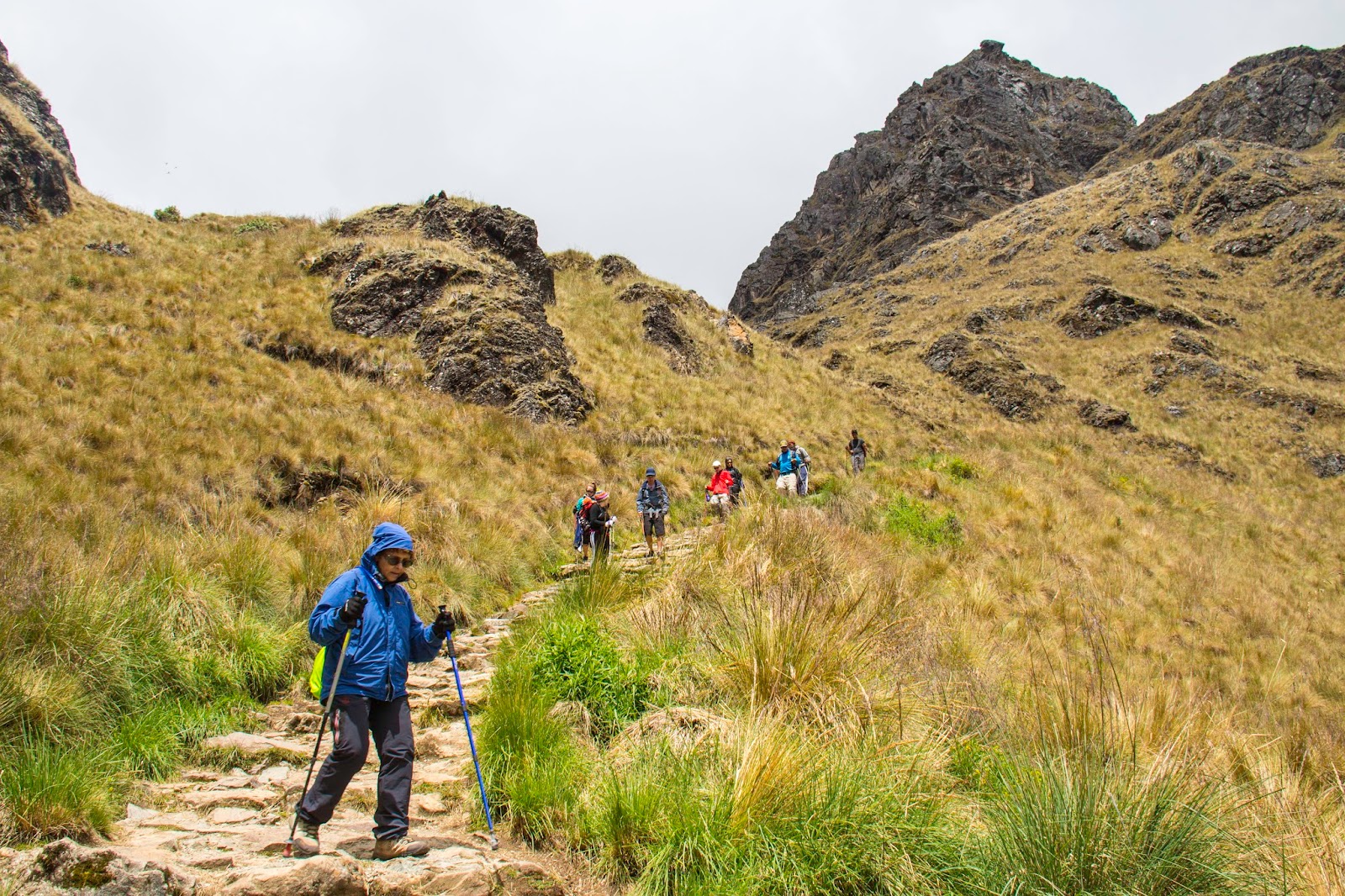
At Incredible Peru Tours, we prepare groups for the Inca Trail every week, and the difference between travelers who arrive properly equipped and those who realize at the Wayllabamba campsite that they forgot something important is almost always the same: not reviewing the checklist with enough time before leaving home. This checklist is organized by categories, designed specifically for the Classic 4-Day Inca Trail, and clearly distinguishes between what the agency provides and what is each participant’s responsibility.
Documents and money
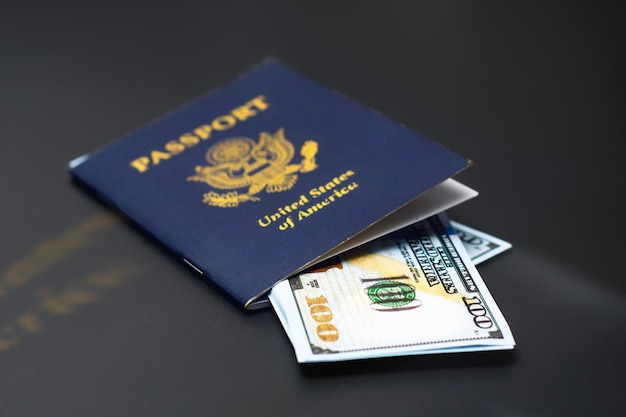
- Original passport, essential. The checkpoint at Kilometer 82 verifies the permit against the physical document. Without the original passport, there is no access to the trail.
- Inca Trail permit: the agency handles it, but it is recommended to carry a printed copy or have it downloaded offline just in case.
- Machu Picchu entrance ticket downloaded with offline access on your phone.
- Copy of the voucher or confirmation of the booked package.
- Travel insurance with coverage for high-altitude trekking, remote-area evacuation, and trip interruption.
- Between 100 and 200 soles in cash for checkpoint restrooms, tips, and small expenses in Aguas Calientes.
- Debit or credit card for emergencies in Aguas Calientes.
Trekking clothing: the layering system
- 3 quick-dry technical shirts made from synthetic fabric or merino wool. No cotton.
- 1 or 2 quick-dry trekking pants made from technical fabric.
- 2 or 3 pairs of technical underwear made from synthetic fabric or merino wool.
- 3 pairs of mid-weight merino wool socks, the most important footwear accessory for preventing blisters.
- 1 medium-weight fleece or lightweight down jacket as an insulating mid-layer.
- 1 waterproof and windproof jacket with hood as the outer layer. Essential for crossing Dead Woman’s Pass and for rainy sections on the third day.
- 1 pair of waterproof pants or gaiters, especially during the wet season and transition months.
- 1 wool or fleece hat for campsite nights and the early morning of the fourth day.
- 1 pair of lightweight gloves for sunrise on the second day at Dead Woman’s Pass and the nighttime departure on the fourth day.
- Comfortable camp clothes: pants and an indoor shirt, different from your trekking clothes.
- Dedicated sleeping socks and hat, especially for the nights in Wayllabamba and Pacaymayo.
Footwear
- Waterproof hiking boots with firm-grip soles and mid or high ankle support. The most important requirement: they must be broken in before the trek. Wearing brand-new boots at Kilometer 82 is the mistake that causes the most blisters on the entire route.
- Light sandals or flip-flops for the campsite. Your feet need to get out of the boots at the end of each day.
Technical gear
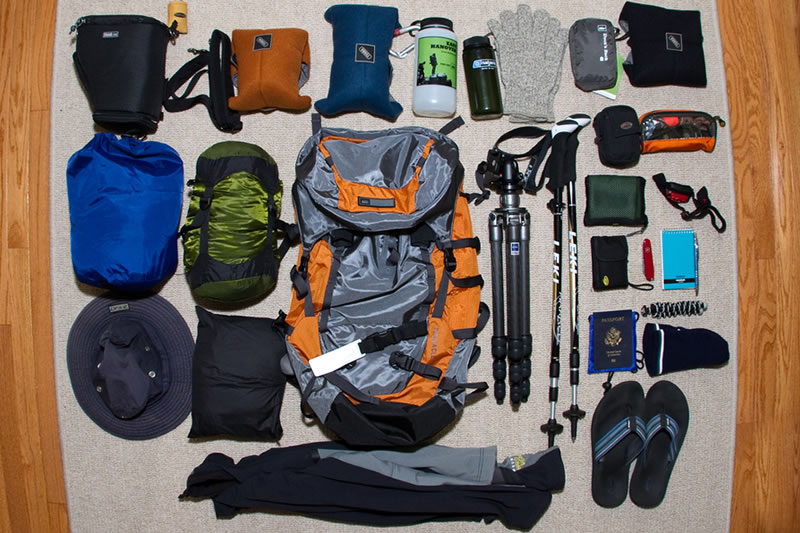
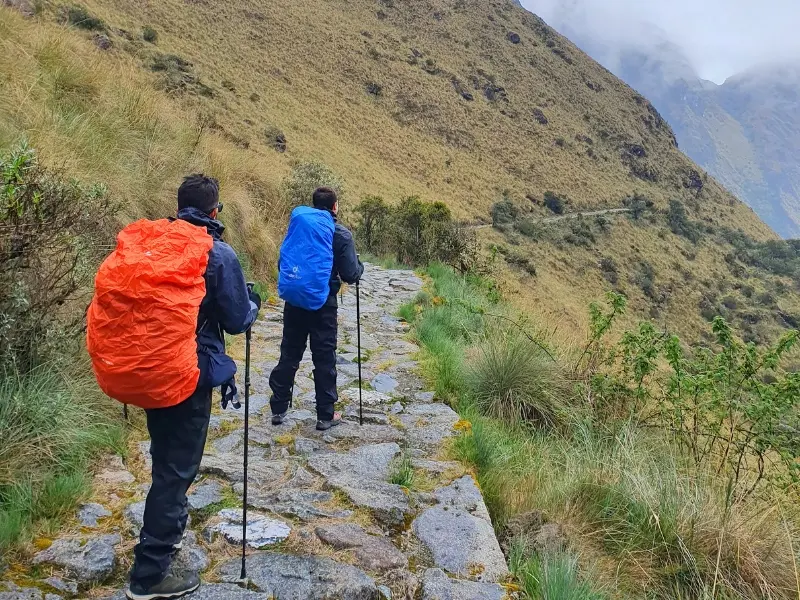
- 20 to 30-liter daypack with a waterproof rain cover. The porters carry the camping equipment: the daypack only needs what is used during hiking hours.
- Trekking poles, either your own or rented in Cusco for between 8 and 15 dollars for the entire trek. Essential on the descents of the second and third days, especially on the stairways from Phuyupatamarca to Wiñay Wayna.
- Headlamp with spare batteries. Essential for the nighttime departure on the fourth day toward the Sun Gate and useful around the campsites at dusk.
- Water bottle of at least 1 liter or a hydration bladder system.
- Water purification tablets or a portable filter for refilling from streams along the trail.
Sleeping bag and bedding
- Sleeping bag rated for 0°C comfort temperature or lower according to the European EN 13537 standard. The Pacaymayo campsite, the coldest night of the trek at 3,600 meters, can drop several degrees below freezing. Verify the temperature rating of the sleeping bag provided by the agency before confirming your reservation.
- Silk or lightweight cotton sleeping bag liner. It adds between 3 and 5 degrees of perceived warmth and keeps the agency’s sleeping bag in better condition.
Hygiene and personal care
- Antibacterial wet wipes, between 10 and 15 large wipes for days without access to showers.
- Small bottle of antibacterial gel for cleaning hands before meals and after using campsite restrooms.
- Dry shampoo for the days without access to hot water.
- Travel-size toothbrush and toothpaste.
- Compact microfiber towel for the hotel shower in Aguas Calientes on the fourth day.
- Toilet paper in a waterproof bag. Restrooms at the checkpoints do not always have paper available.
- Resealable plastic bags for managing trail waste between restroom facilities.
- Non-aerosol deodorant.
- SPF 50 sunscreen or higher. The altitude reduces atmospheric filtering, and UV radiation is significantly more intense than at sea level.
- Lip balm with sun protection. Lips dry out quickly at high altitude due to the combination of wind, low humidity, and radiation.
- Insect repellent for the dense vegetation sections on the third day toward Wiñay Wayna.
Personal first aid kit
- Paracetamol or ibuprofen for altitude headaches, the most common symptom on the second day.
- Hydrocolloid blister bandages such as Compeed in different sizes. Applying them at the first sign of friction, before the blister forms, is much more effective than treating it afterward.
- Anti-diarrheal medication and antacid for the dietary and altitude changes during the first days.
- Antihistamine if you are sensitive to insects or plants.
- Kinesiology tape or elastic bandage for stabilizing the ankle or knee in case of discomfort.
- Your regular personal medication with enough supply for 4 days plus an extra reserve.
- Acetazolamide (Diamox) if prescribed by your doctor for altitude sickness prevention.
Photography and electronics
- Cell phone fully charged before leaving Cusco. There will be no electrical outlets available at the campsites.
- Power bank with enough capacity for 2 or 3 full phone charges.
- Phone charging cable.
- Camera if bringing one separately from your phone, along with spare memory cards.
- Waterproof case or bag to protect electronic devices from rain and morning dew.
- Headphones with music or podcasts downloaded offline. There will be no signal during the four days of the trail.
Personal trail snacks
- Nuts or a trail mix of nuts and chocolate for the long stretches between meals.
- Energy bars or granola bars.
- Dried fruit.
The agency provides the main meals and, in many packages, snacks at rest stops as well. However, carrying some personal snacks in your backpack pocket for the second day, the most physically demanding stage, is a precaution many participants in Incredible Peru Tours groups appreciate when the ascent to Dead Woman’s Pass starts demanding extra fuel.
What you do not need to bring: leave these items at your hotel in Cusco
The camping equipment, tents, sleeping pads, agency sleeping bags, and all food are carried by the porters. The daypack only contains what is used during hiking hours. These items should not be in that backpack:
- Too many changes of clothes: with the correct layering system, three technical shirts are enough for four days.
- Physical books or entertainment tablets: your phone with offline content serves the same purpose without the extra weight.
- Casual clothes for Cusco: leave them at the hotel and pick them up upon your return.
- Additional footwear besides hiking boots and camp sandals.
- Full-size hygiene products: travel-size versions are enough for four days.
- Umbrellas: they are not practical on the trail, and a waterproof jacket works much better on the Inca Trail.
Final checklist before leaving Cusco
The night before starting the Inca Trail, these six points are the most important to verify:
- Original passport in your daypack, not in the luggage staying at the hotel.
- Headlamp charged and stored in an easily accessible outer pocket without needing to open the backpack.
- Machu Picchu ticket downloaded offline on your phone.
- Trekking poles collected and locking system checked.
- Cash in soles in your pants pocket or in an outer backpack pocket.
- Hydrocolloid blister bandages stored in an accessible place for the first day, not at the bottom of the backpack.
Do you have questions about exactly what equipment is included in the package and what you need to bring yourself? At Incredible Peru Tours, we send every confirmed group a personalized packing list before departure, clearly indicating what the agency provides and what is each participant’s responsibility. Contact us before booking, and we will gladly provide information with no obligation.


