

Choosing the right time for your flight directly affects what you will see and how you will feel during the flight. Not all time slots offer the same conditions: wind, light, and temperature change throughout the day and affect both the visibility of the figures and the stability of the aircraft. This guide covers the different time slots, explains what the weather conditions are like during each one, and what factors may require you to change your scheduled flight time.
The best time overall
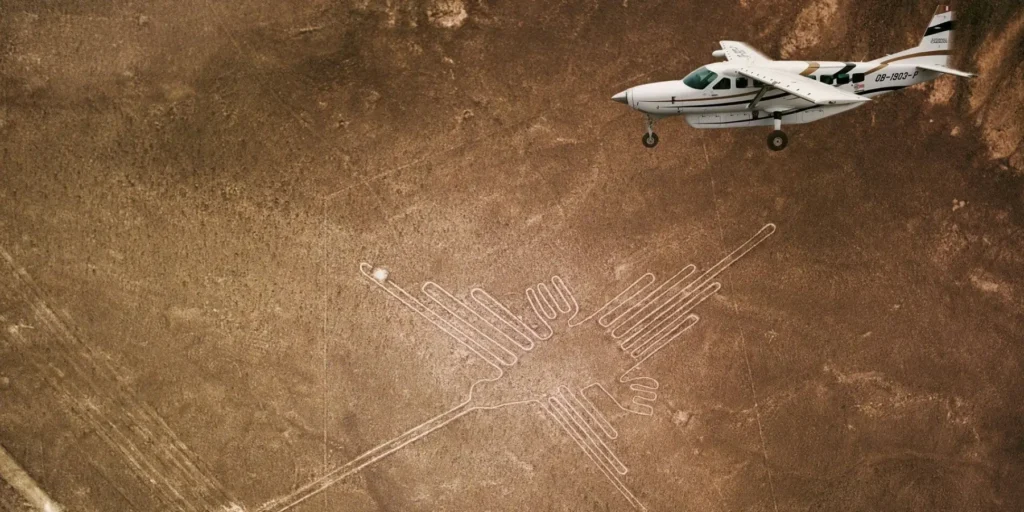
Early morning, between 8:00 and 10:00 a.m., is usually the most recommended time. At that hour, the air is cooler and more stable, there is less turbulence, and the side lighting highlights the outlines of the geoglyphs against the desert. As the day progresses, the ground heats up and creates air currents that make the flight bumpier.
Flying at sunrise (first flights)
The first flights offer the calmest air of the day, but they depend on one important condition: visibility. Very early in the morning, there may be fog or insufficient light, making it difficult to distinguish the figures. For this reason, departures do not always coincide with the opening of the airfield, but rather with the moment when the sky clears. If the sky is clear at sunrise, it is one of the best times to fly.
Flying in the mid-morning (8:00 to 10:00 a.m.)
This is the most balanced time slot and the one most operators choose. The wind is still light, the temperature is moderate, and the side lighting highlights the relief of the geoglyphs, improving their contrast against the desert. Because of these same advantages, it is also the first time slot to fill up during peak season.
Flying at noon
Around noon, conditions begin to change. The high sun reduces shadows and flattens the contrast of the figures, making them appear less defined. In addition, the ground is already warm and creates rising air currents that make the flight less stable and increase the likelihood of motion sickness. It is an acceptable time slot if you cannot get an early flight, but it is less favorable.
Flying in the afternoon
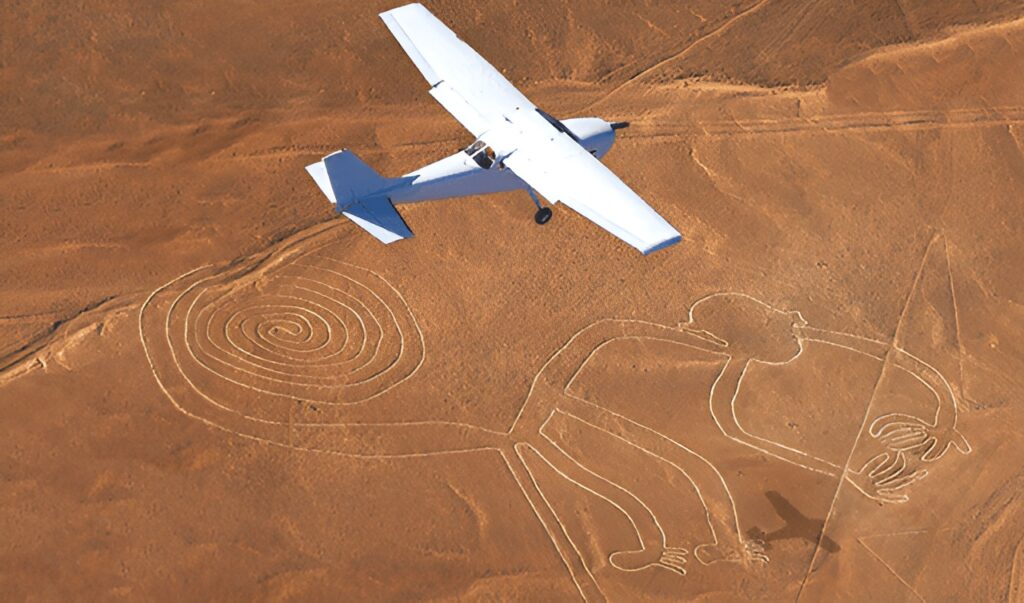
The afternoon is generally the least recommended time. Winds over the desert plains tend to become stronger, increasing turbulence and, in extreme cases, forcing flights to be delayed or canceled. If the afternoon is your only option, keep your itinerary flexible, as this is the time when schedule changes are most likely.

Other factors that may affect your flight time
Beyond the weather, there are logistical conditions that may affect your assigned flight time:
- Demand: during peak season, morning slots sell out first, and if you book with little advance notice, only spaces around noon or in the afternoon may remain.
- Passenger weight and organization: aircraft balance their load according to passenger weight, so operators may sometimes reorganize groups and adjust departure times.
- Daily operating conditions: aircraft maintenance, pilot availability, or congestion at the airfield may also affect the schedule.
It is best to consider your reserved flight time as a reference rather than as something fixed.
How to reduce the risk of schedule changes
Book the first available morning flight and confirm the operation the night before. Arrive at the airfield early so you do not lose your spot if a departure is moved forward, and leave some flexibility in your itinerary for the day in case the flight is delayed. If the flight is part of a longer tour, avoid scheduling tight transfers immediately afterward.


