
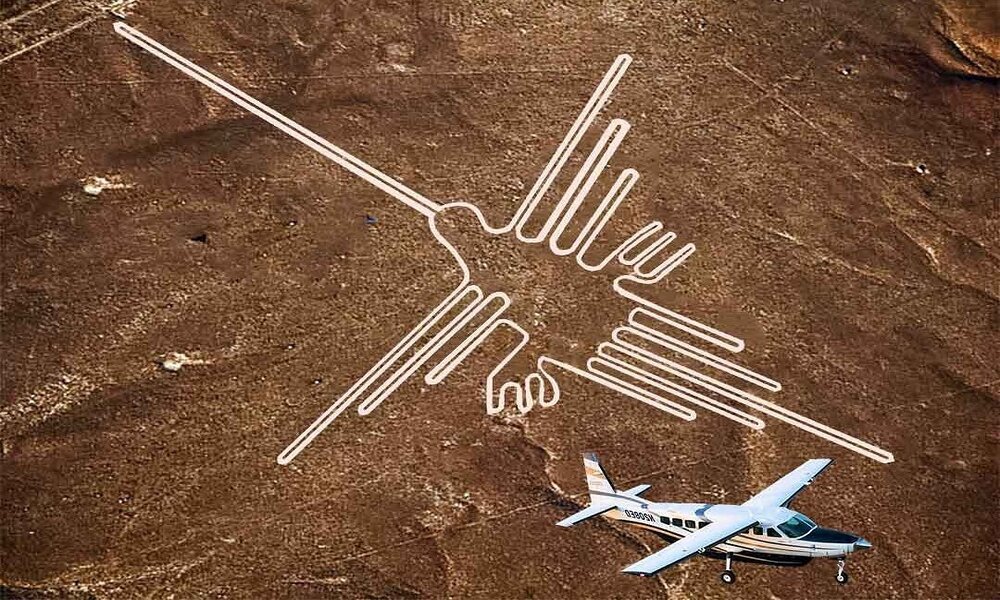
The Nazca Lines are one of Peru’s greatest mysteries: hundreds of figures drawn across the desert more than fifteen hundred years ago, fully visible only from the air. A small-plane flight is the most complete way to appreciate them, and in this guide you will find the practical information you need to plan your visit: how much it costs, how long it lasts, which figures you will see, and how to prepare for the experience.
What are the Nazca Lines?
They are a group of geoglyphs located on the Jumana plains in the Ica region. They were created by the Nazca culture between 500 B.C. and A.D. 500 by removing the dark stones from the surface to expose the lighter-colored ground underneath. They have been a UNESCO World Heritage Site since 1994, and their size and precision continue to inspire studies about how and why they were created.
Flight prices
The cost of a standard flight usually ranges from $80 to $120 per person, depending on the season, the airline, and the departure point. An airfield usage fee is usually added to this amount, which is around 25 to 30 soles and is paid separately.
It is a good idea to book in advance during peak season (June to August) and confirm what is included in the rate before paying, since some operators charge separately for transportation from the hotel.
Flight duration
The flight lasts between 30 and 35 minutes in the air. If you include check-in, passenger weighing, the safety briefing, and possible waiting times due to wind conditions, you should allow between 1.5 and 2 hours from start to finish at the airfield.
Flights generally depart from María Reiche Airfield in the city of Nazca itself. There is also the option of flying from Pisco, which is useful if you are coming from Lima and do not want to travel all the way down to Nazca by road.
Which figures will you see?
The plane flies over the most representative figures, banking to both sides so that all passengers can see them. The main ones include:
- The Hummingbird, one of the best-known and best-preserved figures.
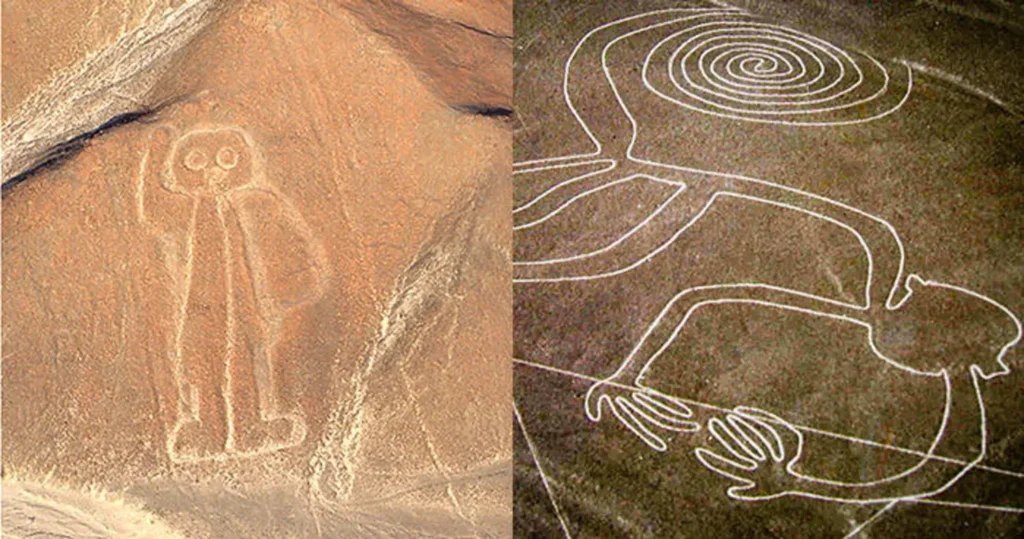
- The Monkey, with its spiral tail.
- The Condor, with its impressive wingspan.
- The Spider, The Astronaut (or “The Man”), The Dog, The Tree, and The Hands.
The pilot usually announces each figure before flying over it and indicates which window it will appear through.
What to expect before, during, and after
Before the flight
Eat a light meal. Flying with a very full or completely empty stomach can increase discomfort. Avoid heavy meals during the hour before the flight. Bring your ID or passport, since it is required for check-in, and wear comfortable clothing. If you are prone to motion sickness, you can take motion sickness medication about 30 to 45 minutes beforehand.
During the flight
The plane makes sharp turns to show each geoglyph, and these movements may cause motion sickness in some people. Keep your eyes on the horizon when you are not looking at a figure and breathe slowly. Have your camera ready, but prioritize looking directly at the figures: they appear and disappear within seconds.
After the flight
It is normal to feel slightly disoriented during the first few minutes after landing. Walk around a little and stay hydrated. If you plan to continue traveling the same day, leave some time to rest before getting back on the road.
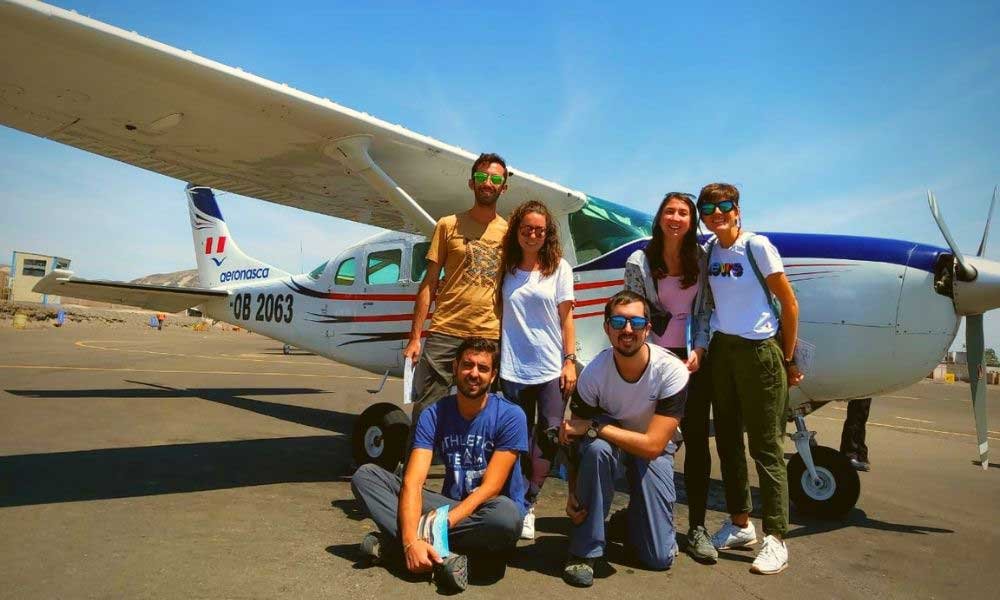
Recommendation for organizing your visit
Nazca fits very well into a broader itinerary through Peru’s coast and southern highlands. If you have more days available, a 10-day Peru package allows you to combine the flight with destinations such as Paracas, Arequipa, Colca, Puno, and Cusco, making better use of travel time and avoiding having to go back and forth along the same route.
Tip for this tour
The best time to fly is early in the morning, when the wind is calmer and the light improves the visibility of the figures. Book that time of day whenever possible and confirm the operation the night before, since flights depend on weather conditions.


