
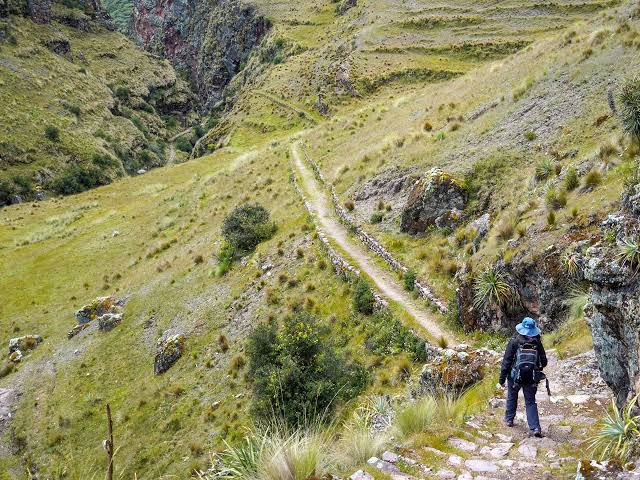
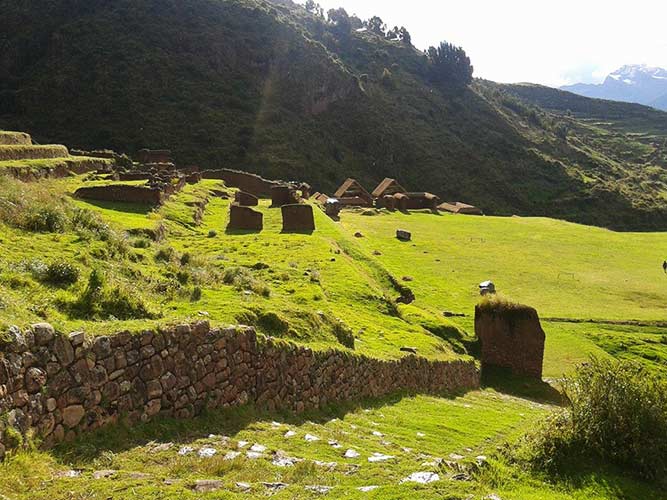
Huchuy Qosqo sits on a high plateau in the Sacred Valley of the Incas, in the province of Calca. The archaeological site is located at approximately 3,677 meters above sea level and about five kilometers south of the town of Calca.
Unlike other archaeological attractions around Cusco, there is no road that reaches Huchuy Qosqo directly. The final stretch always has to be done on foot. The best-known routes start in Lamay, Tambomachay, and the Tauca sector, near Chinchero.
What is the easiest way to reach Huchuy Qosqo?
The shortest route begins in Lamay, within the Sacred Valley. From Cusco you first travel to Lamay and then start a hike of roughly two to three hours up to the archaeological site.
Although it is the shortest route, much of the path is uphill. For that reason, it is not necessarily the easiest option for someone who is not used to walking at altitude.
Travelers who want a more complete trekking experience usually begin at Tambomachay, Patabamba, or Tauca and finish by descending toward Lamay.
Main routes to reach Huchuy Qosqo from Cusco
1. Cusco–Lamay–Huchuy Qosqo route
This is the most direct option for travelers who have little time.
First stretch: from Cusco to Lamay
From Cusco you take transportation heading toward Pisac, Calca, or the Sacred Valley and ask to be dropped off in Lamay. Departure points and public transportation schedules can change, so it is a good idea to confirm the details locally before your trip.
The drive follows the road from Cusco toward Pisac and continues through the Sacred Valley until reaching Lamay.
Second stretch: the hike from Lamay
From the outskirts of Lamay, an uphill trail begins toward Huchuy Qosqo. The climb usually takes between two and three hours, depending on your pace, your acclimatization, and trail conditions.
The main difficulty of this route is the elevation gain. Lamay lies in the lower part of the valley, while Huchuy Qosqo sits on a high plateau.
Route features:
- Hiking time: approximately two to three hours uphill.
- Difficulty: moderate, with a steep ascent.
- Recommended for: travelers with limited time and good physical condition.
- Return: descent along the same trail back to Lamay.
It is important to leave enough time to visit the site and descend before dark.
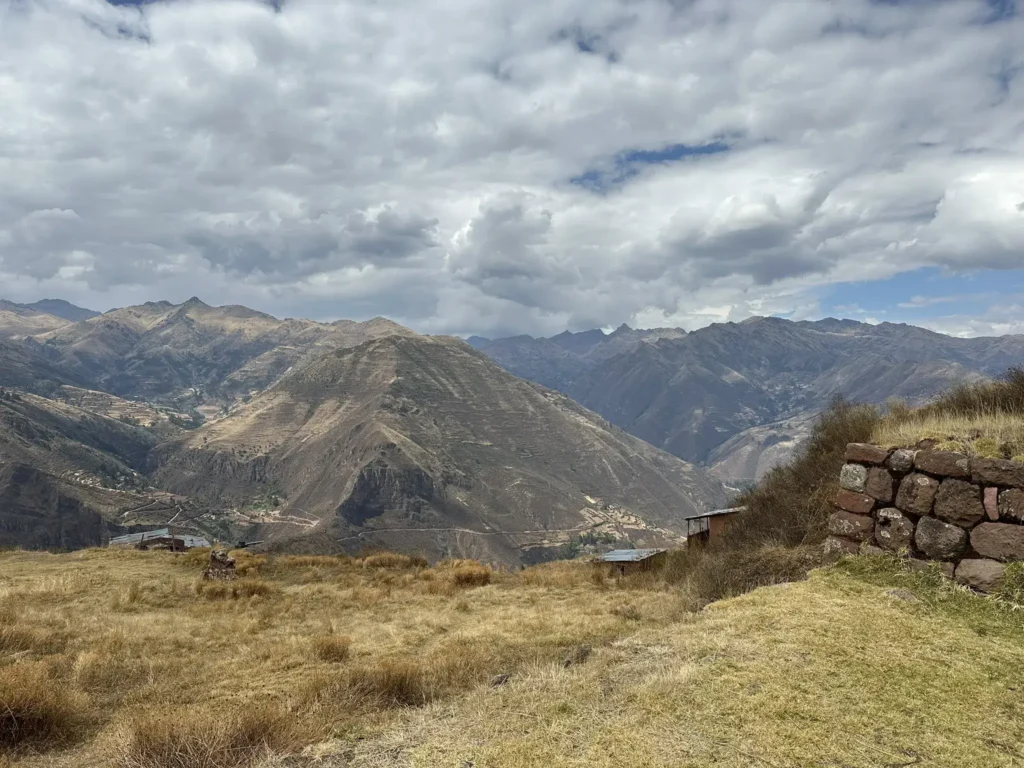
2. Cusco–Tambomachay–Huchuy Qosqo route
The hike from Tambomachay is one of the longest and most scenic routes. It starts near the city of Cusco and crosses high-country trails before descending toward Huchuy Qosqo.
From downtown Cusco you can reach Tambomachay by transportation and start the trek there. The full route runs about 19 to 20 kilometers and can take between six and eight hours of hiking, not counting the visit to the archaeological site or the later descent to Lamay.
Along the way you cross high-country landscapes, sections associated with the old Inca road, lakes, and areas above 4,000 meters in elevation. One of the sources consulted places the highest point at roughly 4,300 meters.
Route features:
- Approximate distance: between 19 and 20 kilometers.
- Duration: between six and eight hours.
- Difficulty: moderate to high.
- Approximate maximum altitude: 4,300 meters.
- Recommended for: acclimatized, experienced hikers.
- Usual finish: descent toward Lamay after visiting Huchuy Qosqo.
Because of its length, this option can be done as a long single day or split into a two-day itinerary.
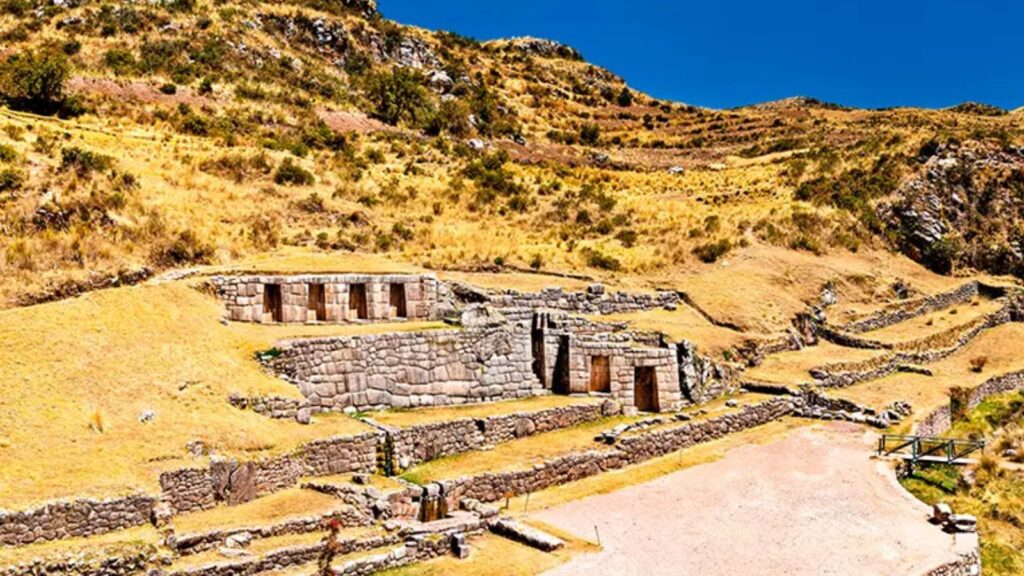
3. Cusco–Chinchero–Tauca–Huchuy Qosqo route
Another option starts in Tauca, a community near Chinchero.
From Cusco you first travel to Chinchero and then continue by local or private transportation to Tauca. The hike toward Huchuy Qosqo begins from this point.
A study by the Universidad Nacional de San Antonio Abad del Cusco records roughly 14 kilometers and between six and seven hours for the Tauca–Huchuy Qosqo–Lamay stretch. The duration can change depending on the exact starting point, the group’s pace, and weather conditions.
The trail crosses high ground, an apacheta, lakes, and terraces before reaching the archaeological complex. After the visit, it is common to descend toward Lamay and return to Cusco from there.
Route features:
- Approximate route distance: 14 kilometers.
- Estimated duration: between six and seven hours.
- Difficulty: moderate to demanding.
- Recommended for: travelers who want a full-day hike.
- Usual finish: descent toward Lamay.
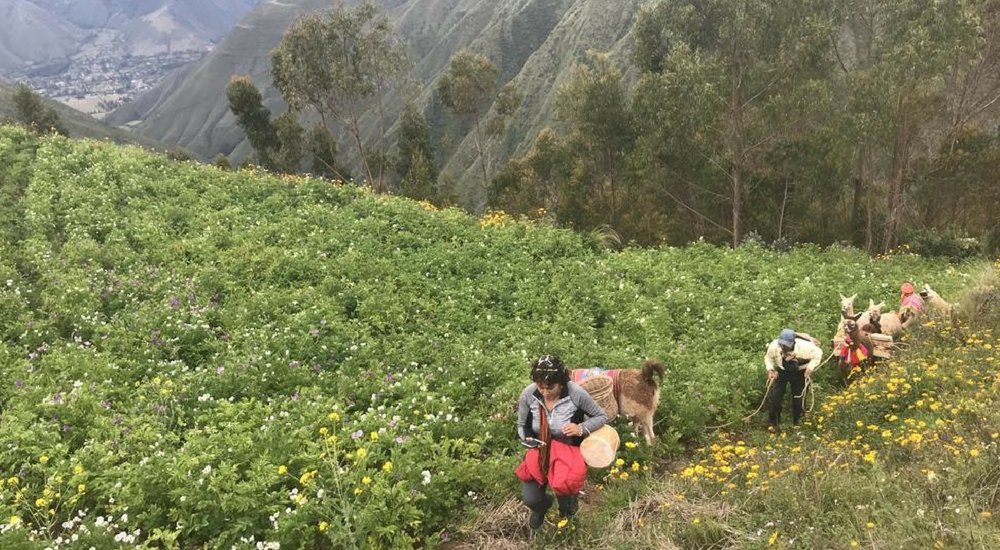
Route comparison
| Route | Approximate hike | Difficulty | Main feature |
|---|---|---|---|
| From Lamay | 2 to 3 hours uphill | Moderate | It is the shortest route, but it has a steep climb |
| From Tambomachay | 6 to 8 hours | Moderate to high | It is a long route through high-country landscapes |
| From Tauca–Chinchero | 6 to 7 hours | Moderate to high | It lets you cross the mountain and descend to Lamay |
| Organized tour | Depends on the itinerary | Variable | Includes a guide, transportation, and planning |
The times are for reference only. They can vary considerably depending on physical condition, weather, breaks, and the state of the trail.
Which route is the most recommended?
The choice depends on the kind of experience you are looking for.
For a short visit, Lamay is the most direct access point, but keep in mind that the route begins with a steep climb.
For a full-day trekking experience, the route from Tauca or Chinchero lets you hike toward Huchuy Qosqo and finish by descending to Lamay.
For travelers in good physical condition who want to cross higher-altitude landscapes, the route from Tambomachay offers a longer trek. Because of its distance and elevation, it is best done with a guide and proper planning.
If you prefer to spread out the effort and take in the surroundings at a calmer pace, you can choose the 2-day Inca Trail to Huchuy Qosqo, with transportation, professional guidance, and advance planning of the route.
How to get back to Cusco after the hike
Many itineraries end by descending from Huchuy Qosqo toward Lamay. Once in the valley, you can take transportation heading toward Pisac and then continue on to Cusco.
When you do the hike on your own, you should check the availability of return transportation in advance. Schedules and pickup points can change, especially in the afternoon.
On an organized trip, transportation can pick you up in Lamay or at another point arranged beforehand.
Can you visit Huchuy Qosqo without a guide?
You can do some routes independently, but it is not the most advisable option for every visitor.
The trails cross rural and mountain areas where signage can be limited. There are also weather changes, forks in the trail, and stretches far from populated areas.
A professional guide is especially helpful for:
- Correctly identifying the trail.
- Managing hiking times.
- Explaining the history and architecture of the site.
- Coordinating the return transportation.
- Responding to weather changes or difficulties on the route.
Travelers with no experience in high-altitude hiking should do the route accompanied.
Best season for the hike
In general, the drier months offer better conditions for walking the trails around Cusco. Rain is more frequent between November and March, a period when the ground can be wet or slippery.
This does not mean the site can only be visited in the dry season. During the rainy months, though, you need to check the forecast, ask about trail conditions, and wear waterproof clothing.
What to bring to Huchuy Qosqo?
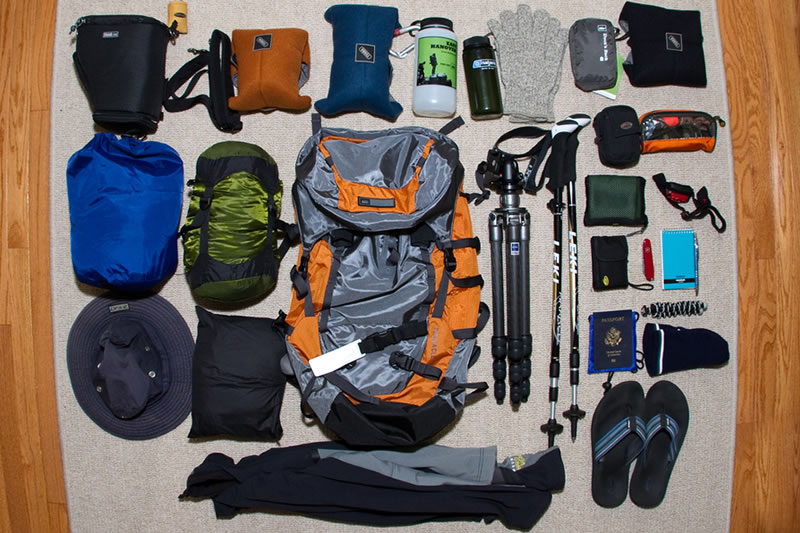
For any of the routes, it is recommended that you bring:
- Trekking shoes with good grip.
- Enough water for the whole route.
- Light food or snacks.
- Hat, sunglasses, and sunscreen.
- A waterproof layer.
- Warm clothing for the higher sections.
- Cash.
- Trekking poles, especially for the descents.
- A bag to carry out all of your trash.
Because of the altitude, it is a good idea to spend at least one or two days in Cusco before taking on a demanding hike.
Frequently asked questions
Can you reach Huchuy Qosqo by car?
There is no direct vehicle access to the archaeological complex. A vehicle only gets you close to the starting points; the final stretch has to be done on foot.
How long is the trip from Cusco?
It depends on the route. From Lamay, the trip includes the transportation from Cusco and a climb of roughly two to three hours. From Tambomachay or Tauca, the hike can take between six and eight hours.
Which is the shortest route?
The route from Lamay is the shortest, though the trail climbs from the Sacred Valley up to the plateau where the archaeological site is located.
Which is the most beautiful route?
That is a personal judgment, but the routes from Tambomachay and Tauca cross a wider variety of high-country landscapes. Lamay offers a gradual view of the Sacred Valley during the climb.
Is this hike suitable for children?
It depends on their age, mountain experience, and acclimatization. The long routes and the sections near 4,000 meters can be demanding. Families should check with an operator beforehand and avoid itineraries that exceed a child’s physical capacity.
Plan your visit to Huchuy Qosqo
Reaching Huchuy Qosqo from Cusco means combining ground transportation with hiking. Lamay offers the shortest access; Tauca allows a full-day crossing; and Tambomachay makes for a longer walk through high-country terrain.
The best choice will depend on your available time, your physical condition, and your previous mountain experience. In every case, it is important to start early, acclimatize properly, and arrange your return before setting out on the hike.


