2026 Book your spot for the Inca Trail 2026!

Inicio » Cusco » Page 10

The places you visit on a Cusco city tour are Coricancha and the archaeological sites of Sacsayhuamán, Qenqo, Puca Pucara, and Tambomachay. It’s a half-day archaeological and cultural tour designed to cover the main attractions within and around the city of Cusco.

The visit combines Inca architecture, colonial buildings, ceremonial spaces, and sectors linked to territorial control and water use. Given its length and proximity, it tends to work well as an activity for the first few days of a trip, as long as you factor in Cusco’s altitude and keep a relaxed pace.

Places you visit on the Cusco City Tour

The Cusco City Tour includes five sites: Coricancha, located within the city, and Sacsayhuamán, Qenqo, Puca Pucara, and Tambomachay, located in the highlands near Cusco. Each stop shows a different function within Inca society.

The published itinerary doesn’t include the Cusco Cathedral. The visit starts at Coricancha and then continues by tourist transportation to the four archaeological sites that make up the circuit.

Coricancha and the Convent of Santo Domingo

Coricancha, also known as Qorikancha, was the main temple dedicated to the sun during the Inca Empire. Its name is usually translated as “golden enclosure,” a reference to the religious significance it held for the Inca elite and to the precious metal elements that once formed part of its decoration.

After the Spanish arrived, the Convent of Santo Domingo was built over part of its structures. During the visit you can see the combination of finely fitted Inca stone walls and the colonial architecture built on top of them later, a direct example of Cusco’s historical changes.

Sacsayhuamán

Sacsayhuamán is known for its massive stone blocks, fitted together with precision and without the use of mortar. The site sits on a hill north of the city, and its scale helps convey the magnitude of the construction work carried out during the Inca period.

It’s credited with a ceremonial and political function, though some sectors may also have served defensive purposes. Its esplanades offer wide views of the city of Cusco, which is why it tends to be one of the most talked-about stops on the City Tour.

Qenqo

Qenqo is a ceremonial space carved directly into a rock formation. Its name relates to the Quechua word for “labyrinth” or “zigzag,” a reference to the carved channels and passages found at the site.

During the tour you can see altars, stairways, and an underground chamber linked to Inca religious ceremonies. The exact interpretation of some structures isn’t definitive, but the site clearly shows how important rock formations were in the ritual practices of the time.

Puca Pucara

Puca Pucara, also spelled Puka Pukara, is believed to have served as a checkpoint and administrative space along the route connecting Cusco with other parts of the territory. The complex features walls, enclosures, terraces, and circulation areas adapted to the slope.

Its name is usually translated as “red fortress,” a reference to the reddish tone its stones take on in the light of sunset. The stop is brief, but it lets you see how surveillance and control points were organized near the Inca capital.

Tambomachay

Tambomachay is an archaeological complex linked to water. It features channels, fountains, and hydraulic structures that still carry water continuously, letting you see the technical knowledge applied to managing this resource.

The site is thought to have been tied to ceremonies and purification practices during the Inca era. Its fountains and stone walls are the centerpiece of the visit, so it’s worth taking your time there and following the guide’s instructions.

Order of the Cusco City Tour

The Cusco City Tour usually begins downtown at Coricancha. After that, the group boards tourist transportation to head to the four archaeological sites located on the outskirts.

This sequence lets you move from the urban area up into Cusco’s highlands. Time spent at each stop can vary depending on traffic, the group’s pace, and the day’s operating conditions.

Initial visit to Coricancha

The tour starts with a guided visit to Coricancha and the Convent of Santo Domingo. There you’ll get an explanation of the temple’s role as a sun temple and how the colonial architecture was layered over the Inca walls.

Once this first stop wraps up, travelers board the tourist transportation. From that point on, the tour continues to the archaeological sites located outside Cusco’s historic center.

Tour through the four archaeological sites

The transportation makes the visits in the following order: Sacsayhuamán, Qenqo, Puca Pucara, and Tambomachay. This route is used because it follows a progressive direction from Cusco toward the farthest sectors of the circuit.

At each site there are short walks to cover the main sectors and listen to the guide’s explanation. Visit time can be limited compared to a private tour, so it’s a good idea to make the most of each stop and pay attention to the return time to the vehicle.

Return to the city of Cusco

After the visit to Tambomachay, the group heads back to the city of Cusco. The return trip is made in shared tourist transportation and can vary depending on traffic conditions.

The final drop-off point can change depending on the day’s operations. When booking, it’s a good idea to confirm where the service ends and to leave a time margin before scheduling another activity.

How long the Cusco City Tour takes

The Cusco City Tour is a half-day excursion lasting approximately four and a half hours. This includes the guided visits, transportation time, and the walks within each attraction.

Actual duration can vary due to city traffic, the group’s pace, the weather, and access conditions at each site. It’s not a good idea to schedule a tight connection, a dinner with a fixed time, or another excursion right afterward without leaving extra time.

Morning schedule

The morning departure usually runs from about 9:00 a.m. to 1:30 p.m. This option lets you finish the tour early in the afternoon and have time left to eat lunch or explore downtown Cusco on your own.

Pickup and start times can be adjusted based on operations. Before booking, confirm the exact time, the pickup point, and whether you need to show up at a specific location.

Afternoon schedule

There’s also an afternoon departure that runs from about 1:30 p.m. to 6:00 p.m. It’s a convenient option for those who’d rather spend the morning resting, visiting a museum, exploring the market, or adjusting more gradually to the altitude.

In the afternoon, the weather can change quickly, especially during the rainy season. Bringing a light, waterproof jacket helps you get through the visits more comfortably if rain shows up.

What the Cusco City Tour includes

Based on the published information for this tour, the City Tour includes shared tourist transportation, a professional guide, entry to Coricancha, and tickets for the four archaeological sites. These conditions should be checked before confirming your booking, since services can be updated.

It’s a good idea to ask for the list of inclusions in writing. That way you avoid assuming additional services are covered, such as meals, drinks, pickup from hotels farther out, or personal expenses.

Tourist transportation and professional guide

The tour is done in shared tourist transportation between Cusco and the archaeological sites. This lets you cover the main distances without long walks between one attraction and the next.

The service includes a professional guide who provides historical and cultural information during the visits. To make the most of the explanations, try to stay close to the group and ask whether the guiding is offered in the language you need.

Entry tickets to the attractions

The tour includes entry to Coricancha and tickets to visit Sacsayhuamán, Qenqo, Puca Pucara, and Tambomachay, according to the service’s published information. This simplifies logistics for those who want to do the circuit in a single outing.

Before choosing a date, confirm that this condition is still current and ask whether there’s any special requirement for students, minors, or visitors who already have a Cusco Tourist Ticket.

Recommendations for visiting the attractions

How comfortable you are during the City Tour largely depends on prior preparation. Cusco sits above 10,800 feet above sea level, and the archaeological sites on the tour are in open areas where sun, wind, and rain can alternate within just a few hours.

Packing only what you need makes it easier to walk around. A small backpack, adaptable clothing, and enough water tend to be more useful than carrying heavy items throughout the excursion.

What clothing to bring

Wear layered clothing to adapt to temperature changes. A t-shirt, a light warm layer, and a windbreaker or rain jacket tend to work well for both the morning and afternoon departures.

Your footwear should be comfortable and have good soles, since there are uneven surfaces, stairways, and dirt paths. It’s also a good idea to bring sunglasses and rain protection depending on the season you’re traveling in.

Documents and personal items

Bring your passport or ID document, especially if your booking or tickets require verifying your information. Keep it in a safe, dry place along with your booking confirmation, if applicable.

Pack sunscreen, water, and a camera or phone for photos. Even though the tour is half a day, sun exposure can be strong even when the sky is cloudy, so it’s a good idea to reapply sunscreen throughout the day.

Acclimatizing before the tour

It’s advisable to arrive in Cusco at least a day before the tour. During your first hours in the city, rest, stay hydrated, and avoid intense physical effort so your body has time to adjust to the altitude.

If you have a medical history involving heart or respiratory issues, or sensitivity to altitude, consult a healthcare professional before your trip. Don’t ignore persistent symptoms like a severe headache, nausea, or shortness of breath.

Frequently asked questions about the City Tour sites

These questions tend to come up when planning a half-day visit around Cusco. The answers can help you confirm whether the tour fits your available time and travel conditions.

Remember to check the operational details when booking, especially if you’re traveling with kids, have reduced mobility, or need to coordinate schedules with other activities.

Is the Cusco Cathedral included in this tour

No. The Cusco Cathedral isn’t among the attractions included in this itinerary. The tour starts at Coricancha and continues to Sacsayhuamán, Qenqo, Puca Pucara, and Tambomachay.

Do you need the Cusco Tourist Ticket

Sacsayhuamán, Qenqo, Puca Pucara, and Tambomachay are normally part of the corresponding tourist circuit. On this tour, the entry tickets are included according to the service’s published information, but it’s worth confirming before booking.

Is the Cusco City Tour suitable for kids

Yes, it’s an easy-difficulty tour and can be done as a family. Adults should supervise children during the walks, especially near stairways, walls, and uneven surfaces, and should also factor in the effects of altitude.

How much walking is involved in the tour

There are short walks within Coricancha and at each archaeological site. The main transfers are done by tourist transportation, though some paths include stairs, elevation changes, and uneven terrain.

What’s the standout site on the tour

Sacsayhuamán tends to be one of the most talked-about sites for its massive stone walls and its views of Cusco. That said, each attraction shows a different part of Inca history, from sun worship to the ceremonial use of water.

Discover the main sites on the Cusco City Tour

The Cusco City Tour lets you see five historic attractions in half a day: Coricancha, Sacsayhuamán, Qenqo, Puca Pucara, and Tambomachay. It’s a practical way to cover sites near the city with transportation and a guide.

Before finalizing your itinerary, check availability, choose the time slot that best fits your trip, and book the Cusco City Tour with Incredible Peru Tours to confirm tickets, the pickup point, and the service’s current conditions.

Inicio » Cusco » Page 10

How much it costs to travel to Cusco depends on the type of trip you want to take, the tours included, and the season. As a general reference, a budget traveler can spend between USD 45 and USD 75 per day, a mid-range trip usually runs between USD 90 and USD 160 per day, and a comfortable experience starts at USD 180 per day. These amounts are per person and don’t include international flights or transportation from your home country.

The biggest change to your budget comes when you add Machu Picchu, tourist trains, better-located hotels, or private transfers. That’s why it’s a good idea to separate your regular daily expenses from the main tours, especially if you plan to visit Machu Picchu from Cusco.

How much it costs to travel to Cusco per day

The daily cost in Cusco changes depending on your lodging, the type of food, how you get around, and how many activities you do. To calculate it better, it’s a good idea to think in terms of three profiles: budget, mid-range, and comfortable.

The table below shows approximate ranges per person. Prices can vary by season, availability, hotel location, group size, and the services included in each tour.

Traveler typeLodgingFoodLocal transportationTickets and toursApproximate daily budget
BudgetHostel or basic room: USD 10 to USD 25 per personMarkets, local menus, and simple meals: USD 15 to USD 25 per dayPublic transportation, walking, or shared services: USD 5 to USD 10Affordable activities or occasional tickets: USD 10 to USD 25USD 45 to USD 75
Mid-rangeMid-range hotel: USD 35 to USD 80 per roomTourist restaurants: USD 30 to USD 55 per dayTaxis and short transfers: USD 5 to USD 15Shared tours and tickets: USD 25 to USD 60USD 90 to USD 160
ComfortableUpscale hotel: from USD 90 per roomHigher-end restaurants: from USD 60 per dayPrivate transfers or frequent taxis: from USD 20Excursions with extra services: from USD 60From USD 180

Budget: USD 45 to USD 75 per day

A budget trip to Cusco is possible if you choose hostels, simple rooms, local restaurants, and public or shared transportation. This range covers the basics without sacrificing safety, as long as you book carefully and check the location of your lodging.

This daily spend doesn’t include a full Machu Picchu excursion. If you want to visit Machu Picchu with a tourist train, entry ticket, and transfers, you need to add that cost separately, since it can significantly raise your total trip budget.

Mid-range: USD 90 to USD 160 per day

A mid-range budget lets you stay in mid-tier hotels, eat at tourist restaurants, use taxis around the city, and book shared tours with better organization. It’s a balanced option for those seeking comfort without paying for private services at every turn.

In this range you can include entry tickets, day trips, and local transfers, but you should check what each service covers. Some tours look affordable at first, but later require extra payments for tickets, meals, or internal transportation.

Comfortable: from USD 180 per day

A comfortable trip to Cusco usually includes upscale hotels, higher-end restaurants, private transfers, and excursions with extra services. It can also include more convenient time slots, logistical assistance, and less waiting time during transfers.

This budget can rise quite a bit if you add higher-category trains, private guides, hotels near the Plaza de Armas, or personalized services to Machu Picchu, the Sacred Valley, Rainbow Mountain, or Humantay Lake.

Lodging prices in Cusco

Type of lodgingApproximate price per nightWhat you can findRecommendations
Hostels and budget roomsUSD 10 to USD 25 per personBeds in shared rooms, simple lodging, or basic rooms, generally away from the most touristy streets.Check whether the price includes breakfast, hot water, heating, Wi-Fi, and overnight front desk service. Cusco can have cold nights, so overly basic lodging could affect your rest, especially during your first few days of acclimatization.
Mid-range hotelsUSD 35 to USD 80 per roomPrivate rooms, private bathroom, breakfast, a better location, and more consistent services.This category usually offers a good balance between price and comfort. Book in advance during high season, holidays, or local festivities, since prices can rise quickly.
Upscale hotelsUSD 90 to over USD 200 per roomHigher-category rooms, better location, personalized service, restaurant, heating, transfers, and other amenities.

How much it costs to eat in Cusco

Eating in Cusco can be affordable or fairly expensive depending on the type of place you choose. Markets and local menus let you spend little, while tourist restaurants and higher-end establishments raise your daily budget.

The area where you eat also matters. Near the Plaza de Armas and heavily visited streets, prices tend to be higher than in local neighborhoods or markets. Even so, there are options for different budgets.

Budget meals

An affordable meal in Cusco can cost between USD 3 and USD 7. This range applies to local menus, markets, and simple restaurants that usually offer an appetizer, a main dish, and a basic drink, though the combination can vary.

It’s a good way to cut costs, but it’s a good idea to choose places with good customer turnover and visible hygiene standards. If you’ve just arrived at altitude, avoid eating too heavily on your first day.

Tourist restaurants

At tourist restaurants, a meal usually costs between USD 8 and USD 20 per person. The price changes depending on location, type of dish, drinks, and whether the restaurant is mainly geared toward visitors.

This range is typical for lunch or dinner in downtown areas. If you order appetizers, desserts, specialty drinks, or more elaborate dishes, the cost can easily exceed your initial estimate.

Daily food budget

For food, a budget traveler can estimate between USD 15 and USD 25 per day. This allows for simple breakfasts, local menus, and a small purchase or two during the day.

A mid-range traveler should budget between USD 30 and USD 55 per day, while a comfortable experience can exceed USD 60 per day. If your tours include breakfast or lunch, your actual daily spend may be lower, but always check whether drinks are included.

Transportation prices in Cusco

Transportation in Cusco includes city buses, taxis, transfers from the airport or bus terminal, and rides to excursion departure points. Although many parts of the historic center can be visited on foot, it’s not always advisable to do so when carrying luggage, at night, or if your lodging is in a hard-to-reach area.

Prices can vary depending on distance, time of day, traffic, the location of your lodging, and the type of service booked. That’s why it’s important to confirm in advance which transfers are included in each tour.

Recommendations for travelers with few days

If you have few days to see Cusco, it’s best to book tours that include pickup from your lodging and a return transfer. This lets you make better use of your time, avoid delays, and get to each departure point more reliably.

It’s also advisable to coordinate airport or terminal transfers to your hotel with your travel agency, especially if it’s your first time arriving in the city, if you’re arriving at night, or if you have a lot of luggage.

Although public transportation can be cheaper, it isn’t always the most convenient option for a traveler with a tight itinerary. Buses can run late due to traffic, require knowing the routes, and in some cases don’t go directly to tourist sites or lodging.

Taxis and city transportation

Within the city, a short taxi ride can cost approximately between USD 1 and USD 5, depending on distance, time of day, and area. Nighttime services, transfers with luggage, or trips to farther locations can cost more.

In Cusco, many taxis don’t use a meter. For that reason, it’s recommended to agree on the price before getting in the vehicle. You can also ask your lodging or travel agency to arrange a trusted taxi.

Public transportation is cheaper, but can be tricky for those unfamiliar with the city. Also, during peak traffic hours, travel times can increase considerably.

Transfer from the Cusco airport

The transfer from Alejandro Velasco Astete International Airport to the historic center can cost approximately between USD 5 and USD 12, depending on the type of service, the exact arrival point, and the amount of luggage.

Private services booked in advance can cost more, but offer greater comfort, safety, and punctuality. In some cases, the driver waits for the passenger at the airport and takes them directly to their lodging.

If your hotel is on a narrow street in the historic center, the vehicle may not be able to reach the door. In that case, you’ll need to walk a short distance with your luggage.

Daily transportation budget

For getting around locally within Cusco, you can budget approximately USD 5 to USD 15 per day. This amount can cover short taxi rides, city transportation, or transfers to meeting points for excursions.

This budget doesn’t include tourist trains, long-distance private transfers, or special routes to Machu Picchu, Ollantaytambo, Hidroeléctrica, Rainbow Mountain, Humantay Lake, or other destinations outside the city. These services should be quoted separately.

Which option is more advisable?

For those traveling on a tight schedule, the best option is to book excursions that include transportation, pickup, and return. Before confirming a booking, ask the agency:

  • Whether the tour includes pickup from your lodging.
  • Whether there’s an extra fee for hotels farther out.
  • Where the excursion ends.
  • Whether the airport transfer is included.
  • Whether the service is shared or private.

Choosing only the cheapest option doesn’t always mean saving money. An informal service, a wrong route, or a delay can throw off your itinerary and make you miss an excursion. That’s why it’s preferable to arrange transfers through an established agency, your lodging, or a reliable transportation service.

How much the main tours from Cusco cost

Tours from Cusco have different prices depending on the itinerary, group size, transportation, guide, meals, and included tickets. A low price doesn’t always mean savings if you later have to pay several additional costs.

Before booking, check whether the service includes pickup, transportation, guide, breakfast, lunch, entry tickets, and return to your hotel or a central point. This comparison avoids surprises during the trip.

TourApproximate price per personServices usually includedExpenses that may be paid separately, not includedRecommendations
Cusco City TourUSD 15 to USD 30Tourist transportation and a guide, on a shared basis.Cusco Tourist Ticket, entry to Qorikancha, the Cathedral, or other attractions.Check the full itinerary, since not every operator visits the same places or includes the entry tickets.
Sacred Valley of the IncasUSD 25 to USD 60Transportation, a guide, and, in some programs, a buffet lunch.Cusco Tourist Ticket, drinks, and other personal expenses.Confirm whether the tour includes Pisac, Urubamba, Ollantaytambo, and Chinchero. Some programs may add or remove stops.
Rainbow MountainUSD 25 to USD 50Transportation, guide, breakfast, and lunch in most shared services.Entry ticket, horse rental, trekking poles, and personal expenses.Check the comfort of the transportation, group size, meals, and pickup time. A very low price can mean more basic services.
Humantay LakeUSD 25 to USD 50Transportation, guide, breakfast, and lunch, depending on the package booked.Entry ticket to the lake, horse rental, trekking poles, and other personal expenses.Confirm the pickup point, the return time, and whether the guide accompanies the group throughout the entire hike.
Machu Picchu from CuscoUSD 250 to USD 450Transfers, tourist train, bus to Machu Picchu, entry ticket, and guide, depending on the package.Meals, lodging, additional services, or train category upgrades.

How much the Cusco Tourist Ticket costs

Tourist entry tickets in Cusco can change due to official updates, exchange rates, or visitor category. Before publishing or using a final budget, it’s a good idea to check the current rates on official pages or authorized channels.

Not every visit is covered by the same ticket. Some attractions have independent entry, and others require specific tickets, so this expense should be calculated alongside your actual itinerary.

Integral Tourist Ticket

Visitor categoryPrice in solesApproximate price in dollarsValidity
Foreign adultS/130USD 3810 days
Foreign student or minor aged 10 to 17S/70USD 2110 days
National adultS/70USD 2110 days
National student or minor aged 10 to 17S/40USD 1210 days
Children 0 to 9 years oldFreeFree

Partial Tourist Tickets

Ticket typeForeignNationalValidity
Circuit I: Saqsayhuamán Archaeological ParkS/70 (USD 21)S/40 (USD 12)1 day
Circuit II: city and South Valley attractionsS/70 (USD 21)S/40 (USD 12)2 days
Circuit III: Sacred Valley attractionsS/70 (USD 21)S/40 (USD 12)

Machu Picchu entry ticket

The Machu Picchu entry ticket is bought separately, and its price depends on the circuit, the visitor’s category, and current regulations. Availability can also vary depending on the date and time slot chosen.

To avoid mistakes, check the circuit before paying for trains or hotels. Not every circuit covers the same areas, and changing your ticket can be difficult if availability is already limited.

Rates for Peruvians, residents, and Andean Community citizens

Entry typeAdultHigher-education studentMinor aged 3 to 17
Regular Machu Picchu routesS/64 (USD 19)S/32 (USD 9)S/32 (USD 9)
Routes that include a mountainS/112 (USD 33)S/80 (USD 24)S/80 (USD 24)
Children under 3FreeFree

Rates for foreign visitors

Entry typeForeign adultForeign studentForeign minor aged 3 to 17
Regular Machu Picchu routesS/152 (USD 45)S/77 (USD 23)S/70 (USD 21)
Routes that include a mountainS/200 (USD 59)S/125 (USD 37)S/118 (USD 35)
Children under 3FreeFree
Machu Picchu

Trains to reach Aguas Calientes (Machu Picchu’s gateway town)

PeruRail serviceOne-way onlyApproximate round tripFeatures
ExpeditionUSD 35–55 / S/120–190USD 70–110 / S/240–375Affordable and comfortable tourist service
VistadomeUSD 55–80 / S/190–270USD 110–160 / S/375–545Panoramic windows and better views of the scenery
Vistadome ObservatoryFrom USD 62 / S/210From USD 124 / S/420Observation car, open-air balcony, and entertainment
Hiram BinghamFrom USD 480 / S/1,630From USD 1,200 / S/4,080Luxury service with meals and extra experiences
Inca Rail serviceOne-way onlyApproximate round tripFeatures
The VoyagerUSD 62–75 / S/210–255USD 124–150 / S/420–510Standard, comfortable tourist service
The 360°USD 89–110 / S/305–375USD 178–220 / S/605–750Panoramic windows and observation car
The Prime or PremiumFrom USD 104 / S/355From USD 208 / S/710Greater comfort and upgraded service
The First ClassFrom USD 230 / S/780From USD 460 / S/1,565Luxury service, meals, and special attention
Train

Attractions with independent entry

Some places aren’t covered by the Cusco Tourist Ticket and require separate payment. These can include Coricancha, the Cusco Cathedral, the Maras salt pans, and other sites with their own management.

These amounts tend to look small on their own, but added together they can affect your budget. If you’re traveling with several days of tours, set aside part of your money for entry tickets not included and on-site payments.

AttractionNationalForeignChildren or students
Coricancha TempleS/20 (USD 6)S/20 (USD 6)Students: S/10 (USD 3)
Maras salt pansS/15 (USD 4)S/20 (USD 6)Check current rate
Cusco CathedralCheck current rateCheck current rateCheck current rate

Consettur bus price

The train only goes as far as Machu Picchu Pueblo. From there, the bus takes approximately 25 to 30 minutes to reach the Machu Picchu entrance.

Rates for foreign visitors

CategoryOne-wayRound trip
Foreign adultUSD 12USD 24
Foreign child under 12USD 7USD 12

Rates for national visitors

CategoryOne-wayRound trip
Peruvian adultS/8 / approx. USD 2S/15 / approx. USD 4
Peruvian studentS/6 / approx. USD 2S/10 / approx. USD 3
Peruvian childS/5 / approx. USD 1S/8 / approx. USD 2
Tour guideS/6 / approx. USD 2S/12 / approx. USD 4
Bus en Machu Picchu
Bus at Machu Picchu

Budget for a 3-day trip to Cusco

For a 3-day trip to Cusco, budget approximately between USD 150 and USD 280 per person if you travel on a budget basis and don’t include Machu Picchu. This range can cover simple lodging, local food, city transportation, some entry tickets, and one short or affordable activity.

For mid-range, a reasonable budget is between USD 300 and USD 550 per person, not including international flights. This amount allows for a more comfortable hotel, tourist restaurants, taxis, entry tickets, and shared tours.

If you add Machu Picchu from Cusco, your budget can increase by USD 250 to USD 450 per person. On such a short trip, logistics need to be well coordinated, since trains, entry tickets, and transfers take up nearly a full day.

Budget for a 5-day trip to Cusco

For 5 days in Cusco, a budget trip can cost approximately between USD 300 and USD 550 per person, not including international flights. This range works if you choose hostels, local menus, shared transportation, and affordable tours.

For mid-range, budget between USD 550 and USD 950 per person. This can include mid-tier hotels, better restaurants, occasional taxis, entry tickets, and shared tours such as the Sacred Valley, Humantay Lake, or Rainbow Mountain.

The total should be adjusted based on the tours included. If Machu Picchu is part of the plan, check trains, entry circuit, and schedules first, since that component can represent a large share of the total expense.

Budget for a 7-day trip to Cusco

For 7 days in Cusco, a budget trip can run between USD 450 and USD 800 per person. This calculation factors in basic lodging, local food, transportation, entry tickets, Machu Picchu, and two or three additional excursions, as long as you choose shared services.

For mid-range, budget between USD 850 and USD 1,400 per person. This range allows for more comfortable hotels, tourist restaurants, taxis, better-organized shared tours, entry tickets, and a Machu Picchu excursion with a tourist train.

A full week lets you spread out expenses better and avoid rushing through everything. It also leaves room for acclimatization or rest days, which is useful if you plan high-altitude hikes like Rainbow Mountain or Humantay Lake.

Expenses that are often overlooked when calculating your budget

When calculating how much it costs to travel to Cusco, many travelers factor in hotel, food, and tours, but forget small expenses that come up during the trip. These include tips, drinks, restrooms, luggage storage, card payment fees, souvenirs, laundry, and personal medication.

Costs can also come up for services not included in tours, such as entry tickets, trekking poles, support horses, hot drinks, snacks, or transfers to pickup points. These expenses aren’t always large, but they add up.

Emergency fund

A practical recommendation is to add between 10% and 15% to your total budget. This fund helps cover changes in transportation, extra food, necessary purchases, or unexpected expenses during excursions.

This margin is also useful if you decide to change a tour, upgrade a transfer, take an extra taxi, or relax at a nicer restaurant after a hike. Keeping your budget too tight can limit your decisions once you’re there.

How to save money on a trip to Cusco

Saving money in Cusco doesn’t mean always choosing the cheapest option. The key is to cut costs without affecting safety, punctuality, or the basic quality of your trip. Comparing services and booking ahead of time tends to be more effective than improvising everything on arrival.

Organizing your itinerary by area also helps. For example, combining the Sacred Valley with a night in Ollantaytambo can be useful if you’ll later take the train to Machu Picchu, though it depends on your route and available schedules.

Book Machu Picchu in advance

Booking Machu Picchu in advance helps you control the trip’s main expense. Comparing circuits, schedules, trains, and services lets you choose a suitable option before prices rise or the most convenient slots sell out.

If you buy late, you could be limited to less convenient time slots or more expensive trains. You might also end up paying for extra nights or private transfers to fit your itinerary to the remaining availability.

Compare what tours include

Before choosing a tour based only on price, check what it includes: entry tickets, meals, transportation, guide, pickup, return, and additional costs. Two tours with similar names can offer very different services.

A cheaper tour can end up costing more if you have to pay for entry tickets, meals, or taxis separately. Ask for the information in writing and confirm whether on-site payments are made in dollars or soles.

Travel during shoulder season

Traveling during shoulder season can help you find better lodging rates and greater availability. Prices change based on demand, local events, holidays, and season.

Beyond cost, consider the weather and the type of activities you want to do. For hikes and outdoor visits, it’s not just about paying less — it also matters to choose dates that match what you expect from your trip.

How much money to bring to Cusco

For a trip to Cusco, it’s a good idea to combine card and cash. The ideal amount depends on the length of your trip, the services you’ve already paid for, and the expenses you’ll need to cover on-site, such as meals, taxis, entry tickets, tips, or small purchases.

Don’t carry all your money in cash. Use your card for hotels, some restaurants, and booked services, but keep soles on hand for smaller payments. Markets, taxis, restrooms, small shops, or local entry tickets don’t always accept cards.

Recommended cash per day

As a reference, carry between USD 20 and USD 50 per day in soles for meals, taxis, small purchases, entry tickets, and services that don’t accept cards. The exact amount will depend on how much you’ve already paid before arriving.

If you’ve already paid for hotels and the main tours, you can carry less cash per day. If you plan to book activities on-site or pay for entry tickets separately, you’ll need a bigger margin. Exchange money at established places and avoid carrying damaged bills.

Frequently asked questions about the budget for traveling to Cusco

These answers help resolve quick questions before setting your final budget. The amounts are approximate and can change depending on season, availability, and travel style.

Is it expensive to travel to Cusco

Cusco lets you organize budget, mid-range, or upscale trips. You can cut costs by using hostels, local menus, and shared tours.

What raises the budget the most is Machu Picchu, tourist trains, and private tours. Central hotels and personalized transfers also play a role.

How much money do I need for five days

For five days in Cusco, budget between USD 300 and USD 950 per person, depending on the trip category and the tours included.

If you add Machu Picchu, the budget can rise noticeably. That excursion alone can cost between USD 250 and USD 450 with a tourist train.

Are the prices given per person

Yes, the main budgets are given per person. This applies especially to food, entry tickets, tours, trains, and tourist tickets.

Some expenses can be shared, like double rooms, taxis, or private transfers. That’s why traveling as a couple or group can reduce certain individual costs.

Does the budget include flights

No. The estimates in this article don’t include international flights or transportation from your home country.

If you arrive in Peru via Lima or another city, you’ll also need to add the domestic flight or land transportation to Cusco, depending on your route.

Plan your trip to Cusco based on your budget

If you’re traveling on a budget, plan for between USD 45 and USD 75 per day and add Machu Picchu separately if it’s part of your plans. For mid-range, consider between USD 90 and USD 160 per day. If you’re looking for more comfort, private transfers, and upscale hotels, your budget can start from USD 180 per day.

The best way to know how much money to bring to Cusco is to first define the length of your trip, the type of hotel, the tours, and whether you’ll be visiting Machu Picchu. With that information, your calculation will be much more realistic, and you’ll avoid overpaying due to last-minute decisions.

If you need to adjust prices based on your days, hotels, trains, entry tickets, and chosen tours, you can consult with the team at Incredible Peru Tours to put together a personalized itinerary and review the logistics before booking.

Inicio » Cusco » Page 10

The Cusco Tourist Ticket is an official pass that lets you visit several archaeological sites, museums, and cultural spaces in the city of Cusco, the Sacred Valley, and the South Valley. It includes places like Sacsayhuamán, Qenqo, Puka Pukara, Tambomachay, Pisac, Ollantaytambo, Chinchero, Moray, Tipón, Pikillacta, and certain museums, depending on the type purchased.

There are two main options: the Integral Tourist Ticket and the partial circuit tickets. The choice depends on the places you want to see, the days you have available, and your booked itinerary. It’s not always worth buying the broadest ticket if you’ll only be visiting one area.

What the Cusco Tourist Ticket is

The Cusco Tourist Ticket is a managed entry pass for accessing different attractions included in official tourist circuits. Its purpose is to group several entries into a single document, so travelers don’t have to pay for each site separately when they’re part of the same system.

This ticket doesn’t include transportation, a guide, hotel pickup, or meals. Nor does it cover every attraction in the region. Places like Machu Picchu, the Cusco Cathedral, Coricancha, and the Maras salt pans have independent tickets or their own entry conditions.

How the ticket works

Travelers must choose between the Integral option or one of the three partial circuits. The Integral ticket covers the widest set of attractions, while the partial ones are designed for specific routes: sites near Cusco, the city and South Valley, or the Sacred Valley.

The ticket is personal and must be presented at each entry point. Staff at the checkpoints usually stamp or record the visit, so it’s a good idea to keep it in good condition throughout your trip. If it’s lost or damaged, it can be hard to use again.

Validity and terms of use

The validity period of the Cusco Tourist Ticket depends on the type purchased. The Integral ticket usually has a longer validity than the partial tickets, which are meant for one-day or short trips.

Before paying, check that the usage dates match your tours. Keep the ticket until you’ve finished all your visits, and bring the document used at purchase, such as a passport, national ID, or student card, depending on the rate requested.

What places the Cusco Tourist Ticket includes

The Cusco Tourist Ticket includes attractions grouped by area. This division helps you choose better, since not every traveler visits the same places, and not every tour covers the full circuit.

It’s also important not to mix these attractions up with independent tickets. For example, Moray is included in the tourist ticket, but the Maras salt pans are paid separately. Likewise, Sacsayhuamán may be included, but the Cathedral is not.

Archaeological sites near Cusco

The archaeological sites near the city included in the ticket are Sacsayhuamán, Qenqo, Puka Pukara, and Tambomachay. They’re located in the upper part and surrounding areas of Cusco, so they’re usually visited in half a day.

These places are usually part of the Cusco City Tour. In that case, the tour may include transportation and a guide, but entry is covered by the Cusco Tourist Ticket or must be paid separately, depending on the package booked.

Sacred Valley attractions

In the Sacred Valley, the ticket includes Pisac, Ollantaytambo, Chinchero, and Moray. These are frequent stops on full-day tours or combined routes toward Ollantaytambo before catching the train to Machu Picchu.

The actual stops depend on the tour booked. Some tours visit Pisac and Ollantaytambo, others include Chinchero, Moray, and Maras. In this last case, remember that Maras isn’t part of the Tourist Ticket and its entry is paid separately.

South Valley attractions

In the South Valley, the main archaeological sites covered by the ticket are Tipón and Pikillacta. This route usually takes half a day and heads southeast of the city of Cusco.

Tipón stands out for its hydraulic channels and terraces, while Pikillacta is a former pre-Inca urban center. Both draw smaller crowds than the better-known circuits, but require good transportation planning.

Museums and cultural spaces

Depending on the current ticket type, it can include museums, monuments, and cultural centers in the city. Among the names that usually appear in official information are the Regional Historical Museum, the Museum of Contemporary Art, the Museum of Popular Art, the Qoricancha Site Museum, the Pachacuteq Monument, and the Qosqo Native Art Center.

Before publishing or traveling, it’s a good idea to verify names, hours, and conditions with the official source, since the operation of some venues can change. If a museum is closed for maintenance or has special hours, the ticket doesn’t always let you swap it for another attraction.

Boleto Turístico de Cusco

Types of Cusco Tourist Ticket

The Cusco Tourist Ticket is divided into one Integral option and three partial circuits. The main difference lies in the number of places included, the validity period, and the type of route you’re planning.

To choose well, don’t look at price alone. Compare how many attractions you’ll actually visit, on which dates, and whether your tour already covers some entries. Buying the Integral ticket can be worthwhile for multi-day trips, but unnecessary for short tours.

Integral Tourist Ticket

The Integral Tourist Ticket grants access to the broadest set of attractions included in the system. It brings together sites near Cusco, places in the Sacred Valley, South Valley attractions, and certain cultural spaces in the city.

It’s worthwhile for travelers spending several days in Cusco who’ll be visiting different areas. If your itinerary includes the City Tour, Sacred Valley, South Valley, and some museums, this option tends to be more practical than buying separate circuits.

Partial Ticket, Circuit I

The Partial Ticket for Circuit I is aimed at the archaeological sites near the city: Sacsayhuamán, Qenqo, Puka Pukara, and Tambomachay. It’s the most commonly used option for those doing the Cusco City Tour.

Its main advantage is that it covers exactly what’s needed for that tour. If you’ll only be in Cusco for an afternoon, or won’t be visiting the Sacred Valley or the South Valley, this circuit can save you a bigger expense.

Partial Ticket, Circuit II

The Partial Ticket for Circuit II combines cultural attractions in the city with South Valley sites. It usually includes the Regional Historical Museum, the Museum of Contemporary Art, the Museum of Popular Art, the Qoricancha Site Museum, the Pachacuteq Monument, the Qosqo Native Art Center, Tipón, and Pikillacta, depending on the current ticket type.

The usual validity for this circuit is 2 days, though this should be verified before buying. It’s useful if you plan to visit museums in Cusco and take a trip to the South Valley, without including the City Tour sites or the main Sacred Valley attractions.

Partial Ticket, Circuit III

The Partial Ticket for Circuit III focuses on the main archaeological sites of the Sacred Valley: Pisac, Ollantaytambo, Chinchero, and Moray. It’s a practical option when your trip is centered on this area.

It can work for a full-day Sacred Valley tour or a two-day route with a night in Ollantaytambo or Urubamba. If you’ll also be visiting Sacsayhuamán or the South Valley, compare this partial ticket against the Integral Tourist Ticket.

Cusco Tourist Ticket prices

The official rates for the Cusco Tourist Ticket are published in Peruvian soles. Below are reference prices in US dollars, based on the official rate sheet available for 2026 and an approximate conversion. The final amount in dollars can vary depending on the day’s exchange rate.

Before paying, verify the current rates at the official source or authorized point of sale. Prices, requirements, and ticket types can be updated without prior notice.

TypeForeign touristNational touristTypical validity
Integral Tourist Ticket, adultapprox. USD 35 (S/130)approx. USD 19 (S/70)10 days
Integral Tourist Ticket, studentapprox. USD 19 (S/70)approx. USD 11 (S/40)10 days
Partial Ticket, Circuit Iapprox. USD 19 (S/70)approx. USD 11 (S/40)1 day
Partial Ticket, Circuit IIapprox. USD 19 (S/70)approx. USD 11 (S/40)2 days
Partial Ticket, Circuit IIIapprox. USD 19 (S/70)approx. USD 11 (S/40)2 days

Rates for foreign tourists

For foreign visitors, the Integral Tourist Ticket has a reference rate of approx. USD 35 (S/130), based on official figures available for 2026. The partial circuits have a reference rate of approx. USD 19 (S/70) each.

The rate is normally paid in Peruvian soles. If you’re carrying dollars, consider exchanging a reasonable amount before heading to the point of sale, since not every location accepts payment in foreign currency or by card.

Rates for national tourists

For Peruvian citizens, the Integral Tourist Ticket has a reference rate of approx. USD 19 (S/70). The partial tickets have a reference rate of approx. USD 11 (S/40), based on the rate sheet available for 2026.

To access this rate, a valid national ID must be presented. If the document isn’t available or doesn’t match the traveler’s information, the point of sale may apply the general rate or decline the requested category.

Student discounts

The student rate applies to travelers who meet the conditions set by the administering entity. A valid university ID or valid student accreditation is generally required, and there’s usually an age limit that should be checked before buying.

Documents must be original and in good condition. Photographs, screenshots, or digital copies may not be accepted. If you’re traveling on the student rate, also bring your passport or ID to validate your information.

Which Cusco Tourist Ticket to choose

The best type depends on three factors: the attractions you’ll visit, the length of your trip, and your booked tours. If you’ll only be doing one specific tour, a partial ticket may be enough. If you’ll be visiting several areas, the Integral ticket may be more worthwhile.

A common mistake is buying the Integral ticket on the first day without a clear itinerary. Before deciding, check whether your route includes the City Tour, Sacred Valley, South Valley, museums, or a combination of several circuits.

To visit Sacsayhuamán and the nearby sites

If your plan is to visit Sacsayhuamán, Qenqo, Puka Pukara, and Tambomachay, the type you need is the Partial Ticket for Circuit I. It’s the right option for most travelers doing the Cusco City Tour.

This circuit is usually used in an afternoon. If you don’t plan to visit other attractions included in the system, you don’t need to buy the Integral ticket just for this tour.

To tour the Sacred Valley

If your itinerary includes Pisac, Ollantaytambo, Chinchero, or Moray, you should consider the Partial Ticket for Circuit III. It’s the type focused on the Sacred Valley’s main archaeological sites.

If you’ll also be visiting Sacsayhuamán, Tipón, Pikillacta, or included museums, compare the cost of Circuit III plus other partial tickets against the Integral Tourist Ticket. On multi-day trips, the difference can justify buying the Integral ticket.

To see the South Valley

To visit Tipón and Pikillacta, the right option is usually the Partial Ticket for Circuit II. This type can also include cultural spaces in the city, depending on current official information.

It’s a good option if you want to dedicate one day to the South Valley and another to museums or cultural centers. It doesn’t cover Sacsayhuamán or the main Sacred Valley sites, so it won’t work for a classic City Tour or for Pisac or Ollantaytambo.

For a multi-day trip

If you have three or more days in Cusco and plan to visit different areas, take a careful look at the Integral Tourist Ticket. It can be more practical if your route combines the City Tour, Sacred Valley, South Valley, and museums.

The comparison should be based on the actual number of attractions you’ll visit, not on every place available. If your itinerary is tight or only covers one area, buying partial tickets can be more sensible.

Where to buy the Cusco Tourist Ticket

The Cusco Tourist Ticket must be bought at authorized points of sale. The safest option is to go to the official administering office or to the tourist entry points authorized to sell it.

Before going, check business hours, payment methods, and availability of the type you need. Some locations may only sell certain circuits and don’t always accept cards.

Official offices and points of sale

The usual official reference point is the COSITUC office in Cusco, located at Av. El Sol 103, Galerías Turísticas. This address should be confirmed before going, since hours and service conditions can change.

Buying at an authorized office lets you resolve questions about circuits, validity, and rates. If you need the national or student rate, bring the original documents from the start to avoid having to go back to your hotel.

Buying at the tourist entry points

The ticket can also usually be purchased at some entry points of the included attractions, such as Sacsayhuamán, Pisac, Ollantaytambo, Chinchero, Moray, Tipón, or Pikillacta. Availability can vary depending on the location and the type requested.

Not every entry point offers every option. If you need the Integral ticket or a special rate, it’s a good idea to confirm beforehand. For tours with tight schedules, buying in advance reduces delays at the start of the visit.

Required documents

To buy the ticket, foreign visitors must present a passport or valid ID document. Peruvian citizens must present their national ID to access the national rate.

Students must bring the original accreditation required by the administering entity, along with their ID document. If the document doesn’t meet the requirements, they may be asked to pay the regular rate.

Places not included in the Tourist Ticket

The Cusco Tourist Ticket doesn’t cover every attraction in the region. This confusion is common because many tours combine included places with others that have independent tickets.

Always check the tour details and separate the cost of the service from the cost of entry tickets. This way you’ll avoid assuming a visit is paid for when it’s actually charged at the entrance.

Machu Picchu

Machu Picchu is not included in the Cusco Tourist Ticket. It has its own entry system, with circuits, schedules, and limited quotas that must be booked independently.

If your trip includes Machu Picchu, arrange that ticket separately along with trains, buses, and schedules. The Tourist Ticket can be used for other days in Cusco, but it doesn’t replace entry to the citadel.

Cathedral and Coricancha

The Cusco Cathedral may require an independent ticket, even though it’s part of some city tours. The same goes for Coricancha, whose entry shouldn’t be confused with the Qoricancha Site Museum included in certain tickets.

On a City Tour, the agency may or may not include these entries in the price. Check the program in writing to know whether you should bring extra cash on the day of the tour.

Maras salt pans

The Maras salt pans are paid separately and are not part of the Cusco Tourist Ticket. This is worth clarifying because many tours visit Moray and Maras on the same outing.

Moray is part of the Sacred Valley circuit, but Maras has a different administration. If your tour includes both stops, factor in the tourist ticket for Moray and an additional payment for the salt pans.

Do tours include the Tourist Ticket

It depends on the agency and the package booked. Some tours include tickets in the total price, while others only cover transportation and a guide, leaving the Tourist Ticket as an additional expense.

The best way to avoid confusion is to check in writing what’s included. Ask for the program to specify whether the tourist ticket, independent entry tickets, meals, and other expenses are covered or not.

Services usually included

Many tours around Cusco include tourist transportation, a guide, and pickup from your hotel or a meeting point. These services can vary depending on the operator, the location of your lodging, and the type of service booked.

Assistance during the tour and schedule coordination may also be included. Even so, these services don’t automatically mean the entry tickets are paid for. They should be clearly listed as included in the package details.

Expenses that may be paid separately

Among the expenses that are usually paid separately are the Cusco Tourist Ticket, independent entry tickets such as the Cathedral, Coricancha, Machu Picchu, or the Maras salt pans, meals, and personal expenses.

If a tour has a very low price, check the exclusions more carefully. Sometimes the final cost rises once you add entry tickets, extra transfers, or on-route payments.

Tips before buying the ticket

Buying the Cusco Tourist Ticket is simple, but it’s a good idea to do it with a clear sense of your itinerary. A poor choice can lead to unnecessary expenses or validity problems.

Before paying, confirm which areas you’ll visit, how many days you have, and which entries your tour already covers. These steps help you choose between the Integral ticket and the partial circuits.

Define your itinerary first

First choose the tours and attractions you actually want to visit. Then check which ticket type covers those places. This sequence avoids buying a ticket that’s too broad, or one that doesn’t fit your route.

If your itinerary isn’t finalized yet, wait before buying. The ticket has a limited validity period, and it’s not worth activating it if you won’t use the entries within the allowed window.

Check the validity period

The ticket’s duration should match the dates you plan for your visits. The Integral ticket allows more margin, while the partial ones tend to have a shorter validity.

If you have tours on separate days, verify that the ticket you choose covers the entire period. This point is especially useful when combining the Sacred Valley, Machu Picchu, and other tours on consecutive days.

Review what the tour includes

Before buying on your own, ask whether the agency already factors the entry tickets into the total price. Some complete packages may include the ticket or arrange the purchase in advance.

Request the details in writing. If the program says entries are not included, you should factor the Tourist Ticket and other independent entries into your travel budget.

Check official prices

Verify rates, conditions, and points of sale with the official source before making the payment. Although prices tend to stay stable for long periods, they can change due to administrative updates.

Also check the requirements for the student or national rate. Bringing incomplete documents can force you to pay a different rate than expected.

Frequently asked questions about the Cusco Tourist Ticket

These answers clear up common questions before buying the ticket. If your itinerary combines several tours, review each case with your travel program on hand.

Conditions can change, so it’s a good idea to confirm official information close to your travel date.

Does the Tourist Ticket include Machu Picchu

No. Machu Picchu uses an independent entry system, with its own circuits and schedules. The Cusco Tourist Ticket doesn’t grant entry to Machu Picchu.

To visit Machu Picchu you must buy a specific ticket and arrange the train, bus, and entry time. That process is organized separately from the tourist ticket.

Can individual tickets be purchased

It depends on the attraction. Places like Machu Picchu, the Cathedral, Coricancha, or the Maras salt pans have independent tickets and aren’t part of the same system.

At several sites included in the Tourist Ticket, entry is granted through the corresponding Integral or partial type. Conditions can vary, so it’s a good idea to confirm before arriving at the entrance.

Does the ticket include transportation and a guide

No. The ticket covers only entry to the attractions specified in the type purchased. It doesn’t include transportation, a guide, hotel pickup, or meals.

If you book a tour, those services may be included by the agency. Even so, the entry tickets need to be clearly listed within the price to be considered paid for.

How many times can you visit each place

Generally, each included attraction can be visited only once during the ticket’s validity period. Staff usually record or stamp the visit at entry.

If you want to return to the same site, check the current conditions at the point of sale. Don’t assume the ticket allows unlimited re-entry.

What’s the best ticket for the Sacred Valley

For a route centered on Pisac, Ollantaytambo, Chinchero, or Moray, the Partial Ticket for Circuit III tends to be the most direct option. It covers the main included sites in the Sacred Valley.

If your trip also includes the City Tour, South Valley, or museums, compare Circuit III against the Integral Tourist Ticket. The best option depends on the actual number of attractions you’ll visit.

Choose your Tourist Ticket and organize your Cusco itinerary

The Integral Tourist Ticket is worthwhile for multi-day trips with visits to different areas. Circuit I works for Sacsayhuamán and the sites near Cusco. Circuit II combines the city’s cultural spaces with Tipón and Pikillacta. Circuit III is designed for the Sacred Valley.

Before buying, define your route, check the validity period, and confirm whether your tour includes entry tickets. If you need help organizing tours, tickets, schedules, and transfers without paying for unnecessary entries, you can consult with the team at Incredible Peru Tours and ask for a review of your itinerary before traveling.

Inicio » Cusco » Page 10

The best tours from Cusco for most travelers are Machu Picchu, the Sacred Valley, the City Tour, Maras and Moray, Rainbow Mountain, and Humantay Lake. From the city you can also visit Palcoyo, the South Valley, Qeswachaka, Waqrapukara, the Seven Lagoons of Ausangate, Choquequirao, the Inca Trail, Lares, and Pallay Punchu.

Cusco is the starting point for exploring Machu Picchu, the Sacred Valley, colorful mountains, high-altitude lagoons, archaeological complexes, and traditional towns. The best excursion depends on the number of days, acclimatization, budget, and the traveler’s physical condition, since not every tour has the same level of effort or the same logistics.

What are the best tours from Cusco

The best tours from Cusco combine history, culture, scenery, and outdoor activities. For a first trip, it’s a good idea to prioritize Machu Picchu, the Sacred Valley, the City Tour, and Maras and Moray, since they help you understand the region’s significance before taking on more demanding routes.

There are also nature and adventure excursions, such as Vinicunca, Humantay, Palcoyo, Pallay Punchu, Waqrapukara, and the Seven Lagoons. These options tend to require hiking, an early departure, and good altitude adjustment.

Must-do tours for a first trip

For first-time visitors, Machu Picchu tends to be the main excursion. It requires more planning than other tours, since you have to coordinate tickets, trains, buses, and schedules.

The Sacred Valley, City Tour, and Maras and Moray round out a very solid foundation. These tours let you visit archaeological complexes, towns, markets, farming terraces, salt pans, and sites near the city without requiring long hikes.

Nature and adventure tours

Rainbow Mountain, Humantay Lake, Palcoyo, and Pallay Punchu are popular excursions for travelers seeking mountain scenery. In all cases, it’s a good idea to assess altitude, weather, and effort before booking.

Waqrapukara, the Seven Lagoons of Ausangate, Choquequirao, the Inca Trail, Lares, and Salkantay are options for those seeking longer hikes. Some require several days, campsites, logistics, and greater physical preparation.

Montaña de colores

Cultural and archaeological tours

Cultural and archaeological tours include Inca sites, traditional towns, churches, markets, and local communities. They’re recommended for travelers interested in understanding Cusco’s history beyond just visiting Machu Picchu.

Among the best options are the City Tour, Sacred Valley, South Valley, Chinchero, Pisac, Ollantaytambo, Andahuaylillas, and Qeswachaka. These tours tend to combine transportation, a guide, and interpretive stops.

Machu Picchu

Half-day and full-day excursions

Some tours from Cusco can be done in just a few hours, such as the City Tour or Maras and Moray depending on the itinerary. They’re useful for the first or second day, as long as the traveler feels good with the altitude.

Other tours require leaving before dawn and returning at night. This is the case with Machu Picchu in a single day, Rainbow Mountain, Humantay, Qeswachaka, and some mountain routes.

1. Machu Picchu tour from Cusco

The Machu Picchu tour from Cusco is the most important excursion for many travelers. Its logistics are more detailed than other tours, since you have to coordinate entry ticket, circuit, train, bus up, guide, and transfers.

Ticket and train availability changes depending on season and demand. That’s why it’s a good idea to check everything before paying, especially if you’re traveling during months of high turnout or have inflexible dates.

What the Machu Picchu tour is like

The tour usually starts with a transfer from Cusco to the corresponding train station, often in Ollantaytambo. From there you travel by train to Aguas Calientes, the town at the foot of Machu Picchu.

On arrival, you typically take the bus up to the citadel’s entrance. Then you do the guided tour according to your booked circuit, and afterward you return to Aguas Calientes to catch the train and transfer back.

One-day Machu Picchu tour

The one-day tour lets you visit Machu Picchu and return to Cusco within the same day. It’s a practical option for travelers with limited time, although it involves several hours of travel.

The schedule tends to be tight, so it doesn’t leave much margin for delays. Before booking, it’s a good idea to confirm the departure station, the train schedule, the entry circuit, and the estimated return time to Cusco.

Two-day Machu Picchu tour

The two-day tour includes a night in Aguas Calientes. This lets you do the tour with less time pressure and rest before entering the citadel.

It can also be useful for those who want to combine the trip with the Sacred Valley or prefer to avoid overly long transfers in a single day. The cost tends to depend on the hotel, train category, and included services.

What the tour typically includes

A typical package can include transfers, train tickets, Machu Picchu entry, bus up and down, and a tour guide. Some services also include station assistance or hotel pickup.

Inclusions vary depending on the operator and the type of service booked. Check in writing whether the price includes tickets, trains, bus, guide, meals, hotel, and internal transfers.

Who it’s recommended for

The Machu Picchu tour is recommended for travelers interested in history, archaeology, and culture. It’s also a good option for those who want to see the region’s most visited site with organized logistics.

The physical condition required depends on the chosen circuit and the pace of the tour. If you have reduced mobility, injuries, or questions about the effort involved, it’s a good idea to check beforehand which circuit fits you best.

Tips for booking Machu Picchu

Before paying, check the circuit, entry time, departure station, train category, allowed luggage, and included services. These details greatly change the experience and the final budget.

Also confirm full names, ID number, and change policies. Tickets are usually tied to personal information and can have restrictions on modifications.

Tour Machu Picchu

2. Sacred Valley of the Incas tour

The Sacred Valley of the Incas tour is a cultural and archaeological excursion that covers towns, markets, farmland, and Inca complexes. It’s one of the best options for understanding the region’s territorial and economic organization.

It can be done as a traditional tour, a private tour, or a more extensive version with more stops. The choice depends on the time you have and the pace you prefer during the day.

What places the Sacred Valley includes

Itineraries usually include Pisac, Ollantaytambo, and Chinchero. Some versions also add stops at viewpoints, textile centers, or tourist restaurants.

Stops can vary depending on the operator and the type of service. Before booking, check whether the tour ends in Cusco, Ollantaytambo, or another point, especially if you’ll be taking the train to Machu Picchu afterward.

Pisac

Pisac combines an archaeological complex located up high with a traditional town in the valley. The site lets you see farming terraces, enclosures, and roads linked to Inca occupation.

The town is known for its market, where textiles, ceramics, jewelry, and other products are sold. Although it’s oriented toward tourism today, it’s still a useful stop to see local activity and shop at a relaxed pace.

Ollantaytambo

Ollantaytambo preserves an archaeological site with terraces, stone walls, and ceremonial sectors. Its strategic location explains its historical importance within the Sacred Valley.

The town also retains streets of Inca origin and water channels. It’s also one of the main connection points to Machu Picchu because of its train station.

Chinchero

Chinchero is known for its textiles, local customs, landscapes, and archaeological remains. Many visits include centers that explain dyeing and weaving techniques.

You can also see the relationship between colonial architecture and Inca foundations. If the tour includes a textile demonstration, it’s a good idea to ask whether there will be free time to walk around the town.

Pisac Valle Sagrado

Traditional Sacred Valley or VIP tour

The traditional Sacred Valley tour tends to focus on Pisac, Ollantaytambo, and Chinchero. It’s a good option if you’d rather spend more time at the main sites.

The VIP tour can add Maras and Moray on the same day. The advantage is that it lets you see more places, but the downside is that each stop tends to be shorter.

Who it’s recommended for

The Sacred Valley is recommended for travelers interested in history, culture, photography, and scenery. It also works well for families and people who prefer tours with transportation and moderate walking.

If you plan to go to Machu Picchu, this tour can help you organize your route better. Sleeping in Ollantaytambo after the tour can cut down on transfers the next day.

Maras Valle Sagrado Vip

3. Cusco City Tour

The Cusco City Tour is a half-day excursion to see historical and archaeological attractions near the city. It usually includes visits within downtown and sites located in Cusco’s upper areas.

It’s a good introduction to understanding the mix of Inca and colonial architecture. It also lets you acclimatize gradually if done at a relaxed pace.

Qorikancha

Qorikancha was one of the most important temples of the Inca era. Today it combines highly precise Inca walls with colonial architecture built over the original enclosure.

The visit helps you understand the changes that took place during the colonial period. It also lets you observe construction techniques that repeat at other archaeological sites in the region.

Sacsayhuamán

Sacsayhuamán stands out for its large stone blocks and its location above the city. From the complex you get wide views of Cusco and its surroundings.

The site has great historical and ceremonial importance. During the visit, the guide usually explains the site’s possible functions and the stonework used in its walls.

Qenqo

Qenqo is a ceremonial space with rock formations, carved channels, and passages. Touring it tends to be brief, but it provides information about Inca ritual practices.

The visit is easier to understand with a guide, since several elements aren’t obvious at first glance. It’s a regular stop between Sacsayhuamán and the other sites on the circuit.

Puka Pukara

Puka Pukara may have served as a lookout, control, or rest post. Its location lets you see roads and areas linked to access into Cusco.

The site has walls, plazas, and enclosures spread across an elevated area. Although the visit tends to be brief, it helps you understand the territorial control network near the city.

Tambomachay

Tambomachay is known for its water channels and fountains. It’s associated with ceremonial practices and water management during the Inca era.

The tour includes a short walk from the entrance to the main structures. It’s a good idea to bring warm layers, since the area can feel colder than downtown Cusco.

Which tickets you need

Some City Tour sites require individual tickets, and others may be included in the Cusco Tourist Ticket. This depends on the site visited and current regulations.

Before booking, ask which tickets are included and which are paid separately. This avoids differences between the advertised price and the actual cost of the tour.

Who it’s recommended for

The City Tour is recommended for the first or second day, as long as the traveler is well adjusted to the altitude. It’s a practical way to start the trip without straying too far from the city.

If you’ve just arrived and feel tired, have a headache, or feel short of breath, it’s a good idea to rest before doing the tour. Acclimatization should be taken slowly.

4. Maras and Moray tour

The Maras and Moray tour combines scenery, history, agricultural engineering, and traditional salt production. It’s a versatile excursion because it can be done in half a day or as part of a broader itinerary.

The tour is less physically demanding than mountain hikes. Even so, it’s a good idea to wear comfortable footwear, since there are dirt stretches, steps, and areas exposed to the sun.

Moray’s circular terraces

Moray consists of circular terraces built into natural depressions. One of the main interpretations is that it functioned as a space for agricultural experimentation.

The arrangement of the terraces creates temperature differences between levels. During the visit, the circular shapes are viewed from lookout points, and depending on current rules, some sections may have restricted access.

Maras salt pans

The Maras salt pans bring together hundreds of salt pools worked by local families. The system taps a flow of salty water distributed through channels.

Production has economic and cultural value for the local population. Access to certain areas can vary in order to protect the pools and maintain the families’ work.

Traditional tour or quad bike tour

The traditional tour is done by tourist transportation and lets you visit Moray and the salt pans with organized stops. It’s suitable for families, couples, and travelers who prefer a relaxed tour.

The quad bike option adds an element of adventure, but it can have access restrictions and different visiting points. Before choosing it, confirm the exact route, the safety level, and whether you enter the sites or just view them from lookout points.

CUATRIMOTOS
Cuatrimotos Maras Moray

Duration and difficulty

Maras and Moray is normally a half-day or several-hour excursion. The duration depends on the departure point, traffic, stops, and the type of service booked.

The physical difficulty tends to be low to moderate. It doesn’t require a long hike, but the altitude and sun can wear you out if you don’t bring water, a hat, and sun protection.

Who it’s recommended for

This tour is suitable for families, couples, photographers, and travelers interested in scenery and local culture. It also works well for those who want a less demanding activity after a strenuous hike.

If you have little time in Cusco, it can be combined with other tours depending on logistics. Just avoid scheduling it too tightly if you’ll be catching a train or flight that same day.

5. Rainbow Mountain tour

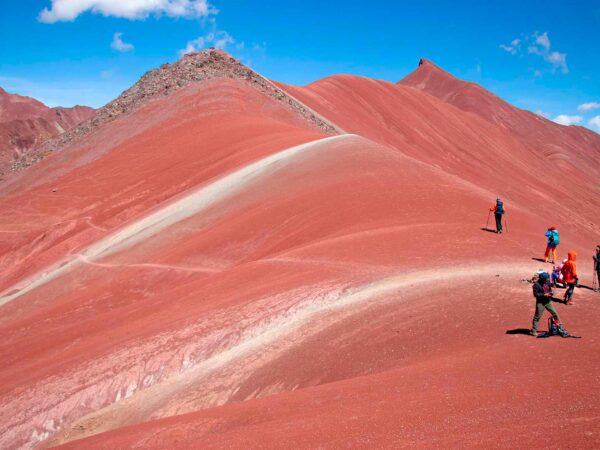
The Rainbow Mountain tour, also known as Vinicunca, is one of the most popular nature excursions from Cusco. It takes place at high altitude, so it shouldn’t be treated as a simple hike.

The experience depends a lot on the weather, acclimatization, and physical condition. On cloudy or rainy days, visibility can change and the trail can become heavier.

What the excursion is like

Departure is usually before dawn from Cusco. The trip includes several hours by road, meals depending on the service booked, and arrival at the hike’s starting point.

From there you walk to the mountain’s main viewpoint. Walking time varies depending on the group’s pace, trail conditions, and how the body responds to the altitude.

Hike difficulty

The difficulty depends mainly on altitude, weather, trail conditions, pace, and the visitor’s physical condition. Even people who hike regularly can feel the effort due to the lack of oxygen.

It’s not a good idea to compare it based on distance alone. Cold, wind, mud, or snow can increase fatigue and make the climb take longer.

When to do the tour

It’s a good idea to do this tour after one or more days of acclimatization in Cusco. Doing it on the first day can increase the risk of altitude sickness.

Before heading out, check weather conditions and ask whether the route is operating normally. The forecast can change, but it helps you prepare your clothing and gear better.

What to bring

Bring thermal clothing, rain gear, sunscreen, water, a hat, gloves, footwear with grip, and a light backpack. Dressing in layers helps you adapt to the morning cold and the midday sun.

It’s also useful to bring a light snack if the service doesn’t include one. Avoid carrying unnecessary weight, since every extra pound is felt more during a high-altitude hike.

Who it’s not recommended for

Rainbow Mountain may not be suitable for people with respiratory problems, recent injuries, poor stability, or difficulty walking at altitude. It also calls for caution if you’ve had severe altitude sickness episodes before.

If you have medical concerns, consult a doctor before traveling. An alternative, less demanding tour can be a better decision than pushing your body on a strenuous route.

MONTAÑA ARCOIRIS
Montaña de Colores

6. Humantay Lake tour

Humantay Lake is a nature excursion with turquoise waters, mountains, and an uphill hike. It’s one of the most sought-after routes from Cusco, but it requires altitude adjustment and a good pace.

The main draw is the mountain scenery around the lake. The experience can vary due to rain, fog, cold, or crowding on certain dates.

What the route is like

The route includes a transfer from Cusco, travel by road, and arrival at the hike’s starting point. Depending on the service, it may include breakfast and lunch at set stops.

From the start of the trail you hike uphill to the lake. The return is made through the same area or a nearby variant, depending on conditions and the operator.

Difficulty and altitude

The slope and altitude can make the hike demanding even for people used to walking. The uphill stretch requires patience and pace control.

The difficulty increases if the trail is wet or if the traveler hasn’t slept well. It’s better to move slowly than to try to keep up with faster groups.

Best time to do the excursion

It’s advisable to do Humantay after acclimatizing for at least one or more days in Cusco. That way the body responds better to the effort and the altitude.

It’s also a good idea to check the weather, since rain and fog can change trail conditions. Bringing rain gear is useful even if the day starts out clear.

What to bring

Bring layered clothing, rain gear, sun protection, water, non-slip footwear, and warm layers for the early hours. The weather can go from cold to sunny during the same hike.

A small backpack is enough for personal items and a snack. Avoid carrying heavy items or ones poorly protected from rain.

Who it’s recommended for

Humantay is suitable for travelers interested in mountain scenery who have a physical condition compatible with the hike. You don’t need to be an athlete, but you do need to be able to walk uphill at a steady pace.

If you have knee injuries, breathing difficulties, or little experience hiking at altitude, consider another excursion. Safety should come before the photo or the original plan.

Laguna Humantay

7. Palcoyo tour

Palcoyo is an alternative mountain landscape with colorful formations and mountain views. It’s a different route from Vinicunca and may appeal to those looking for another way to see colorful mountains.

Although it’s often described as less demanding in some itineraries, it also takes place at high altitude. That’s why it requires acclimatization, warm layers, and a realistic assessment of your physical condition.

What you see in Palcoyo

In Palcoyo you visit colorful mountains, high-altitude scenery, and rock formations, depending on the operator’s itinerary. Some routes include viewpoints and short walking stretches.

The tour can vary depending on weather, trail conditions, and operational decisions. Before booking, ask exactly which points are visited and how much walking is involved.

Differences between Palcoyo and Vinicunca

The main difference tends to be in the length of the hike, the type of scenery, the number of visitors, and the overall experience. Vinicunca draws heavy demand, while Palcoyo offers a route with a different layout of viewpoints.

It’s not accurate to say Palcoyo is easy for everyone. Altitude remains an important factor and can affect you even on shorter hikes.

Tour difficulty

The hike can differ from Vinicunca’s, but the excursion also takes place at high altitude. Cold, wind, and uneven terrain can increase the effort involved.

Difficulty will depend on the point visited, the group’s pace, and the traveler’s adjustment. If this is your first high-altitude route, move at a steady pace and follow the guide’s instructions.

Who it’s recommended for

Palcoyo may appeal to travelers looking for a different mountain experience who want to see less conventional scenery. It’s also an option for those who’ve already done Vinicunca or prefer a different tour.

It’s recommended for people who are acclimatized and willing to walk at altitude. If you’re looking for a completely light tour, a cultural tour with transportation might be a better fit.

Palcoyo

8. Cusco South Valley tour

The Cusco South Valley is a cultural and archaeological excursion that draws fewer crowds than other popular tours. It combines Inca sites, pre-Inca culture, and colonial art on a full-day or several-hour route.

It’s a good option for those who’ve already done the City Tour, Sacred Valley, and Machu Picchu. It also lets you see another part of the region without demanding hikes.

Tipón

Tipón preserves terraces, water channels, and hydraulic works of Inca origin. Water management is one of the most interesting aspects of the site.

The visit lets you see how slopes, fountains, and terraces are integrated into a single space. It’s a good idea to wear comfortable footwear, since there are sections with stairs and stone paths.

Pikillacta

Pikillacta is an important pre-Inca settlement with organized streets and buildings. Its layout helps you understand planning methods that predate Inca rule.

The tour shows walls, enclosures, and open spaces across a large area. With a guide, it’s easier to understand the difference between this site and other Inca-era complexes.

Andahuaylillas

Andahuaylillas is known for its church and colonial artistic heritage. The interior tends to draw attention for its paintings, decoration, and religious historical value.

The visit rounds out the archaeological side of the South Valley. Before entering, it’s a good idea to follow the church’s rules about photography, silence, and movement.

Why choose the South Valley

The South Valley offers a combination of Inca archaeology, pre-Inca culture, colonial art, and fewer visitors. It’s a useful route for going deeper into the region’s history.

It also lets you travel at a more relaxed pace than other high-demand tours. For many travelers, that lighter foot traffic improves the quality of the visit.

Who it’s recommended for

It’s a good option for travelers interested in history and culture who’ve already seen the main attractions. It also works for those who prefer excursions with transportation and moderate walking.

If your itinerary is more than five days, the South Valley can fit in very well. It helps balance the trip between popular sites and less crowded routes.

9. Qeswachaka Bridge tour

The Qeswachaka Bridge tour showcases a traditional structure made of plant fibers, tied to community knowledge passed down over generations. It’s a distinctive cultural route among the tours from Cusco.

The excursion usually takes a full day due to the distance. In exchange, it lets you see a living example of traditional engineering and collective organization.

What you see along the way

The itinerary can include high-altitude scenery, communities, and other attractions along the route. The exact stops depend on the operator and the time available.

Some programs add viewpoints, lagoons, or nearby towns. Before booking, check whether the additional stops are included or whether the main focus will be the bridge.

Cultural importance of the bridge

Qeswachaka has value as an example of traditional engineering from the area’s communities. Its construction and maintenance are tied to collective work and techniques passed down by the community.

More than just a photo spot, the bridge lets you understand a form of local organization. The visit should be done with respect for the people, the surroundings, and the site’s rules.

Tour duration

The tour tends to be a full day due to the distance from Cusco. It usually involves several hours by road for the round trip.

For that reason, it’s a good idea not to schedule anything important that same evening. It’s also advisable to bring water, warm layers, and some cash for minor expenses.

Who it’s recommended for

Qeswachaka is recommended for travelers interested in living traditions, rural culture, history, and less conventional routes. It’s not the most common excursion for a short first trip, but it’s a great alternative for longer stays.

It may also appeal to those who prefer cultural tours over mountain hikes. The physical demand tends to be tied more to the length of the transfer than to walking effort.

10. Waqrapukara tour

Waqrapukara is an archaeological complex located amid canyons and mountains. It’s a route for travelers seeking to combine hiking, archaeology, and areas with fewer tourists.

The excursion requires good planning, since there are different access routes. Duration, effort level, and walking time can change depending on the starting point.

What the excursion is like

The tour requires a road transfer from Cusco to the hike’s starting point. Depending on the chosen route, the trip can be long and start early.

After the transfer, a hike leads to the archaeological complex. The guide usually sets the pace and explains terrain conditions before starting out.

Hike difficulty

The effort depends on the starting point, weather, altitude, and the traveler’s physical condition. Some routes can feel longer due to the ups and downs.

Wind, sun, and trail conditions also play a role. It’s a good idea to ask about the approximate distance, elevation change, and actual walking time before booking.

What you can see

During the visit you can see archaeological structures, rock formations, canyons, and scenery of the area. The site’s location lets you take in the surroundings from different angles.

The tour tends to attract travelers looking for a less-traveled route. Even so, the physical effort and the need for good footwear shouldn’t be underestimated.

Who it’s recommended for

Waqrapukara is suitable for travelers interested in hiking, archaeology, and places with fewer tourists. It’s best done after acclimatizing in Cusco.

It’s not the most comfortable choice for someone looking for a short or low-effort tour. If time is limited, it’s a good idea to prioritize closer routes or ones with simpler logistics.

11. Seven Lagoons of Ausangate tour

The Seven Lagoons of Ausangate tour is a high-mountain hike that lets you see lagoons of different colors and scenery near the Ausangate snow-capped peak. It’s a demanding excursion and shouldn’t be booked without acclimatization.

The route combines transportation, an extended hike, changing weather, and altitude. That’s why it’s recommended for travelers with good physical condition and experience walking for several hours.

What the tour is like

The tour includes an early departure from Cusco and road transportation to the starting area. Depending on the service, it may include meals and rest time at the end.

The hike lasts several hours and passes by different lagoons. The pace depends on the group, the weather, and trail conditions.

Difficulty level

It’s a demanding excursion due to altitude, distance, weather, and duration. The combination of cold, wind, and an extended hike can be heavy even for active travelers.

Before booking, ask about the distance, elevation change, and estimated walking time. If you’re not acclimatized, it’s better to leave this route for your last days.

What to bring

Bring thermal clothing, rain gear, trekking footwear, sun protection, water, light food, and personal items. It’s also advisable to wear gloves and a hat for the early hours.

A light backpack makes for a more comfortable hike. Avoid carrying unnecessary items, since the weight is noticeable on a long route.

Who it’s recommended for

This tour is suitable for people who are acclimatized, have hiking experience, and are in good physical condition. It’s not recommended as a first activity upon arriving in Cusco.

If you’re looking for mountain scenery but have little experience, consider Humantay or Palcoyo first, always factoring in altitude. Your choice should fit your actual condition, not just the photos of the destination.

12. Choquequirao tour

Choquequirao is a multi-day experience aimed at travelers seeking archaeology, nature, and trekking. The route requires time, physical preparation, and good logistical organization.

It’s not a quick visit from Cusco. Access requires intense hiking, temperature changes, and long days on mountain terrain.

How many days it takes

There are itineraries of different lengths depending on the route, the group’s pace, and the services booked. Some programs prioritize reaching the site and returning the same way, while others connect to broader routes.

Before choosing, check how many hours you’ll walk per day and how many nights you’ll spend camping. The shortest option isn’t always the most convenient if it cuts down too much on rest.

Trek difficulty

The trek includes climbs, descents, temperature changes, and several hours of walking per day. The route can be demanding due to accumulated elevation change and sun exposure.

Physical preparation is key to enjoying the tour. It’s also a good idea to break in your footwear before the trip and bring clothing suited for cold, heat, and rain.

What it typically includes

A Choquequirao tour usually includes a guide, meals, campsites, transportation, gear, and logistical support. In some cases, cargo transport or additional assistance is offered.

Conditions vary depending on the operator. Check whether it includes tents, sleeping pads, sleeping bag, tickets, treated water, first aid, and the number of people per group.

Who it’s recommended for

Choquequirao is recommended for travelers with hiking experience, good physical preparation, and enough time available. It’s also suitable for those seeking archaeology along a less crowded route.

It’s not a good choice if you have few days or aren’t used to walking for several hours in a row. Poor planning can turn the trip into an unnecessary physical burden.

CHOQUEQUIRAO
Choquequirao

13. Inca Trail tour

The Inca Trail is a trekking route that combines scenery, archaeological sites, and arrival at Machu Picchu. It’s one of the best-known ways to reach the citadel on foot along authorized routes.

Its operation is usually regulated by permits, quotas, and specific conditions. That’s why it requires advance planning, especially during high season.

Classic Inca Trail

The classic Inca Trail is a multi-day hike with campsites, mountain passes, and archaeological sites. The route requires endurance and adjustment to altitude changes.

The tour is run with authorized operators and organized logistics. It’s a good idea to check what gear is included and what each traveler needs to bring.

Short Inca Trail

The short Inca Trail offers a briefer experience. It lets you reach Machu Picchu after a shorter hike than the classic route.

It can be an alternative for those with less time or who prefer to avoid several days of camping. Even so, it also requires permits and proper planning.

Permits and bookings

Access is usually subject to permits, quotas, and specific conditions. Availability can sell out in advance on certain dates.

Before buying flights or trains, check whether there are spots available for the route you want. Also confirm change policies, passenger information, and included services.

Difficulty level

Difficulty depends on the route, altitude, weather, luggage, and physical preparation. The classic Inca Trail tends to require more endurance than the short version.

The weight of your backpack also matters a lot. Ask whether the service includes porters, luggage limits, and logistical support during the hike.

Who it’s recommended for

The Inca Trail is suitable for travelers interested in trekking, history, and a different way of reaching Machu Picchu. It’s best booked if you have enough time and preparation.

If you prefer comfort or have little hiking experience, a train tour to Machu Picchu may be more appropriate. The route should be chosen based on the type of trip you want to take.

Camino inca

14. Lares tour

Lares combines mountain scenery, communities, textiles, and hiking. It can be done as a one-day cultural visit or as a multi-day trek, depending on the program booked.

It’s an alternative for travelers seeking contact with rural towns and less crowded routes. The logistics vary quite a bit between a cultural tour and an extended hike.

Cultural tour to Lares

A cultural tour to Lares can include visits to towns, markets, textile workshops, or hot springs, depending on the program booked. It’s a calmer option than a multi-day trek.

It also lets you see everyday activities and local textile production. Before booking, check the travel time and whether entry to hot springs or other sites is included.

Lares trek

The Lares trek includes multi-day routes that cross mountain passes and rural communities. The duration depends on the itinerary and the follow-up connection point.

Some programs can be combined with Machu Picchu at the end of the tour. Check whether the package includes train, entry ticket, lodging, and additional transfers.

Differences with the Inca Trail

Lares tends to have a more cultural and community-focused approach, while the Inca Trail centers on a regulated route with archaeological sites and direct arrival at Machu Picchu. Availability can also vary between the two options.

In Lares, the scenery and communities take center stage. On the Inca Trail, permit and quota planning tends to be stricter.

Who it’s recommended for

Lares is recommended for travelers interested in local culture, nature, and less crowded experiences. It can be a good option if you want to combine hiking with visits to communities.

For the trek, you need to be acclimatized and in suitable physical condition. For the cultural tour, the demand tends to be lower, but altitude should still be taken into account.

Lares

15. Pallay Punchu mountain tour

Pallay Punchu is a mountain excursion known for its colorful formations and high-altitude scenery. It’s a less traditional route than Vinicunca and Palcoyo, but it also requires physical effort.

Wind, cold, and altitude can influence the experience quite a bit. That’s why it’s a good idea to do it after acclimatizing and with appropriate clothing.

What the hike is like

The excursion requires a transfer from Cusco and a high-altitude hike to the main viewpoints. Walking time can vary depending on the starting point and the group’s pace.

During the tour you see colorful formations and open scenery. The route can have exposed sections, so it’s advisable to walk carefully.

Difficulty and conditions

Wind, cold, altitude, and trail conditions can increase the physical effort. It’s not a good idea to measure difficulty based on distance alone.

If the weather changes, the trail can become more uncomfortable. Before heading out, check with the operator about recent trail conditions.

What to bring

Bring thermal clothing, a windbreaker, rain gear, footwear with grip, sunscreen, and water. Gloves, a hat, and sunglasses can also be useful.

Your backpack should be light and practical. Bring only what you need to walk comfortably and protect yourself from changing weather.

Who it’s recommended for

Pallay Punchu is an option for acclimatized travelers seeking less traditional mountain routes. It’s suitable if you already feel comfortable hiking at altitude.

It’s not recommended for your first day in Cusco or for people with mobility difficulties. If you have doubts, choose a cultural or less demanding route first.

Frequently asked questions about tours from Cusco

These answers help address common questions before choosing among the main tours from Cusco. Use them as initial guidance and always confirm availability, conditions, and services before booking.

What is the best tour from Cusco

Machu Picchu tends to be the main excursion from Cusco because of its historical and archaeological value. To better understand the region, the Sacred Valley and the City Tour are also essential options. The best choice depends on your days, budget, and physical condition.

Which tours to do on a first trip to Cusco

On a first trip, it’s a good idea to do the City Tour, Sacred Valley, Machu Picchu, and Maras and Moray. If you have more days, you can add a hike like Humantay, Vinicunca, or Palcoyo after acclimatizing. Avoid demanding routes right when you arrive.

Which excursion is less demanding

Cultural tours with transportation, such as the Sacred Valley, City Tour, or Maras and Moray, tend to require less effort than mountain hikes. Even so, some sites have stairs, stone paths, and altitude. Wear comfortable footwear and move at a steady pace.

Which mountain tour to choose

Choosing between Vinicunca, Palcoyo, Humantay, or other routes depends on altitude, difficulty, scenery, and physical condition. Humantay has a notable climb, Vinicunca takes place at very high altitude, and Palcoyo offers a different mountain experience. Check the actual effort required before deciding.

Can tours be booked after arriving in Cusco

Some excursions can be booked with little advance notice, especially the City Tour, Sacred Valley, or Maras and Moray. However, Machu Picchu, trains, the Inca Trail, and routes with limited quotas should be booked ahead of time. During high season, planning ahead avoids problems.

Is a private or shared tour better

A shared tour tends to be more affordable, but has more fixed schedules and pace. A private tour offers more flexibility, personalized attention, and better adaptation to the group. The choice depends on budget, interests, and the level of comfort you’re looking for.

Do the tours include tickets

It depends on the operator and the destination. Some tours include tickets, transportation, and a guide, while others charge tickets separately. Verify this in writing before booking to avoid unexpected expenses during the tour.

What tour to do on your first day

On your first day, it’s a good idea to take it easy around the city or rest. You can walk downtown, visit nearby places, and see how you respond to the altitude. Avoid high-altitude hikes upon arrival.

How much do tours from Cusco cost

Prices depend on the destination, tickets, transportation, guide, meals, category, and whether it’s private or shared. Machu Picchu tends to cost more due to trains and tickets, while nearby tours can be more affordable. Always ask for the updated breakdown in US dollars.

Is it safe to book tours in Cusco

It’s safe if you book with established agencies and check contact information, itinerary, receipts, and service policies. Avoid payments without clear confirmation. Also check what happens in case of weather changes, closures, or delays.

Discover the region with the best tours from Cusco

Cusco offers excursions for different interests, budgets, and effort levels. You can choose cultural tours, archaeological sites, traditional towns, mountains, lagoons, or multi-day treks.

To organize the trip better, start with cultural tours and leave the higher-altitude hikes for the last days. This improves acclimatization and reduces the risk of excessive fatigue.

Book your excursions from Cusco

If you need help comparing tours, checking tickets, coordinating trains, or putting together a realistic route, you can consult with the team at Incredible Peru Tours. The recommendation is to first define how many days you have, what budget you’re working with, and what level of effort you can take on.

With that information, it’s easier to organize a personalized itinerary that combines Machu Picchu, the Sacred Valley, cultural tours, and nature excursions without overloading the trip. Good planning avoids unnecessary transfers and improves the time available at each destination.

Inicio » Cusco » Page 10

The best time to visit Cusco is generally the dry season, since it offers better conditions for touring the city, visiting archaeological sites, and doing hikes. Even so, the rainy season can also be a good fit if you’re looking for green landscapes, fewer visitors, and lower rates on some services.

The best dates depend on what you expect from your trip: more stable weather, budget, number of tourists, or specific activities such as Machu Picchu, the Sacred Valley, Rainbow Mountain, Humantay Lake, or trekking routes. Not every traveler needs the same season.

What is the best time to travel to Cusco

There is no single ideal date for every traveler. The dry season tends to be the most recommended option for those who prioritize clear skies, hiking, photography, and outdoor tours. The rainy season can be useful for those who prefer smaller crowds, greener landscapes, and a trip with more flexibility.

The transition months can offer an interesting middle ground. The weather isn’t always fully stable, but there tends to be a better balance between travel conditions, service availability, prices, and number of visitors.

Best time to visit Cusco and Machu Picchu

To tour the city of Cusco, the Sacred Valley, Machu Picchu, and other archaeological sites, the months with less rainfall tend to offer more comfortable conditions. Roads are drier, there’s a higher chance of good visibility, and outdoor visits are organized with fewer last-minute changes.

The dry months also draw more demand. If you travel during this period, it’s a good idea to book tickets, trains, buses, and lodging in advance, especially if Machu Picchu is the main priority of your trip.

Best time for hiking

Trekking routes tend to be more comfortable during the months with a lower chance of rain. The ground tends to be firmer, visibility improves, and the risks associated with mud, fog, or slippery trails are reduced.

Even during the dry season, mornings and nights can be cold, especially on high-altitude routes. For hikes such as Rainbow Mountain, Humantay, or multi-day routes, it’s a good idea to bring thermal clothing, a windbreaker, warm layers, and sun protection.

Best time to travel with fewer tourists

The months of lower demand or transition tend to offer a calmer experience. There’s less pressure at some attractions, it can be easier to find available lodging, and tours feel less rushed.

The downside is that the weather can be more variable. You might encounter clear days, light rain, clouds, or sudden changes within the same day, so your itinerary should have room to adapt.

Best time to find lower prices

During periods of lower demand, better rates can appear on lodging and some tourist services. This is more noticeable in hotels, private packages, and certain excursions, depending on availability.

The same isn’t always true for tickets, trains, or regulated transportation, since their rates can depend on their own policies, quotas, and how far in advance you buy. So it’s not a good idea to choose a date based only on airfare.

Cusco Calle 7 Borreguitos

What the weather is like in Cusco

Cusco has a mountain climate, with sharp temperature changes throughout the day. It can feel mild in the sun, cold in the shade, and quite cool at night, even in months considered favorable for travel.

There’s also intense sun exposure, cold nights, and a marked difference between the dry season and the rainy season. Packing in layers is one of the best decisions for traveling comfortably.

Daytime temperature

During the day, Cusco can feel mild or warm when there’s direct sun. In plazas, viewpoints, and open archaeological areas, the sun’s intensity is noticeable, even if the actual temperature doesn’t seem high.

The feel can change quickly when clouds, wind, or rain appear. That’s why it’s a good idea to bring a light warm layer on excursions, even if the day starts out clear.

Nighttime temperature

Nights and early mornings tend to be cold for most of the year. This is more noticeable in the city of Cusco and on excursions that start early toward higher areas.

During the dry months, the nighttime cold can be more pronounced. A good jacket, thermal clothing, and a hat can make a big difference, especially if you have outings before sunrise.

Rain in Cusco

Rainfall is mainly concentrated in a portion of the year known as the rainy season. During those months, afternoons tend to have a higher chance of rain, although it doesn’t rain with the same intensity every day.

Occasional rain can also occur outside that season. Mountain weather isn’t fully predictable, so it’s always a good idea to carry some basic waterproof protection.

Changing weather within the same day

In Cusco, it’s normal to start the day cold, have strong sun at midday, and encounter wind, clouds, or rain in the afternoon. This variation can happen even during months considered dry.

The best way to prepare is to dress in layers. That way you can remove clothing during sunny hours and bundle back up when the temperature drops or the weather changes.

Difference between Cusco’s climate and Machu Picchu’s

Machu Picchu is located in a warmer, more humid area than the city of Cusco. So even if you leave Cusco bundled up, once you arrive in Aguas Calientes or the citadel you may feel more humidity and a different temperature.

It’s a good idea to pack appropriate clothing for both destinations. For Cusco you’ll need warm layers for the night, while for Machu Picchu it’s useful to bring lightweight clothing, a rain jacket, and footwear with good soles.

Dry season in Cusco

The dry season is the most popular time to travel to Cusco because it tends to offer clearer days and a lower chance of rain. This makes it easier to visit archaeological sites, go hiking, take road trips, and do photography tours.

It’s also a season with high demand. The main attractions receive more visitors and some services can sell out in advance, especially those related to Machu Picchu.

When is the dry season

Generally speaking, the dry season tends to run from May to September. During these months there’s less rain and a higher chance of clear skies during the day.

This doesn’t mean the weather is identical every year. There can be variations, isolated rain, or unexpected changes, but conditions tend to be more stable than in the wet months.

Weather during the dry season

During the dry season, days tend to have a higher chance of clear skies. The sun’s intensity can be strong, especially at midday and in open areas like Sacsayhuamán, Pisac, or Moray.

Nights are cold and humidity tends to be lower. If you have early outings, such as Rainbow Mountain or Humantay, you should prepare for low temperatures before the sun comes up.

Advantages of traveling in the dry season

The main advantage is greater comfort for hiking, archaeological visits, outdoor tours, and road trips. Roads tend to be firmer and excursions have less risk of changes due to rain.

It’s also a good time for photography and panoramic views. The higher chance of clear skies improves visibility at viewpoints, mountains, and archaeological sites.

Disadvantages of traveling in the dry season

The dry season tends to attract more visitors. This can drive up demand for Machu Picchu tickets, trains, hotels, tours, and restaurants in tourist areas.

Lodging, flight, and some service prices can rise during periods of higher demand. If you travel in June, July, or August, booking ahead is key to keeping more options available.

What to pack for the dry season

The most practical approach is to pack in layers. During the day you can wear a t-shirt, comfortable pants, and a light layer, but in the morning and at night you’ll need a warm jacket.

It’s also a good idea to bring a hat, sunscreen, sunglasses, and comfortable footwear. For high-altitude excursions, add thermal clothing, a windbreaker, and lightweight gloves.

Temporada Seca

Rainy season in Cusco

The rainy season changes the pace of the trip. Landscapes become greener, humidity rises, and excursions may require more flexibility due to weather changes.

Traveling during this time can work well if rain doesn’t bother you and you prefer fewer visitors at some sites. Better lodging rates can also appear, depending on availability.

When is the rainy season

Generally speaking, the rainy season tends to run from November to March, with the heaviest rainfall in the central months of that period. The frequency of precipitation increases and the weather becomes more variable.

This doesn’t mean constant rain every day. There can be sunny mornings, rainy afternoons, and clear stretches, so it’s a good idea to check the forecast and plan your itinerary with some margin.

Weather during the rainy season

During the rainy season, mornings can be variable. Some days start out clear and later shift toward clouds, rain, or fog in the afternoon.

Humidity increases and nights tend to be less cold than in the dry season. Even so, Cusco remains a high-altitude destination, so warm clothing is still necessary.

Advantages of traveling in the rainy season

A clear advantage is the color of the landscape. The fields, hillsides, and areas of the Sacred Valley tend to look greener, which can make sightseeing tours more visually appealing.

There can also be fewer visitors at some sites and a calmer atmosphere. Regarding lodging, it’s possible to find deals or more availability, though this depends on specific dates and holidays.

Disadvantages of traveling in the rainy season

Rain can leave roads wet, trails muddy, and reduce visibility at viewpoints or mountains. Some excursions may be modified if conditions aren’t safe.

You’ll need more waterproof protection and flexibility. This is especially relevant for hikes, road trips, and visits to areas with steps or stone surfaces.

What to pack for the rainy season

Bring a waterproof jacket or poncho, footwear with good traction, and protection for your backpack. A protective case for documents, your phone, camera, and batteries is also useful.

Quick-dry clothing helps a lot during this season. Combine it with layered clothing to adapt to the morning cold, the day’s humidity, and temperature changes.

Temporada de lluvias

Transition months between seasons

The months located between the dry season and the rainy season can offer an interesting balance. They tend to have less tourist pressure than high season and more favorable conditions than the rainiest months.

The weather can be variable, but for many travelers this combination works well. It allows for green landscapes, days with good light, and better service availability.

Traveling before high season

Some travelers prefer to visit Cusco when the rains start to taper off, but before the period of highest demand. April and May tend to be valued for that balance.

At this stage, landscapes can still hold green tones and conditions for outdoor activities tend to improve. Even so, it’s a good idea to keep waterproof protection packed.

Traveling after high season

Traveling after the busiest months can be a good option for encountering fewer visitors. September and October can maintain relatively favorable conditions, though with a higher chance of occasional rain as the season progresses.

This period can help reduce pressure on hotels, trains, and some tours. It also offers more flexibility if you don’t need to travel on vacation dates.

Advantages of the transition months

The transition months can combine green landscapes, variable weather, and less tourist pressure. For travelers who aren’t seeking the driest weather possible, they can be a very practical alternative.

There can also be better service availability compared to the months of highest demand. This helps you plan itineraries with more options for schedules, lodging, and excursions.

Risks of transition-season weather

The main risk is relying too heavily on a stable forecast. During these months, rainy and clear days can alternate quickly.

It’s a good idea to pack clothing for sun, cold, wind, and rain. It’s also advisable not to plan demanding hikes without checking updated trail conditions.

Cusco weather month by month

Cusco’s weather can vary from year to year, but there’s a general pattern that helps you choose your dates better. This month-by-month guide serves as a reference for planning activities, packing, and bookings.

Keep in mind that the actual forecast can change with little advance notice. Before traveling, check updated conditions, especially if you’ll be hiking or traveling by road.

Traveling to Cusco in January

January tends to be one of the months with the most rainfall. The landscapes look green and tourist turnout tends to be lower than in high season, except for specific vacation dates.

If you travel in January, it’s a good idea to stay flexible with excursions. Bring rain gear, footwear with good traction, and avoid overly tight itineraries between transfers and outdoor activities.

Traveling to Cusco in February

Rain continues in February and some roads can be wetter or more slippery. It’s a month in which certain trekking routes can face restrictions or temporary closures.

Before booking hikes, check the updated availability of activities. Also review change or rescheduling policies, since weather can affect the operation of some routes.

Traveling to Cusco in March

In March, rain can continue, though some days bring better conditions. Landscapes remain green and the number of visitors tends to be lower than in the dry months.

It’s a month that calls for flexible planning. It can work well for travelers who accept weather changes and prioritize a calmer atmosphere at certain attractions.

Traveling to Cusco in April

April tends to be a transition month. Rainfall tends to gradually decrease and conditions for outdoor activities tend to improve.

It’s a good alternative for those seeking a balance between weather, green landscapes, and lower demand than in high season. Even so, occasional rain shouldn’t be ruled out.

Traveling to Cusco in May

May tends to mark the start of a period with less rain. Days tend to be clearer and conditions for visiting Machu Picchu, the Sacred Valley, and archaeological sites improve.

Nights start to feel colder. If you travel in May, bring warm layers for the morning and night, plus sun protection for the hours of strongest sun.

Traveling to Cusco in June

June tends to offer dry weather and clear days. It’s also a month with high cultural and tourist activity, so demand for services increases.

If you plan to travel in June, book lodging, trains, tickets, and tours in advance. The combination of good weather and festivities means many services have limited availability.

Traveling to Cusco in July

July is one of the driest and busiest months. The chance of rain tends to be low, but nights and early mornings can be quite cold.

Sun exposure during the day is intense, so you’ll need sunscreen, sunglasses, and a hat. Booking in advance is also key, especially if your trip includes Machu Picchu.

Traveling to Cusco in August

August maintains dry conditions and a good chance of clear skies. It’s a favorable month for hikes, archaeological tours, and road trips.

High demand for routes and tourist attractions also continues. Nighttime cold is still present, so combine light clothing for the day with real warm layers for the night.

Traveling to Cusco in September

September can combine good weather with a gradual reduction in visitors. There can still be dry, clear days, but occasional rain starts to appear.

It’s an interesting option for those seeking better conditions without as much of a tourist crowd as in July or August. Bring a light rain jacket as a precaution.

Traveling to Cusco in October

October is a transition month. Temperatures can feel somewhat milder during the day and the landscape begins to change as rain gradually returns.

The chance of rain grows as the month goes on. It can be a good time if you’re okay with variable weather and want to avoid some of the pressure of high season.

Traveling to Cusco in November

Precipitation increases in November and the number of visitors can be lower. Landscapes start to look greener and the atmosphere can feel calmer.

Bring waterproof protection and suitable footwear. If you have hikes planned, check trail conditions before confirming the outing.

Traveling to Cusco in December

December tends to bring frequent rain, green landscapes, and tourist activity tied to vacations and year-end celebrations. It’s not the dry season, but some dates can see high demand.

If you travel in December, book key services in advance and pack for rain. Also consider possible weather-related changes to outdoor excursions.

Best time to visit Machu Picchu

Machu Picchu can be visited year-round, but the experience changes depending on rain, visibility, demand, and type of circuit. The dry season tends to be preferred by those seeking a higher chance of clear skies.

The rainy season also allows you to visit the citadel, though it calls for more flexibility. Fog, wet trails, and weather changes can be part of the trip.

Machu Picchu during the dry season

During the dry season there’s a higher chance of clear skies and better conditions for photography. Trails and stairs tend to be less wet, which makes the tour easier.

It’s also the season with the most visitors. Tickets, trains, and buses can sell out, especially in the central months of the season, so it’s a good idea to buy in advance.

Machu Picchu during the rainy season

During the rainy season there can be fog, rainfall, and wet trails. This can affect visibility and make the tour require more care while walking.

In exchange, the landscapes tend to look greener and at certain times there can be fewer tourists. Bringing rain gear and footwear with good soles is essential.

Visibility of the citadel

Fog can appear at any time of year. At Machu Picchu, the weather can change within minutes, going from cloudy to clear or from sunny to light rain.

There’s no schedule that guarantees perfect visibility. The wisest approach is to choose your time slot based on your itinerary, transportation, and comfort level, accepting that the weather can always vary.

Recommended time slots based on weather

The weather can behave differently in the morning and afternoon. Some mornings start with fog and later clear up, while on other days the rain shows up later.

Choose your time slot considering trains, buses, lodging, and available time. It’s not a good idea to cut connections too close, since any delay can affect your entry.

Booking during high season

If you travel during months of higher demand, buy Machu Picchu tickets, trains, buses, and lodging in advance. Availability can vary depending on circuit and quotas.

Always check official information before paying for services. Entry conditions, circuits, and availability can change, especially during dates of high turnout.

Best time to visit the Sacred Valley

Weather greatly influences visits to Pisac, Ollantaytambo, Chinchero, Maras, and Moray. The dry season tends to make outdoor tours easier, while the rainy season offers greener landscapes.

Since many visits involve roads, stairs, and open areas, it’s a good idea to choose your date based on your tolerance for weather and the type of tour you want to do.

Sacred Valley in the dry season

In the dry season, roads tend to be firmer and visits happen with greater comfort. This especially helps at sites with terraces, slopes, or long tours.

There are also more visitors. If you want a calmer experience, consider leaving early or choosing private services that let you better manage your timing.

Sacred Valley in the rainy season

During the rainy season, the landscapes of the Sacred Valley can look greener. The farmland and hillsides tend to change in appearance compared to the dry months.

Rain can affect some roads and activities. It’s advisable to use footwear with good soles, bring rain gear, and confirm road conditions if your trip includes rural areas.

Harvest season and farmland landscapes

The appearance of the fields changes throughout the year according to local planting, growing, and harvest seasons. That’s why the Sacred Valley doesn’t look the same every month.

Farming activities depend on each community and area. If you’re interested in the rural side of the trip, ask in advance which landscapes or activities are most likely during your dates.

Best time to do the Rainbow Mountain hike

Visibility, trail conditions, and the difficulty of the hike to Rainbow Mountain can vary a lot depending on rain, cold, and mountain conditions. It’s not enough to just look at the month; it’s also a good idea to check the forecast close to your date.

It’s a high-altitude excursion, so the weather can feel more demanding than in the city of Cusco. Acclimatization and appropriate clothing are just as important as choosing a good season.

Rainbow Mountain in the dry season

In the dry season there tend to be better hiking conditions and a higher chance of visibility. The trail tends to be firmer and the views tend to clear up more often.

Early morning can be very cold. Since many departures start early, bring warm layers, a hat, gloves, a windbreaker, and clothing you can remove during the hike.

Rainbow Mountain in the rainy season

In the rainy season, mud, rain, snow, clouds, and reduced visibility can appear. These conditions can make the hike heavier and less predictable.

Before heading out, check updated conditions with the operator. If the weather isn’t favorable, it may be better to reschedule or choose a less exposed activity.

Which month to choose for the hike

For this hike it’s a good idea to prioritize months with more stable weather and a lower chance of rain. The dry months tend to be more convenient for those seeking better trail conditions.

Don’t do this excursion on your first day in Cusco. Take time to acclimatize, hydrate, and see how your body responds to the altitude before heading up to higher areas.

Best time to visit Humantay Lake

Weather affects trail conditions, mountain visibility, and the difficulty of the hike to Humantay Lake. Although it can be visited during much of the year, the experience changes a lot between the dry and rainy months.

The hike requires physical effort and takes place at altitude. Choosing a date with more stable weather can improve the safety and comfort of the trek.

Humantay Lake in the dry season

In the dry season, trails tend to be firmer and there’s a higher chance of clear skies. This improves mountain visibility and reduces the risk of slippery trails.

The early hours can be cold. Bring warm layers for departure, but also clothing you can remove as you go, since your body warms up during the climb.

Humantay Lake in the rainy season

During the rainy season, the trail can be wet or slippery. Fog can also cover the mountains and reduce visibility at times.

This doesn’t necessarily prevent the visit, but it calls for extra caution. Footwear with good traction, trekking poles, and waterproof protection can make the hike safer.

Tips for choosing your date

Check weather conditions before confirming the excursion. If there’s heavy rain or poor trail conditions, it’s a good idea to consider alternatives or reschedule.

Avoid doing the hike on your first day of acclimatization in Cusco. It’s better to spend some time beforehand resting, hydrating, and adjusting to the altitude.

High, mid, and low season in Cusco

Tourist seasons in Cusco change based on weather, festivities, vacations, and international demand. This affects the number of visitors, availability, prices, and the need to book in advance.

Choosing between high, mid, or low season doesn’t depend only on the weather. You should also consider budget, flexibility, planned activities, and your tolerance for crowded places.

High season

High season generally coincides with the driest months, major festivities, and international vacations. June, July, and August tend to see high demand.

During this time it’s a good idea to book in advance. Machu Picchu, trains, hotels, and flights can have less availability and higher rates as the date approaches.

Mid season

Mid season tends to include the transition months. It’s an alternative for those seeking variable weather, less tourist pressure, and still reasonable conditions for outdoor activities.

It can be a good option if you have flexibility. It doesn’t guarantee perfect weather, but it can better balance availability, prices, and comfort.

Low season

Low season tends to overlap with part of the rainy season. During these months, tourist turnout can decrease at some attractions and services.

It’s a useful period for travelers who prioritize peace and quiet and budget. The key is accepting possible weather-related changes and bringing the right rain gear.

How prices change by season

Lodging, flights, and some tours can increase in price during periods of higher demand. This is especially noticeable when good weather, vacations, and festivities coincide.

In low season, more affordable rates can appear, but it’s not a fixed rule. Advance booking, availability, and type of service greatly influence the final price.

When to book each service

During high season, book Machu Picchu tickets, trains, hotels, and flights further in advance. Waiting until the last minute can reduce options or raise costs.

In mid or low season there can be more flexibility, but don’t get overconfident if you’re traveling on holidays, long weekends, or dates with special events.

Festivities and important dates in Cusco

Some celebrations can enrich the trip from a cultural standpoint, but they also increase the number of visitors and demand for services. This can affect prices, availability, and movement within the city.

If you travel during a festivity, plan further in advance. It’s also a good idea to check street closures, special hours, and changes in transportation or excursion operations.

Inti Raymi and June celebrations

June is one of the months with the most cultural and tourist activity in Cusco. The celebrations draw domestic and international visitors, which increases demand for lodging, transportation, and activities.

If you choose to travel in June, book in advance. Also leave extra time in your transfers, since some streets may have restrictions or heavier foot traffic.

Holy Week in Cusco

Holy Week has variable dates each year. During those days, religious and cultural activities take place in the city, and visitor turnout can increase.

If your trip coincides with this celebration, check hotel and tour availability before buying flights. Also check for possible traffic changes in the historic center.

Fiestas Patrias (Independence Day)

During Fiestas Patrias, domestic tourism can increase. This can drive up demand for flights, hotels, trains, and tours to the main attractions.

If you travel on these dates, compare availability in advance. Also keep in mind that some services may have higher occupancy due to vacations and national holidays.

Christmas and New Year

In December, rain can coincide with higher demand for services due to vacations and year-end celebrations. This means the trip requires more careful planning.

Book lodging and transportation ahead of time if you’re traveling on these dates. Also bring waterproof clothing, since rain is frequent during this period.

What to check before traveling during a festivity

Before traveling during a festivity, confirm street closures, special hours, transportation availability, event capacity, and lodging prices. These factors can change your daily logistics.

Also check whether your excursions keep their regular schedules. On dates with heavy activity, leaving with extra time can help you avoid delays and tight connections.

What to pack depending on the time of year

Packing for Cusco should be planned around dry weather, rain, cold nights, and mountain excursions. The most practical rule is to pack in layers, since the temperature changes several times throughout the day.

You don’t need to pack too much, but you do need functional items. Prioritize a light jacket, rain gear, comfortable footwear, and sun protection year-round.

Clothing for the dry months

For the dry months, bring t-shirts, comfortable pants, a warm jacket, a windbreaker, and a hat. During the day you may need light clothing, but the cold hits hard at night.

If you have early outings, add thermal layers. This especially helps on high-altitude excursions, early morning road trips, and long hikes.

Clothing for the rainy months

For the rainy months, include a rain jacket, a poncho, non-slip footwear, and quick-dry pants. Stone streets and trails can become slippery.

Also bring protection for electronic devices and documents. A waterproof cover for your backpack prevents problems during transfers or hikes in the rain.

Clothing for Machu Picchu

For Machu Picchu it’s a good idea to wear lightweight clothing, rain gear, and sun protection. The climate is more humid and warm than in Cusco, but it can change quickly.

Your footwear should have good soles, since there are stairs, rocks, and areas that can be wet. Avoid new or unsteady shoes for the tour.

Clothing for high-altitude excursions

For high-altitude excursions you need warm layers, gloves, a hat, thermal clothing, and rain gear. Temperatures can be low at the start, even if the day later turns sunny.

Wear clothing you can remove during the hike. Physical effort raises your body temperature, but wind and breaks can cool you down quickly.

Items needed year-round

Year-round, bring sunscreen, sunglasses, a water bottle, a light backpack, documents, a portable charger, and personal medication. Sun exposure at altitude can be intense even on cloudy days.

It’s also useful to bring snacks, toilet paper, hand sanitizer, and a light rain layer. These items take up little space and help a lot during long excursions.

Tips for traveling to Cusco in the dry season

Traveling in the dry season tends to be comfortable for touring Cusco, but it requires preparing for nighttime cold, high demand, and sun exposure. It’s not a good idea to associate dry weather with warm temperatures all day long.

Planning ahead greatly improves the experience. During this time, some key services can sell out or rise in price as the date approaches.

Book in advance

Secure flights, lodging, tickets, and trains before arriving, especially if your trip includes Machu Picchu. Availability can shrink during the months of highest demand.

It’s also a good idea to book full-day tours and private services if you have fixed dates. This avoids relying on last-minute openings.

Prepare for cold nights

The temperature difference between day and night can be significant. You can walk in the sun at midday and need heavy warm layers just a few hours later.

Bring a warm jacket and thermal clothing if you have early departures. Sleeping well and avoiding excessive cold also helps you adjust better to the altitude.

Protect yourself from sun exposure

Use sunscreen, a hat, and sunglasses during outdoor activities. Sun exposure in Cusco can feel strong even when the air is cool.

Stay well hydrated throughout the day. This helps reduce discomfort associated with the sun, altitude, and physical effort on hikes.

Avoid overly tight itineraries

High demand can lead to lines, traffic, and less flexibility to change schedules. An overly tight itinerary increases the risk of missing connections or arriving stressed to a visit.

Leave time between transfers, trains, entries, and tours. In Cusco, traveling with some margin tends to be safer than planning every hour down to the wire.

Tips for traveling to Cusco in the rainy season

The rainy season is best enjoyed with flexibility, good gear, and realistic expectations. The weather can change throughout the day, so it’s a good idea to plan without relying on perfect conditions.

It’s also a time when safety decisions matter more. Before doing hikes or long road trips, check the condition of the route.

Bring waterproof protection

Bring a poncho or rain jacket and protection for your backpack. Also protect documents, your phone, camera, and batteries, especially on outdoor excursions.

A light rain layer is more practical than an umbrella on many tours. In windy areas or on stairs and trails, having your hands free helps you walk more safely.

Wear footwear with good traction

Stone streets, stairs, and trails can become slippery with rain. Footwear with good soles reduces the risk of falls and improves comfort.

Avoid sandals or smooth-soled shoes for excursions. If you’ll be hiking, consider light boots or trekking shoes you’ve already broken in.

Keep your itinerary flexible

Leave extra time for transfers and accept possible changes due to weather conditions. Rain can affect roads, hikes, or arrival times.

A free day or a flexible afternoon can help you reschedule an activity without losing your whole plan. This is especially useful if you’re traveling for only a few days.

Check on excursion status

Before doing hikes or road trips, check route conditions. Weather can affect trails, visibility, and the safety of the tour.

Check with established operators and avoid heading out if there are warnings or unfavorable conditions. Safety should come before sticking to a fixed date.

Book services with clear policies

Review change, cancellation, and rescheduling policies before booking. This is especially useful in the rainy season, when some departures may be modified.

Keep your receipts and confirm what happens if weather affects an excursion. Having clear rules avoids misunderstandings during the trip.

Common mistakes when choosing your travel dates

Many travelers choose their trip dates based only on price, temperature, or photos found online. That can lead to unrealistic expectations about the weather, the number of tourists, or the difficulty of the excursions.

To choose well, compare weather, tourist season, availability, budget, and activities. The best time to travel to Cusco depends on that combination.

Thinking the dry season is always warm

The dry season can have sunny days, but that doesn’t mean warmth all day long. Nights and early mornings can be very cold, especially in the central months of the year.

If you travel during this time, bring real warm layers. Many excursions start before sunrise and the temperature difference is felt from the very first transfer.

Believing it rains all day

In the rainy season it doesn’t always rain all day. Periods of sun, clouds, and precipitation can alternate within the same day.

The mistake is assuming you won’t be able to do any activities. With flexibility, rain gear, and good planning, many visits are still possible.

Not considering the number of tourists

Favorable weather tends to coincide with higher turnout. This can lead to lower availability, longer lines, and higher prices for some services.

If you prefer a quieter experience, consider the transition months or low season. The weather may be less stable, but the trip can feel more relaxed.

Booking based only on airfare

A cheap flight doesn’t always mean a cheaper trip. You should also check tickets, trains, hotels, festivities, and excursion conditions.

Before buying, check for Machu Picchu and suitable lodging availability. Otherwise, you might save on the flight but spend more on other services.

Not packing for changing weather

Your packing list should be prepared for sun, cold, wind, and rain within the same day. Bringing only light clothing or only warm layers can be uncomfortable.

Layered clothing is the most practical solution. It lets you adapt to hikes, transfers, cold nights, and sudden weather changes.

Planning hikes without checking conditions

Before a hike, check trail conditions, possible temporary closures, forecasts, and recommendations from established operators. This especially applies to high-altitude routes.

Not every date is convenient for every hike. If the weather doesn’t cooperate, rescheduling can be the safer decision.

Frequently asked questions about the best time to travel to Cusco

These answers help resolve common questions before choosing dates. Take them as general guidance, since the weather can vary from year to year and some services depend on availability.

If your trip includes Machu Picchu, hikes, or holiday dates, check updated information before booking. Planning ahead can greatly improve the quality of your trip.

What is the best month to travel to Cusco

It depends on your priorities. The dry months tend to be preferred for weather and hiking, while the transition months can offer a balance between landscapes, demand, and prices.

When does it rain the most in Cusco

Rain tends to be concentrated during the wet season, especially in the central months of that period. Intensity can vary from year to year, so it’s a good idea to check the forecast before traveling.

Which are the coldest months in Cusco

The coldest nights tend to coincide with the dry season, especially during the central months of the year. Even though the days may be sunny, early mornings can call for heavy warm layers.

When are there fewer tourists in Cusco

Turnout tends to drop during part of the rainy season and in some transition months. This can offer a calmer experience, though with more variable weather.

Is it a good idea to travel to Cusco in January or February

Yes, it’s possible to travel in January or February, but you’ll need flexibility, rain gear, and to check excursions in advance. Some trekking routes can face restrictions or temporary closures.

Is it a good idea to travel to Cusco in June

June can offer dry weather and many cultural activities, but also high demand. If you choose this month, book lodging, trains, tickets, and tours in advance.

Can Machu Picchu be visited during the rainy season

Yes, Machu Picchu can be visited during the rainy season. There can be rain, fog, and wet trails, so it’s a good idea to bring rain gear and check trip conditions.

Which season is more affordable for traveling to Cusco

Some services can be more affordable during the months of lower demand. Even so, prices depend on how far in advance you book, availability, type of lodging, and specific dates.

Which season is best for traveling with kids

It’s a good idea to choose months with relatively stable weather and plan activities at a relaxed pace. Bring clothing for temperature changes and avoid itineraries with too many hikes in a row.

Which season is best for older adults

It’s best to prioritize stable weather, unhurried tours, good transportation availability, and activities suited to physical condition. It’s also a good idea to avoid sharp altitude changes on the first day.

Choose the best date for your trip to Cusco

The dry season tends to be recommended for those who prioritize hikes, archaeological tours, and clearer skies. It’s the most sought-after option for Machu Picchu, the Sacred Valley, and mountain excursions, though it also means higher demand.

The rainy season can be a good fit for those seeking green landscapes, fewer visitors, and possibly better lodging rates. The transition months can offer a good balance between weather, prices, and availability.

Plan your trip based on the weather and your activities

Before choosing dates, define which activities are your priority: Machu Picchu, hiking, the Sacred Valley, the city of Cusco, or high-altitude excursions. That way you can choose a season that fits your budget, number of days, and weather tolerance.

If you need help coordinating tickets, trains, lodging, routes, and excursions based on the time of year, you can consult with the team at Incredible Peru Tours. Personalized planning can help you adjust your itinerary to the expected weather, availability, and pace of travel.

Partners

Partners and Agreements

Backed by the world's best tourism organizations

Dircetur
Fodor's
Lonely Planet
PromPerú
TripAdvisor