2026 Book your spot for the Inca Trail 2026!

Inicio » Cusco » Page 5

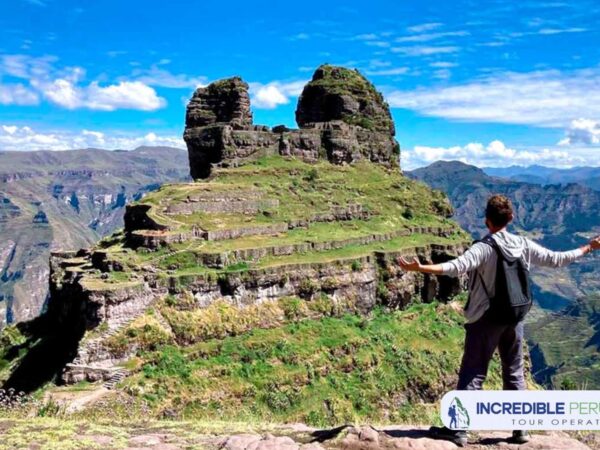
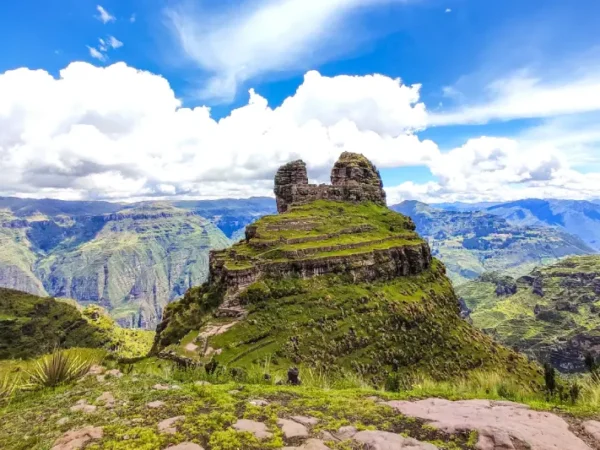
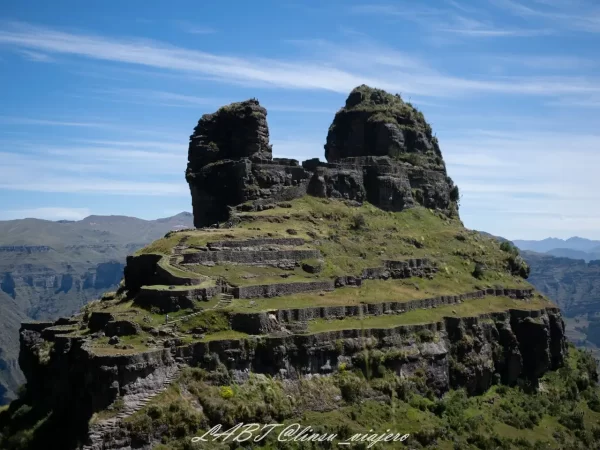
High in the mountains overlooking the Sacred Valley of the Incas stands Huchuy Qosqo, an archaeological complex known for its agricultural terraces, stone and adobe structures, water channels, and sweeping views over the Vilcanota River valley.

Although it receives fewer visitors than other archaeological sites around Cusco, Huchuy Qosqo helps you understand how the Incas adapted their buildings to mountainous terrain and combined residential, productive, and possibly ceremonial spaces.

Its current name means “Little Cusco,” but the place was once known as Qaqyaqawana. In addition, colonial chronicles link this settlement to the Inca Viracocha, one of the rulers who came before Pachacútec.

What is Huchuy Qosqo?

Huchuy Qosqo is an Inca archaeological complex located in the district and province of Calca, in the department of Cusco. It sits at approximately 3,650 meters above sea level, in an elevated position over the Sacred Valley.

The site is made up of architectural structures built on a steeply sloping area. To make the most of the terrain, the Incas developed platforms, terraces, stairways, enclosures, and irrigation channels.

The location also offers a broad view of the valley and the mountains that surround Calca and Lamay. This position would have allowed the settlement to visually monitor the territory and organize the activities carried out there.

Huchuy Qosqo

What does Huchuy Qosqo mean?

The name Huchuy Qosqo comes from Quechua:

  • Huchuy: small.
  • Qosqo: Cusco.

It can therefore be translated as “Little Cusco” or “Small Cusco.”

This would not have been the settlement’s original name, however. The official record in the National Inventory of Tourism Resources notes that it was once called Qaqyaqawana, and that the name Huchuy Qosqo came into use in the early twentieth century because of certain similarities between the layout of its buildings and the city of Cusco.

Qaqyaqawana is connected to the Qaqya mountain and to the Quechua word linked to thunder. For that reason, some interpretations present this old name as a reference to a place from which thunder is observed or watched.

History of Huchuy Qosqo

The history of Huchuy Qosqo still holds questions that archaeology and the study of the chronicles are trying to answer. There is no exact, fully verified date for all the stages of its construction.

Historical sources connect the old settlement of Caquia Xaquixaguana, another colonial way of writing Qaqyaqawana, with the Inca Viracocha. Some accounts state that the ruler withdrew to this place during the conflict with the Chancas.

Based on these references and on the features of the complex, Huchuy Qosqo is often interpreted as a residence tied to Viracocha Inca and his family. It may also have worked as a center for administering land, agricultural goods, and workers.

It is important to use expressions such as “according to the chronicles,” “it is thought,” or “probably.” To categorically state that Viracocha personally built the entire complex would present as definitive a matter that remains open to historical interpretation.

Huchuy Qosqo after the Inca period

Over time, several structures suffered damage from rain, wind, humidity, vegetation, and some human activity.

During 2013 and 2014, restoration and conservation work was carried out on certain enclosures, terraces, and walls. These efforts sought to stabilize the structures and protect the adobe elements in particular.

The site was declared Cultural Heritage of the Nation on August 19, 2003, through Directoral Resolution No. 611-2003 of the then National Institute of Culture.

What was Huchuy Qosqo used for?

No single function has been established for the whole complex. Because of its layout and architectural features, Huchuy Qosqo is thought to have served several different purposes.

A residence tied to the Inca elite

The presence of large enclosures, plazas, and carefully planned buildings supports the interpretation that part of the settlement was connected to members of the Inca elite.

The chronicles that mention the Inca Viracocha have led some to identify the site as a possible royal residence or retreat. This interpretation, however, should be presented as a hypothesis based on historical sources.

An administrative and agricultural center

The terraces, storehouses, channels, and circulation spaces show that agricultural production and resource management were important.

The terrace system has horizontal and vertical channels used to distribute water. Stone stairways were also built to make it easier to move between the different levels.

A ceremonial space

The official MINCETUR record describes platforms and open grounds that may have been used for ceremonial activities. The elevated position and the visual relationship with the mountains and the valley would also have been significant within the Andean understanding of the landscape.

For this reason, Huchuy Qosqo should not be understood solely as a fortress or a palace. It was a complex settlement in which residential, administrative, agricultural, and ceremonial functions may have come together.

The architecture of Huchuy Qosqo

One of the most interesting aspects of the site is its combination of stone, clay, and adobe.

The buildings have stone foundations and footings. On top of these bases, adobe walls were raised, some of which still stand at a considerable height despite the climate and the passage of time.

Its main architectural elements include:

  • Enclosures built with stone bases and adobe walls.
  • Platforms and terraces adapted to the slope.
  • Stairways connecting the different levels.
  • Channels for distributing water.
  • Open grounds and outdoor spaces.
  • Walls with worked stone and clay mortar.

The mix of materials shows that Inca architecture was not limited to the well-known walls of perfectly fitted stone. In places like Huchuy Qosqo, builders used different techniques according to the terrain, the climate, and the function of each building.

The architecture of Huchuy Qosqo

Why is Huchuy Qosqo important?

Huchuy Qosqo is important because it lets you study the Inca occupation of the Sacred Valley from a different perspective than the major tourist destinations.

The complex shows a remarkable handling of the topography. Instead of removing the slopes, the builders transformed them with terraces and platforms that gave the ground stability and created spaces for farming and construction.

It also preserves significant examples of the combined use of stone and adobe. These materials provide information about the building techniques developed in the highlands and about the current challenges of preserving archaeological heritage.

Its old name, its possible connection to Viracocha, and its position above the Sacred Valley make the site an important source for understanding the region’s history before the definitive establishment of the Tahuantinsuyo.

How to see Huchuy Qosqo

The final approach to the site has to be done on foot. One of the traditional routes climbs up from the Lamay area, while other routes begin in higher sections near Cusco, Chinchero, Patabamba, or Tambomachay. The length and difficulty depend on the starting point you choose.

To take in not only the buildings but also their historical and cultural context, it is a good idea to do the route with a professional guide.

Travelers looking for an experience that combines hiking, mountain landscapes, and archaeological heritage can take the 2-day Inca Trail to Huchuy Qosqo, a route that starts near Cusco and lets you reach the archaeological complex on foot.

During the visit, it is important to stay on the marked trails, avoid climbing on the walls, refrain from removing stones or materials, and follow the instructions of the site staff.

Visiting Huchuy Qosqo
Huchuy Qosqo trek

Frequently asked questions about Huchuy Qosqo

Where is Huchuy Qosqo located?

It is located in the province and district of Calca, in the department of Cusco, on an elevated area of the Sacred Valley of the Incas.

What altitude is Huchuy Qosqo at?

The archaeological complex sits at roughly 3,650 to 3,677 meters above sea level, according to the technical and official sources consulted.

What does Huchuy Qosqo mean?

It means “Little Cusco.” This name came into use during the twentieth century. Before that, the site was known as Qaqyaqawana.

Was Huchuy Qosqo built by the Inca Viracocha?

The chronicles connect the place with Viracocha Inca and allow it to be interpreted as a possible residence tied to this ruler. It would not be accurate, however, to present the complete construction of the site by Viracocha as a definitively proven archaeological fact.

Can you get there by vehicle?

The routes let you cover part of the trip by transportation, but the final approach to the archaeological complex requires a hike. The time depends on the route and the starting point.

Huchuy Qosqo, a testament to Andean knowledge

Huchuy Qosqo is far more than an alternative destination in the Sacred Valley. Its terraces, enclosures, channels, and adobe walls show how the Incas organized complex spaces in the middle of mountainous terrain.

Its history is also a reminder of how important it is to separate proven facts from interpretations. The connection to Viracocha comes mainly from the chronicles, while its architecture provides evidence of administrative, agricultural, residential, and ceremonial activities.

Visiting Huchuy Qosqo lets you get closer to a lesser-known part of Cusco’s history and understand the relationship that existed between architecture, territory, and landscape in the Andean world.

Inicio » Cusco » Page 5

Humantay Lake is located at 14,108 feet (4,300 meters) above sea level, and Rainbow Mountain reaches an even higher elevation. If you arrive from a city at sea level and ascend too quickly, you are very likely to experience altitude sickness, locally known as soroche. Symptoms may include headaches, fatigue, nausea, or shortness of breath. The good news is that acclimatizing properly is simple as long as you give your body enough time. Here, we explain how to do it step by step.

Why Acclimatization Is So Important

At higher elevations, less oxygen is available in the air. Your body needs time to adapt to these conditions. If you skip this process and travel directly to 14,108 feet (4,300 meters) above sea level, you risk feeling unwell on the very day you want to enjoy the most. Acclimatization is not a luxury; it can make the difference between a memorable trip and one affected by altitude sickness.

Arrive in Cusco Ahead of Time

This is the most important recommendation: arrive in Cusco at least one or two days before your hike. The city is already located at approximately 11,152 feet (3,400 meters) above sea level, so spending time here helps prepare your body for the higher elevations you will encounter during the tour.

Ideally, schedule Humantay Lake and Rainbow Mountain toward the end of your stay rather than on your first day. Use your first few days in Cusco for less demanding activities, and save the high-altitude hikes until your body has had time to adjust.

Cusco City Tour

Take It Easy During Your First Few Days

During your first 24 to 48 hours in Cusco, avoid intense physical activity. Do not run, carry heavy items, or rush up stairs. Walk slowly and rest whenever you need to.

Many travelers arrive feeling energetic and want to explore everything on their first day, but doing too much can make the acclimatization process more difficult. Give your body the time it needs to adjust.

Stay Well Hydrated

Drink more water than usual because your body can become dehydrated more quickly at high elevations. Staying hydrated can support the acclimatization process and may help reduce some symptoms of altitude sickness. Always keep a bottle of water with you and drink regularly, even when you do not feel thirsty.

Be Careful About What You Eat and Drink

During your first few days, it is best to eat light meals. Avoid very heavy or large meals, especially at night, because they can be more difficult to digest at high elevations.

You should also limit alcohol while acclimatizing because it can worsen symptoms and contribute to dehydration. Save the celebrations until after your hikes.

Restaurant in Cusco Serving Light Meals

Consider Traditional Local Remedies

Coca tea is a traditional option commonly used in Cusco for altitude-related discomfort. It is prepared as an herbal infusion, and most hotels offer it free of charge. You can also find coca candies and coca leaves, which some travelers use for additional support throughout the day.

If you know that you are sensitive to high elevations, speak with your doctor before traveling about medication for altitude sickness. Obtain any medication with the appropriate prescription and carry it with you as a precaution.

Coca Tea

Rest and Get Enough Sleep

Sleeping well during the nights before your hike helps your body recover and adjust. If you have trouble sleeping during your first night, this can happen at high elevations and often improves over the following days. Prioritize rest instead of going out late at night.

Listen to Your Body During the Hike

Once you begin the hike, move at your own pace. There is no reward for arriving first. Walk slowly, breathe deeply, and take breaks whenever you need them. If you experience discomfort, tell your guide. On these tours, guides usually carry an oxygen tank and a first-aid kit, so assistance is available throughout the excursion.

SACSAYHUAMAN
Hiking Near the City of Cusco at Sacsayhuaman

Warning Signs You Should Not Ignore

A mild headache or some fatigue can occur during the initial acclimatization period. However, if severe symptoms appear, such as persistent vomiting, significant difficulty breathing, confusion, or intense dizziness, you should take them seriously. In these situations, the best course of action is to rest, descend to a lower elevation when possible, and immediately notify your guide or seek medical assistance.

Inicio » Cusco » Page 5

If you have limited time in Cusco but do not want to miss two of the region’s most impressive destinations, this two-day tour is for you. In a single itinerary, you will combine Humantay Lake and Rainbow Mountain, with no previous hiking experience required. Here, I will explain what each day is like, what to expect during every part of the journey, and some tips to help you enjoy the experience.

Before You Begin: What You Should Know

This tour has a moderate difficulty level. You do not need to be an expert, but it is best to arrive in reasonably good physical condition because you will be hiking in high-altitude areas. Humantay Lake is located at 14,108 feet (4,300 meters) above sea level, and Rainbow Mountain is even higher, so you will definitely feel the effects of the altitude.

One key recommendation is to arrive in Cusco at least one or two days in advance so you can acclimatize. The city is already located at approximately 11,152 feet (3,400 meters) above sea level, and giving your body time to adjust makes a major difference. The night before departure, you will attend an informational meeting with your guide at the office, where you can ask questions and leave any luggage you will not need in storage.

Acclimatizing in Cusco a few days in advance
Acclimatizing in Cusco a Few Days in Advance

Day 1: Cusco, Mollepata, Soraypampa, and Humantay Lake

Early Departure from Cusco

The day begins before sunrise. Pickup from your hotel is at approximately 4:30 a.m., so prepare your belongings the night before. From Cusco, you will travel by tourist transportation for approximately two hours to the town of Mollepata, where you will stop for breakfast at a local restaurant and recharge your energy.

From Mollepata to Soraypampa

After breakfast, you will continue for another hour by vehicle to the Soraypampa area, located at 12,795 feet (3,900 meters) above sea level. This is where the hike begins. You will arrive at approximately 9:00 a.m. and start ascending from here.

The Ascent to the Lake

The trail to Humantay Lake takes approximately one and a half hours along a steadily ascending path. It is the most demanding part of the day, but every step is worth it. When you arrive, you will find a turquoise lake formed by meltwater from Humantay Mountain, with direct views of Salkantay Mountain, which stands at 20,574 feet (6,271 meters) above sea level and is the highest peak in the area.

You will have time to take photographs, rest, and enjoy the scenery before beginning the descent, which takes approximately one hour back to Soraypampa.

Humantay Lake

Rest at the Eco Lodge

At approximately 1:00 p.m., you will arrive at Mamá Andrea Eco Lodge, where lunch will be waiting for you. You will then have the afternoon free to rest. Dinner is included in the evening. If the weather is clear, you can enjoy the night sky from the lodge with very little light pollution, one of those memorable moments that stays with you.

Mamá Andrea Eco Lodge
Mamá Andrea Eco Lodge Cabins

Day 2: Soraypampa, Cusipata, and Rainbow Mountain

Early Morning Departure and Transportation

The second day begins at 5:00 a.m. After breakfast, you will board the transportation at approximately 6:00 a.m. for a long journey of around five hours to Cusipata. It is an extended drive, so take advantage of the time to rest along the way. When you arrive, you will stop for lunch at a local restaurant.

Heading to the Starting Point

From Cusipata, you will continue for approximately one more hour to Phulawasipata, where the road ends and the hike begins. You will arrive at around 1:00 p.m., and your guide will give you a brief explanation of the route before starting.

The Ascent to the Summit

The hike to Rainbow Mountain takes approximately one and a half hours. The mountain gets its colors from the mineral composition of the terrain, including clays, sulfides, and iron oxides that form stripes ranging from red to green and yellow. From the summit, you will have views of Ausangate Mountain, and along the trail it is common to see llamas, alpacas, and native birds from the area.

Descent and Return to Cusco

After enjoying the view, you will begin the descent, which takes another hour and a half along the same trail, until you reach the community of Quesiuno, where the transportation will be waiting for you. From there, you will travel to the town of Pitumarca for an included lunch. Afterward, you will board the transportation back to Cusco, arriving at approximately 6:30 p.m.

Rainbow Mountain
Rainbow Mountain

What This Tour Includes

To help you plan clearly, the tour includes pickup from your hotel in Cusco, all tourist transportation, a professional guide, a cook responsible for preparing all meals, and entrance tickets to both destinations. It also includes one night of cabin accommodation at Mamá Andrea Eco Lodge, all meals during the tour, including two breakfasts, two lunches, one afternoon tea, and one dinner, as well as a first-aid kit and an emergency oxygen tank carried by the guide. If you require a vegetarian or special diet, it can be prepared at no additional cost.

Optional services include trekking poles or horse service during the tour. Both must be arranged at least one day in advance.

Tips for Enjoying the Trip

Bring layered clothing because the weather changes quickly at high elevations and the nights are cold. Do not forget sunscreen, sunglasses, and a hat because the sun can be strong even when the temperature feels cool. Hiking shoes with good traction will make the hike much safer.

Drink water regularly and keep some energy snacks with you. If you are sensitive to high elevations, trekking poles can be very helpful during both ascents and descents, and you can always move at your own pace. Remember that the guide carries oxygen and a first-aid kit, so you will be in good hands.

Humantay Lake and Rainbow Mountain

Is It Worth It?

If you want to see two very different landscapes in a short amount of time, this two-day itinerary offers more than enough. On the first day, you will hike to a turquoise glacial lake, and on the second day, you will climb a mountain covered in colorful stripes with views of snowcapped peaks. It is an ideal option for couples, groups of friends, and families who want to make the most of their time in Cusco.

Inicio » Cusco » Page 5

You will be hiking above 13,000 feet (4,000 meters) above sea level, so what you pack can make the difference between enjoying the day and having a difficult experience. Here is everything you need, explained in a simple and practical way.

Dress in Layers

The weather in these two mountain destinations can change quickly. You may leave in freezing temperatures before sunrise, start sweating during the hike, and feel cold again at the summit because of the wind. That is why the key is to wear layers that you can easily put on or remove as you go.

Base Layer

Wear a fitted, long-sleeved thermal shirt. Avoid cotton because it holds moisture and can make you feel colder. Choose synthetic fabrics or wool that dry quickly.

Mid Layer

Bring a fleece jacket or an insulated layer that will keep you warm during the hike and while resting.

Outer Layer

Wear a waterproof and windproof jacket over everything else. This layer will protect you from the strong winds at the summit and from unexpected rain.

Accessories

Do not forget gloves, a warm hat that covers your ears, and a buff or neck gaiter to protect your face. The wind can be very strong at the summit, and your hands are often the first part of your body to feel cold. For your lower body, comfortable hiking pants work well. If you have them, wear thermal leggings underneath during the early morning.

Humantay Lake
Humantay Lake

Proper Footwear

This is where many travelers make mistakes. You need hiking shoes or boots with good traction because the terrain includes loose dirt, rocks, and, depending on the season, mud or snow. Regular city sneakers can be slippery and may make the hike much more difficult.

Make sure you have already broken them in, and never wear brand-new shoes for the first time on the day of the hike. Also bring thick socks, preferably two pairs in case one pair gets wet.

Sun Protection

At this elevation, the sun is much stronger, even when the weather feels cool or cloudy. Bring high-SPF sunscreen and reapply it throughout the day, sunglasses with UV protection, and a cap or wide-brimmed hat. Lip balm with sun protection is also helpful because the cold, dry air can cause your lips to crack.

Hydration and Snacks

Drink water regularly before and during the hike because staying hydrated can help your body handle the altitude. Bring at least 1.5 to 2 liters of water. Pack quick-energy snacks such as nuts, chocolate, granola bars, or fruit. Coca leaves or coca candies are also commonly used as support for altitude-related discomfort.

Preparing for the Altitude

If you have just arrived in Cusco, give yourself one or two days to acclimatize before taking the tour. Keep altitude sickness medication with you if you are usually sensitive to high elevations, but speak with your doctor beforehand. You may also want to bring something for headaches. Walk slowly, avoid rushing, and take deep breaths.

Other Essentials

Pack your identification card or passport, some cash in Peruvian soles for purchases or restroom fees along the way, your phone or camera with a fully charged battery, a small bag for your trash, and, if available, trekking poles, which can be very helpful during both ascents and descents.

Final Tip

Travel light, but make sure you have everything you need. A 20- to 30-liter backpack is enough to carry your essentials without adding too much weight. Prepare everything the night before because departures are usually before sunrise, and you will not want to organize your gear at that hour.

Inicio » Cusco » Page 5

Humantay Lake and Vinicunca, also known as Rainbow Mountain, are two of the most popular high altitude hikes near Cusco. One of the most common questions travelers ask before booking is which of the two is more difficult. The answer is straightforward: they are similar in distance and duration, but Vinicunca is slightly more demanding because of its higher elevation. Here you will see exactly how they differ, what makes each one challenging, and why the order in which you hike them changes how difficult they feel.

The Key Difference Is the Elevation

Both hikes involve approximately one hour and thirty minutes of climbing, followed by a descent of a similar duration, so distance and time are not what set them apart. The main difference is the elevation of the highest point on each route.

Humantay Lake is located at 4,300 meters above sea level, and the hike begins in Soraypampa at 3,900 meters above sea level. Vinicunca reaches approximately 5,000 meters above sea level, several hundred meters higher. At that elevation, every meter of climbing requires more effort because less oxygen is available. This makes Vinicunca the more demanding of the two, even though the trail itself is not technically more difficult.

Difficulty Comparison

This table summarizes the similarities and differences between the two hikes:

FeatureHumantay LakeVinicunca, Rainbow Mountain
Starting pointSoraypampa, at 3,900 meters above sea levelPhulawasipata
Elevation of the highest point4,300 meters above sea levelApproximately 5,000 meters above sea level
Climbing timeApproximately 1 hour and 30 minutesApproximately 1 hour and 30 minutes
Type of effortSteady and continuous climbGentler climb at a higher elevation
Most demanding factorThe steepness of the climbThe elevation near 5,000 meters above sea level
Overall difficultyModerate to challengingChallenging because of the elevation

What Makes the Humantay Lake Hike Challenging?

The main challenge at Humantay Lake is the steep incline. The trail from Soraypampa climbs continuously for approximately one hour and thirty minutes, with no long flat sections for resting. This sustained climb places considerable demand on your legs and breathing. Although the highest point is lower than Vinicunca, the continuous uphill effort makes it demanding for travelers who are not accustomed to hiking at high altitude.

One advantage is that Humantay Lake is usually visited on the first day of the trip, when your body is still fresh. Since the route remains around 4,300 meters above sea level, altitude sickness is also generally more manageable than at the summit of Vinicunca.

What Makes Vinicunca Challenging?

Several sections of the Vinicunca trail are less steep than the Humantay Lake trail, but the higher elevation more than makes up for it. Being close to 5,000 meters above sea level means that less oxygen is available. This leads to faster breathing, slower steps, and the need for more frequent breaks, even on sections that appear gentle.

For this reason, many travelers describe Vinicunca as the more difficult of the two, not because of the trail but because of the effects of the elevation. The good news is that proper acclimatization makes the climb much more manageable. This is where the order of the hikes plays a decisive role.

Why the Order Changes the Difficulty

Here is the point many travelers overlook: the difficulty of Vinicunca depends largely on how well you have acclimated beforehand. Climbing to 5,000 meters above sea level as your first high altitude activity, without prior adaptation, is noticeably more difficult than doing it after hiking to Humantay Lake and sleeping at high altitude.

A two day trip takes advantage of this. On the first day, you hike to Humantay Lake at 4,300 meters above sea level and spend the night at a dome eco lodge in Soraypampa, at 3,900 meters above sea level. On the second day, after your body has had more time to adjust, you take on Vinicunca. This sequence genuinely reduces the perceived difficulty of Rainbow Mountain. The 2 Day Humantay Lake and Rainbow Mountain Trek from Incredible Peru Tours follows this order, so the more demanding hike takes place when you are better prepared for it.

How to Make Both Hikes Easier

In addition to completing the hikes in the right order, several measures can make both routes more manageable. The first is spending two or three days acclimating in Cusco before the trip, since the city is located at approximately 3,400 meters above sea level. The second is hiking at your own pace. Short, steady steps, brief breaks, and controlled breathing are more effective than rushing uphill.

Consistent hydration, energy snacks, and coca tea can help you maintain your energy at high altitude. Dressing in layers also prevents the cold of the early morning or the intense midday sun from adding to the physical effort. With these measures, both Humantay Lake and Vinicunca are within reach for most travelers with an average level of physical fitness.

Coca tea
Coca Tea

Book the Trip in the Right Order

The easiest way to prevent the more demanding hike from catching you by surprise is to complete both hikes in the order that supports acclimatization, with all logistics already arranged. With transportation, accommodations in Soraypampa, meals, and a guide organized in advance, you can focus entirely on hiking at your own pace. You can check date availability and book directly with Incredible Peru Tours to secure your space, especially during the high season.

Frequently Asked Questions

Which is more difficult, Humantay Lake or Vinicunca?

Vinicunca is usually more demanding because of its higher elevation, which is close to 5,000 meters above sea level, compared with 4,300 meters above sea level at Humantay Lake. The Humantay Lake trail is steeper, but Vinicunca feels more difficult because less oxygen is available at that elevation.

Do both hikes take the same amount of time?

Yes. They are similar in duration, with approximately one hour and thirty minutes of climbing on each route, followed by descents of a similar length. The difference in difficulty comes from the elevation, not the distance or duration.

Can I complete them without mountaineering experience?

Yes. Neither hike requires mountaineering skills. They are demanding because of the altitude, not because of technical terrain. With proper acclimatization, a slow pace, and regular breaks, most travelers with an average level of physical fitness can complete them.

Why is it better to visit Humantay Lake first?

At 4,300 meters above sea level, Humantay Lake serves as preparation for Vinicunca, which is higher. Hiking to Humantay Lake first and sleeping at high altitude makes the Rainbow Mountain hike feel less difficult the following day.

What should I do if the altitude affects me during the climb?

Slow down, stay hydrated, and notify your guide. A mild headache is common, but if it becomes more severe or you experience nausea or significant shortness of breath, do not force yourself to continue. The tour staff is prepared to assist you.

Inicio » Cusco » Page 5

Visiting Humantay Lake and Rainbow Mountain on two consecutive days is one of the most complete ways to experience the high altitude landscapes near Cusco, but it also requires preparation. This is not because of the distance, which is manageable, but because of the elevation: both hikes take place above 3,900 meters above sea level, and the second reaches nearly 5,000 meters above sea level. This guide brings together everything you should do before and during the trip so your body responds well and you can enjoy the scenery instead of struggling with the altitude.

Acclimate in Cusco Before You Leave

The most important measure is also the simplest: spend at least two or three days in Cusco before the excursion. The city is located at approximately 3,400 meters above sea level, and giving your body that time to adjust significantly reduces the risk of altitude sickness during the hikes. It is not an absolute guarantee, but it makes a real difference.

During those first few days, it is best to take things slowly: enjoy easy walks around the city, stay consistently hydrated, and eat light meals. Avoid alcohol and intense physical activity as soon as you arrive. If your flight lands directly in Cusco from sea level, your first day should be for resting, not for demanding activities.

Acclimating in Cusco During the First Few Days

Understand Why the Order of the Hikes Helps

A well designed two day itinerary already includes acclimatization in its sequence. On the first day, you hike to Humantay Lake, where the highest point is 4,300 meters above sea level, and spend the night in panoramic wooden geodesic domes in Soraypampa, at 3,900 meters above sea level. On the second day, you take on Rainbow Mountain, which is close to 5,000 meters above sea level.

This order is not accidental. Starting at the intermediate elevation of Humantay and sleeping at high altitude helps prepare your body for the higher elevation on the following day. Sleeping at 3,900 meters above sea level after hiking to 4,300 meters above sea level is, in practice, an acclimatization step that makes the climb to Rainbow Mountain more manageable. The 2 Day Humantay Lake and Rainbow Mountain Trek from Incredible Peru Tours follows this exact sequence, so the altitude preparation is already built into the itinerary.

What to Pack in Your Backpack

Dressing in layers is the key strategy because, in a single day, you will go from the cold of early morning to the intense midday sun. A thermal base layer, a warm middle layer, and a wind resistant jacket allow you to adjust your temperature as conditions change. Add a hat, gloves, and a neck gaiter because the wind at high elevations can be relentless.

For your face and skin, the sun at high altitude is strong even on cloudy days, so bring sunscreen, sunglasses, and a sun hat. Complete your gear with enough water and a few energy snacks. During the rainy season, from November through March, bring a waterproof jacket and footwear with good traction for slippery trails. A trekking pole helps on the climbs and reduces strain on your knees during the descent.

Trekking Backpack

How to Hike at High Altitude Without Becoming Exhausted

The most common mistake is trying to keep up with other people. At high altitude, your own pace is the right pace. Walk slowly with short, steady steps, and take brief breaks whenever you need them without feeling that you are falling behind. Slow, deep breathing helps more than rushing uphill to reach the viewpoint sooner.

Stay hydrated throughout the hike, even if you do not feel thirsty, and eat something light during breaks to maintain your energy. Coca leaves or coca tea, which are commonly used in the region, are a traditional aid that many travelers find helpful. If you develop a mild headache, it is normal. If it becomes severe or is accompanied by nausea or unusual shortness of breath, notify your guide and do not force yourself to continue.

Prepare for Each Day’s Weather

Mornings in Soraypampa and at Rainbow Mountain are very cold, with temperatures that can fall below freezing before sunrise. By midmorning, the sun warms the area quickly and the conditions change completely, which is why layers are so important. Weather at high altitude can also shift from sunshine to fog or light rain in a short time, so it is wise to be prepared for both sides of the day.

If you travel during the rainy season, keep your expectations flexible. Fog may cover the mountain’s colors or the lake’s reflection, and travel times may be longer. During the dry season, from April through October, the sky is usually clearer, although the morning cold is more intense.

Rest Well During the Overnight Stay

The night in the Panoramic Wooden Geodesic Domes in Soraypampa is not just a stop along the way. It is part of the preparation for the second day. Going to bed early, staying warm, and getting a good night’s sleep will help you begin the Rainbow Mountain hike with energy. When the weather is favorable, the night sky in Soraypampa, where there is very little light pollution, is one of the most memorable parts of the trip.

Eat a light dinner and avoid alcohol on the night before the highest climb. A good night’s rest at 3,900 meters above sea level will do more for your performance the next day than anything else.

Mama Andrea Panoramic Wooden Geodesic Domes

Book With All Logistics Already Arranged

The best preparation for two days at high altitude is not having to improvise anything on the day of the hike. With transportation from your hotel, accommodation in Soraypampa, meals, a guide, and the acclimatization sequence already organized, your only task is to prepare physically and enjoy the scenery. You can check date availability and book directly with Incredible Peru Tours to secure your space, especially during the high season, when demand is greater.

Frequently Asked Questions

How many days should I spend in Cusco before the hikes?

At least two or three days. Cusco is located at approximately 3,400 meters above sea level, and this adjustment period significantly reduces the risk of altitude sickness before hiking to Humantay Lake and Rainbow Mountain.

What is the highest point of the trip?

Rainbow Mountain, which is approximately 5,000 meters above sea level. Humantay Lake reaches 4,300 meters above sea level, and the accommodation in Soraypampa is located at 3,900 meters above sea level.

What clothing do I need?

Clothing in layers: a thermal base layer, a warm middle layer, and a wind resistant jacket, along with a hat, gloves, sunscreen, sunglasses, and water. During the rainy season, add a waterproof jacket and footwear with good traction.

What should I do if I experience altitude sickness during the hike?

Walk more slowly, stay hydrated, and notify your guide. A mild headache is common, but if it becomes more severe or you experience nausea or significant shortness of breath, do not force yourself to continue. The tour staff is prepared to assist you.

Does the overnight stay help with acclimatization?

Yes. Sleeping at 3,900 meters above sea level in Soraypampa after the Humantay Lake hike helps prepare your body for the higher elevation on the second day. This is part of the reason the two day itinerary works better than visiting each destination separately.

Partners

Partners and Agreements

Backed by the world's best tourism organizations

Dircetur
Fodor's
Lonely Planet
PromPerú
TripAdvisor